Portuguese
  Spanish


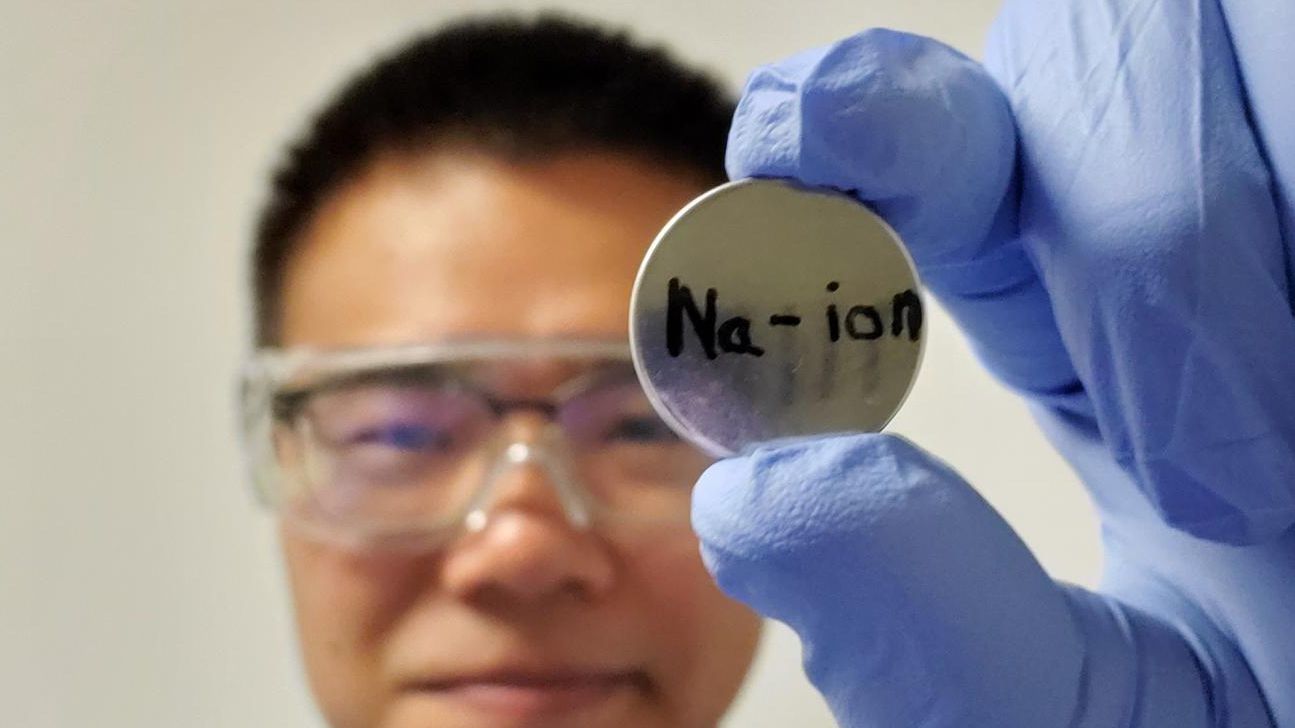

To Overcome Some Initial Hurdles, Scientists Used Technique With Ice and Cellulose in the Development of This Sodium and Potassium Battery
A new model of sodium and potassium-ion batteries has been created by researchers at the University of Bristol, in England, which could replace lithium cells in the future. The researchers developed an ice and cellulose-based modeling technique that promises to make the manufacturing of this energy storage model more sustainable and less harmful to the environment.
See Also:
- Gerdau Graphene Signs Contract with Embrapii/SENAI-SP to Explore the Great Potential of Graphene in Polymer Resins
- Voith Hydro to Modernize and Extend the Lifespan of the Turbines at the Paulo Afonso Hydroelectric Plant
- Fuel Station Chain Saves by Creating Its Own Solar Energy Network
However, previously, they were unable to obtain a satisfactory result due to the larger size of sodium and potassium ions, which do not easily move efficiently through the carbon’s porous electrodes used in conventional battery production, compromising their recharging capacity over time.
The study’s co-author, Materials Engineering professor Steve Eichhorn, states: “Another issue associated with these batteries is that they cannot be easily discarded at the end of their life cycle, as they use materials that are not sustainable. Furthermore, the production cost is a factor to consider, since the goal is to provide cheaper sources for energy storage.”
-
Corn ethanol attracts R$ 23 billion in 21 new plants and prepares for a nearly 50% jump in Brazilian production by 2027, even with high interest rates.

-
A newly opened terminal in the middle of the Amazon has begun transporting soy and corn through Amapá, eyeing the queue of ships that is congesting the ports in the South.
-
Tesla injected an additional $250 million into the German factory, doubled the battery cell target, and opened its own production line for startups.
-
A 180-meter ship with a deck the size of a football field was christened to carry 25,000 tons of giant energy modules around the world.


Solution Using Ice and Cellulose
In order to minimize the problems of the new sodium and potassium battery, scientists produced new materials for the carbon electrodes based on an ice modeling process, which have nanocrystals of cellulose that constitute a porous structure with sublimated ice crystals.
They were able, from this approach, to create large channels inside the device structure that can carry the larger sodium and potassium ions without causing significant loss in its recharging capacity, even after about two thousand charge and discharge cycles.
“We proposed a new controllable ice modeling strategy to manufacture low-cost cellulose nanocrystals. These carbon aerogels, derived from polyethylene oxide, feature hierarchically tailored channels aligned vertically, which can be adjusted as needed,” reiterates Jing Wang, study author and Materials Engineering student.
Promising Performance of Sodium and Potassium-Ion Batteries
The carbon aerogels, vertically aligned and doped with oxygen in hierarchically suitable pathways, can be synthesized as more competent anodes in sodium and potassium batteries, with a reversible capacity of approximately 300 mAh per gram of material, in addition to maintaining over 83% energy retention in normal usage conditions.
According to the researchers, the performance of these sodium and potassium-ion batteries is superior to various other methods using sustainably sourced materials in an attempt to replace lithium-ion cells with other materials. Furthermore, it has another advantage: the technology can be used in the production of the next generation of sodium and potassium batteries on an industrial scale.
“We hope that this discovery can be easily extended to a variety of other energy storage systems, such as zinc, calcium, aluminum, and magnesium, potentially being used in the production of more sustainable electric vehicles and in more efficient storage networks in the future,” adds Professor Steve Eichhorn to conclude.