





 Portuguese
  English
  Spanish
  4 min of reading
  0 comments


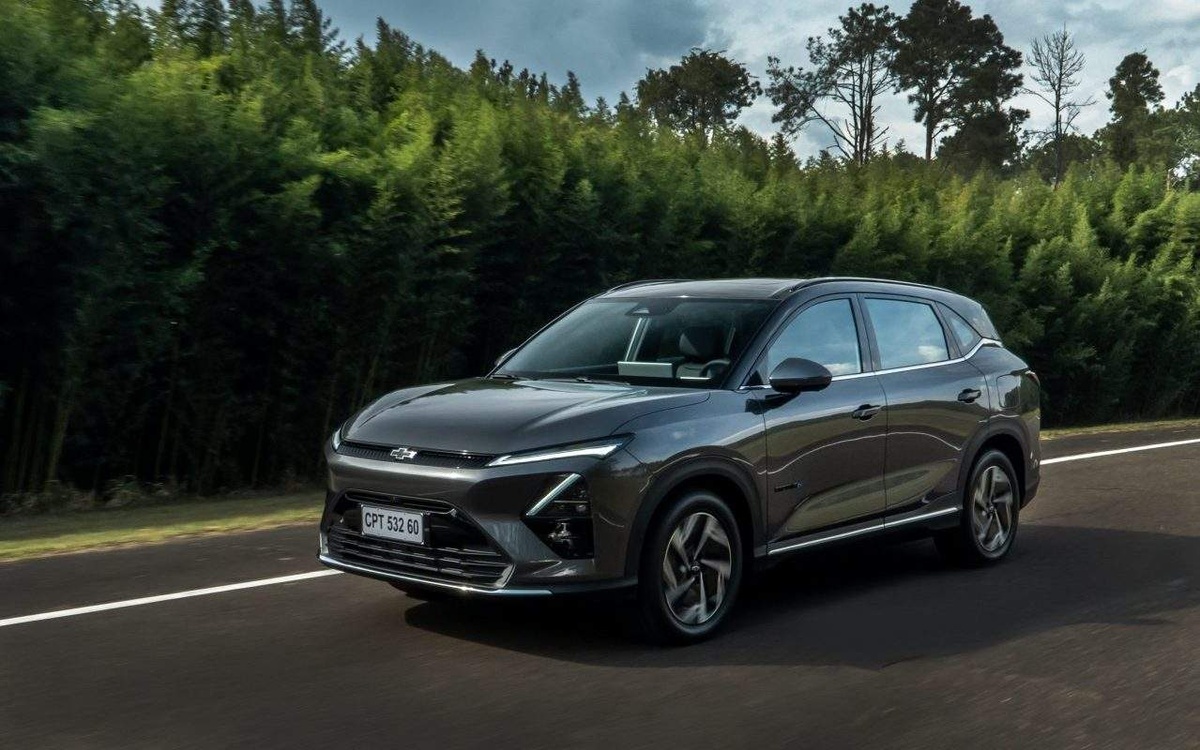
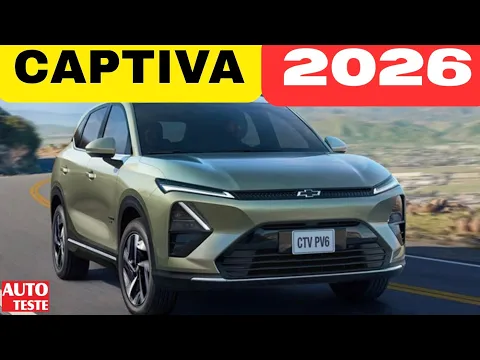
The New Captiva EV 2026 Emerges as a Strategic Bet from GM, with Defined Positioning and an Electric Set That Seeks Space Among Direct Competitors
The Chevrolet Captiva EV 2026 had its details revealed by General Motors in May 2025, according to the automaker’s official statement.
Thus, the model has taken an important place in the company’s launch calendar.
As such, the electric SUV emerges as the fifth launch of the brand this year, reinforcing GM’s planned expansion in the electrified segment.
Additionally, the Captiva EV arrives in Brazil imported from China, where it is produced by Saic-GM-Wuling.
In this way, it strategically positions itself above the Spark EUV and below the Equinox EV, making up an electric pathway aligned with Chevrolet’s global strategy.
As a result of this movement, the name Captiva returns to the country after being sold between 2008 and 2017, according to data from GM Brazil.
Thus, the choice of this name rescues a reference known to consumers.
Now, Chevrolet reintroduces the model in a fully electric configuration, developed with the participation of its global engineering centers.
-
Less than a Tera TSI, up to 710 km of range and charging in 9 minutes: the new BYD Song Ultra expands the Chinese brand’s bet on increasingly faster, more technological, and competitively priced electric SUVs.

-
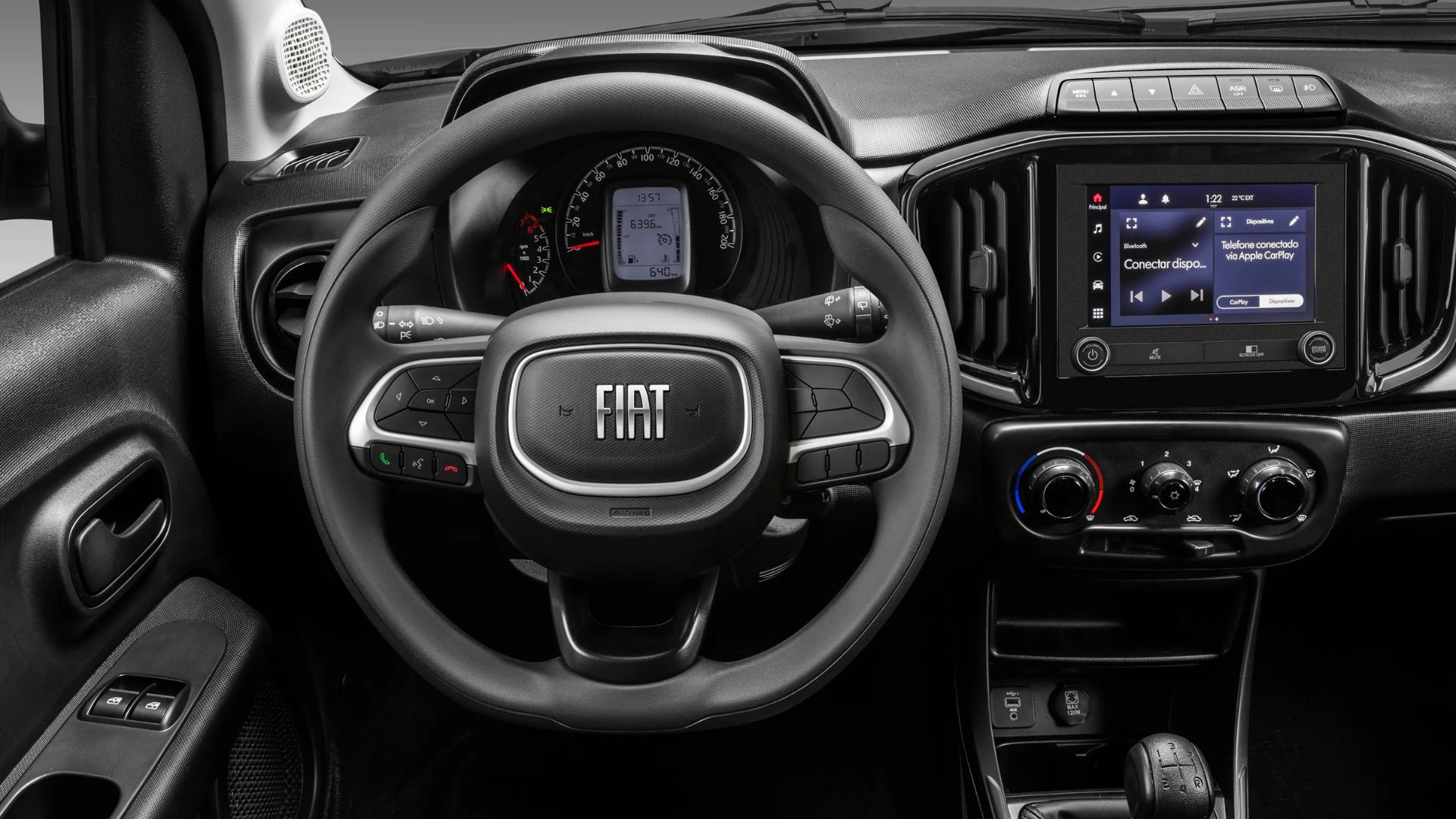
With a 1.0 engine producing 75 hp and costing less than R$ 70,000, Fiat’s car returns to the podium as the cheapest in the country; a temporary promotion for the 2026 Like version reduces the price of the Fiat Mobi.
-
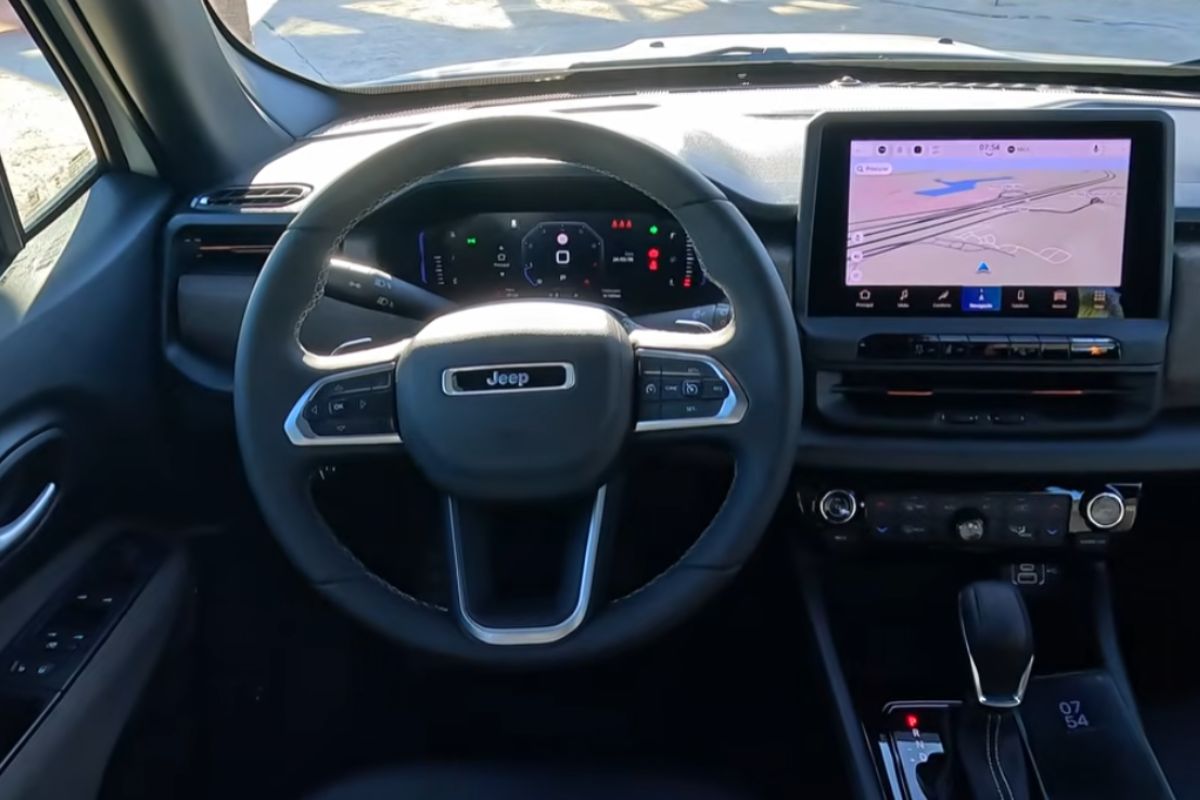
With a mild hybrid system of 48 V, 176 hp and a price of R$ 175,990 in the Sahara version, the new Jeep Renegade changes mostly on the inside, improves slightly in fuel consumption, and remains almost the same car.
-
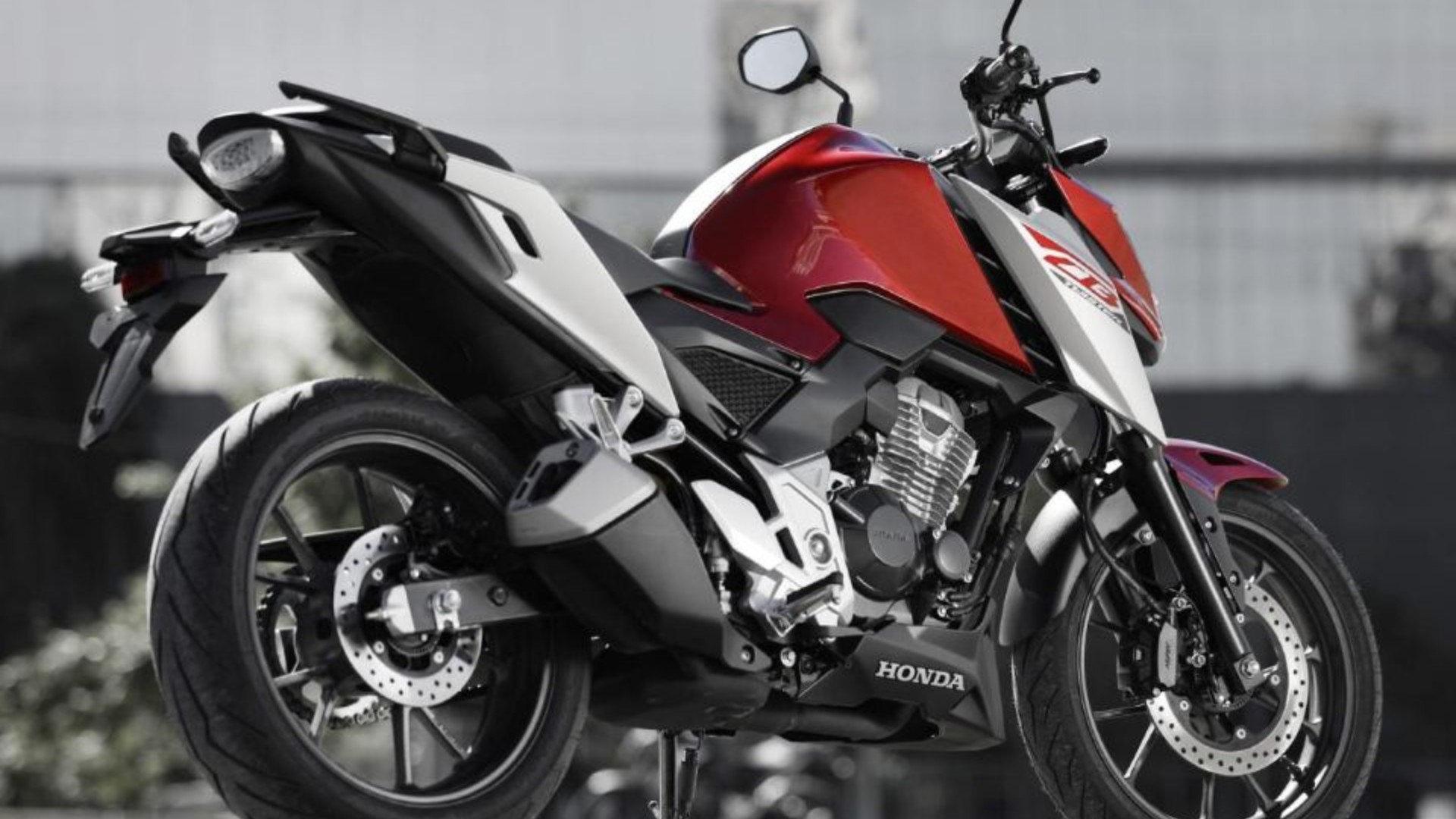
With a 293.5 cm³ engine and a range of up to 400 km with a 14.1-liter tank, the Honda CB 300F Twister 2026 has up to 24.7 hp, an initial price of R$ 25,150, and already exceeds R$ 29,000 in the Fipe Table.
Project Origin and International Strategy
The Captiva EV uses the Wuling Starlight S as its base, already marketed in the Asian market.
Therefore, the model maintains a direct link with recognized GM platforms abroad.
Consequently, Chevrolet states that the development involved participation from its global engineering centers.
This collaboration reinforces the brand’s intention to adapt the SUV to different markets and usage profiles.
According to GM, the Captiva EV will also be sold in Colombia, Mexico, and Middle Eastern countries.
Thus, the international strategy seeks to standardize technologies and reduce production costs.
This approach follows current trends in the global automotive industry.
Therefore, GM is accelerating the development of electric vehicles and enhancing its competitiveness in strategic segments.
Set Price and Direct Competition with Chinese Electric Vehicles
The Captiva EV arrives in Brazil in a single Premier version, according to GM’s statement.
Thus, the SUV concentrates its appeal in a robust equipment package.
The suggested price has been set at R$ 199.990, which places it against competitors of Chinese origin.
Among them are the Geely EX5 (R$ 205.800), the GAC Aion V (R$ 219.990), and the MGS5 Comfort (R$ 195.800).
Thus, the Captiva EV enters the competition with a balance between cost, technology, and brand tradition.
In this way, GM seeks to gain relevance in a highly competitive segment.
Equipment and Technologies Shaping the New Phase of the SUV
The Premier version offers panoramic roof, trunk with electric opening, LED headlights, and 18-inch wheels.
The rear seats have an inclination of up to 30°.
The driver’s seat features electric adjustment, enhancing daily comfort.

Additionally, the model features touch internal lighting, 15.6-inch multimedia center, Apple CarPlay, Android Auto, 8.8-inch digital panel, and 360° view.
The SUV also has four USB ports, keyless entry, push-button start, and steering wheel controls.
Consequently, the Chevrolet Intelligent Driving package adds advanced features.
Among them are adaptive cruise control, adaptive headlights, lane departure warning and assist, autonomous emergency braking, and front collision alert.
According to GM Global Engineering, the model also offers six airbags.
This combination demonstrates that Chevrolet invests in safety, comfort, and connectivity.
Motorization, Autonomy, and Dimensions Confirmed
The Captiva EV uses a 201 hp electric motor and 31.6 kgfm, according to data released by GM.
With this setup, the SUV accelerates from 0 to 100 km/h in 9.9 seconds.
The LFP battery of 60 kWh offers 304 km of autonomy in the Inmetro cycle.
Thus, the model is shown to be suitable for urban use and moderate commutes.
The SUV measures 4.74 meters in length, 1.89 meters in width, 1.67 meters in height, and 2.80 meters in wheelbase.
The trunk provides 403 liters, according to the official 2026 catalog.

Chevrolet offers four colors: Búzios Blue, Lençóis White, Diamantina Gray, and Jeri Gold.
Impact of the Captiva’s Return in the Brazilian Market
The return of the Captiva name generates interest among consumers who remember the old model.
Thus, the SUV arrives to compete in a market dominated by Chinese electrics.

The combination of price, autonomy, and technology may alter the dynamics of this segment.
Therefore, Chevrolet bets on the Captiva EV as an important piece in the reconstruction of its share in the national electric market.
The Captiva EV in Global Context
The presence of the model in countries in Latin America and the Middle East reinforces GM’s international strategy.
Thus, the brand increases its competitiveness and strengthens its presence in emerging markets.
This movement follows the global advance of electrification.
Therefore, the Captiva EV integrates a set of initiatives that shape the brand’s future.
What Does the Future Hold for the Captiva EV?
The commercial performance of the Captiva EV will depend on GMC’s ability to maintain competitiveness and consumer support.
Still, the return of the Captiva name demonstrates a clear attempt at repositioning in the national electric landscape.
What do you consider most crucial for the success of the Captiva EV in Brazil: competitive pricing, the technology package, or the strength of the Chevrolet brand?








-

-

3 pessoas reagiram a isso.