





 Portuguese
  English
  Spanish
  5 min of reading
  0 comments


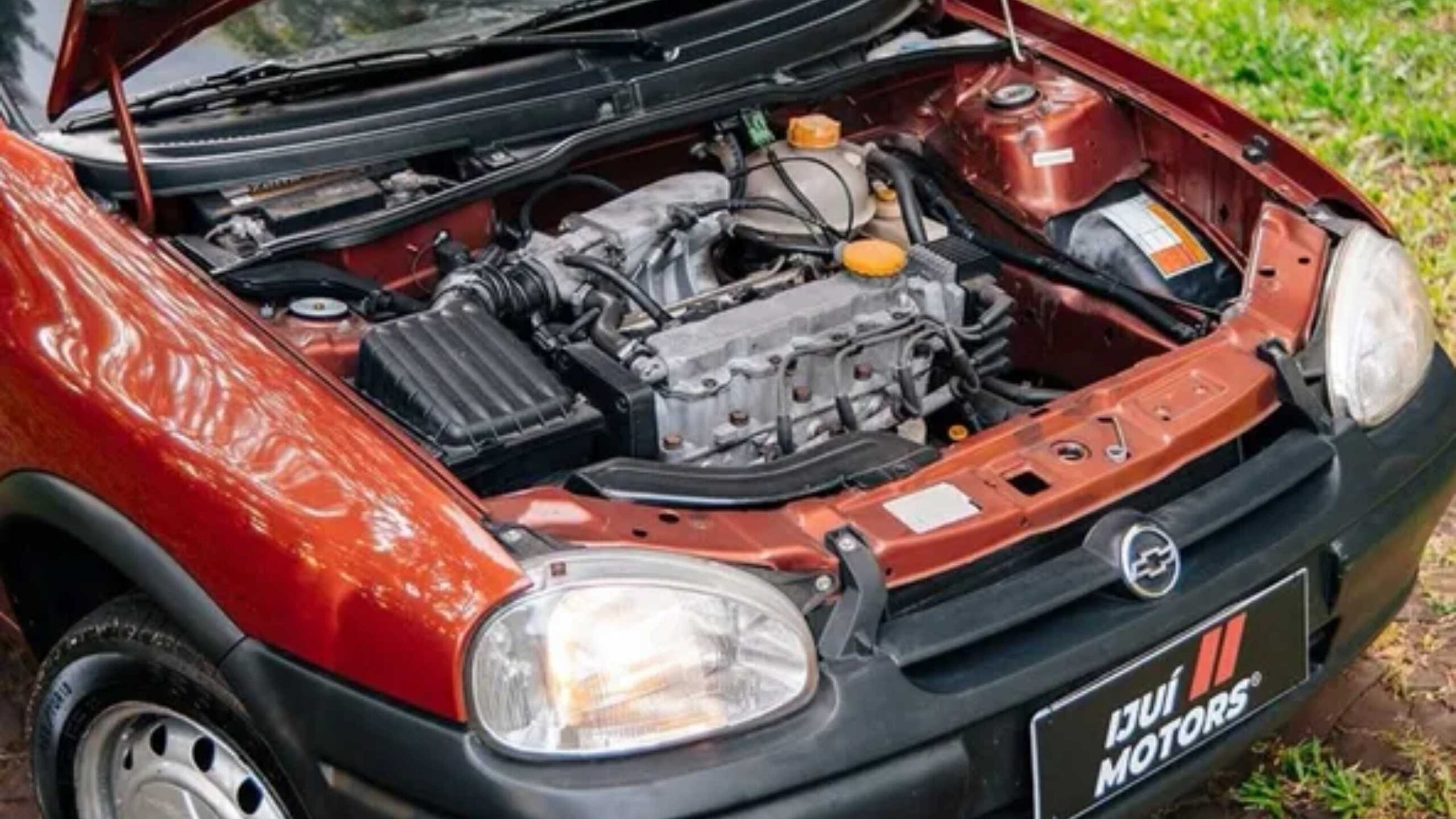
1990S Hatch Advertisement Stands Out for Low Mileage, Visual Condition, Competitive Urban Consumption, and Above-Market Average Price, and Highlights Exemption from State Tax and Original Features Preserved for Nearly Three Decades.
A 1996 Chevrolet Corsa Wind, with only 85,300 km recorded, appeared in an advertisement in Rio Grande do Sul for R$ 26,900 and caught attention for combining low mileage, visual condition, and the promise of no IPVA charge in 2026, as it falls within the exemption rules adopted in the state for vintage vehicles.
In addition to the price above the average market for the version, the car is presented with original paint in a somewhat uncommon metallic shade and preserved interior, according to the advertisement’s description.
The advertised model is a compact two-door hatch, with a 1.0 gasoline engine and five-speed manual transmission, an entry-level configuration that marked the early years of the Corsa in Brazil.
-
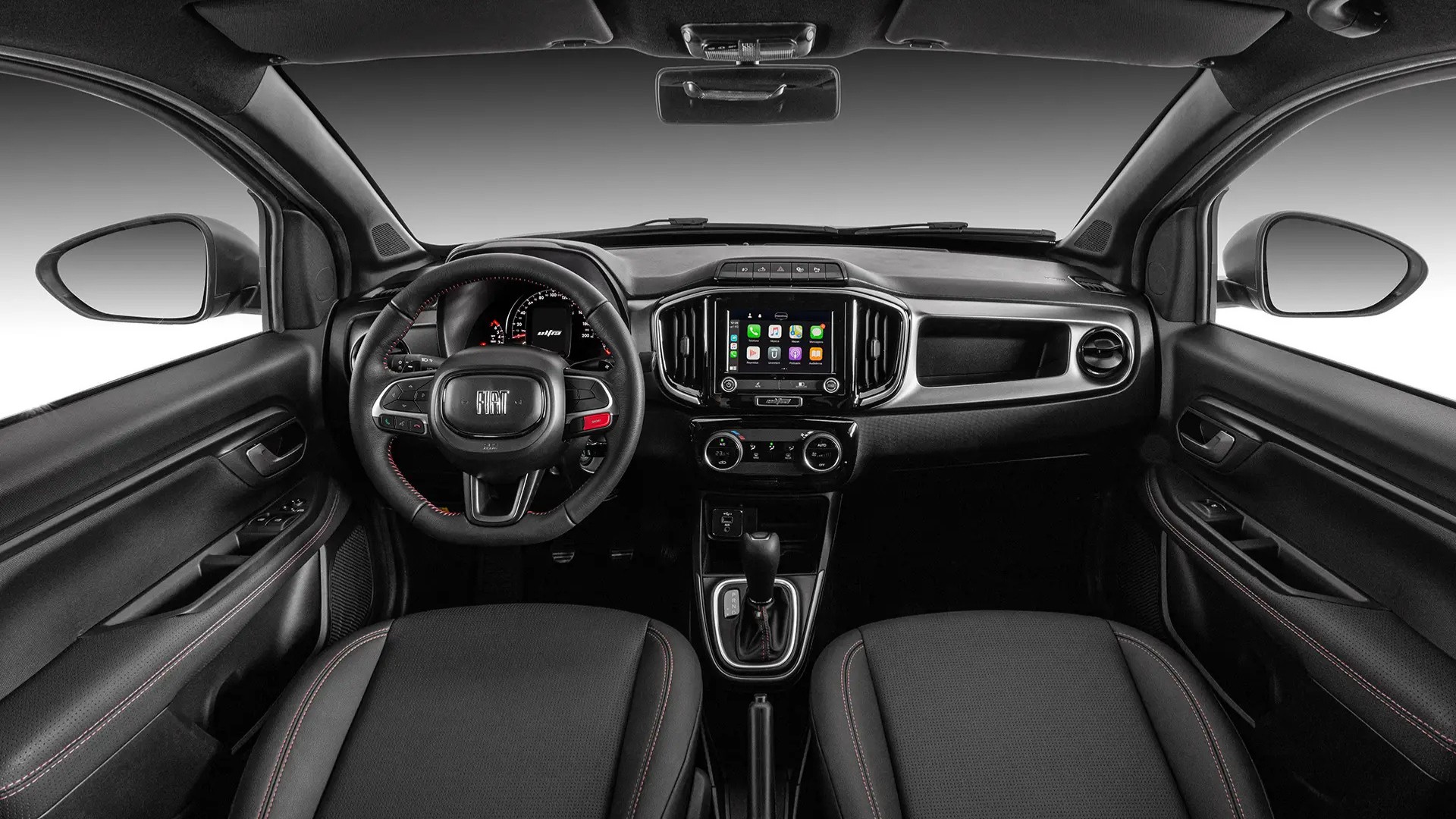
With a 1.3 engine, nearly 700 km of range, and Turbo 200, the Fiat model surpasses Polo, Tera HB20, and Onix, becoming the best-selling car in March; see the numbers for the Fiat Strada and others.
-
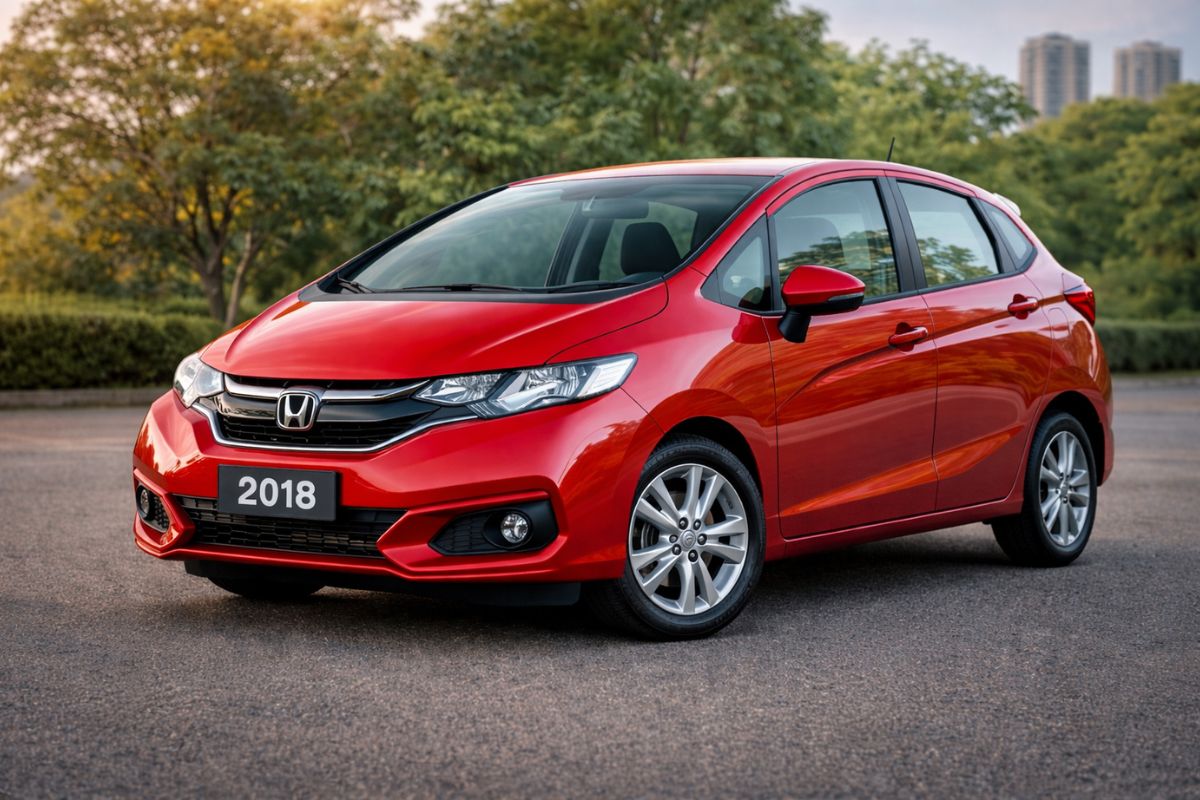
The Honda Fit has been discontinued for years, but the 2018 model is worth more today in the Fipe table than it cost brand new, proving that this used car, valued with a 1.5 i-VTEC engine and Magic Seat, only increases in price.
-
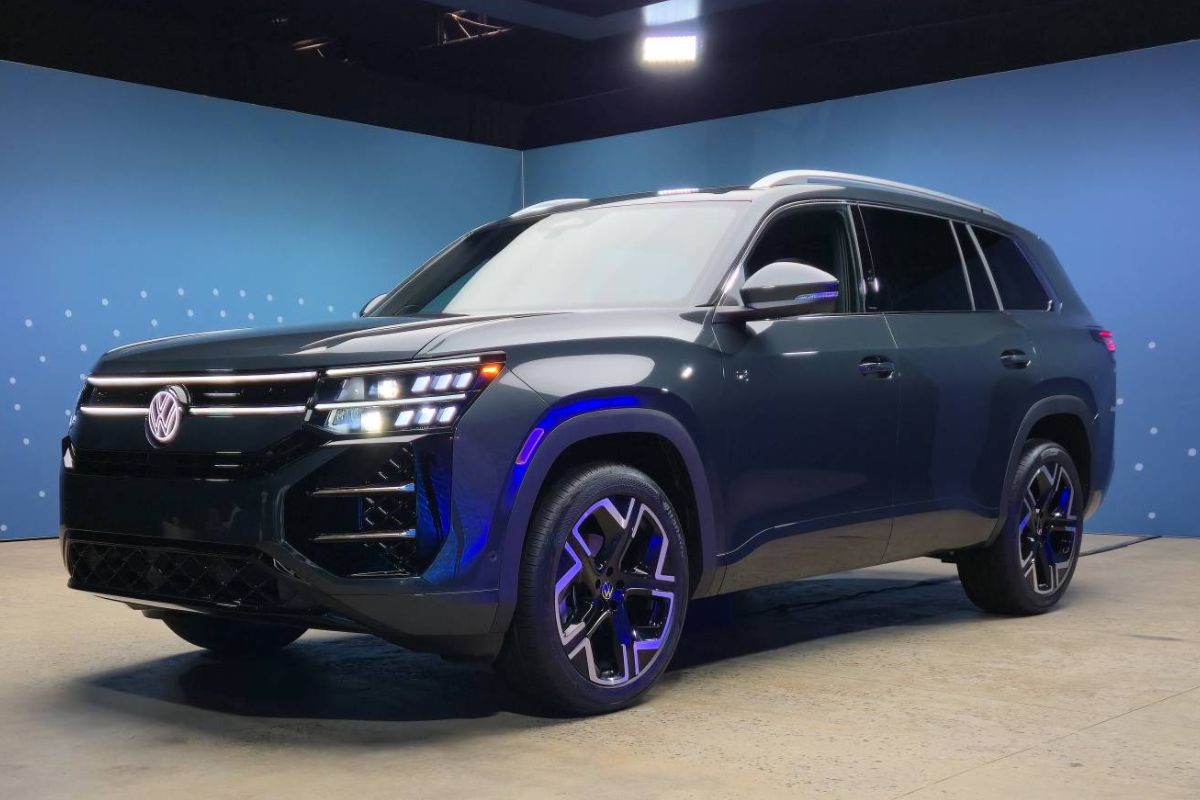
Volkswagen unveiled the 2027 Atlas with a 282-horsepower EA888 turbo engine, a 15-inch screen, massage seats, and a completely new interior to finally elevate the three-row SUV built on the MQB platform to a new level.
-
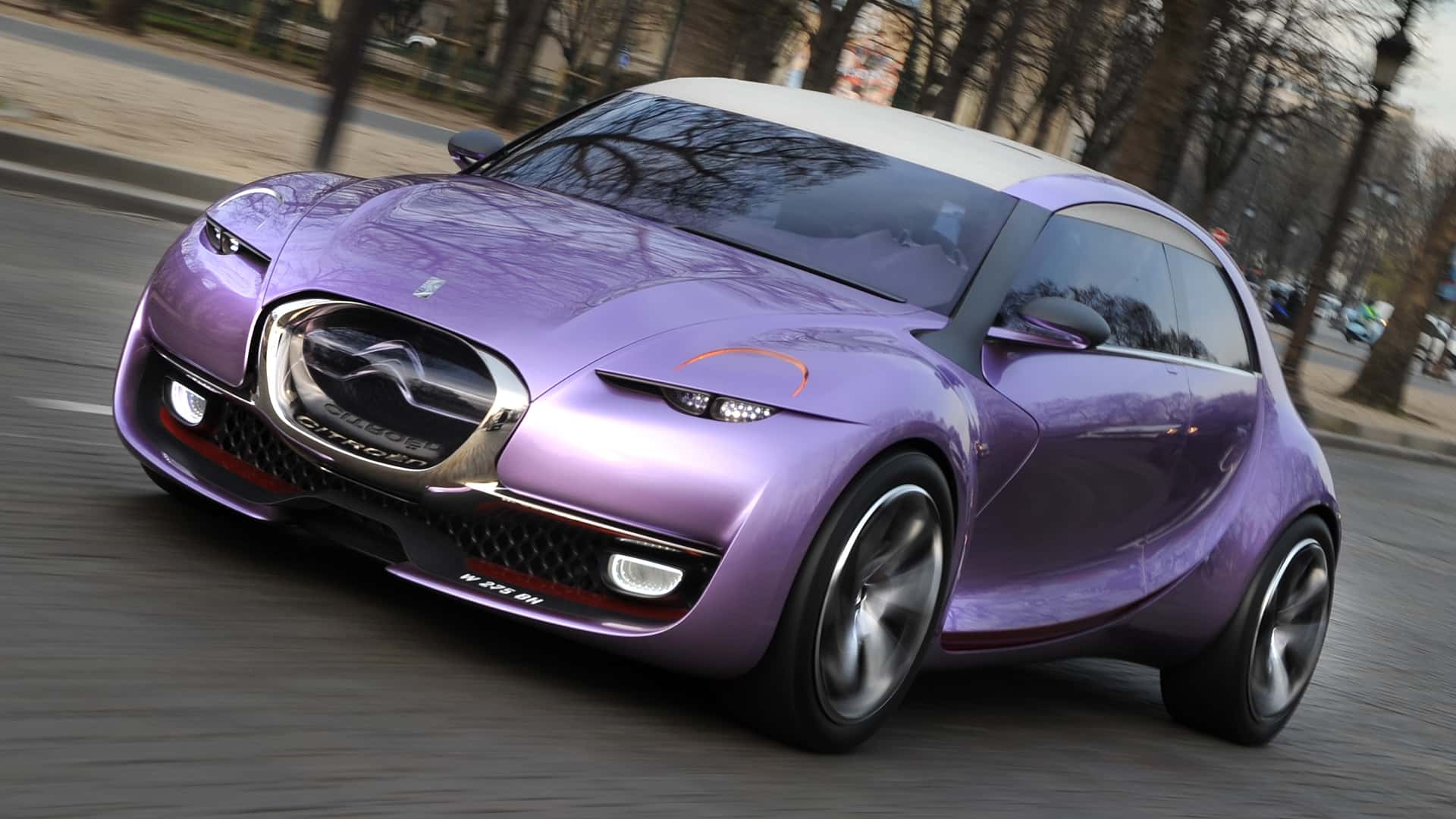
After decades out of the spotlight, Citroën is preparing to bring back the legendary 2CV as a low-cost electric vehicle, betting on the revival of one of the most popular cars in history and aiming to enter the race for affordable compact cars.

Even though it is a basic version, the offer relies on the original and low mileage combination as the main argument to justify the price.
Low Mileage and Above-Average Condition
The central point of the advertisement is the mileage.
For a car with nearly three decades of use, the 85.3 thousand km indicated is well below what is typically seen in vehicles of the same generation, helping to explain the appeal among enthusiasts and collectors of preserved popular models.

Another highlight is the color.
The paint is described as metallic Rembrandt red, and the images in the advertisement suggest good conservation of the bodywork.
Inside, the door trim and seat fabric show little fatigue, although there are no details in the available description regarding the history of maintenance, number of owners, or restoration records.
As it is a Corsa Wind, the equipment package follows the simple standard.
Items such as power windows and air conditioning are not included, which is consistent with the original proposal of the more affordable version of the line.
Origin of the Chevrolet Corsa in Brazil
The arrival of the Corsa in the Brazilian market, in 1994, occurred during a time when the entry-level category was dominated by already aging projects.
The hatch was positioned as a replacement for the Chevette as the entry-level offering from General Motors and debuted with a more modern proposal for the segment.
In comparison with direct competitors of that time, the rounded design of the body and the internal finishing, even though simple, helped to build the image of a more current car.
The project came from Europe, launched by Opel the year before, and arrived here with production in São Caetano do Sul, in the ABC region of São Paulo.
Still in that early decade, the Corsa also benefited from the advancement of technologies that were beginning to become popular in the country.
Electronic fuel injection, cited as a differentiator in that context, was already part of the technical package, while there were still competitors with older solutions in some versions.
Fuel Consumption and Urban Performance

The 1.0 gasoline Corsa from the first phase is described as having around 50 hp of power and performance focused on urban driving, with no sports intent.
What sustained its good reputation, however, was the fuel consumption, often cited as competitive for a popular compact at the time.
In the materials accompanying the advertisement, the mentioned average is 12.5 km/l in the city and 14.9 km/l on the highway.
These numbers help understand why the model became a reference among daily use cars at the end of the 1990s, when fuel economy was already a decisive variable for entry-level buyers.
Despite this, it is worth noting that consumption measurements vary according to methodology, vehicle condition, tire pressure, fuel quality, and driving style.
Nonetheless, the repetition of these values in various historical references of the model reinforces that efficiency was an important part of the Corsa’s positioning during that period.
Dimensions, Trunk, and Basis for the Celta
The hatch Corsa from that era is presented with 3.64 meters in length, 2.44 meters in wheelbase, and 260 liters of trunk space.
For an urban compact, this volume helped fulfill shopping routines and short trips, without the pretension of rivaling sedans.
The platform and proportions of the car also influenced later projects within the brand itself.
Years later, Chevrolet took a simplified derivation of the set to give rise to the Celta, which would take on the entry-level role in the early 2000s, maintaining similar dimensions and a low-cost proposal.
Price Above the Fipe and Market Analysis

The advertisement for R$ 26,900 draws attention primarily when compared to the market reference.
For the Corsa Wind 1.0 1996, the Fipe Table indicates R$ 10,063 for the reference month disclosed for the model.
The gap between the two values is significant, but not uncommon in vintage cars when the offer attempts to price factors that Fipe does not directly measure, such as originality, usage history, conservation level, and verifiable low mileage.
At the same time, this type of pricing tends to be more accepted when the vehicle has consistent documentation, detailed photos, and, especially, reports confirming the originality of the paint and structural integrity.
Without these guarantees, the buyer tends to use Fipe as a starting point for negotiation, even if acknowledging the overall condition differential.
IPVA Exemption in 2026 in Rio Grande do Sul
In addition to conservation, the advertisement explores a financial argument: the absence of IPVA in 2026.
In Rio Grande do Sul, the exemption rule for vintage vehicles is one of the factors that make cars over 20 years old more attractive to part of the public, especially when combined with the lower acquisition cost compared to newer models.
In official statements regarding IPVA 2026 in the state, the state administration reported that there were no changes in the exemption criteria related to manufacturing age.
In practice, this maintains the understanding that vehicles older than 20 years remain exempt from the charge, which includes a car manufactured in 1996.
Even with the tax exemption, the owner still needs to observe other obligations associated with regular circulation, such as licensing and possible fees, in addition to keeping the vehicle in safe conditions and compliance with traffic regulations.
With a popular car from the 1990s advertised for the price of a much newer vehicle, this case exposes a frequent trend in the vintage market: how much does it really cost to combine originality, low mileage, and preservation in a model designed to be affordable?







-

Uma pessoa reagiu a isso.