





 Portuguese
  English
  Spanish
  4 min of reading
  0 comments


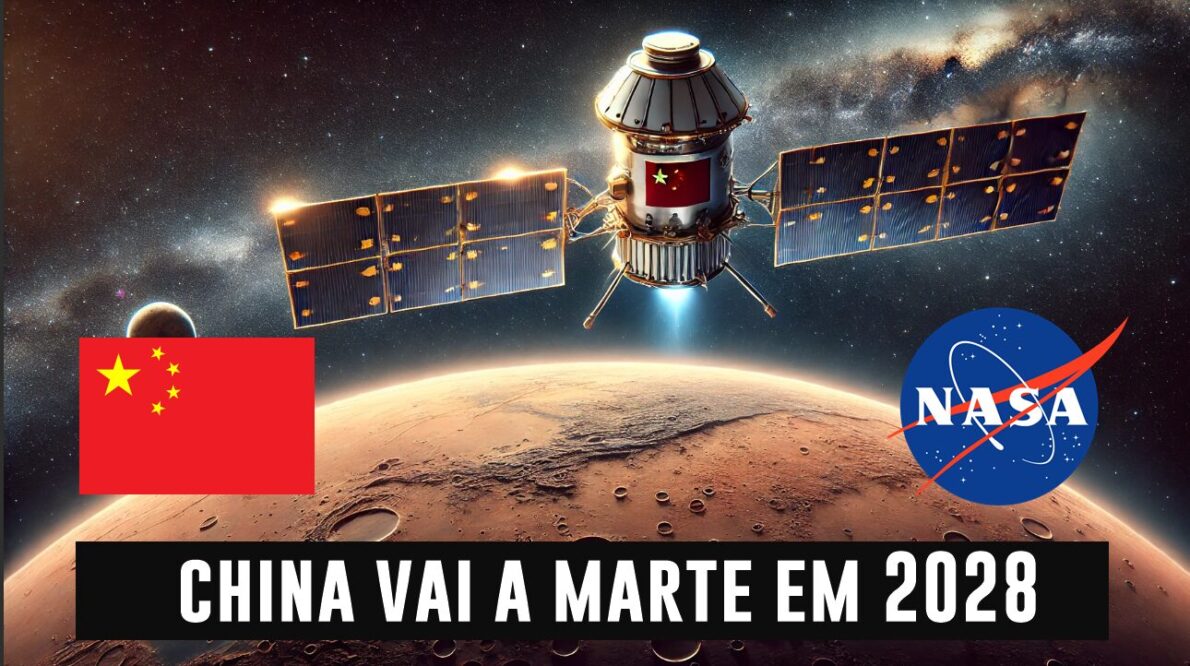
China Surprises The World By Advancing Its Historic Mars Mission By Two Years, Leaving NASA Behind And Taking The Lead In The Space Race Toward The Red Planet.
While NASA struggles with delays, China announced that it will advance the launch of its Tianwen-3 mission to Mars to 2028, in a move that could solidify its Chinese leadership in the space race.
The decision was communicated at the Second International Conference on Deep Space Exploration, held in Huangshan, Anhui province, and marks a significant change from the original plan, which anticipated the start of the mission in 2030.
This advancement puts China on track to bring Martian soil samples back to Earth before its main competitors, particularly the United States, whose similar NASA program is facing significant delays.
-
China creates hypersonic engine that can make planes and missiles fly more than 6 times the speed of sound with less weight, more range, and without system change.

-
Mysterious object on Mars divides NASA and Harvard after Curiosity image reignites suspicions about what was really found on the planet.
-
Giant structures 14 meters beneath Egypt are revealed by satellites and expose a millennia-old secret buried in Buto.
-
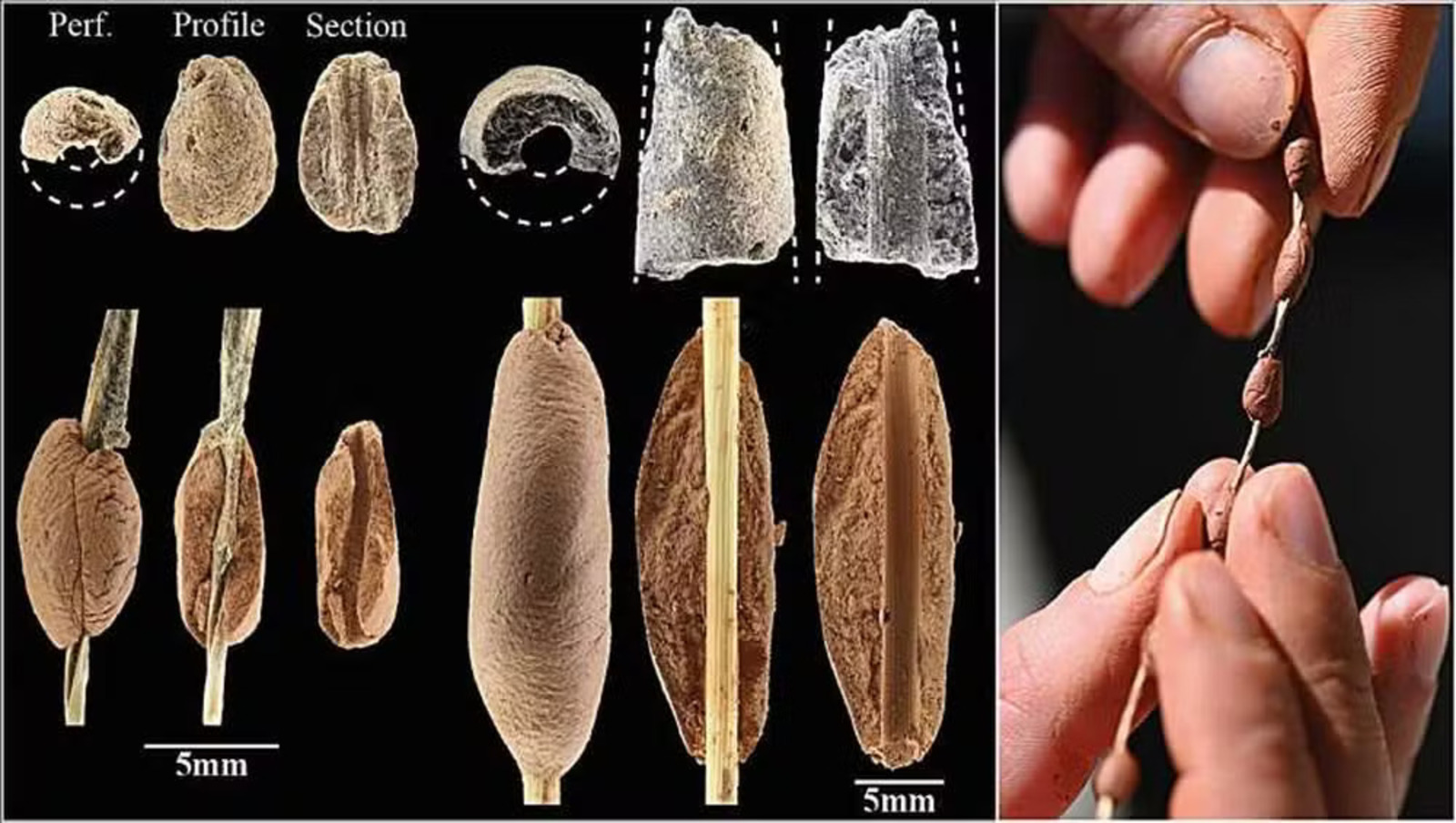
Children have been making clay pieces for 15,000 years in Southwest Asia, and fingerprints preserved on 142 ornaments helped archaeologists prove this.

Liu Jizhong, the chief designer of the mission, emphasized during the conference that the goal is to return to Earth with approximately 600 grams of Martian soil samples.
If successful, the Tianwen-3 mission would return with these samples in July 2031, two years earlier than the previous forecast in a major act in the space race.
This advancement demonstrates China’s confidence in its technology and infrastructure to tackle the complex challenge of exploring, collecting, and returning material from Mars.
A Step Ahead In The Space Race
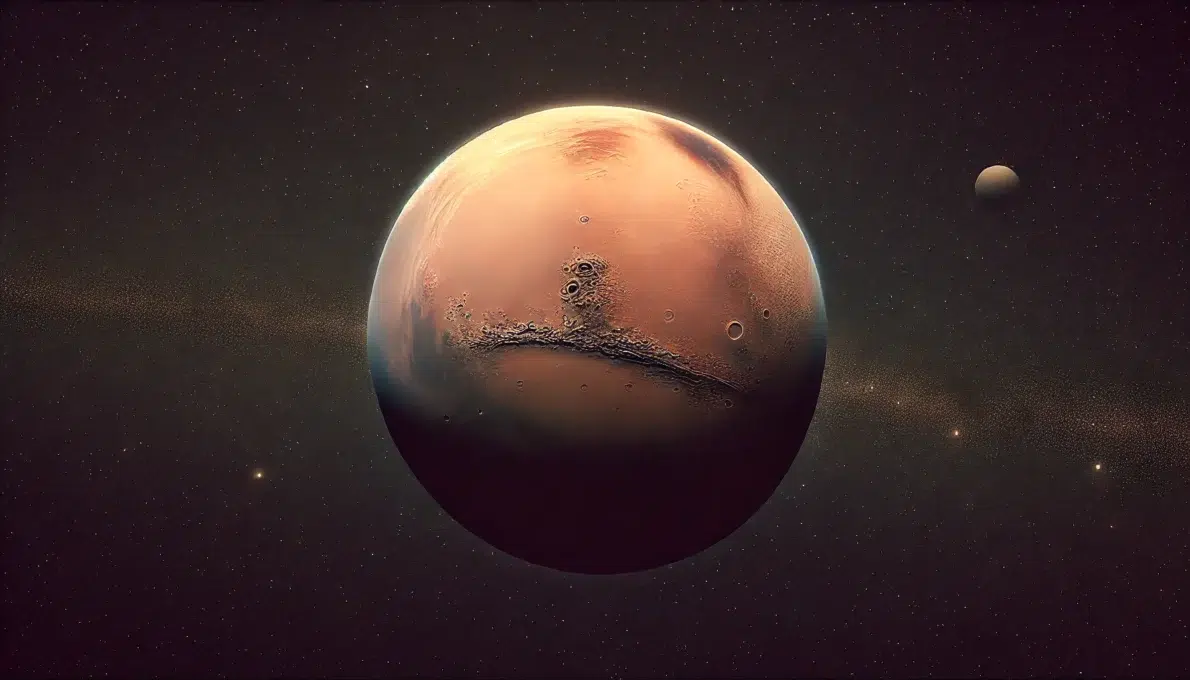
The new Chinese launch date puts pressure on NASA, which has been working for years on its own Mars sample return mission. However, the U.S. plan faces growing obstacles.
NASA’s mission, initially expected to be carried out in cooperation with the European Space Agency (ESA), may now be delayed until after 2040 due to budget cuts and technical issues. This scenario opens a window of opportunity for China to establish itself as a global leader in space exploration.
Namrata Goswami, a space policy researcher at Arizona State University, points out that any country that successfully completes a Mars sample return mission will assume a prominent position on the international stage.
Furthermore, the technology developed for this mission will be crucial for future space endeavors, including the potential colonization of the Red Planet.
Technological Advancements And International Cooperation
The Tianwen-3 mission stands out from other space initiatives due to its scope and technical capability. The plan includes the use of multiple methods for excavating Martian soil, including deep drilling and rover sampling, contrasting with what NASA has been doing with the Perseverance Rover, which has been exploring the Jezero crater since 2021.
China’s diverse sample collection approach may yield broader and varied data about Mars, increasing the scientific value of the mission.
Another important aspect is the space reserved for international cooperation. The Tianwen-3 orbiter will have 25 kilograms available for payloads from other countries, a sign that China is open to collaborating with the global community.
This decision could strengthen international alliances and reinforce China’s image as a collaborative power in the space race.
The Future Of Martian Exploration
The success of the Tianwen-3 mission would not only represent a historic milestone for China but could also accelerate other aspects of its ambitious space program. The country plans to send humans to Mars by 2045, with the construction of a potential research base on the planet.
Additionally, the mission will seek signs of life on Mars and ensure that the collected samples follow strict planetary protection protocols to avoid cross-contamination.
Meanwhile, NASA faces a period of uncertainty. With the Mars sample return mission possibly delayed by nearly a decade, the agency is seeking new solutions to cut costs and speed up the process.
The competition between the two space superpowers is evident, and the unfolding of the next few years will be crucial in determining who will take the lead in Mars exploration.
Other Competitors On The Horizon
In addition to China and the United States, other countries are also preparing their own missions to Mars. India, which already has a respectable history in space exploration with its Mangalyaan orbiter, is developing a new mission to the planet.
The European Space Agency (ESA) is also involved in various initiatives, including collaboration with NASA.
As the space race heats up, the coming years promise to be decisive for the future of exploration on the Red Planet. If China manages to meet its schedule, it could emerge as the new leader in the field of interplanetary exploration, reconfiguring the balance of power in space.








Seja o primeiro a reagir!