





 Portuguese
  English
  Spanish
  6 min of reading
  0 comments


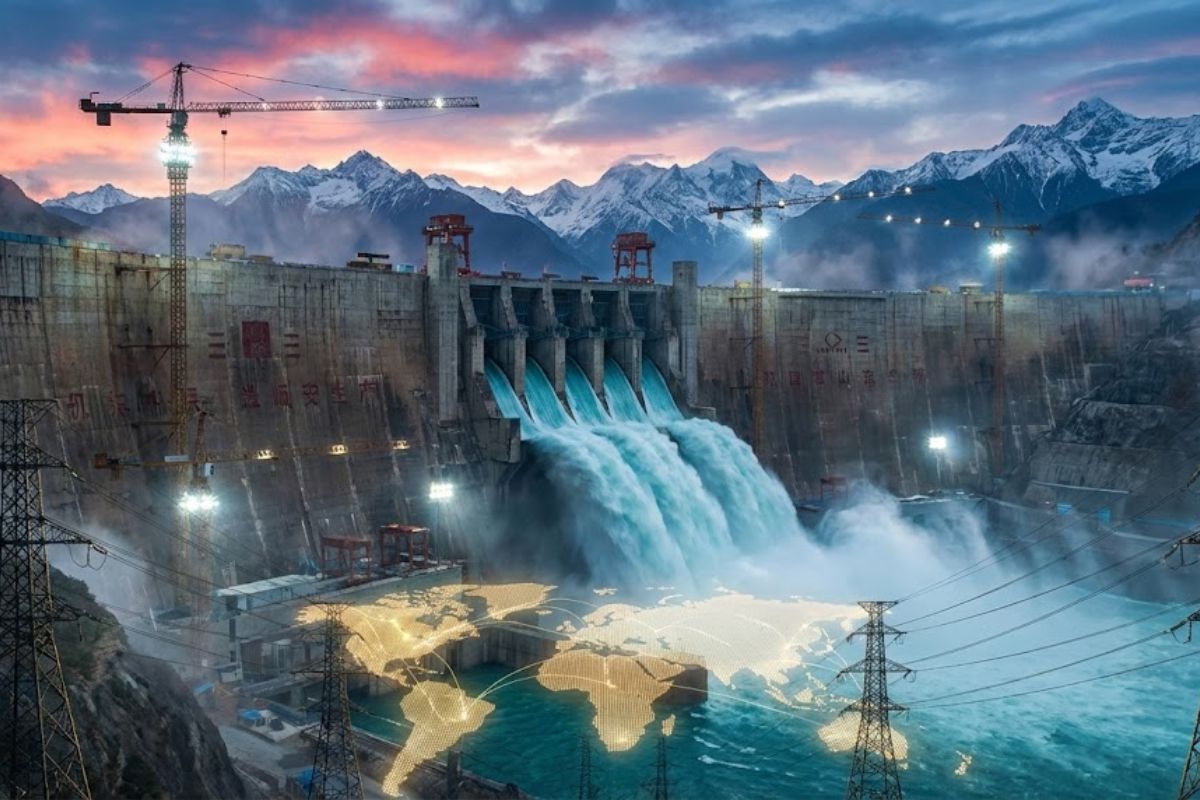
The Largest Hydroelectric Power Plant on the Planet, Planned by China in Tibet, Promises to Generate up to 70 Gigawatts on the Yarlung Tsangpo River, Mobilize R$ 933 Billion in Construction, Alter Strategic Water Flows, and Rekindle Environmental and Geopolitical Tensions with Neighboring Countries, Especially India, and Challenge Engineering in a High-Altitude Region.
China has started construction on what it aims to be the largest hydroelectric power plant on the planet on the lower stretch of the Yarlung Tsangpo River in southeastern Tibet. The mega-project, estimated at 1.2 trillion yuan (around US$ 167 billion and R$ 933 billion), is led by the China Yajiang Group, created specifically to bring the plant from concept to reality and harness the immense generation potential of this high-fall river.
The new structure is expected to form a chain of five cascading dams in the Nyingchi region, with a projected capacity of up to 70 gigawatts of electricity, surpassing the Three Gorges Dam and consolidating China as a global player in mega energy infrastructures. Located in Tibet and built on the extreme gradient of the Yarlung Tsangpo River, the plant could reshape the energy and diplomatic landscape of Asia.
Where the Project Originates and Why It Is Strategic for China
The hydroelectric complex is being implemented on a stretch of the Yarlung Tsangpo River where the watercourse plunges about 2,000 meters over approximately 50 kilometers of canyon.
-
Scientists transform sawdust into fire-resistant panels, stabilize the compound with an enzyme extracted from watermelon seeds, and turn waste into promising material for construction.

-
Forget concrete: architects are replacing tons of concrete with giant blocks of expanded polystyrene to build the roofs of houses and reduce structural weight by up to 50%, cut costs, improve thermal insulation, and speed up construction.

-
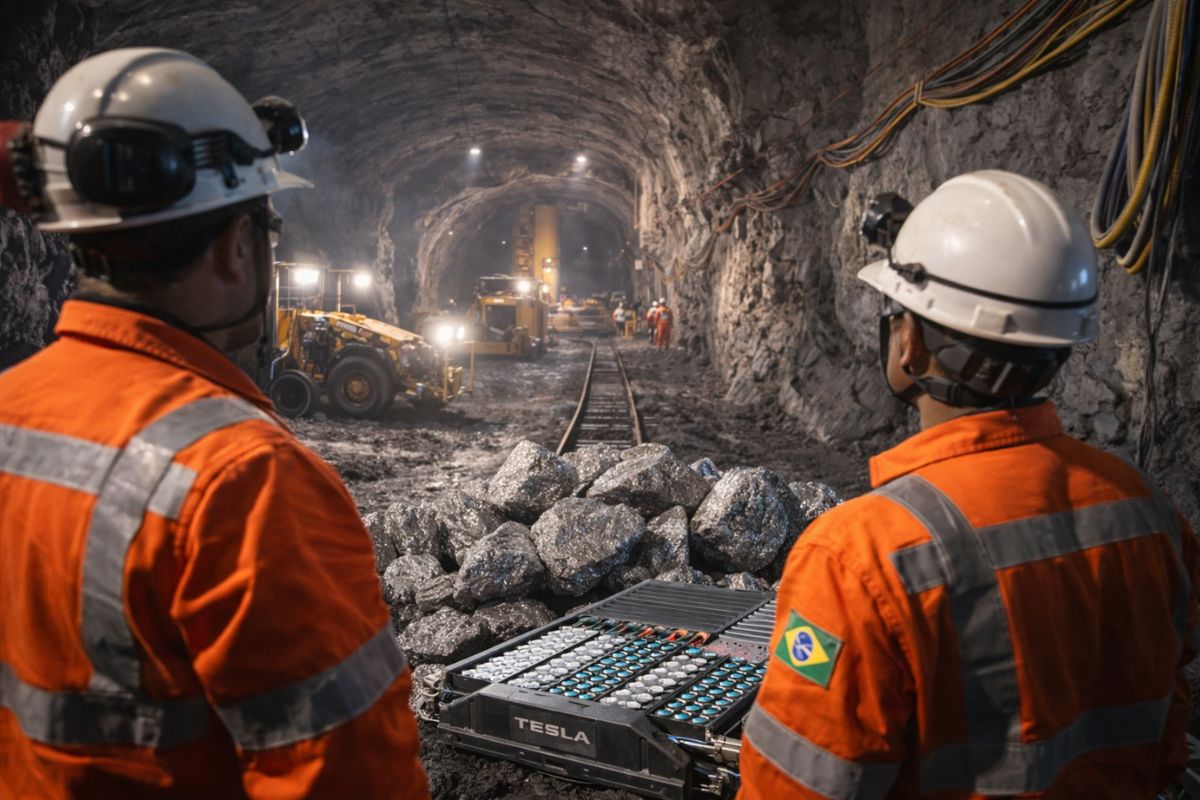
The Brazilian state enters the center of the global race for critical minerals by starting the construction of the largest underground nickel mine in Latin America, a mineral essential for electric car batteries that the entire world is competing for at this moment.
-
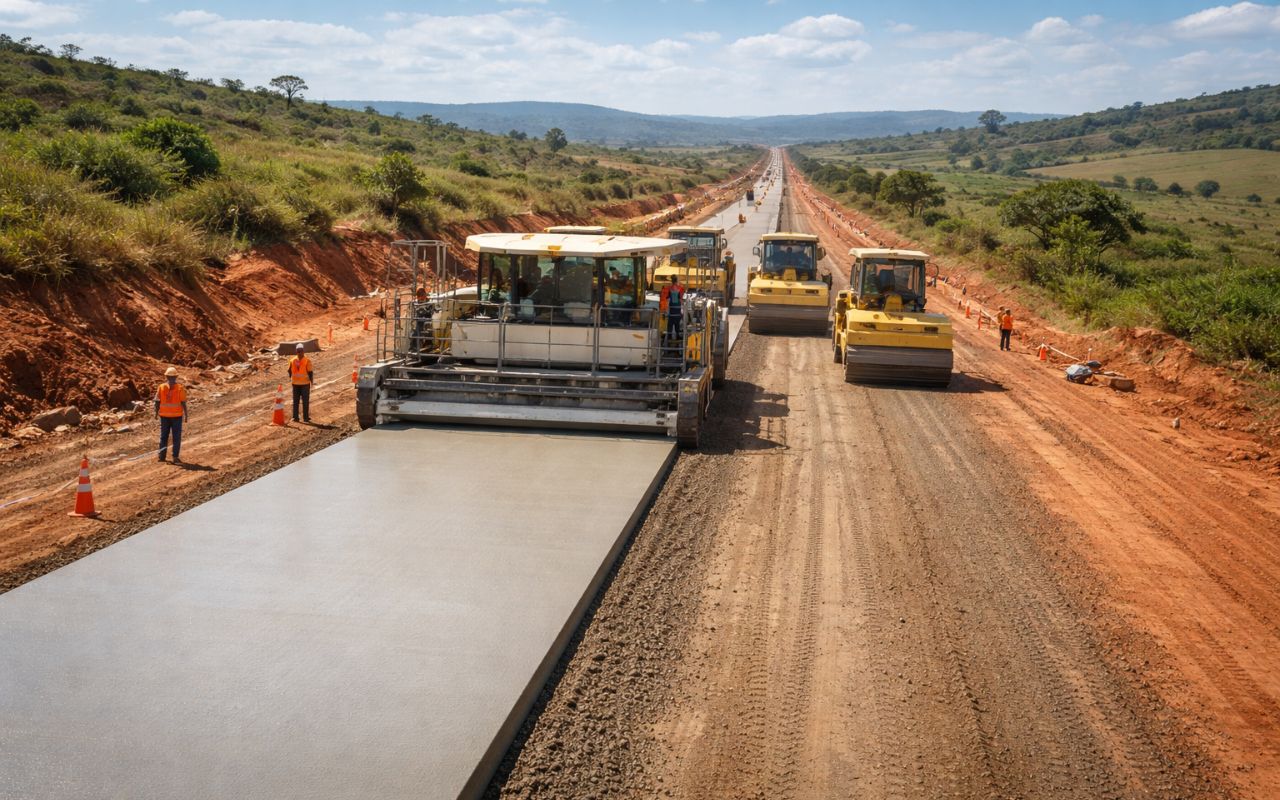
New CCR concrete paving technology promises roads up to 3x more durable, less maintenance, and cost reduction in Brazil.

This scenario creates one of the largest concentrated hydroelectric potentials on the planet, which explains China’s interest in building the largest hydroelectric power plant there.
To make the venture feasible, Beijing has structured the China Yajiang Group as the company responsible for coordinating the construction of the five cascade plants in the Nyingchi area of Tibet.
The goal is to transform this stretch of the Yarlung Tsangpo River into a generation hub that will supply both the Tibetan autonomous region and, primarily, industrial centers in eastern China, integrating the production of 70 gigawatts into the national transmission grid.
From a strategic perspective, the project fits into China’s policy of increasing the share of renewable energy, reducing the use of fossil fuels, and supporting economic reactivation plans through large infrastructure projects.
Why India Monitors Every Move of the Largest Hydroelectric Power Plant on the Planet
The same geography that favors the construction of the largest hydroelectric power plant on the planet also raises concerns for India.
The Yarlung Tsangpo River crosses a sensitive territorial dispute area between the two countries, especially in the Arunachal Pradesh region.
Any significant alteration in the river’s flow could affect water supply in Indian territory, with repercussions on agriculture, electricity generation, and human consumption.
Officially, China claims it aims to avoid severe impacts on the Indian side, but so far, it has not disclosed sufficient technical details on how it will manage flow in scenarios of flooding, drought, or maximum plant operation.
The lack of transparency increases uncertainties in New Delhi and places the project at the center of a diplomatic landscape already marked by border disputes and mutual distrust.
For India, the fact that the largest hydroelectric power plant on the planet is being built in Tibet, dominating a crucial stretch of the Yarlung Tsangpo River, means that China will have even more capacity to influence water resources considered strategic for its national security.
Environmental Risks in the Most Sensitive Canyon of Tibet
The location chosen in Tibet is recognized by ecologists as an area of high environmental sensitivity and great biodiversity, with high-altitude ecosystems and endemic species adapted to very specific conditions of flow, temperature, and water quality.
Altering the course of the Yarlung Tsangpo River to power the largest hydroelectric power plant on the planet could cause irreversible impacts.
Experts warn of risks such as:
Loss of habitats for endemic and endangered species due to flooding of natural areas and fragmentation of environments;
Drastic alteration of the river’s natural flow, affecting aquatic fauna and ecological processes over dozens of kilometers;
Possible microclimatic changes and cumulative impacts on forests, soils, and natural reserves in the region.
Although the official discourse emphasizes that China seeks clean energy by investing in 70 gigawatts of hydroelectric power in Tibet, the scale of the project demands robust environmental mitigation plans, which have not yet been detailed to the same extent as the announcement of the works.
Extreme Logistics to Build a Plant of This Scale
Building the largest hydroelectric power plant on the planet in a mountainous and remote region of Tibet imposes considerable logistical challenges.
The transportation of heavy equipment, supplies, and personnel to the stretch of the Yarlung Tsangpo River requires adapted roads, tunnels, bridges, and support from construction bases in areas of difficult access and harsh weather.
Each dam of the cascade will require sophisticated engineering solutions to handle the steep terrain, water volume, and structural stability.
In addition to civil works, high-capacity transmission lines will need to be installed to carry the approximately 70 gigawatts of installed power to the main consumer centers, traversing long distances within Chinese territory.
This combination of altitude, rugged terrain, and the project’s magnitude makes the schedule sensitive to delays, additional costs, and operational risks, reinforcing the need for detailed planning at all stages.
Expected Economic and Energy Benefits for China
From the Chinese perspective, the official discourse emphasizes that the largest hydroelectric power plant on the planet in Tibet will be a pillar of the energy transition and supply security.
With an estimated capacity of 70 gigawatts and projected annual production of about 300 billion kWh, the complex could reduce the demand for coal-fired thermal power plants and support industrial growth with base energy.
The investment of over 1 trillion yuan is presented as a driver for job creation, regional infrastructure development, and strengthening the local economy of Tibet, which has traditionally been less integrated with major Chinese hubs.
At the same time, the project reinforces China’s weight as a power in large-scale renewable energy, accelerating the exploration of the hydroelectric potential of the Tibetan plateau.
Internationally, an undertaking of this magnitude helps Beijing sustain its narrative of leadership in clean energy projects, even in the face of environmental criticism and tensions with India.
What to Monitor Going Forward
In the coming years, the progress of works in Tibet and technical decisions regarding the operation of the largest hydroelectric power plant on the Yarlung Tsangpo River will be decisive in measuring the real impact of the project.
Key points include the transparency of environmental studies, the definition of flow rules, and how China will communicate with India regarding water security.
For experts, governments, and society, it is worthwhile to closely monitor: independent environmental reports, diplomatic negotiations between China and India, updates on the final capacity of 70 gigawatts, and any project changes that may further affect the Yarlung Tsangpo River basin.
If you’re interested in energy, climate, and geopolitics, the best path is to closely follow official data, technical analyses, and satellite images that help understand how this project in Tibet can reshape not only the Chinese electrical system but also the water and political balance across the entire Asian region.








-

-

-

3 pessoas reagiram a isso.