





 Portuguese
  English
  Spanish
  4 min of reading
  0 comments


China Launches 10-Year Plan for a Multipolar World and Creates OCX Bank Inspired by BRICS, Strengthening Alliances Against U.S. Tariffs and Expanding Global Cooperation.
China reinforced its role as a global power this week by announcing, during the Shanghai Cooperation Organization (OCX) Summit, a ten-year development plan aimed at building a multipolar world. The conference was held in Tianjin, a port city in the north of the country, gathering heads of state and foreign ministers from over twenty nations.
The final document outlines guidelines aimed at reducing dependence on traditional organizations led by Western countries, such as the IMF and World Bank, and expanding cooperation in strategic areas such as energy, trade, technological innovation, and regional security. According to Chinese Foreign Minister Wang Yi, the initiative seeks “a fairer balance of power, where no power unilaterally imposes its rules on others.”
OCX Bank: An Alternative to the Western Financial Model
Among the approved measures, the most symbolic was the creation of the OCX Development Bank, a multilateral institution aimed at financing infrastructure projects, digitalization, green industry, and energy integration among member countries.
-
USA and China compete for Brazil over resources that could be worth trillions — rare earths put the country at the center of a global dispute

-
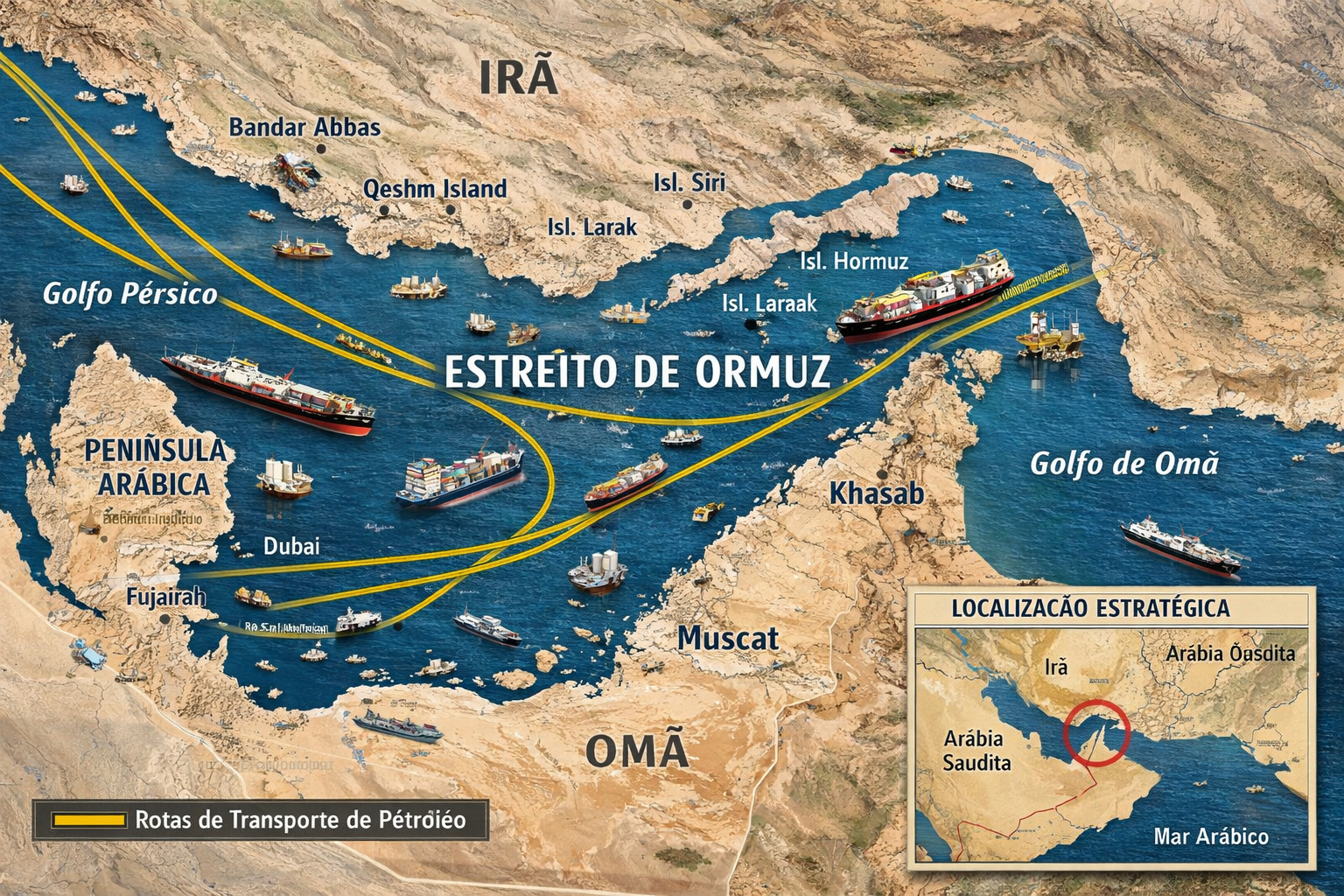
Global summit with over 40 countries pressures Iran for a blockade in the Strait of Hormuz and warns of direct impact on oil, food, and the global economy.
-
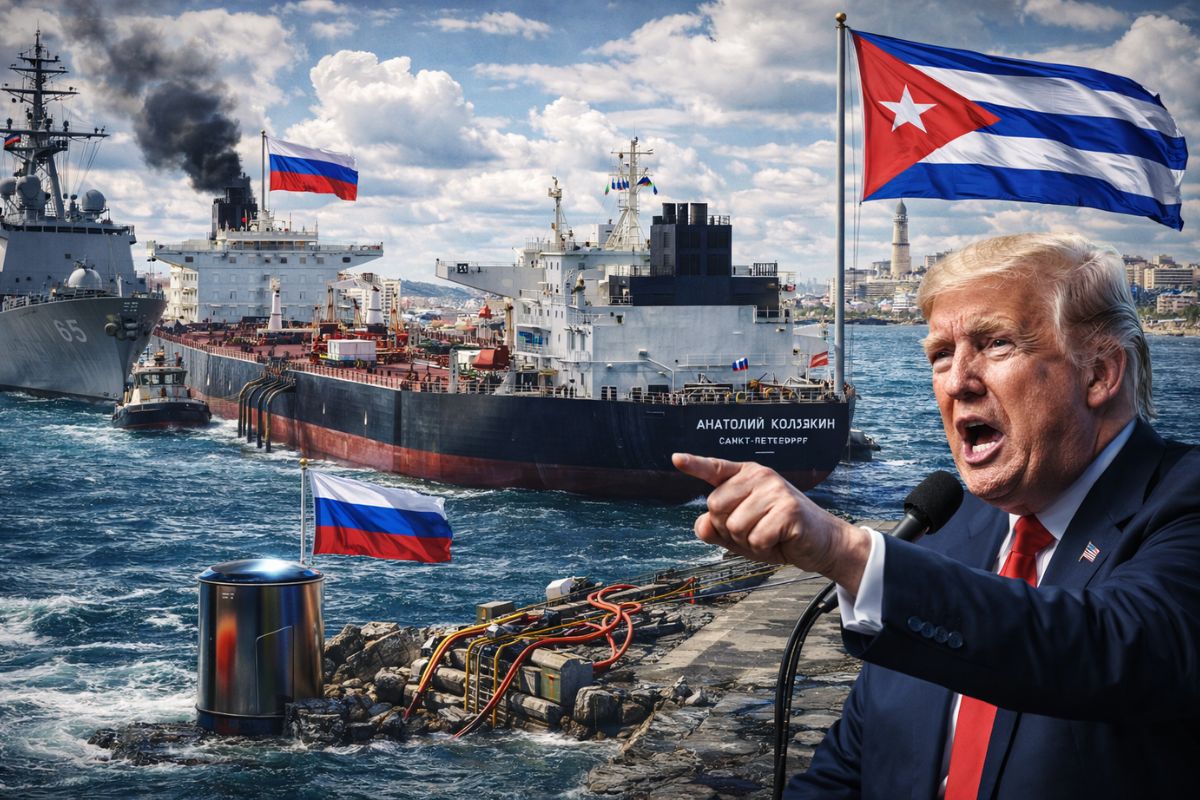
Russia has broken the U.S. maritime blockade to send oil to Cuba and is now loading a second ship while Trump says that “Cuba is next” in a possible military action against the island.
-
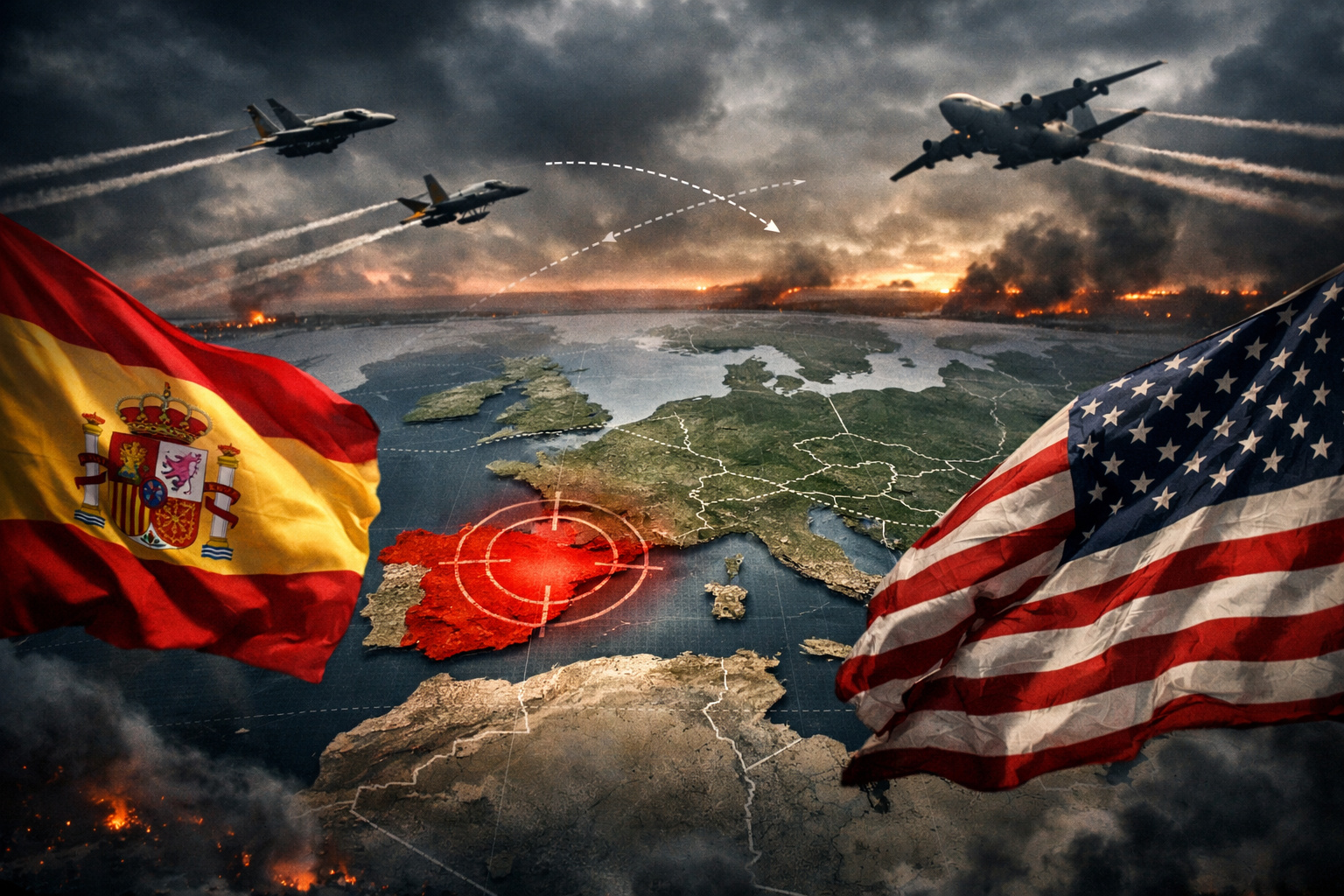
Spain challenges the USA and closes its airspace for operations against Iran, raising global tension and provoking the threat of a trade rupture.

The new bank follows the model of the New Development Bank (NDB), the BRICS Bank, created in 2014 and currently headed by former Brazilian president Dilma Rousseff. The parallel is inevitable: just as the NDB expanded the financial negotiation margin for emerging countries, the OCX Bank aims to offer credit and financing lines without the harsh conditions imposed by Washington or Brussels.
This movement highlights the Chinese strategy of shaping a parallel power architecture, anchored not only in trade but also in financial institutions that consolidate the independence of the Eurasian bloc.
Expansion of OCX and New Structures
During the summit, leaders approved an important institutional reform. The old categories of “observer country” and “dialogue partner” were merged into a single status: OCX Partner. With the entry of Laos, the organization now comprises 27 countries, becoming one of the largest active multilateral forums.
Four security centers and six practical cooperation platforms were also created, focusing on areas such as artificial intelligence, digital economy, green industry, and scientific innovation. These hubs are expected to act as convergence points between governments, businesses, and universities.
Context of Trade Tensions
The announcement comes amid a backdrop of rising tensions between the United States and several of its trading partners. Recently, Donald Trump’s government imposed a 50% tariff on Brazilian products, directly affecting exporters of agricultural and industrial commodities.
The measure provoked protests from the Brazilian government, which brought the matter to the World Trade Organization (WTO). Washington agreed to open consultations with Brasília in August, but so far there are no signs of tariff flexibility.
The OCX, in its final statement, advocated for the preservation of the WTO’s multilateral rules and condemned “unilateral actions that distort international trade.” The positioning echoes the Chinese discourse that the United States is undermining global economic stability through protectionist and isolationist measures.
From Security Forum to Economic Hub
Founded in the early 2000s, the Shanghai Cooperation Organization initially aimed to coordinate on regional security issues, especially in combatting terrorism and transnational trafficking. Over time, economic matters gained increasing weight, reflecting China’s rise as a global exporting and investing power.
Today, the OCX gathers countries that account for a significant portion of the world’s population and a relevant share of global trade. The transformation into a forum also focused on economic development reinforces the attempt to position itself as an alternative to the traditional axis represented by the European Union, the United States, and Japan.
Impacts for Brazil
Although Brazil is not part of the OCX, the connection with BRICS and the creation of institutions similar to the NDB can open new doors. By aligning with initiatives like this, the country strengthens its position in a multipolar world, where multiple power centers vie for space and influence.
Experts believe that, amid high tariffs imposed by the U.S., rapprochement with the OCX could generate commercial and financial opportunities. Investments in infrastructure and partnerships in the energy sector, for example, could be stimulated by the new bank’s actions.
Strategic Sectors of the Decadal Plan
The ten-year plan approved in Tianjin is not limited to financial matters. It includes targets in four areas considered crucial:
- Energy: Encouragement of joint projects for oil, natural gas, and renewable energy exploration
- Green Industry: Financing initiatives that reduce emissions and modernize industrial production
- Digital Economy: Stimulating market integration through digital platforms and e-commerce
- Artificial Intelligence and Technology: Cooperation in research, innovation, and development of AI solutions
These priorities align with China’s effort to lead the global technological transition, reducing its dependence on Western markets and promoting its own standards.
Path to Multipolarity
The meeting in Tianjin marks a decisive step in China’s attempt to consolidate its vision of a multipolar world, where emerging powers share power and influence more equitably.
Even though practical results depend on the execution of projects and cohesion among OCX members, the announcement of a decadal plan and the creation of its own bank signal that the Chinese strategy is long-term.
For the United States, the message is clear: China is not only reacting to tariffs and pressures but also drawing institutional and financial alternatives capable of challenging the existing global order.








-

Uma pessoa reagiu a isso.