





 Portuguese
  English
  Spanish
  4 min of reading
  0 comments


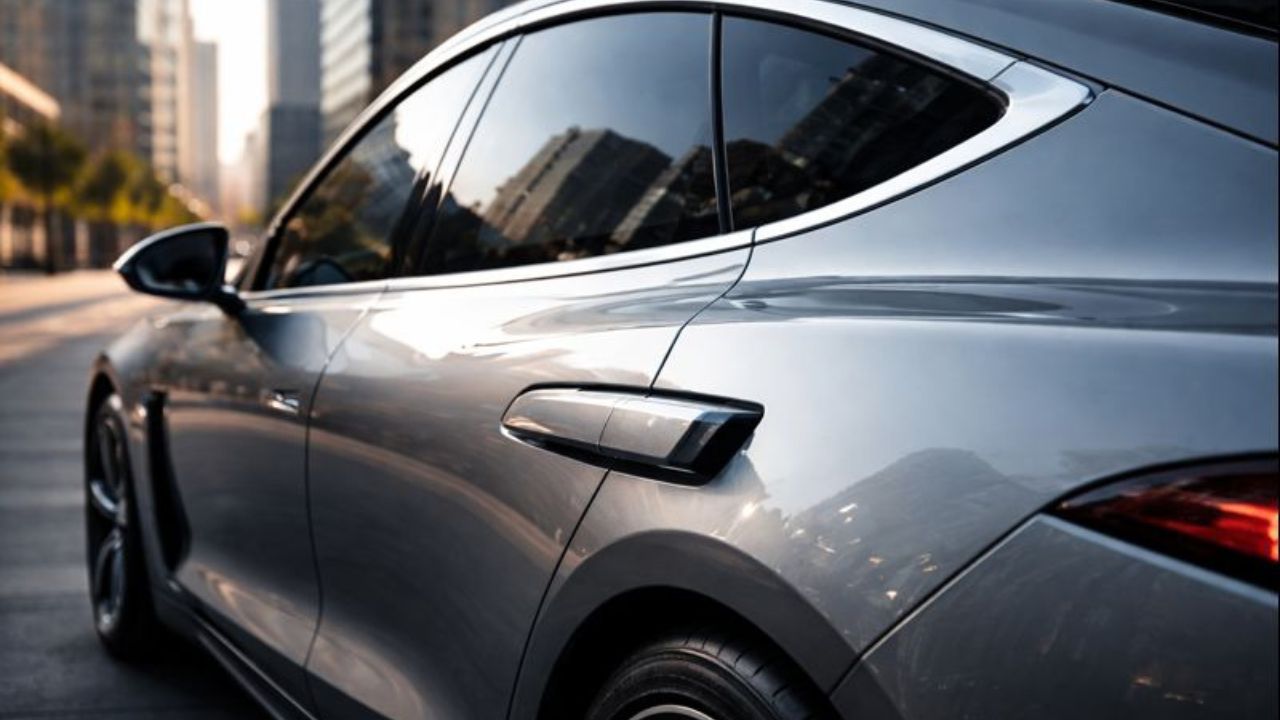
Retractable Door Handle to Be Banned in China in 2027 After Accidents. Measure May Force Changes in Electric Cars Sold in Brazil.
The retractable door handle used in electric and hybrid cars will no longer be allowed in China starting January 1, 2027. The decision was made by the Ministry of Industry and Information Technology and affects vehicles weighing up to 3.5 tons.
The goal is to enhance the safety of occupants and facilitate rescue in accidents, fires, or electrical failures.
Although the rule applies only to the Chinese market, experts believe it will influence global manufacturing and cause changes in models sold in Brazil as well.
-
BYD Dolphin 2027 gains more power, increases in size, changes interior, and abandons controversial feature to face new competition in Brazil.

-
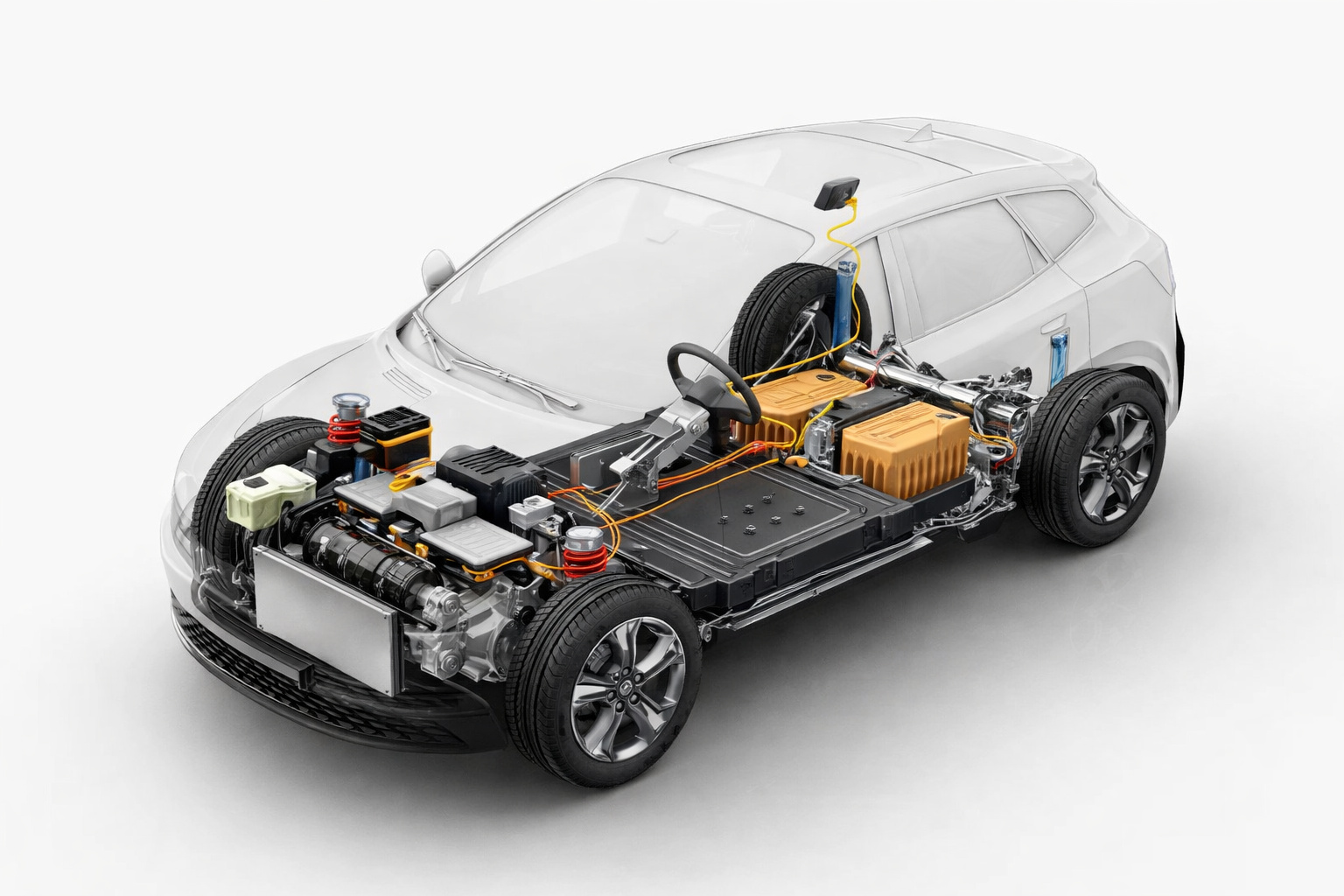
The German economist Wolf-Peter Schill has no doubts: “Electric cars are already far superior to cars with internal combustion engines.”

-
Largest public charging network in Brazil: BYD reaches 125 fast chargers and accelerates national expansion of electric mobility.

-
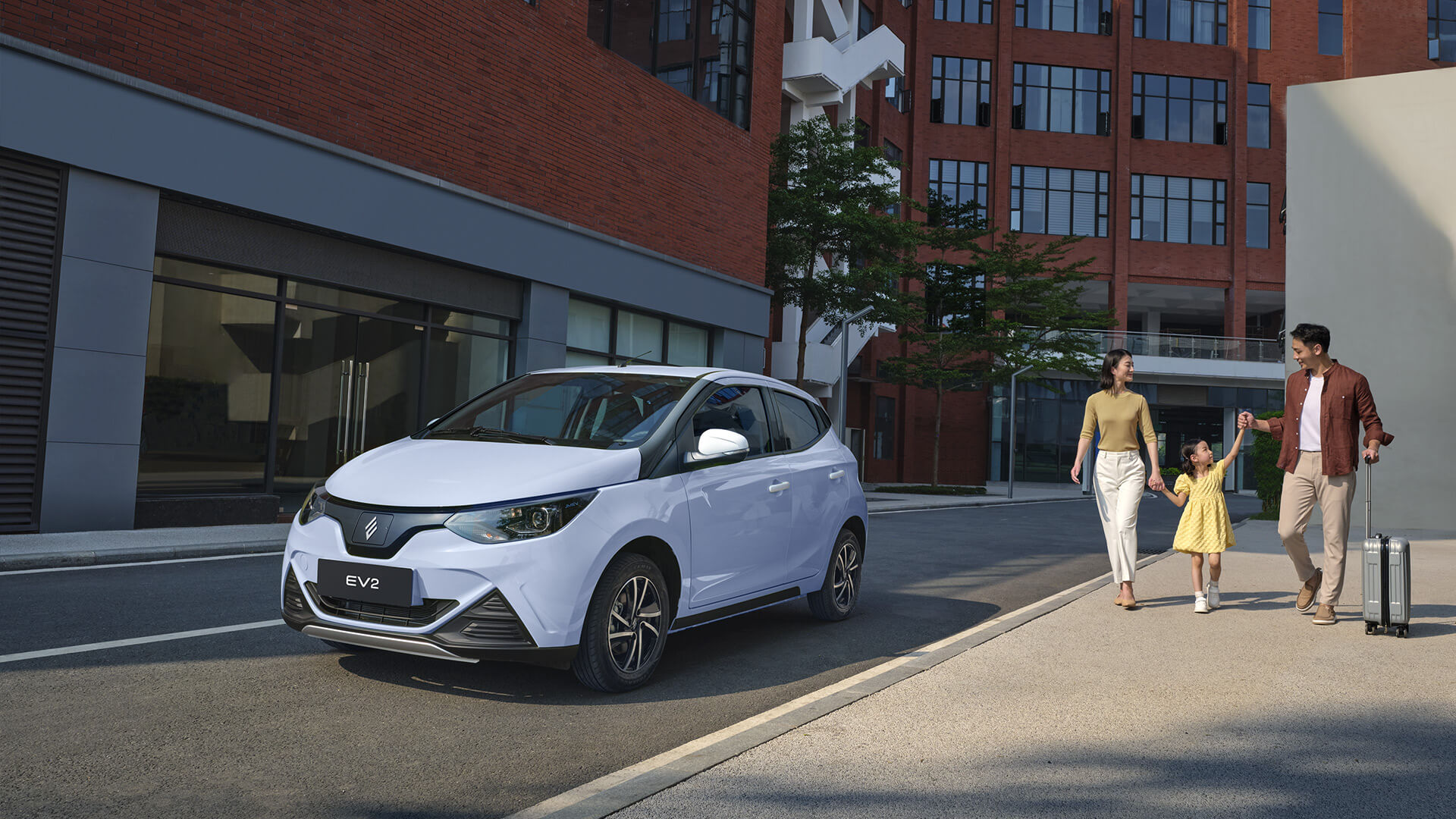
Goodbye expensive popular car: electric vehicle for less than R$ 70,000 starts being sold in Brazil with a range of 200 km and targets those looking to escape gasoline.

Why China Decided to Ban the Retractable Door Handle
In recent years, the retractable door handle has become a symbol of modernity in electric cars, especially in models produced in China.
Integrated into the bodywork, it improves aerodynamics and contributes to a cleaner look. However, in many designs, this type of handle only functions with electric activation.
According to the Chinese government, this technical detail increased the risk in emergency situations.
There have been reports of accidents, including fatal ones, where occupants and rescue teams had difficulty opening the doors due to the absence of a conventional mechanical system.
Thus, battery failures, short circuits, or damage after collisions have become a critical obstacle to evacuating the vehicle.
See more: Jensen Interceptor 2026 Bets on V8 Engine and Revives the True British Luxury GT
What Changes with the New Chinese Regulation
Starting in 2027, all cars weighing less than 3.5 tons sold in China will have to have mechanical door opening systems, both internal and external, mandatory.
These mechanisms will need to work even without electrical power or after severe impacts.
Moreover, the rule is not limited to retractable door handles. Models with fully electric handles are also included in the ban.
The intention is to standardize solutions that ensure immediate access to the interior of the vehicle in any scenario, reducing risks for drivers, passengers, and rescuers.
Requirement for Ergonomics and Clear Identification
Another central point of the regulation involves ergonomics. The MIIT determined that internal door handles must be clearly visible and marked on the doors or body columns.
This measure seeks to avoid unintuitive solutions, common in some electric cars, where the activation exists but is difficult to locate in stressful situations or low visibility.
According to the agency, visual standardization can make a difference in decisive seconds during a rescue. Therefore, it is not enough to have a mechanical mechanism: it must be easy to identify and operate.
See more: New Volkswagen Taos 2026 Cuts Up to R$ 22 Thousand in Price and Bets on 8-Speed Transmission
Impacts on Manufacturing and the Global Market
Although the ban applies only in China, the country is now the world’s largest hub for electric car manufacturing.
Many automakers develop global platforms, making it inefficient to maintain different solutions for each market.
In practice, adapting the retractable door handle only for vehicles sold in China is possible, as the change can be made on the assembly line.
Still, from an industrial and cost perspective, it will likely be more advantageous to adopt a single standard for multiple markets, including Brazil.
Expected Effects in Brazil
In Brazil, legislation does not automatically replicate Chinese rules. Nevertheless, the impact is considered significant.
Chinese brands operating in the country, such as BYD, GWM, Geely, Omoda, Jaecoo, and GAC, may choose to anticipate changes in new projects or redesigns.
Additionally, manufacturers with local production tend to align their models with the latest developments in their home markets.
Thus, future generations of electric and hybrid cars in Brazil may abandon the retractable door handle, even without direct legal obligation.
Which Models May Be Affected
Today, several vehicles sold in Brazil use retractable door handles, both from Chinese brands and traditional manufacturers.
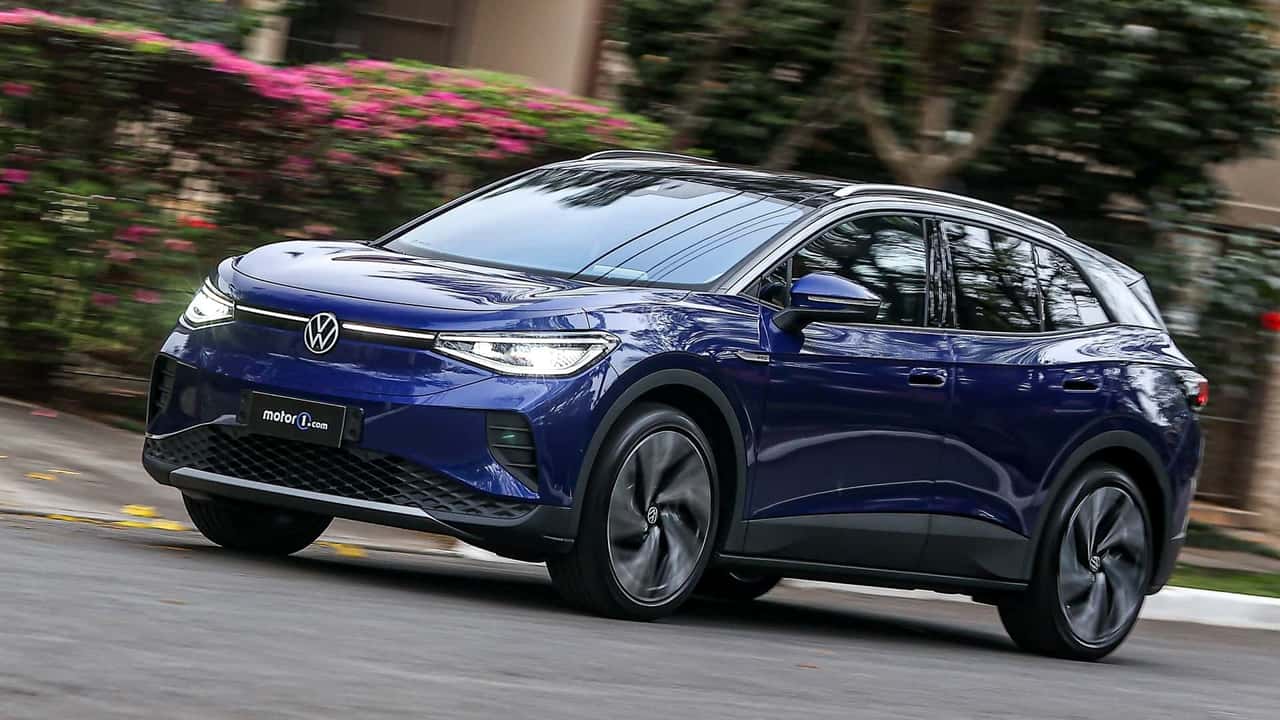
Examples include models like BYD Seal, Geely EX5, Jaecoo 7, Omoda 7, and vehicles from the GAC lines, including Aion and Hyptec.
On the other hand, there are also electric cars from European and North American brands that adopt this feature for design and aerodynamic efficiency.
In these cases, the change will depend on the origin of the manufacturing and the global strategy of each automaker.
Safety Must Weigh More Than Design
The decision from China signals a shift in priority in the automotive industry. If previously the focus was on efficiency and aesthetics, now safety takes center stage.
For the Brazilian consumer, this may mean vehicles with simpler yet more reliable solutions in emergencies.
Thus, even though the retractable door handle may still be present in many electric cars in Brazil, the trend is clear: the design of the future must balance visual innovation with mechanical safety, following an increasingly global standard.









-

-

5 pessoas reagiram a isso.