





 Portuguese
  English
  Spanish
  5 min of reading
  0 comments


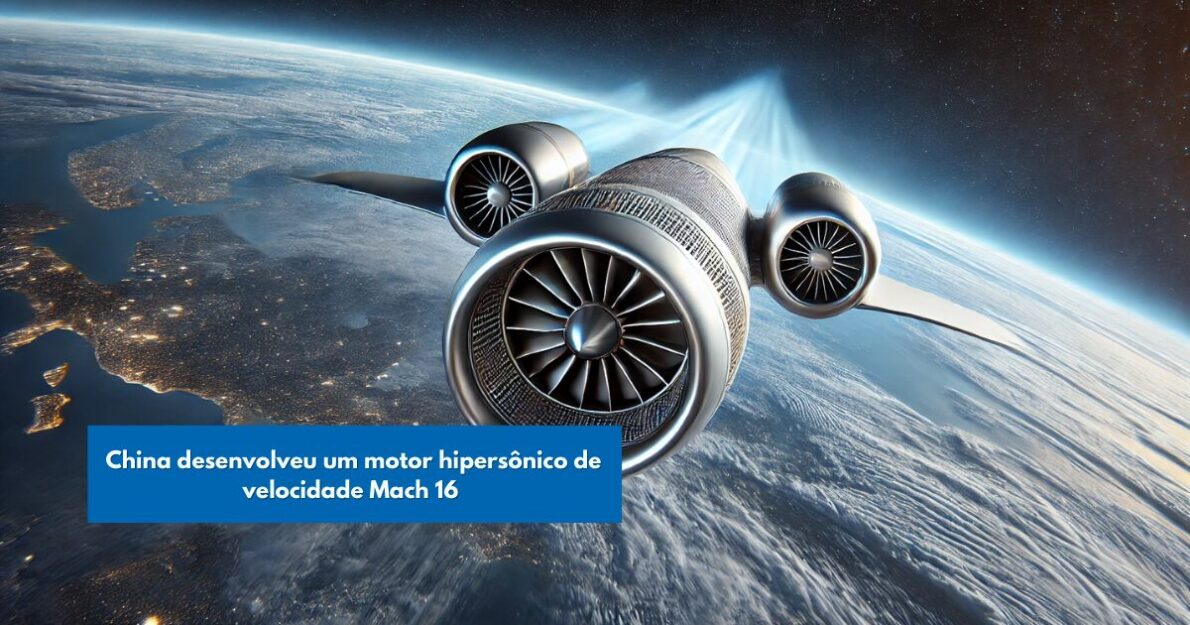
China Has Developed A Hypersonic Engine With A Speed Of Mach 16, Capable Of Reaching 20,000 Km/h. The Engine Promises To Transform Global Transportation, Allowing Travel Around The World In Just Two Hours. In Addition To Military Potential, It Offers New Possibilities For Commercial Aviation And Places China At The Forefront Of Aeronautical Innovation.
China has taken a colossal step in the technological race with the development of the world’s most powerful hypersonic engine, capable of reaching unimaginable speeds of up to 20,000 km/h.
The new engine, operating at Mach 16, promises a revolution in global aviation, being able to make a trip around the planet in just two hours.
The innovation was recently announced and is already drawing attention from experts around the world, who see the technology as a transformative potential for aviation, especially in military and commercial sectors.
-
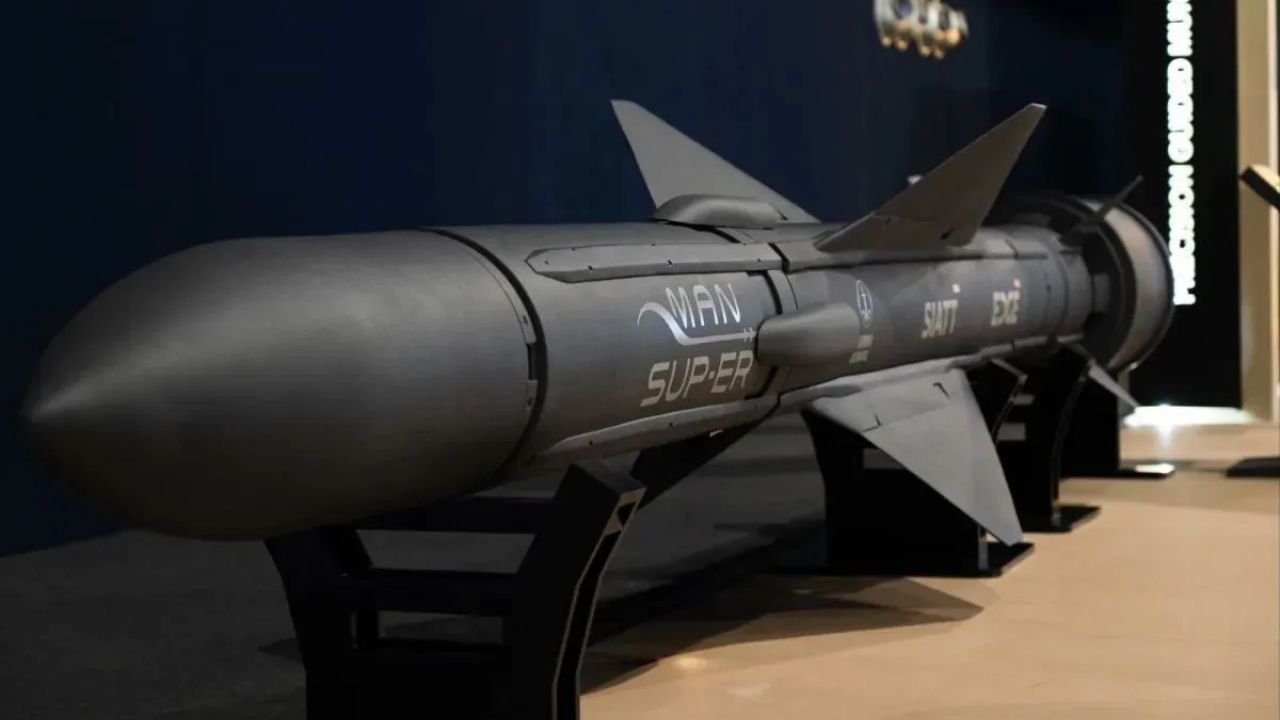
Brazil accelerates the evolution of the MANSUP missile, designing an air-surface version with a range exceeding 200 km, advanced guidance, and precision strike capability against land and naval targets, paving the way for a new generation of national armaments with global potential.
-
South Korea signs a $922 million deal with Norway, bringing Chunmoo launchers capable of firing guided missiles up to 290 km with an accuracy of 15 meters to Europe and turning the system into a key component of the new global race for precision artillery.

-
Brazil advances with decisive tests until June, the 6×6 Guarani armored vehicle with engineering equipment enters the most important phase and can enhance the operational capability of the Army.

-
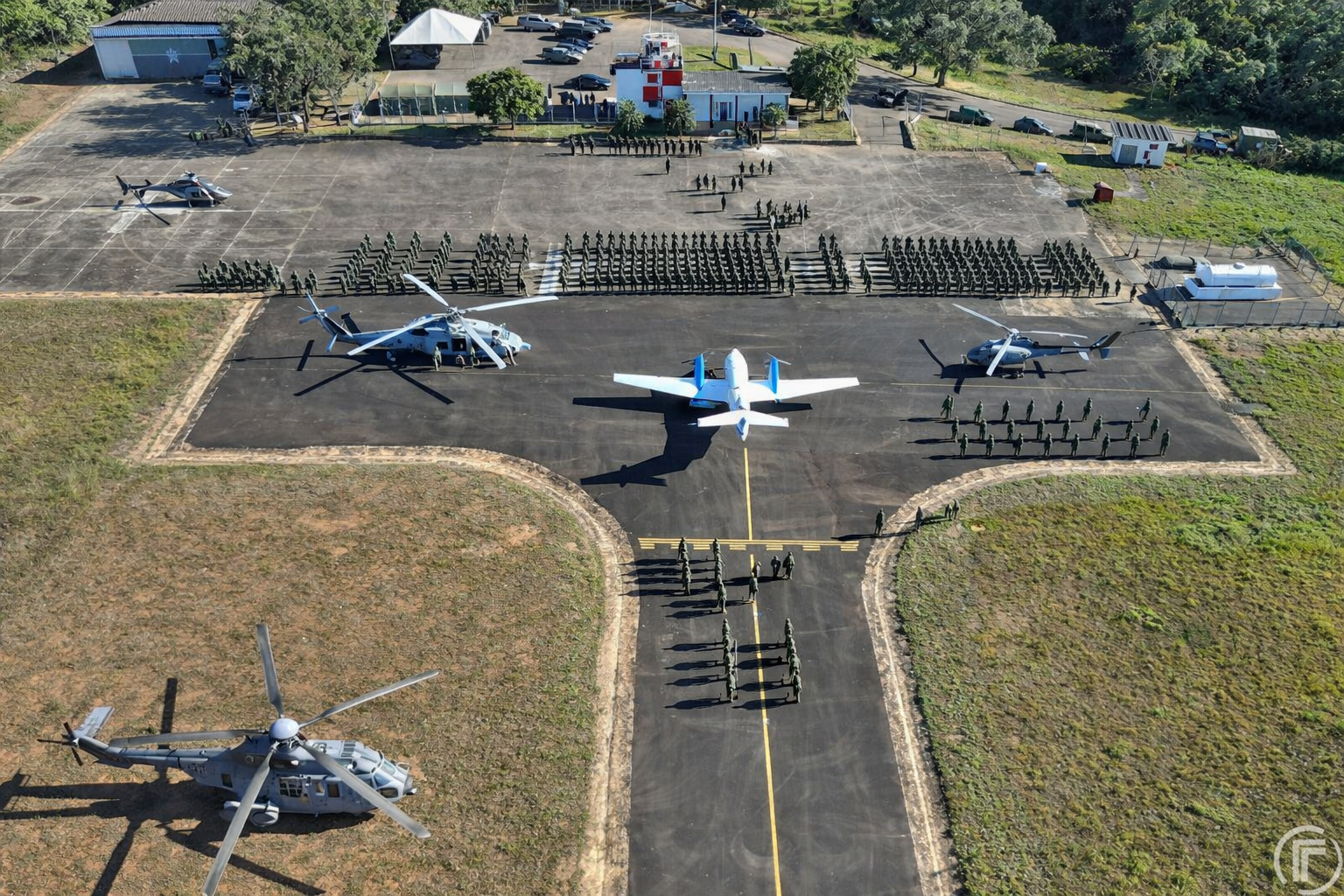
Furnas Airport is handed over to the Navy and becomes a strategic base with complete military operations, attack drones, and international mobilization at Furnas Lake.

This advancement places the country in a leadership position in the field of aeronautical engineering and could completely change the concept of intercontinental transportation as we know it today.
What Is The Mach 16 Hypersonic Engine?
The new Chinese engine is the result of five years of intense research and innovation in hypersonic propulsion technology.
It is distinguished by using a hybrid system that combines two detonation methods. Up to Mach 7, the engine operates through rotational detonation, which provides stability and efficiency.
When the engine exceeds this mark, it switches to an oblique detonation mechanism, essential for maintaining performance at extreme speeds above 20,000 km/h.
This alternation allows the engine to operate with unprecedented energy efficiency, ensuring both the speed and stability needed to withstand the adverse conditions of hypersonic flight.
This technology has been documented in the Chinese Journal of Propulsion Technology, which detailed the transition process between detonation modes and highlighted the benefits of this hybrid approach.
This development is considered one of the greatest advances in propulsion engineering, as it offers a level of versatility previously unattainable.
In addition, the use of advanced fuels and the ability to operate at high altitudes make the hypersonic engine a highly efficient solution to face long-standing technological challenges.
A Milestone For Global Transportation
The most immediate application of the Chinese hypersonic engine is in the military sector, where the ability to reach high speeds and cover continental distances in a matter of minutes could drastically alter defense and attack strategies.
China, which has already demonstrated significant advances in the field of hypersonic missiles in recent years, seems poised to become an uncontested leader in this sector.
But the novelty also brings implications for commercial aviation, where the transportation of passengers and goods could be radically transformed.
With this new engine, Chinaenvisions a future where intercontinental flights may be completed in just a few hours, reducing travel time from days to a fraction of that time.
Journeys that currently take an average of 15 hours could be completed in about two hours, making the distance between continents nearly irrelevant.
For companies, this means a new era of logistical efficiency, where products and goods can cross the planet in a matter of hours.
In the tourism sector, the possibility of fast, long-distance flights could open doors to new forms of international tourism, bringing cultures and nations closer together in ways never seen before.
Hypersonic Technology And The Challenges Ahead
Despite the excitement surrounding the hypersonic engine, significant challenges remain to be faced before the technology can be widely adopted.
Safety is one of the main concerns, as extreme speeds increase the difficulty of control and the risk of catastrophic accidents.
Furthermore, the cost of developing and operating hypersonic technologies remains high, making economic viability an obstacle to be overcome for commercial application.
Other challenges include controlling aerodynamic heating, which occurs due to friction with the air at high speeds.
The heat generated at Mach 16 is intense enough to compromise the structural integrity of a conventional aircraft.
To address this issue, Chinese engineers have been working with advanced materials and specialized cooling technologies, which help protect the structure of the engine and the aircraft, allowing the technology to function safely and efficiently even under extreme conditions.
The Race For Leadership In Innovation
China’s bet on hypersonic technologies goes beyond a mere desire for modernization. It is a global positioning strategy, where mastering cutting-edge technology ensures geopolitical advantages.
By taking a leading position in hypersonic innovation, China reinforces its status as an emerging power and challenges the leadership of the United States and Russia, which have dominated research in this sector for decades.
Recently, the country has been investing in testing laboratories, research centers, and international partnerships to further expand its knowledge and influence in this area.
Hypersonic technology, which is already a focus of contention in areas like space exploration and the military, now presents itself as a field of commercial battles.
Mastery of this technology could transform China into a hub of aeronautical innovation, as well as open doors for commercial and diplomatic collaborations with other nations interested in applying these advances in the transportation sector.
With this, the Chinese hypersonic engine becomes a symbol of the potential for innovation and the pursuit of global leadership.
The Future Of Hypersonic Aviation: Will This Be The New Standard?
The development of the hypersonic engine opens new perspectives for the future of aviation but also raises questions about the social, economic, and environmental implications of such fast travel.
The possibility of drastically reducing flight times could impact everything from international logistics to trade relations between countries, creating a world where geographical distance becomes increasingly irrelevant.
However, it remains to be seen how this technology will influence factors such as carbon emissions and environmental impact.
As these engines become more viable, it is possible that hypersonic aviation will transform air transportation, redefining the concept of proximity and global connectivity.
In a world where flying at 20,000 km/h becomes routine, will the concept of time and distance take on a new meaning?









-

Uma pessoa reagiu a isso.