





 Português
  Inglês
  Espanhol
  5 min de leitura
  0 comentários


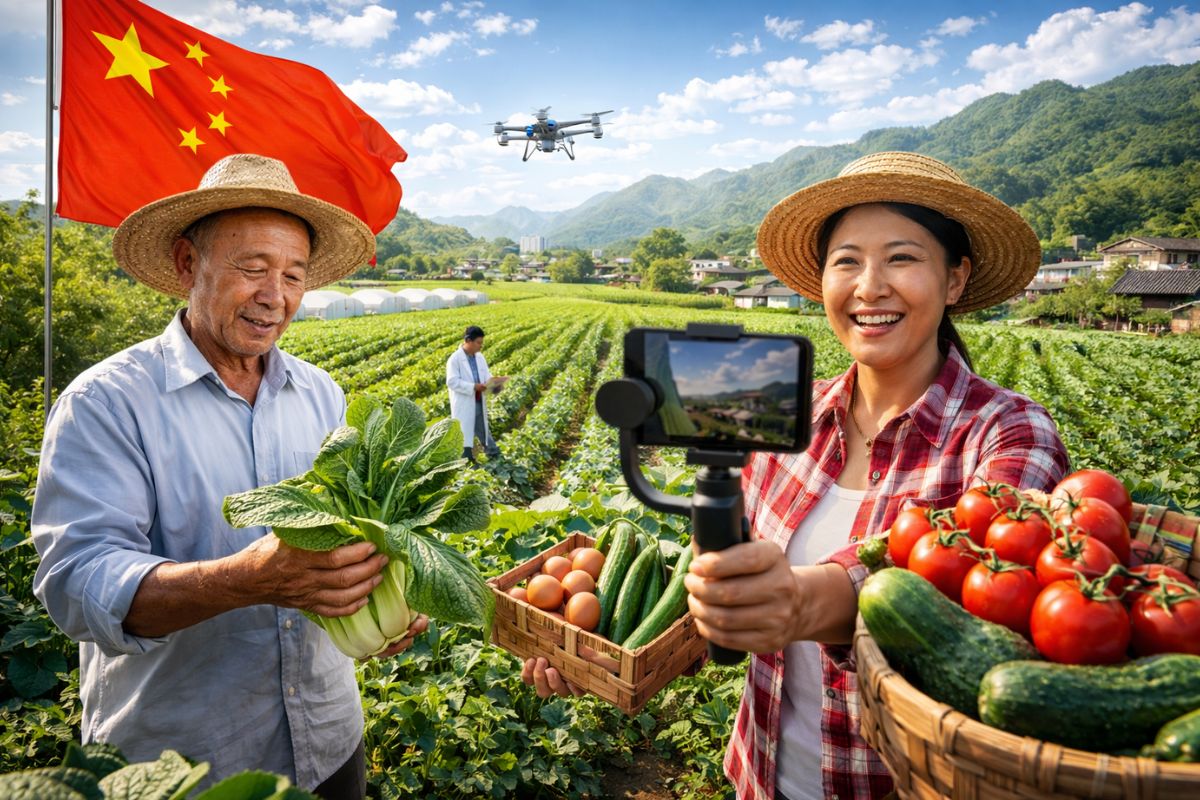
China Treats Organic Agriculture, Biotechnology and Live Sales as Fronts to Increase Rural Income and Avoid Relapses into Poverty in the Countryside.
The China has decided to keep the countryside at the center of its strategy for the coming years by presenting the proposed targets for 2026 and the outline of the 15th five-year plan, valid from 2026 to 2030. The report presented to the National People’s Congress makes it clear that work related to agriculture, rural areas, and rural residents will remain a top priority in the new planning phase.
The move comes after the 14th Five-Year Plan, a period described as rural revitalization aimed at consolidating the achievements of extreme poverty eradication completed in 2020. Now, China wants to advance on a new front, combining income growth, ecological protection, productive modernization, and continuous monitoring to prevent any large-scale return to poverty in rural areas.
China Maintains Agriculture and Rural Residents as Top Priority
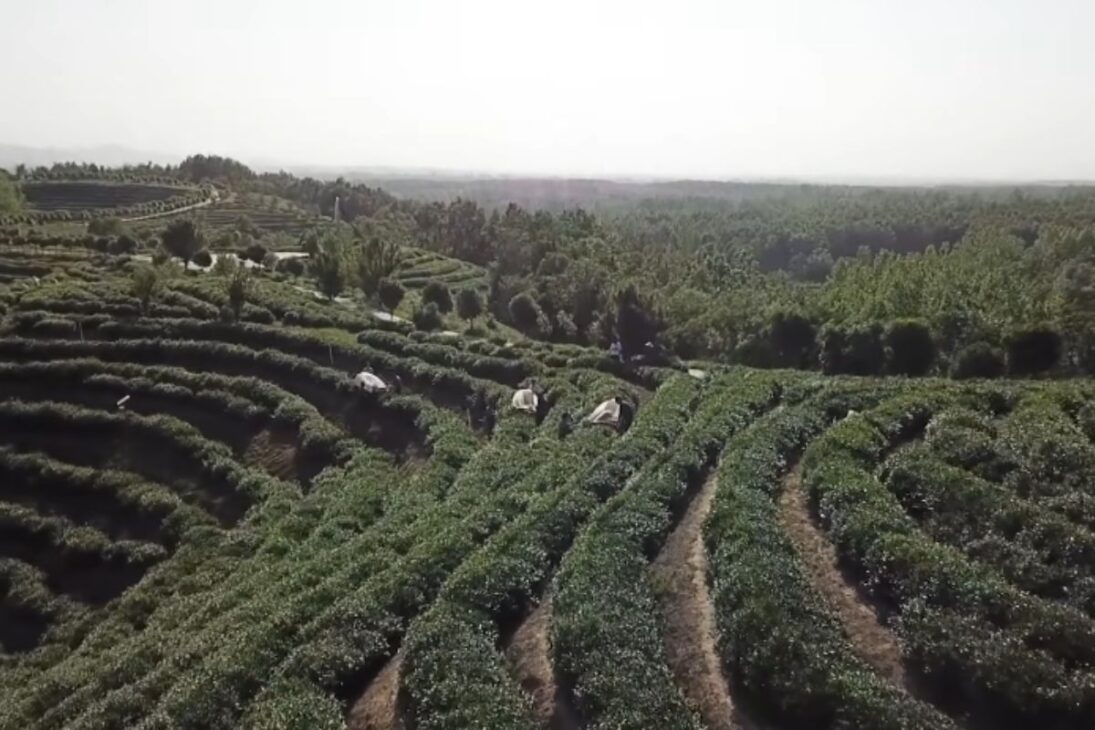
In detailing the next planning cycle, the report reinforces that China does not intend to take the focus off the countryside. The guideline is to maintain assistance and monitoring policies to protect the population that has left poverty and prevent large-scale setbacks.
-
With tractors out of reach for small producers, a tricycle created by Embrapa Algodão becomes a cheap and efficient solution and gains national prominence.
-
From 130 producers in the year 2000 to just 15 today: the dramatic decline of passion fruit in Araguari shows how the lack of labor in the Brazilian countryside is killing a decades-old agricultural tradition, even with Brazil being the largest producer in the world.
-
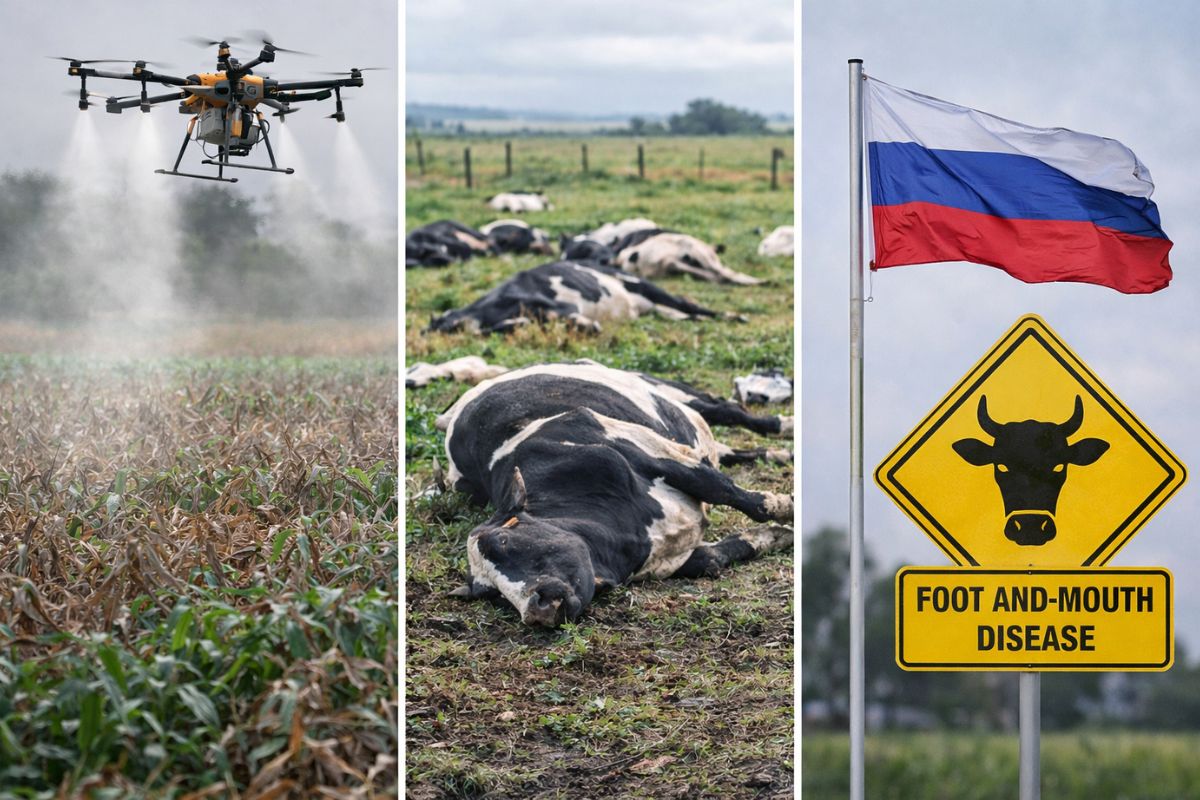
Agricultural drone sprayed poison into the air and destroyed the neighbor’s crops, causing 1 million in damages; 48 cows died from nitrite poisoning in the pasture, and Russia is hiding a possible outbreak of foot-and-mouth disease: the week was brutal for the rural sector.
-
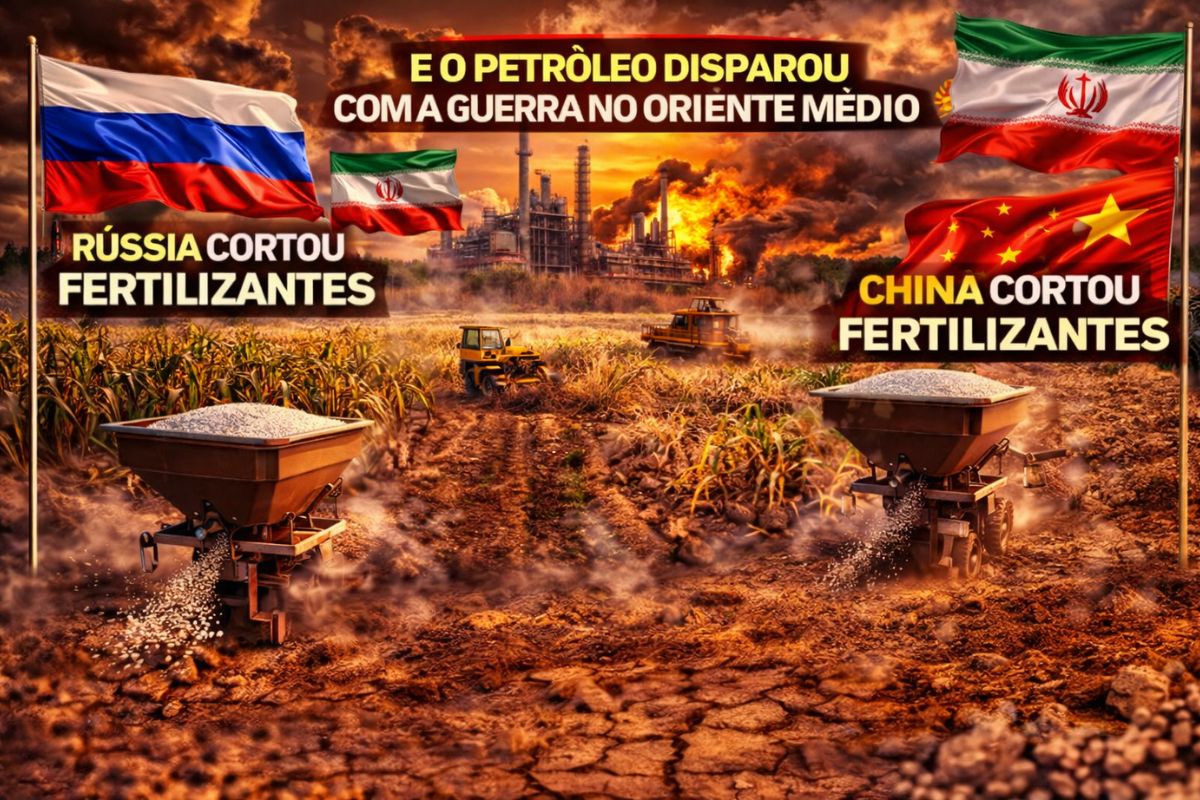
Russia cut fertilizers, China cut fertilizers, and oil prices soared with the war in the Middle East: sugarcane producers in the interior of São Paulo are seeing costs explode from all sides and warn that the effects will take months to be absorbed.

According to the presented text, more than 30 million people who left poverty in 2020 continued to hold their jobs last year.
This data appears as one of the pillars of the strategy, which seeks not only to preserve already achieved social results but also to strengthen the income of farmers through new production and marketing fronts.
The logic of the plan is clear: rural growth, income generation, and poverty prevention must go hand in hand within a long-term policy.
Organic Agriculture Gains Ground and Reinforces China’s Position
One of the most evident signs of this priority is the advancement of organic production. The text mentions that the latest available data from 2024 shows that the total area allocated to organic agriculture in China has reached 35 million hectares, with growth of over 10% compared to the previous year.
As a result, the country maintained its position as the fifth largest organic producer in the world. The data helps illustrate that the expansion of rural income is not being treated solely from the perspective of scale but also through quality, certification, and access to more valuable markets.
In Hubei province, for example, the case of certified organic tea plantations has been cited, which already total more than 67 thousand hectares.
In addition to meeting a growing base of domestic consumers interested in health and quality, these products are also exported, opening up opportunities in high-value markets.
Live Sales Become a Revenue Engine in the Chinese Countryside
Another important axis of China’s strategy is the incorporation of live streaming into the daily routine of the countryside.
The sale of agricultural products via live streaming appears as a practical part of rural revitalization and has been boosted by the expansion of 5G networks, logistics, distribution centers, and investment in high-speed trains, highways, and bridges.
In the mentioned county, the live streaming structure generates between 70 thousand and 80 thousand in daily sales, increasing residents’ income by over 10 thousand daily.
Since its launch at the end of 2023, the project has reportedly sold over 45 million in products online and created stable employment for more than 15 people from the village.
This point stands out because it shows a concrete change in the profile of the Chinese countryside. The rural producer no longer depends solely on the traditional intermediary and gains direct access to the consumer through digital and logistical infrastructure.
Organic Waste Becomes Energy and Fertilizer in Rural China
The rural strategy of China also incorporates the repurposing of waste as an additional source of income and pollution reduction.
The text highlights the transformation of organic waste into energy and fertilizers within the principle of so-called ecological civilization.
In the presented example, pig manure and urine are transported through closed pipes to a biogas plant capable of generating 268 thousand kilowatt-hours per year. After that, the waste undergoes pyrolysis and transforms into high-quality organic fertilizer.
The case illustrates how production, energy, and environmental repurposing have been integrated within the same rural logic.
The proposal is not limited to farming or livestock but seeks to create more complete and less polluting productive systems.
Biotechnology Enters as a New Productive Force in Rural Areas
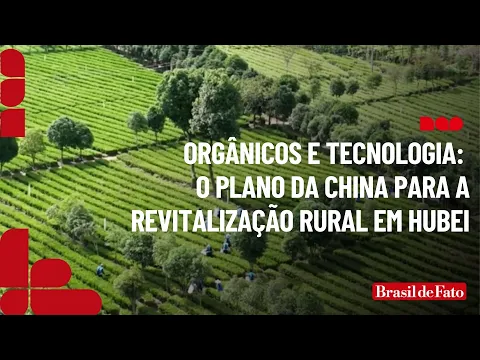

The plan also opens space for strengthening biotechnology in the countryside. The base mentions that a province was a pioneer in 2024 by launching a policy focused on so-called microbiology as part of the new quality approach of rural productive forces.
In practice, this sector brings together biological control agents, biological veterinary medicines, biofertilizers, animal biofeed, and bioremediation agents, among other green agricultural inputs produced by biotechnology. This is not just laboratory innovation, but direct application in rural production.
In plant production, these resources assist in the cultivation of organic foods, ingredients, and vegetables more safely and sustainably.
In livestock and aquaculture, biological inputs support the healthy raising of animals and fish, while bioremediation agents help purify aquatic environments in intensive systems.
Ecological Protection and Economic Growth Go Hand in Hand
Although technology and income carry decisive weight, the text makes it clear that China does not present its rural revitalization as a purely economic policy. The defense of common goods and ecological protection appears as an inseparable part of the project.
The vision summarized by the interviewees is that prosperity and preservation must go hand in hand. The argument is that green mountains and clear waters are valuable assets and that the pursuit of growth cannot come at the expense of the environment.
This is one of the strongest points of the message presented: the natural landscape ceases to be seen as an obstacle and comes to be viewed as a genuine source of sustainable wealth and well-being for future generations.
New Plan from China Tries to Shield Rural Income in the Long Term
By combining poverty prevention, organic agriculture, live sales, waste repurposing, and biotechnology, China outlines a more diversified rural model for the period between 2026 and 2030.
The intention is not to rely on a single growth lever but to build a broad base to sustain income, jobs, and productivity in rural areas.
This design helps to understand why the countryside remains at the center of the plan. More than preserving past achievements, China wants to transform rural revitalization into a permanent platform for development, reducing vulnerabilities and creating new sources of wealth in areas that have long been on the fringes of major centers.
Do you think that China’s strategy to shield rural income could serve as inspiration for other regions of the world?






Seja o primeiro a reagir!