





 Portuguese
  English
  Spanish
  4 min of reading
  0 comments


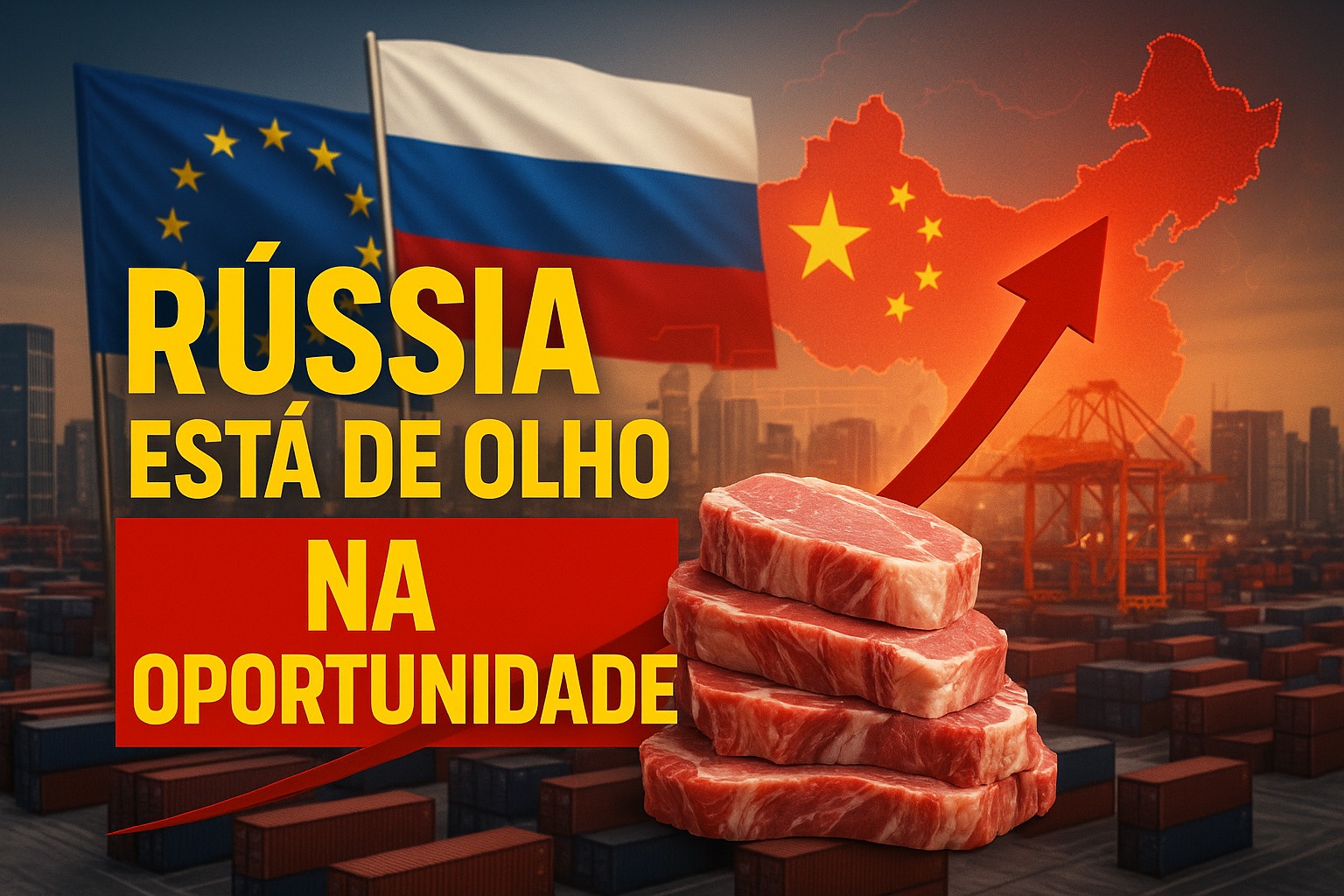
With Tariffs of Up to 62.4% on European Pork, Beijing Pressures Exporters, Favors Russia, and Expands the Impact of the Electric Car Clash
Beijing’s decision to impose provisional tariffs of up to 62.4% on pork from the European Union has raised an alert in the sector. The announcement, made by the Ministry of Commerce at the beginning of September, targets one of the main markets for European producers: China.
The impact is immediate because the Asian country absorbs almost a third of EU exports. Only in the first quarter of 2025, the bloc sent 1.1 million tons of pork out of Europe.
Of that total, nearly 27% were destined for China, equivalent to 296,500 tons.
-
Spain challenges the USA and closes its airspace for operations against Iran, raising global tension and provoking the threat of a trade rupture.
-
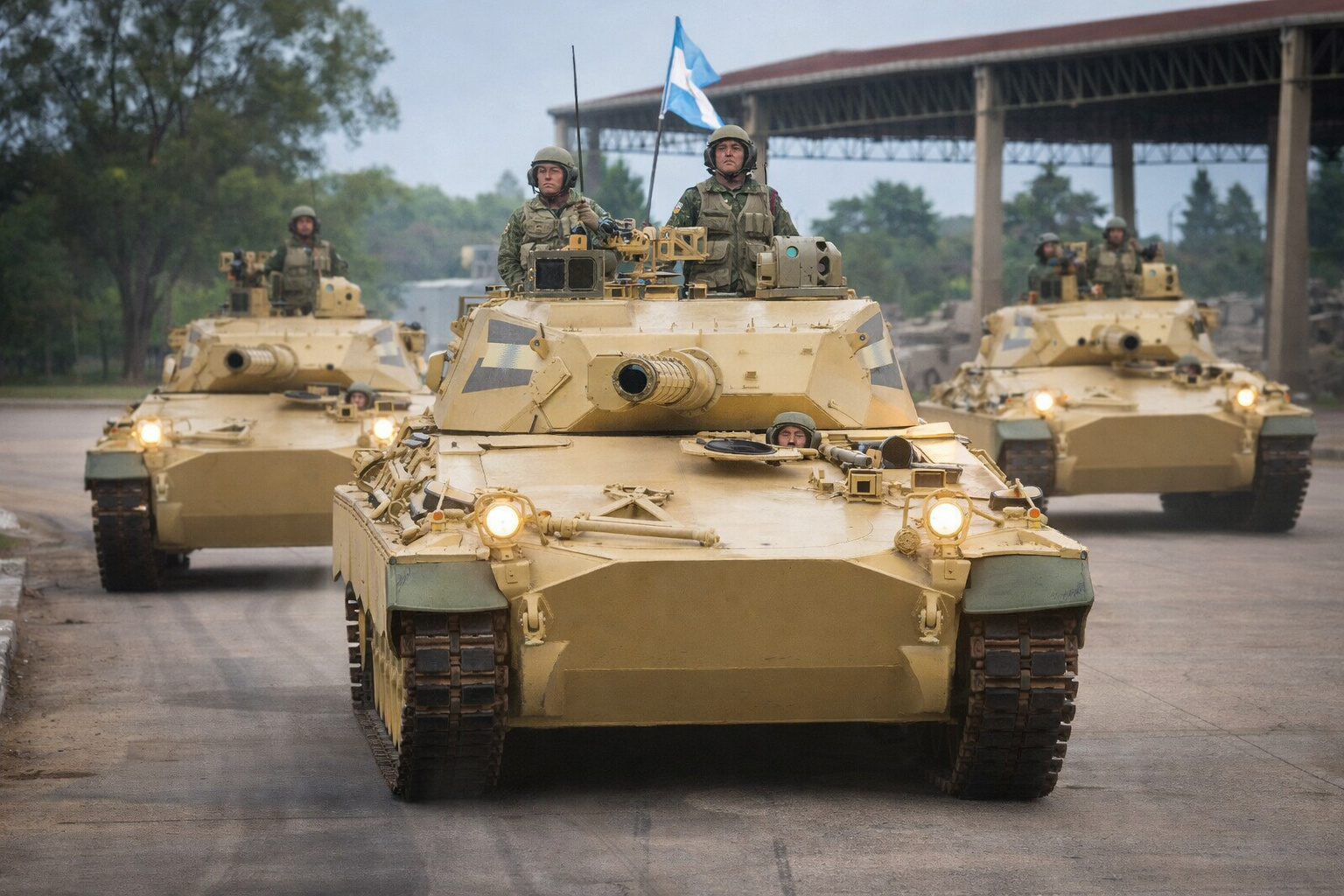
While no other country manufactures tanks in Latin America, Argentina activates the TAM 2C-A2 and raises a curiosity about the technological lag in the region.
-
A Russian ship with 730,000 barrels of oil has just arrived in Cuba while Mexico negotiates fuel sales through private companies: the communist island is desperately seeking alternatives after losing its supply from Venezuela due to American military action.

-
Iranian drones and missiles destroyed a 270 million dollar American spy plane in Saudi Arabia, splitting the E-3 Sentry aircraft in half and injuring 12 military personnel in an attack that exposes the vulnerability of U.S. bases in the Persian Gulf.


Spain at the Center of the Issue
Among the most exposed countries is Spain, responsible for 35% of EU pork exports in the same period. Interporc, an organization representing the Spanish industry, claims that the local sector will suffer less.
This is because, even with the maximum tariff reaching 62.4% for some, Spanish companies will face percentages close to 20%.
Large slaughterhouses such as El Pozo, Noel, Campofrío, and Cárnicas Cinco Villas are on the list of those who will pay around 20%. The Spanish company Litera Meat, based in Huesca, will have the lowest recorded rate so far: 15.6%.
Countries Under Differentiated Pressure
The tariff policy does not affect everyone in the same way. The Dutch company Vion, for example, has been set at 32.7%, while the Danish Crown will have to deal with 31.3%.
Companies that refuse to cooperate with Chinese authorities will face the announced 62.4%.
This difference occurs because Beijing defined exemptions based on cooperation during the anti-dumping investigation.
Therefore, those who were willing to provide information and participate in the process came out less harmed.
Connection to the Automotive Industry
The pork sector has become a target due to another clash: electric cars. When the European Union decided to increase taxes on “made in China” vehicles, Beijing responded by targeting a strategic sector for Europe.
In June, the Chinese government extended until December 2025 the anti-dumping investigations initiated in 2024.
Until then, it opted for temporary tariffs. According to the Ministry of Commerce, the preliminary analysis revealed dumping practices that caused “significant harm” to local companies.
The Importance of the Chinese Market
China is, at the same time, a major producer and consumer of pork. Despite reductions in purchases in 2024, the country remained the main destination for European pork, with 1.12 million tons acquired.
The history shows the strength of this trade. In 2020, when African swine fever affected domestic production, imports skyrocketed to 3.34 million tons.
In the case of Spain, the relevance is even greater. In 2024, the country exported 540,000 tons to China, equivalent to more than 1.097 billion euros. This represented 20% of the total volume and 12.5% of the value of external sales.
Who Might Benefit? Russia
If Europe sees risks, Russia sees opportunities. In 2008, Moscow lost access to the Chinese market due to African swine fever. It was 15 years of sanitary restrictions.
This barrier fell in March 2024, when the first Russian shipment of 27 tons managed to enter China. Although modest, it was a historic step.
Recent Russian Advancement
In July, Russian exports to the Chinese market reached US$ 12.4 million, a jump of 22% compared to June.
The Kremlin believes this is just the beginning. Authorities expect to expand the list of Russian companies authorized to sell to the Asian giant.
The sector minister, Oksana Lut, stated that talks with Chinese Customs are “constructive.” This stance reinforces the expectation of a broader opening.
Russia Aims to Compete for Space
The Russian pork sector does not hide its ambition. For Yuri Kovalyov, a representative of the industry, the tensions between Brussels and Beijing represent a unique opportunity to showcase competitiveness.
The projection is bold. Dmitri Reva, a specialist in the Russian market, stated in an article from The China Academy that Russia could replace Europe in a few years.
He argues that, within three years, the country could provide more than one million tons annually.
Consequences for the EU
The European Union, in turn, faces a dilemma. Dependent on Chinese demand, it will have to deal with tighter margins and loss of competitiveness.
Even with lower tariffs for some, the economic weight is undeniable.
The measure pressures mainly countries with a stronger presence in Asia, such as Spain, which established its position over the last decade.
Therefore, any reduction in space in this market could generate significant impacts on the production chain and internal prices.
A Game of Retaliations
The dispute between electric cars and pork shows how policy and trade are linked.
China responded to the European Union’s measures by hitting a sensitive point, and Russia presents itself as an alternative.
The future will depend on the outcome of the anti-dumping investigations and the definitive tariffs that Beijing will announce after December.
Until then, European producers remain on alert, while Moscow advances with optimism about the chance to carve out a space that once seemed unattainable.
With information from Xataka.







-

Uma pessoa reagiu a isso.