





 Portuguese
  English
  Spanish
  5 min of reading
  0 comments


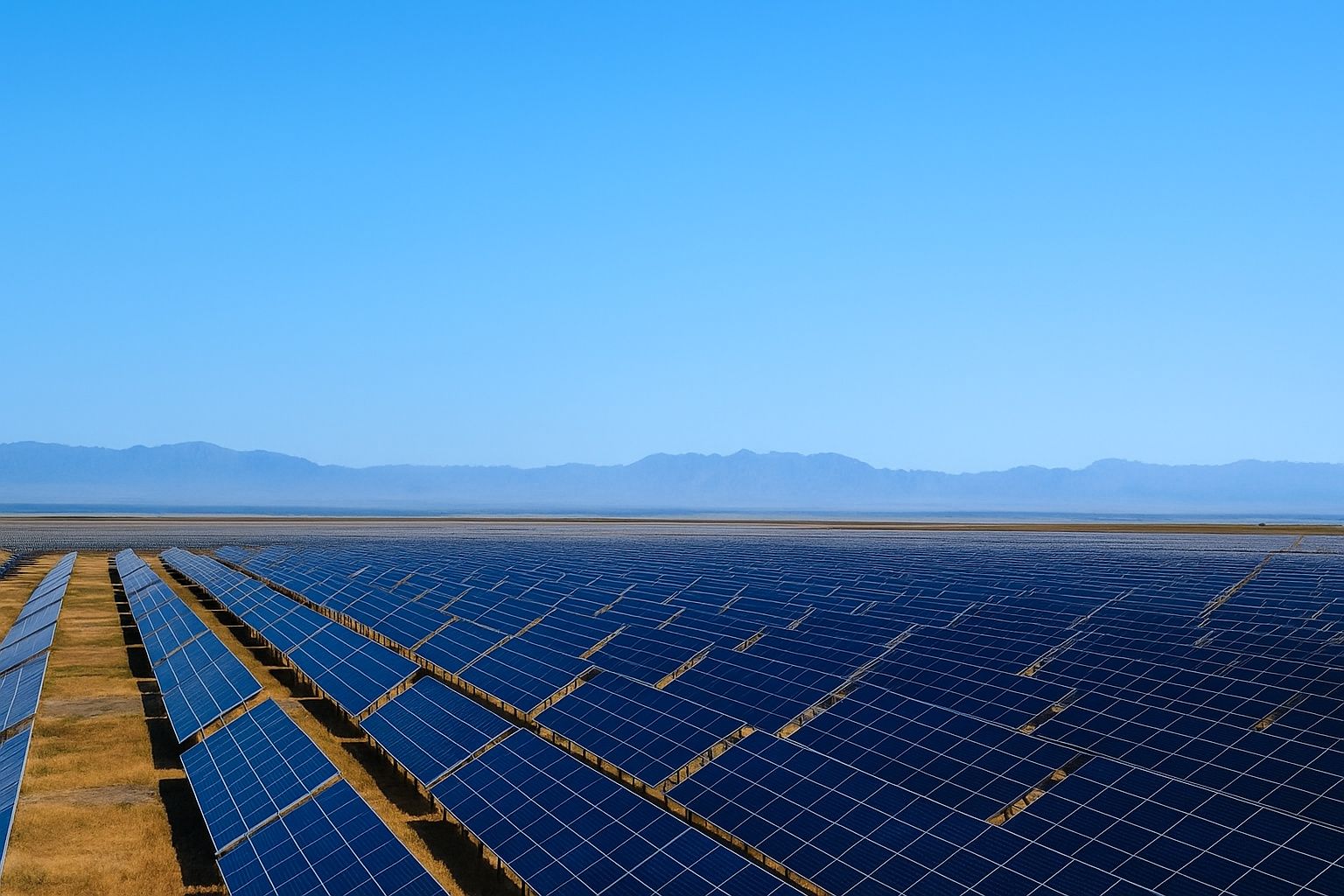
China Creates Solar Power Park In The Talatan Desert, Generating Clean Energy For Over 1 Million Homes With Cutting-Edge Technology And Positive Environmental Impact.
In recent years, China has emerged as a global leader in renewable energy; therefore, innovative projects like the Talatan Solar Park have gained international attention.
This park, located in Qinghai Province, demonstrates how technology and strategic vision can transform inhospitable regions into centers of clean energy production.
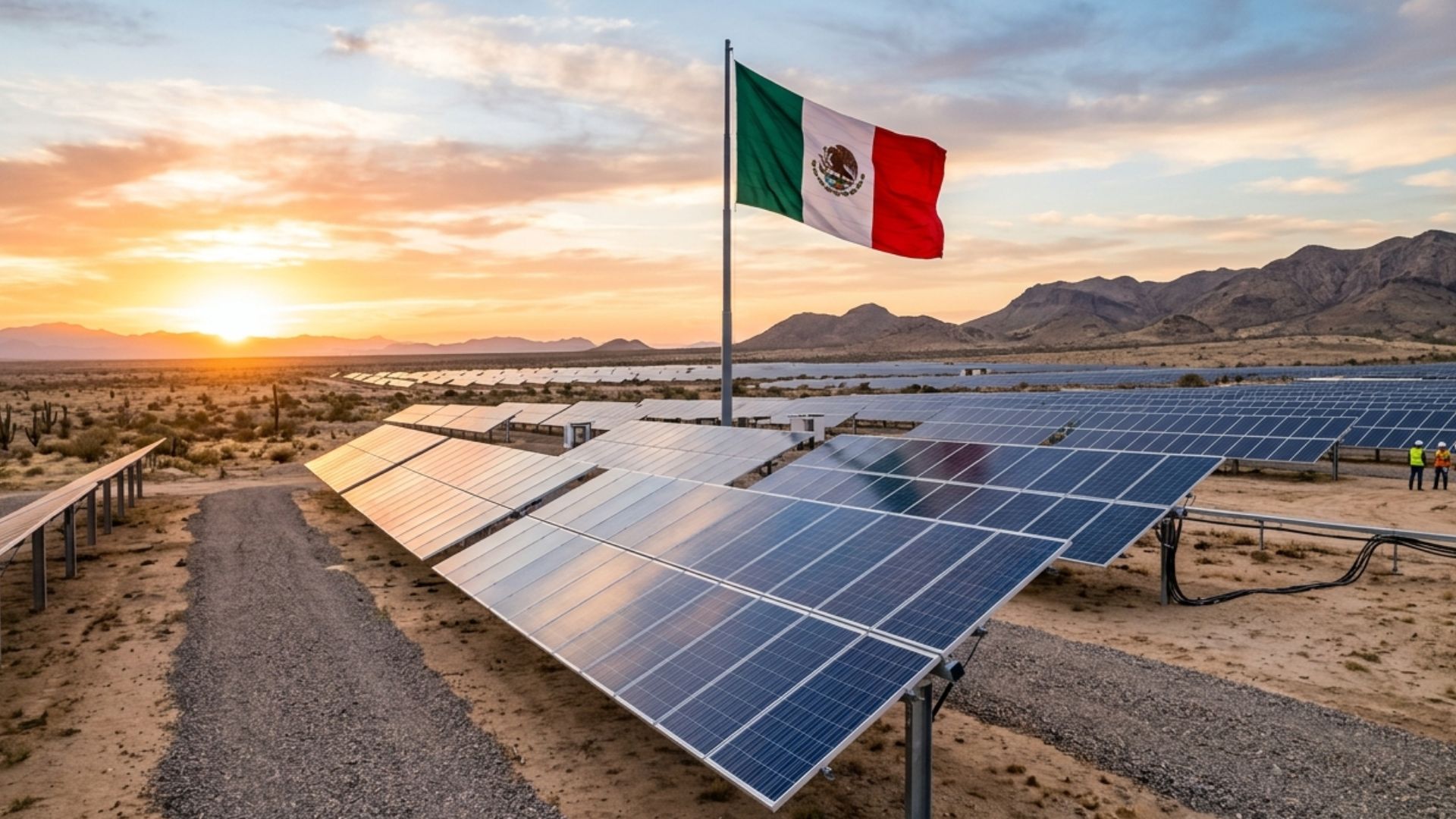
Spanning about 400 km², the park occupies the Talatan Desert at approximately 3,000 meters above sea level.
-
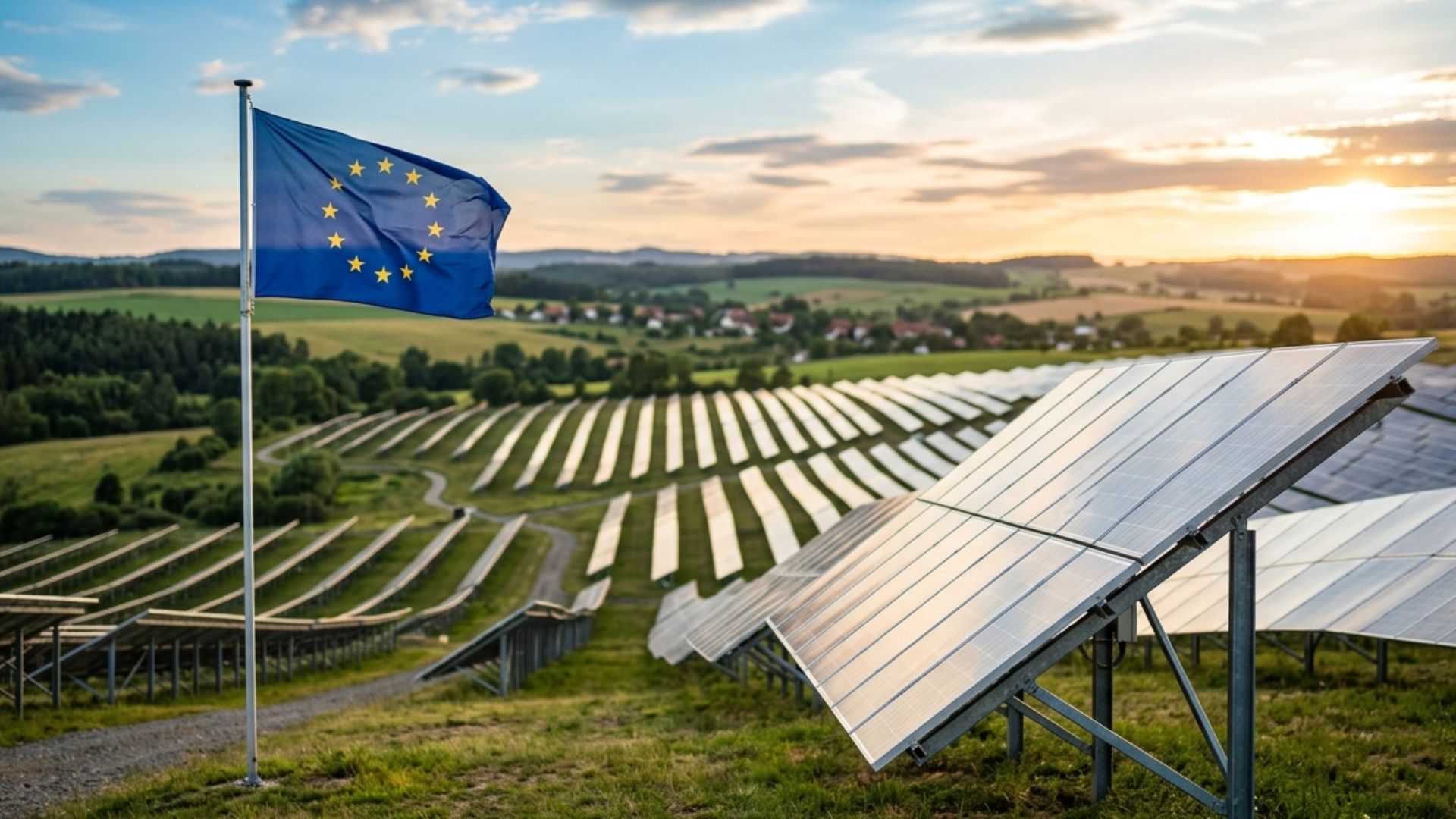
Europe records strong euro economy with solar energy in March and sparks curiosity about which country leads growth that redefines the energy market and reduces costs.
-
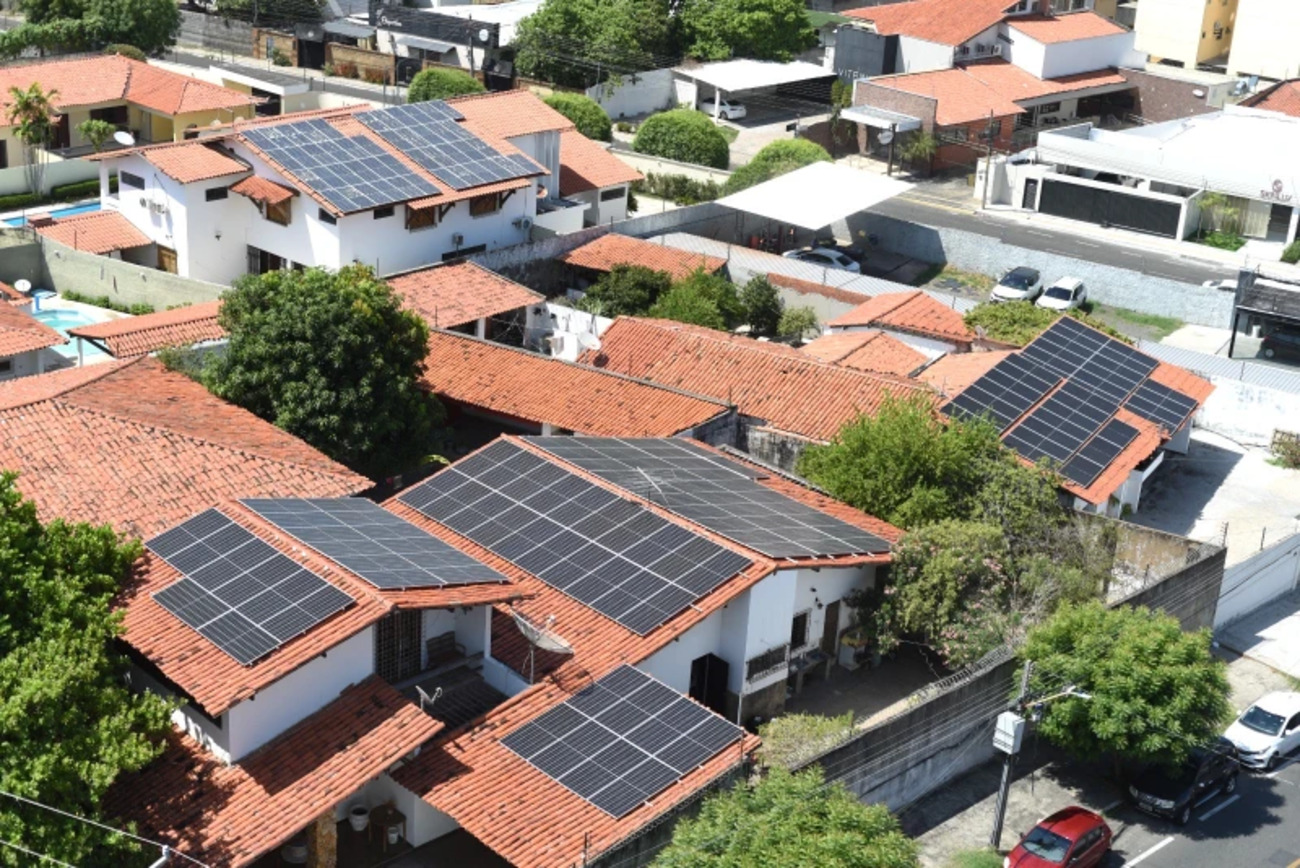
Piauí reaches a historic milestone in energy transition: State records nearly 160,000 households powered by solar energy and leads growth in the Northeast.
-
Argentina debuts its first 100% solar-powered highway and transforms an entire road into a showcase of clean energy.

-
Minas Gerais reaches a historic record and surpasses the power of Itaipu, but network costs generate debate: Understand why solar energy in MG impacts the electricity bill of those without panels.
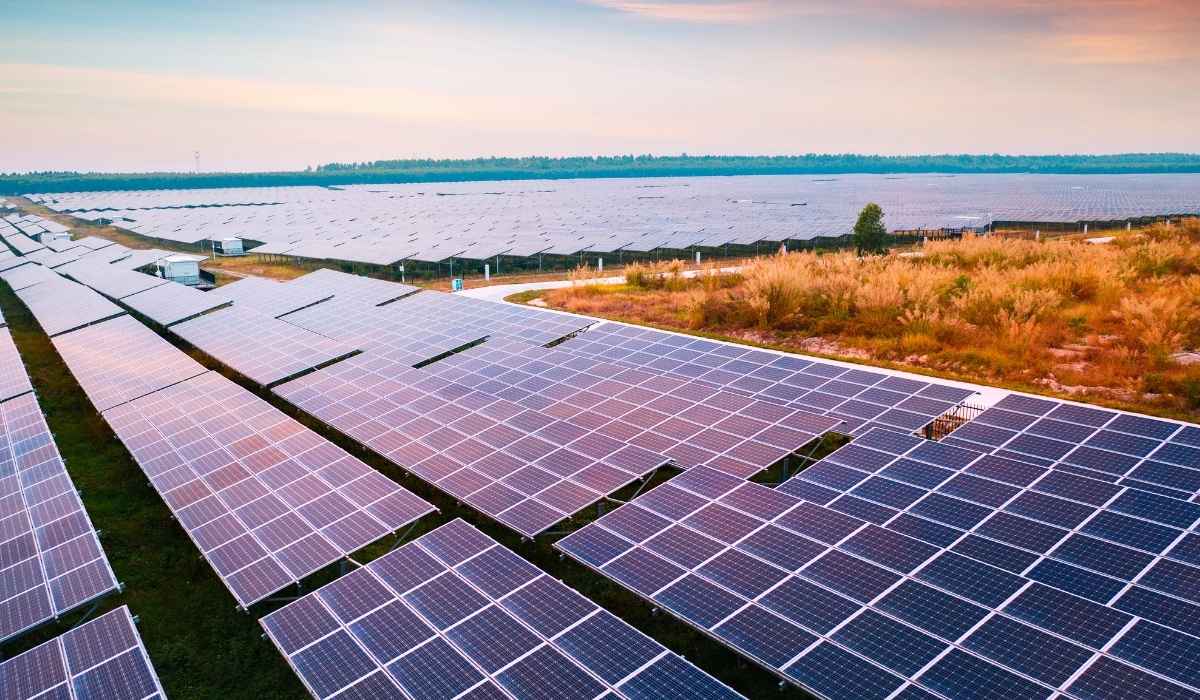

Thus, it has become one of the largest solar complexes in the world, clearly showing how China creates a solar power park with unprecedented scale and innovation.
Historically, China has faced challenges in balancing industrial growth and reducing environmental impacts.
For decades, the country maintained an economy heavily reliant on coal and other polluting sources; however, over the past two decades, energy policies have changed significantly, driven by international agreements and growing environmental awareness.
Therefore, investments in solar, wind, and hydropower have taken center stage, reflecting the country’s ambition to become a global benchmark in sustainable solutions.
Additionally, since the early 2000s, China has launched national programs to promote clean energy, including subsidies for companies and the development of its own technology.
At the same time, universities and research centers have intensified studies on solar energy, photovoltaic panel efficiency, and hybrid system integration.
In this way, the country has created conditions for China to create a solar power park on an unprecedented scale.
Strategic Location And Energy Efficiency
The Talatan Solar Park directly reflects this change.
Its strategic location in a high-altitude desert offers unique advantages for generating solar energy.
The region experiences days with intense solar radiation and nights with low temperatures; consequently, photovoltaic panels achieve higher efficiency.
Moreover, the scarcity of vegetation and low population density mitigate initial socio-environmental impacts, allowing China to create solar power parks in areas previously considered inhospitable.
The project combines high-efficiency solar panels, complementary wind turbines, smart grid systems, and artificial intelligence to optimize energy production.
Thus, the integration of these technologies keeps energy constant and reliable, even when solar radiation decreases.
According to experts, the solar complex supplies energy to more than 1 million homes, equivalent to the population of cities like Chicago in the United States.
Additionally, the energy produced costs about 40% less than traditional sources, like coal and natural gas, demonstrating the economic viability of this energy transformation.
Another factor enhancing Talatan’s efficiency is its high altitude.
Located over 3,000 meters above sea level, the thinner air increases direct sunlight exposure on the panels, boosting electricity generation.
Therefore, China is creating solar power parks not only on a large scale but with strategic intelligence, leveraging natural conditions that enhance energy returns.
Environmental Benefits And Solar Ecosystem
The Talatan Solar Park also presents positive environmental impacts.
Research from Xi’an University of Technology indicates that the shadows of solar panels reduce soil temperature, increase humidity, and promote vegetation growth in the region.
Thus, large-scale projects can renew and preserve local ecosystems while producing clean energy.
In this sense, China is creating solar power parks not only as an energy strategy but also as a preservation initiative.
Moreover, the park reduces carbon emissions.
By partially replacing energy production in coal and natural gas power plants, Talatan prevents the release of millions of tons of greenhouse gases each year.
This positive impact becomes even more relevant considering that China is the world’s largest carbon emitter.
Therefore, the project transforms the desert into energy and reinforces the country’s commitment to global climate goals.
The development of the park required detailed planning to address the relocation of small nearby communities; however, the government offers incentives, such as providing land free of charge to companies interested in building new solar complexes.
In this way, the country facilitates sector expansion and allows more similar projects to emerge in different regions, reinforcing China’s leadership in renewable energies.
Integration With Other Energy Sources
In addition to Talatan, China is developing other solar and hybrid projects, including complementary hydroelectric plants and dams, ensuring continuous supply even when solar production decreases.
Thus, the combination of energy sources and the use of advanced technologies demonstrate how the country creates a resilient and efficient energy system.
This integration shows that China is creating solar power parks with a long-term vision, seeking sustainable solutions beyond immediate production.
Additionally, smart grids monitor and manage electricity flow in real-time, preventing waste and ensuring efficient distribution.
This integration of solar, wind, and hydropower creates a hybrid model capable of meeting large demands, even in remote areas.
This strategic planning reinforces China’s expertise in transforming natural resources into productive and reliable systems.
President Xi Jinping repeatedly emphasizes the importance of effective environmental policies and concrete results; therefore, his statements reflect the government’s commitment to ambitious carbon neutrality goals and reducing dependence on fossil fuels.
By transforming deserts into centers of clean energy, China meets internal objectives and strengthens its international image as an innovative and environmentally responsible country.
Cultural, Technological, And Economic Transformation
The Talatan Solar Park also generates cultural and technological changes.
It shows that areas previously viewed as inhospitable deserts can become productive and sustainable spaces; thus proving that innovation, engineering, and strategic planning bring economic and environmental benefits simultaneously.
The experience gained will serve as a model for future initiatives, both in China and in other countries interested in large solar energy parks.
Additionally, Talatan promotes national technology development, creates specialized jobs, and trains professionals in renewable energies.
Moreover, the infrastructure, including smart grids and advanced monitoring systems, creates opportunities for research and development, strengthening China’s position as a technological leader.
This cycle highlights how China creates solar power parks not only as an environmental measure but as a driver of sustainable growth and innovation.
In summary, the Talatan Solar Park marks the trajectory of renewable energy in China.
Its construction in the heart of the desert, with cutting-edge technologies and strategic planning, shows that the country transforms environmental challenges into development opportunities.
Thus, the project demonstrates that it is possible to generate clean energy, reduce costs, and preserve the local ecosystem.
Therefore, China creates a solar power park with scale, efficiency, and foresight, consolidating itself as a global reference in renewable energies and proving that economic development and sustainability can go hand in hand.








Seja o primeiro a reagir!