





 Portuguese
  English
  Spanish
  2 min of reading
  0 comments


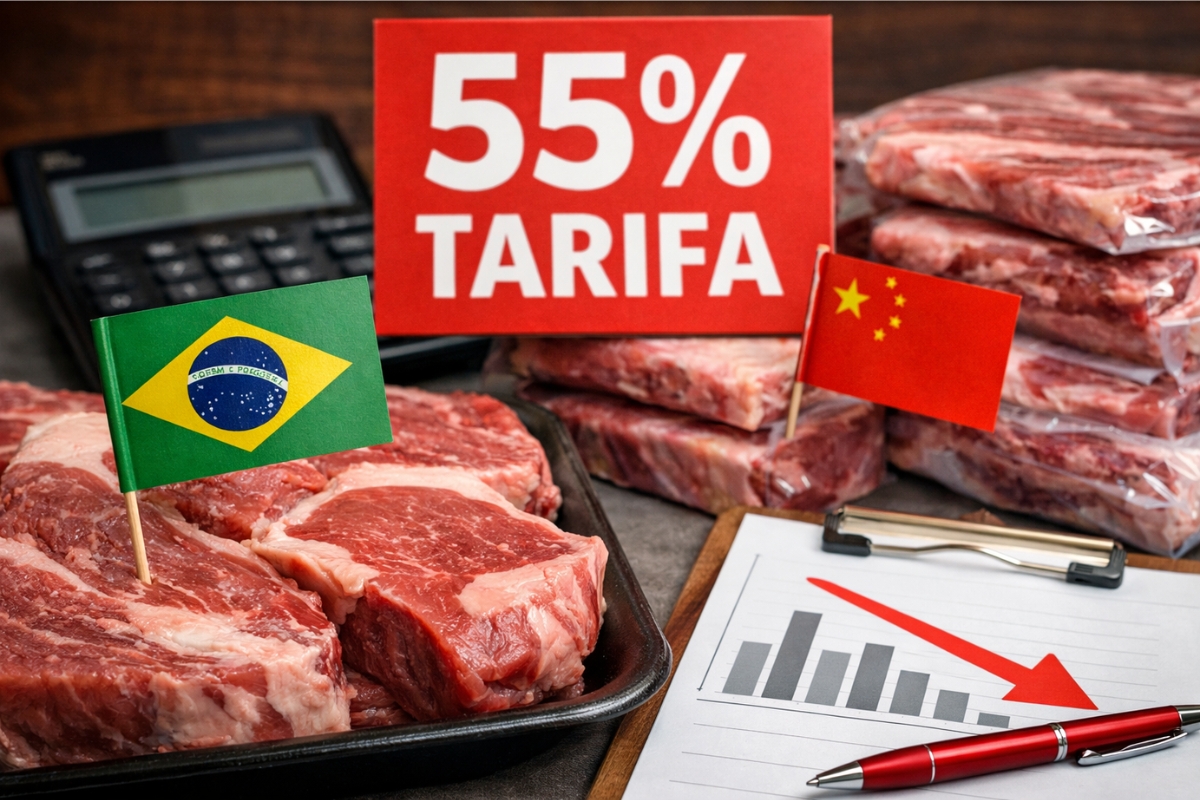
Measure Imposes Additional 55% Tariff on Imported Volume Above Quotas and Seeks to Reduce Pressure on Chinese Producers
China announced a 55% additional tariff on beef imports that exceed the annual quotas set for key supplier countries, including Brazil, Australia, and United States.
The change aims to protect local producers in a context of oversupply in the Chinese market, impacting the entry cost of products above the allowed limit.
What Happened and Why It Drew Attention
The decision was announced on Wednesday, 31, focusing on imports that exceed the quotas established in the new safeguard measures.
-
He sold his share for R$ 4 thousand, saw the company become a giant worth R$ 19 trillion, and missed the opportunity of a lifetime.

-
Elon Musk’s Starship megafrocket puts $8 billion at risk, raises alarms in the market, and could affect technology, mining, and space internet startups in the coming years.

-
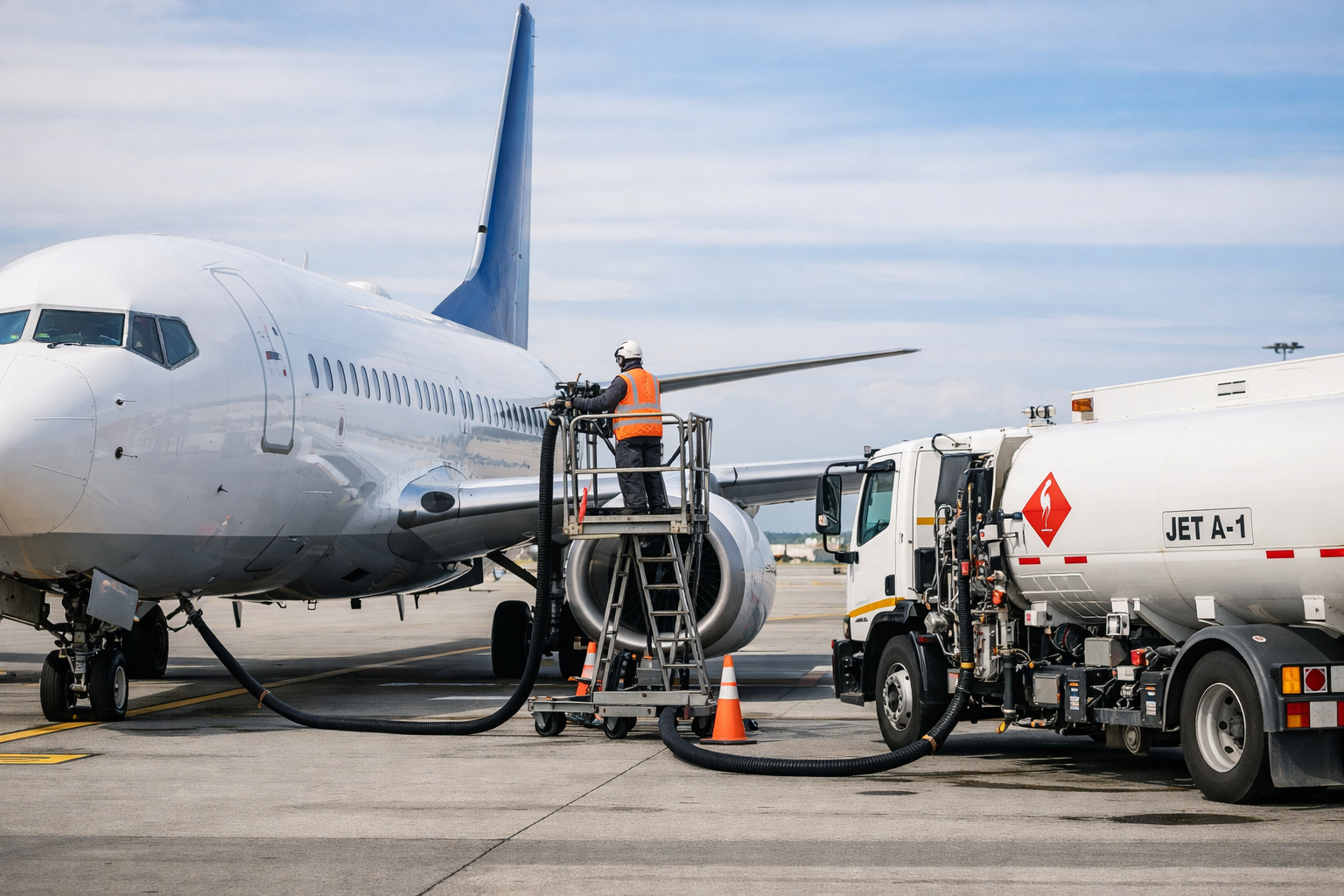
Airfare prices may rise with increasing fuel costs, and the government is considering urgent measures to avoid a direct impact on the wallets of Brazilians.
-
Chocolate prices soar nearly 15% and become a luxury item for Easter 2026, with increases surpassing inflation and changes in Brazilian consumption habits.


The extra charge applies to the volume that exceeds the annual ceiling per country, raising the cost of imported products above the limit.
When the Rule Takes Effect and How Long It Lasts
The measure will take effect on Thursday, January 1, 2026.
The validity period is three years, maintaining the quota control format throughout this period.
What Are the Rules, Deadlines, and Conditions
The Ministry of Commerce of China stated that the total import quota for 2026 for the countries included in the measures will be 2.7 million tons.
This volume is close to the record of 2.87 million tons imported in total in 2024, and the total quota is expected to increase year by year.
The new annual quota levels were defined below the volume imported in the first 11 months of 2025 by some countries, including Brazil and Australia.
Who Is Included in the Measures and How Brazil Is Affected
The rule refers to key supplier countries and includes Brazil, Australia, and United States among the targets of the safeguard measures.
In practice, the impact for Brazil appears when annual shipments exceed the defined quota, as the excess is subject to the 55% additional tariff.
What Could Happen From Now On
The Ministry of Commerce of China declared that the increase in beef imports severely harmed the national industry of the country, and the measure seeks to contain this pressure.
Analyst Hongzhi Xu, from Beijing Orient Agribusiness Consultants, evaluates that Chinese beef imports are expected to decrease in 2026 with the application of these rules.
He also points out that cattle ranching in China is not competitive compared to countries like Brazil and Argentina, and this cannot be reversed in the short term just with technological advances or institutional reforms.
China will charge a 55% additional tariff on imported beef that exceeds the annual quota, directly affecting key suppliers, including Brazil.
Taking effect from January 1, 2026 and lasting three years, the change is likely to influence the imported volume and the cost of products above the limits set for 2026 and subsequent years.






-

2 pessoas reagiram a isso.