





 Portuguese
  English
  Spanish
  5 min of reading
  0 comments


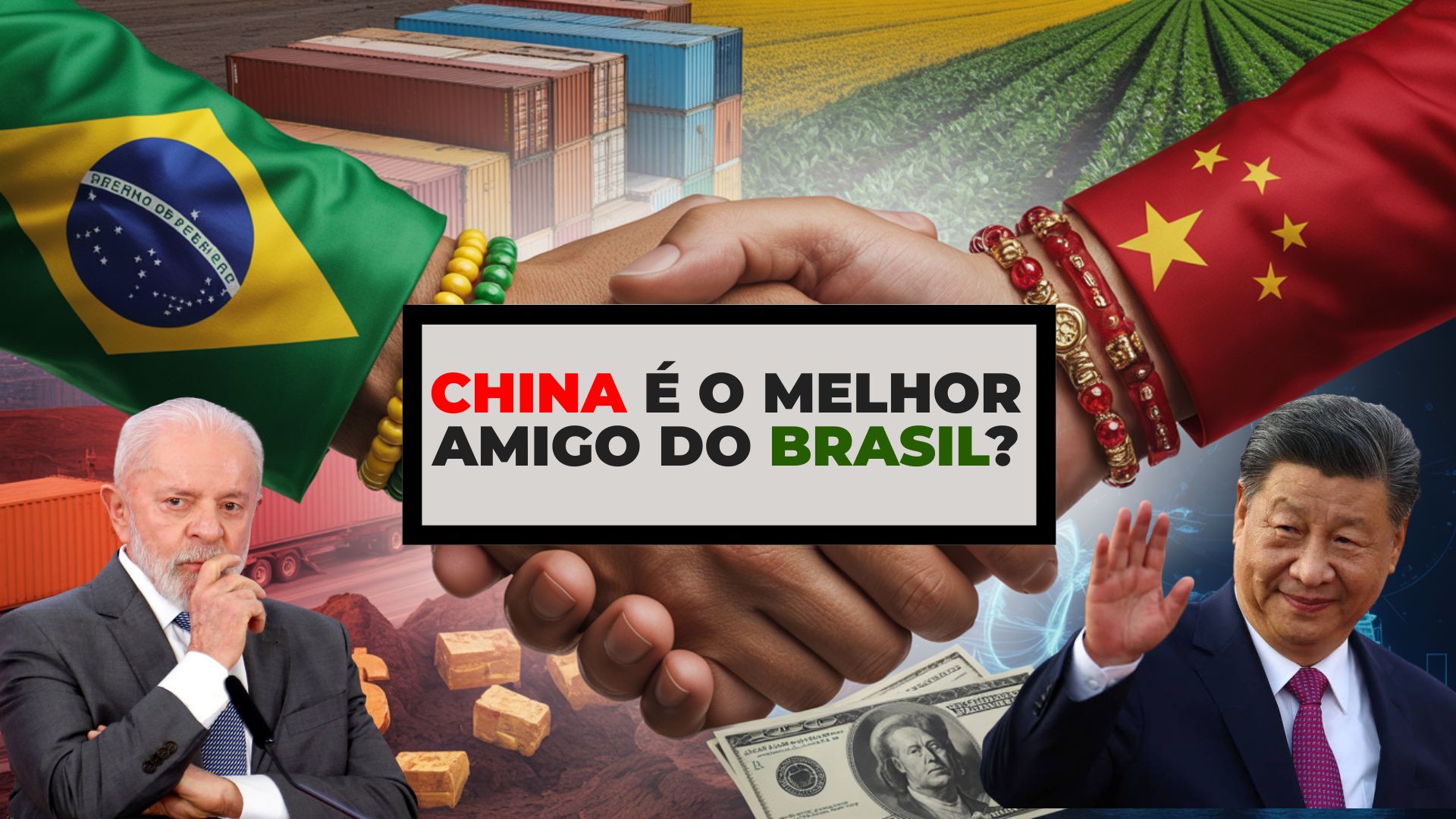
Chinese Government Strengthens Partnership with Brazil After New US Tariffs and Intensifies Diplomatic Presence Amid Global Tension.
The Chinese government has publicly reaffirmed its support for Brazil in light of the new round of tariffs imposed by the United States.
According to the g1 portal, in a report published this Wednesday (06), the gesture, articulated by China’s Foreign Minister Wang Yi, occurred during a phone conversation with Celso Amorim, special advisor to the Brazilian Presidency.
At the time, Wang Yi emphasized that China supports Brazil in “defending its own rights” and in its resistance to what he characterized as “intimidation behavior” by the American tariffs.
-
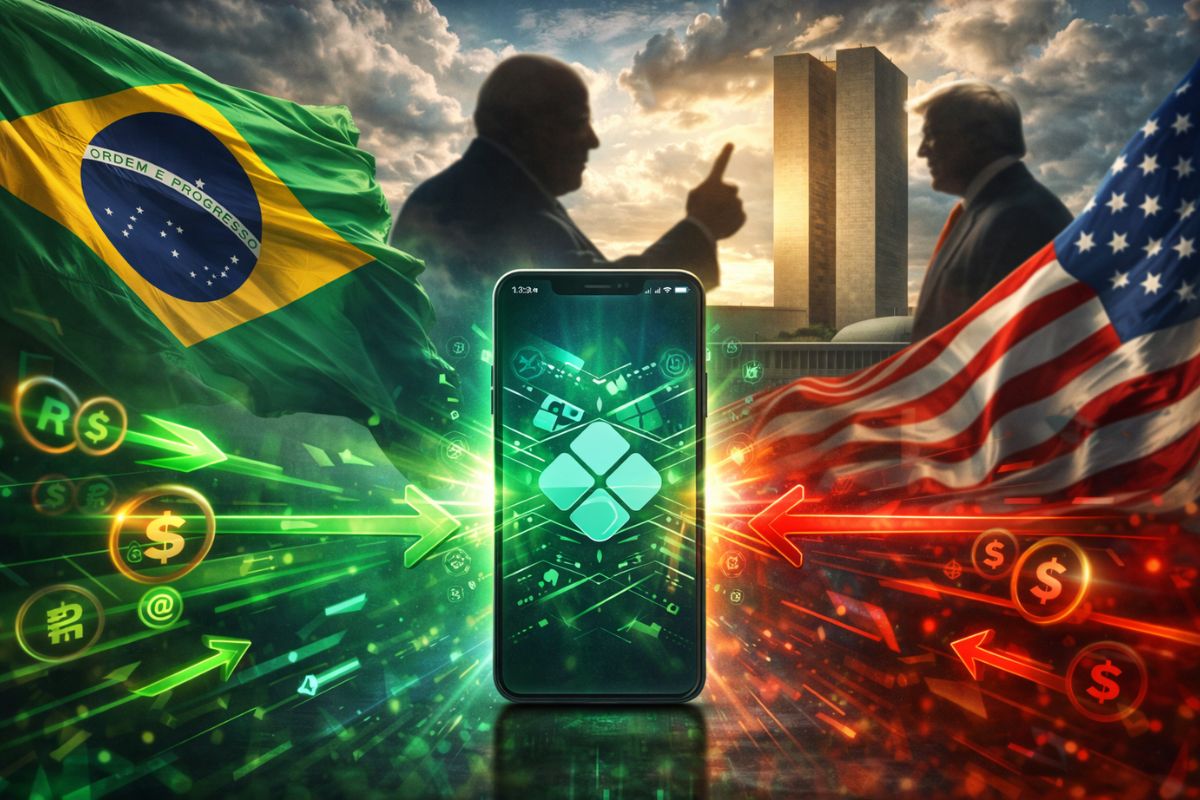
“No one will make us change the Pix,” says Lula after the US report.

-
Lula responds directly to Trump and says that Pix is from Brazil and will not change under pressure from anyone, after a report from the United States pointed out the Brazilian payment system as an American trade barrier.
-
Amazon has just announced a new fee on all deliveries, and your online purchases will become more expensive starting April 17, including for those buying from the United States here in Brazil.

-
He sold his share for R$ 4 thousand, saw the company become a giant worth R$ 19 trillion, and missed the opportunity of a lifetime.


The expression of support from the Chinese government came after the decision by US President Donald Trump to raise tariffs on Brazilian products to 50%, a measure that took effect this Wednesday (6).
According to an official statement from the Chinese Ministry of Foreign Affairs, Wang Yi also expressed opposition to “irrational external interference” in Brazil’s internal affairs, although he did not directly mention the US government.
The text, widely disseminated in Chinese official media, reinforced the strategic alignment between Brazil and China amid international tensions.
Chinese support was reiterated in other diplomatic fronts.
The Chinese Embassy in Brazil, in a message posted on the social network X, highlighted: “Unity is Strength”, suggesting cooperation and solidarity in the face of the adverse scenario.
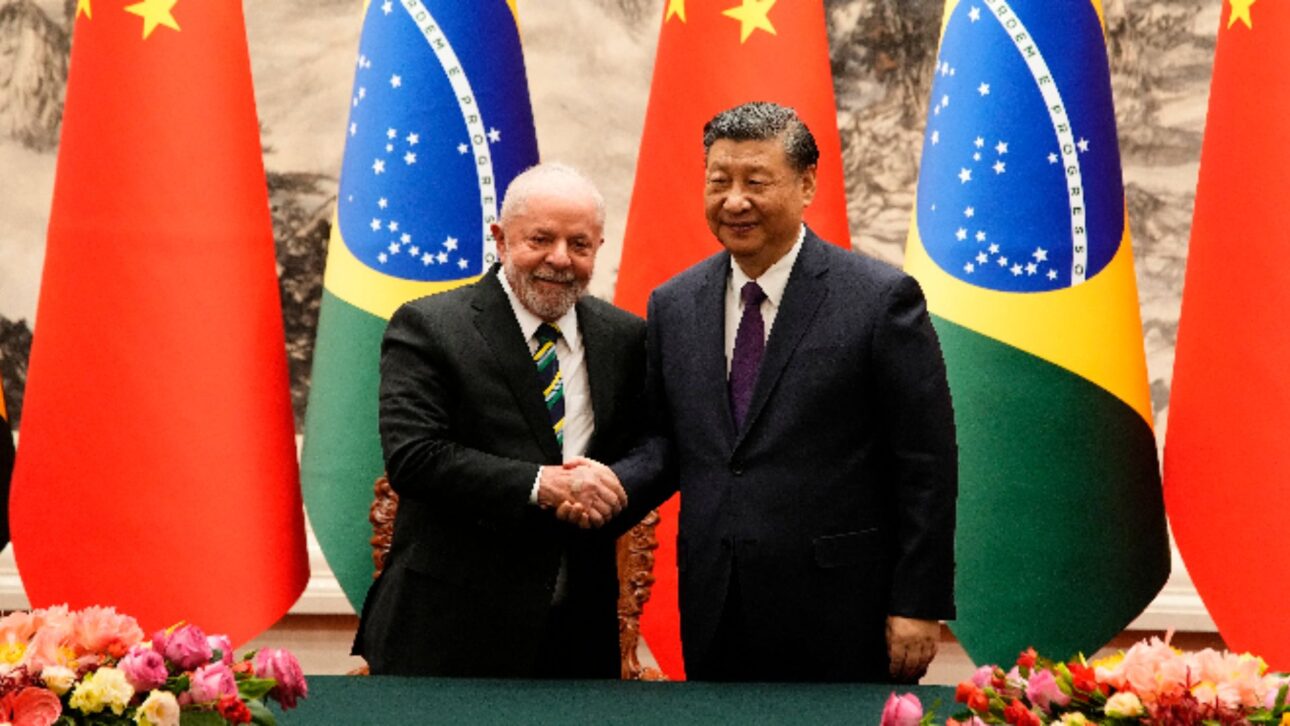
The positioning of China is directly connected to the historic trade partnership between the two countries.
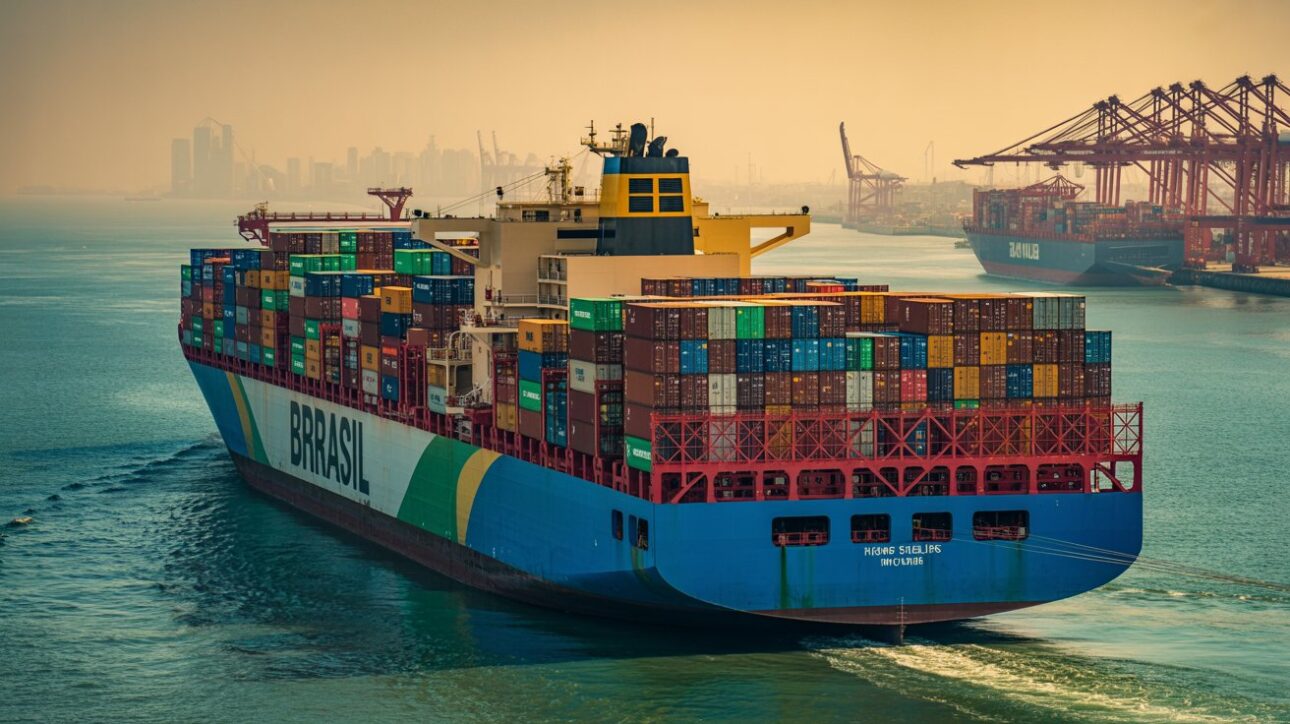
Currently, the Asian giant is the main destination for Brazilian exports, moving over US$ 100 billion in bilateral trade in 2024 alone, according to data from the Ministry of Industry, Foreign Trade and Services (MDIC).
Brazil Under the Impact of US Tariffs
The increase in tariffs by the United States originated from unilateral decisions by President Donald Trump since July.
The Republican sent letters to major US trading partners, justifying the new rates based on political issues and criticism of the legal proceedings involving former President Jair Bolsonaro, led by the Federal Supreme Court (STF).
Trump labeled the investigation as a “witch hunt” and demanded the immediate end of legal actions.
During the same period, Bolsonaro became a defendant for attempting a coup d’état on January 8, 2023, resulting in his house arrest as decreed by Minister Alexandre de Moraes of the STF.
The trade tension between Brazil and the United States did not go unnoticed by China.
In July, when Trump announced the so-called “tariff increase” – which impacted Brazil with the highest rate among all taxed countries – Beijing had already publicly criticized the use of tariffs as instruments of coercion and diplomatic pressure.
In an official response, the spokesperson for the Chinese Ministry of Foreign Affairs, Mao Ning, stated: “The equality of sovereignty and non-intervention in domestic affairs are important principles of the United Nations (UN) Charter and basic norms in international relations.”
China Expands Role in International Disputes
In addition to institutional statements, Wang Yi stressed that “the US tariffs undermine the order of international trade”, highlighting concerns that the increase in barriers could have global impacts on emerging countries.
This positioning echoes China’s actions in recent trade disputes, where Beijing sought to strengthen strategic alliances and defend multilateral trade principles.
The relationship between China, Brazil, and the United States is part of a broader contest in the global scenario.
Since the beginning of the year, China has also faced rising US tariffs on its products, reaching 34% in some cases.
Unlike other countries, Beijing reacted strongly, raising tariffs on US products, which triggered a cascade of retaliations.
This move led to a tariff dispute that reached 145% for certain Chinese items in the US and 125% for American products imported by China.
Negotiations and Effects on Brazilian Trade
Negotiations between Beijing and Washington advanced only in May, when both powers decided to partially reduce tariffs, establishing 30% on Chinese products in the United States and 10% on American goods in China.
The partial resolution of this deadlock demonstrates how the trade war between China and the United States directly influences other partners, such as Brazil, which seeks to maintain access to strategic markets and protect its economy from external pressures.
At the center of these disputes, China reinforces its position as Brazil’s main trading partner.
The flow of Brazilian exports to the Asian country, primarily composed of soy, iron ore, and beef, represents over 30% of the total sold by Brazil abroad.
This trade dependence makes the Sino-Brazilian relationship even more relevant in light of instabilities caused by US tariffs.
Prospects for Brazil in the Partnership with China
In light of the current scenario, Brazilian authorities observe the diplomatic movements with caution, emphasizing the importance of diversifying markets and strengthening international presence.
According to economists and foreign trade analysts, the Chinese stance of support for Brazil may help mitigate the negative effects of the US tariff increase, but it does not eliminate the challenges posed by dependence on a few markets.
The tariff dispute highlights the increasing complexity of international relations, where unilateral decisions can have far-reaching consequences for emerging countries.
Experts point out that China’s stance aims to consolidate its global influence and promote a multilateral trade agenda.
With the intensification of Chinese support, Brazil finds strategic backing to withstand external pressures and seek alternatives in the global scenario.
However, doubts remain: Can China truly be considered Brazil’s best friend in an international environment marked by disputes and conflicting interests? To what extent will this alliance ensure the protection of Brazilian interests in the long term?








-

-

2 pessoas reagiram a isso.