





 Portuguese
  English
  Spanish
  3 min of reading
  0 comments


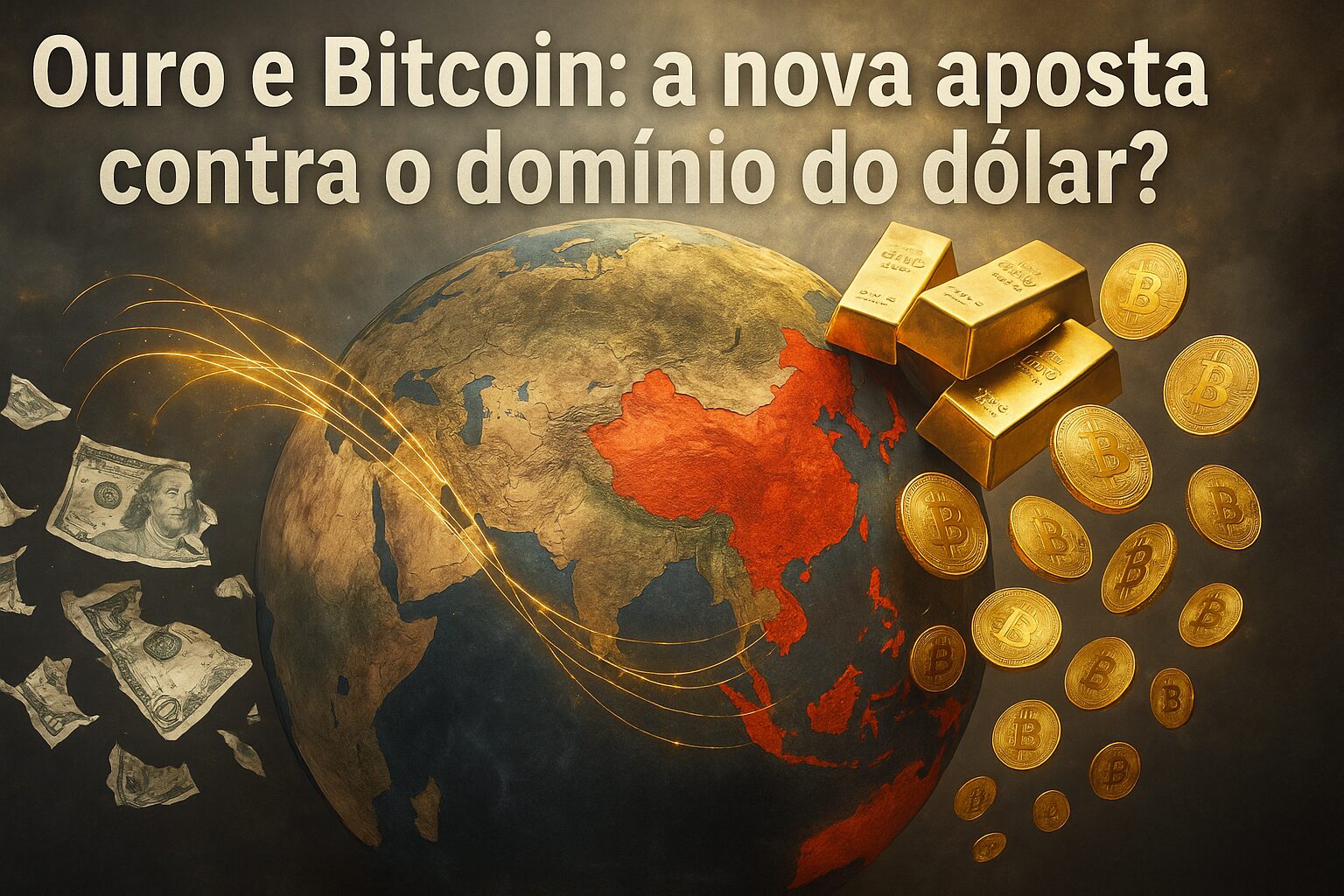
With Rising Geopolitical Tensions, Gold and Bitcoin Gain Strength as New Stores of Value, According to BlackRock Executive.
The global economic landscape may be on the verge of change: According to Jay Jacobs, head of thematic and active ETFs at BlackRock, China and other central banks are reconsidering their reliance on U.S. Treasury bonds. In a recent interview with CNBC, the executive stated that alternatives such as gold and Bitcoin are gaining traction as stores of value.
According to Jacobs, the diversification process began about three to four years ago but was recently accelerated by geopolitical tensions and the increasing fragmentation in international economic relations. “All this diversification away from traditional assets and into things like gold and also crypto likely started three or four years ago,” said the BlackRock executive.
China Rethinks Reserve Strategies Amid Global Fragmentation
China, the largest foreign holder of U.S. Treasury bonds, is among the countries leading this reassessment. According to Jacobs, one of the key factors driving this change was the freezing of approximately US$ 300 billion in assets from the Russian central bank following the invasion of Ukraine in 2022.
-
Spain challenges the USA and closes its airspace for operations against Iran, raising global tension and provoking the threat of a trade rupture.

-
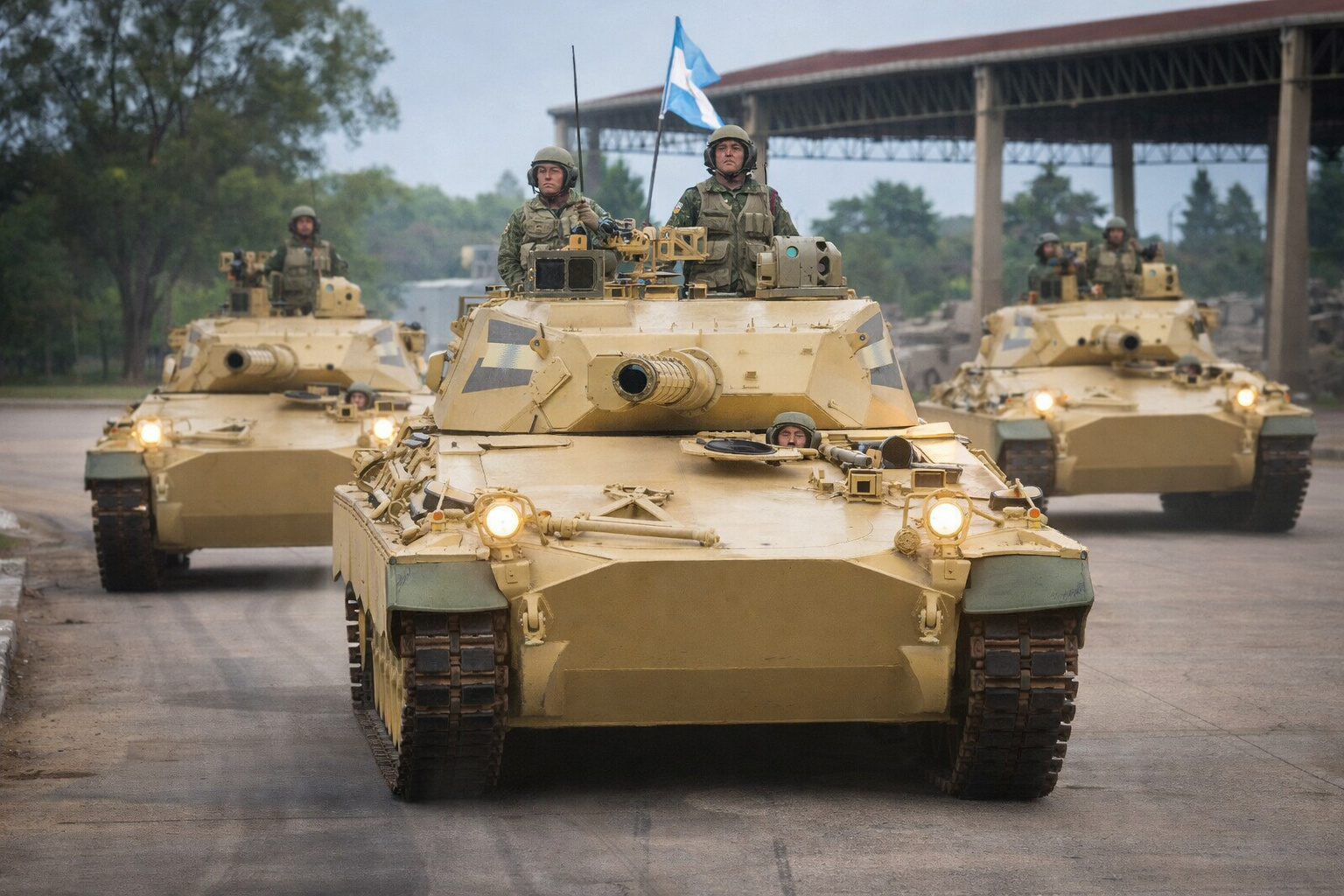
While no other country manufactures tanks in Latin America, Argentina activates the TAM 2C-A2 and raises a curiosity about the technological lag in the region.
-
A Russian ship with 730,000 barrels of oil has just arrived in Cuba while Mexico negotiates fuel sales through private companies: the communist island is desperately seeking alternatives after losing its supply from Venezuela due to American military action.

-
Iranian drones and missiles destroyed a 270 million dollar American spy plane in Saudi Arabia, splitting the E-3 Sentry aircraft in half and injuring 12 military personnel in an attack that exposes the vulnerability of U.S. bases in the Persian Gulf.



The episode raised concerns among various governments about the safety of holding large reserves in U.S. dollar-denominated assets. The response, according to Jacobs, has been to seek safer alternatives that are less exposed to sanctions or unilateral blockades. In this context, assets like gold and Bitcoin are gaining relevance.
Bitcoin and Gold Stand Out Amid Trade War
The movement among central banks is occurring alongside the intensification of the trade war between the United States and China. The tariffs imposed by the U.S. and the retaliatory measures taken by China have contributed to increasing uncertainty in global markets. According to Jacobs, this unstable environment is fueling the search for assets that are uncorrelated with traditional markets.
“We’ve seen significant flows into gold ETFs. We’ve seen significant flows into Bitcoin. And all of this is because people are looking for those assets that behave differently,” he explained.
Gold, traditionally viewed as a safe haven in times of crisis, has regained strong investment interest. Meanwhile, Bitcoin, which was initially viewed with skepticism by major institutions, is beginning to be seen as an alternative store of value, especially in high volatility scenarios.
Bitcoin Decouples from U.S. Stocks
In addition to Jacobs’ comments, other analysts have also observed changes in Bitcoin’s behavior in relation to traditional U.S. assets. Alex Svanevik, CEO of the Nansen platform, recently highlighted that Bitcoin is becoming “less Nasdaq, more gold,” referring to the decreasing correlation of the cryptocurrency with the stock market.
QCP Capital, in a note released on April 21, reinforced this perception by stating that Bitcoin and gold are sharing the spotlight as protections against macroeconomic uncertainties. The firm noted that, even amid falling stocks and the continuation of the trade war between the U.S. and China, Bitcoin has shown resilience and may gain more traction as an institutional asset.
Geopolitical Fragmentation as a Long-Term Trend
During the interview, Jacobs described geopolitical fragmentation as a “mega force” that will shape markets in the coming decades. For him, the search by central banks for alternatives to the dollar, such as gold and Bitcoin, is just the beginning of a broader process of reorganization of global reserves.
As the trade war between China and the United States continues to heighten uncertainty, the trend is that more and more countries will opt for diversification strategies to protect their economies from external shocks and potential sanctions.
This new dynamic, according to analysts, may reshape the international financial system and boost the growth of assets that were previously considered marginal, such as Bitcoin.
Source: TradingView










Seja o primeiro a reagir!