





 Portuguese
  English
  Spanish
  5 min of reading
  0 comments


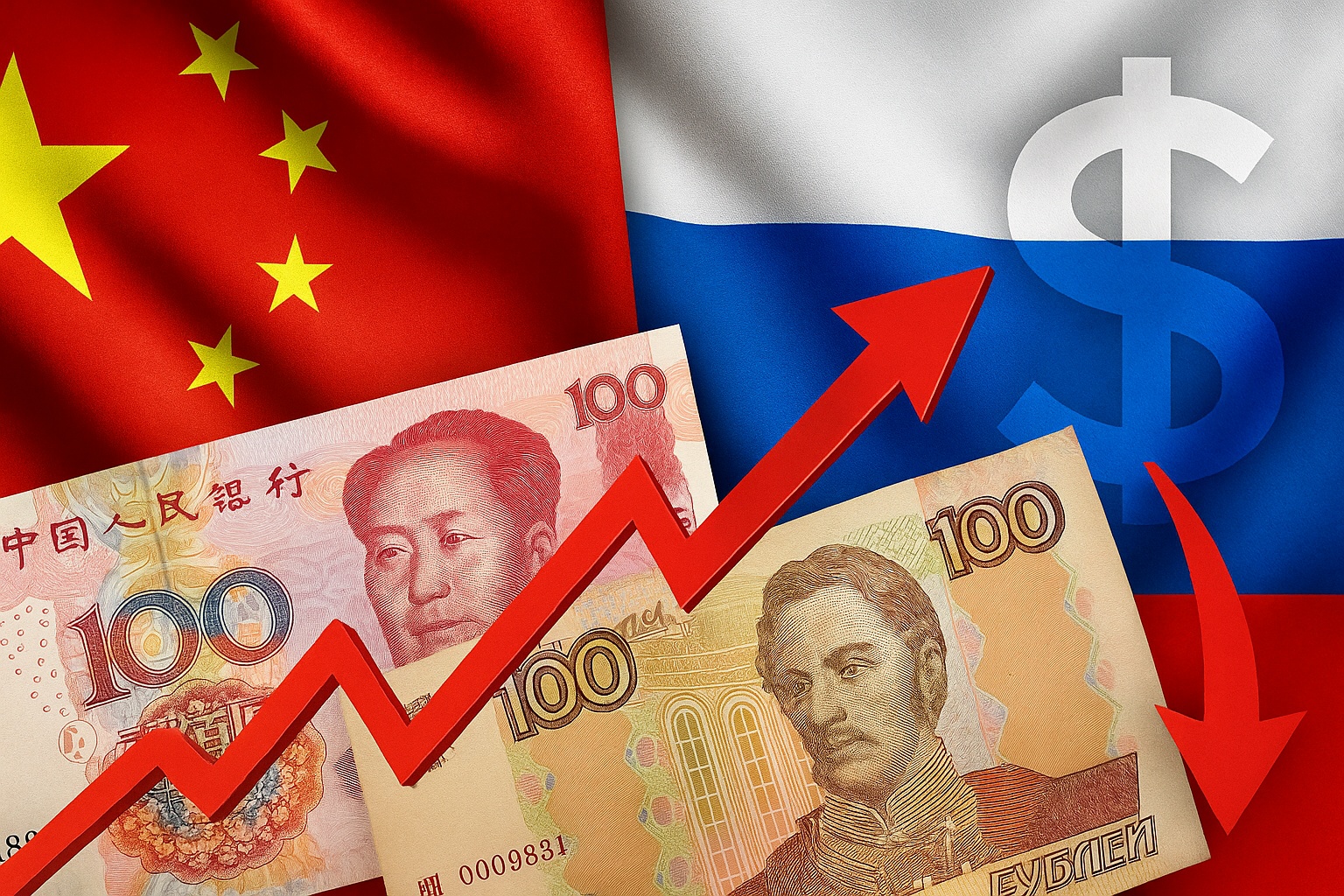
While Sanctions And Cryptos Make Noise, China And Russia Advance Silently: Bilateral Trade In Yuan And Ruble Soars, Exposes Dollar Loss Of Ground And Signals Monetary Reconfiguration Within BRICS
The international financial landscape has been shaken by successive crises, economic sanctions imposed by the West, and the emergence of cryptocurrencies as alternatives to the traditional system. But, away from the spotlight, a silent transformation has been occurring between two strategic powers: China and Russia. Over the past two years, bilateral trade between the two countries has been predominantly conducted in yuan and ruble, drastically reducing the dollar’s role in transactions.
This movement is not just an economic maneuver, but part of a larger machinery that could redefine the future of BRICS and challenge American hegemony over the global monetary system.
Trade In Local Currencies Soars And Changes The Game
According to official data released by the Central Bank of Russia and the Ministry of Commerce of China, about 90% of bilateral trade transactions are already conducted in local currencies. In 2021, the dollar still accounted for nearly half of the payments between Moscow and Beijing.
-
USA and China compete for Brazil over resources that could be worth trillions — rare earths put the country at the center of a global dispute

-
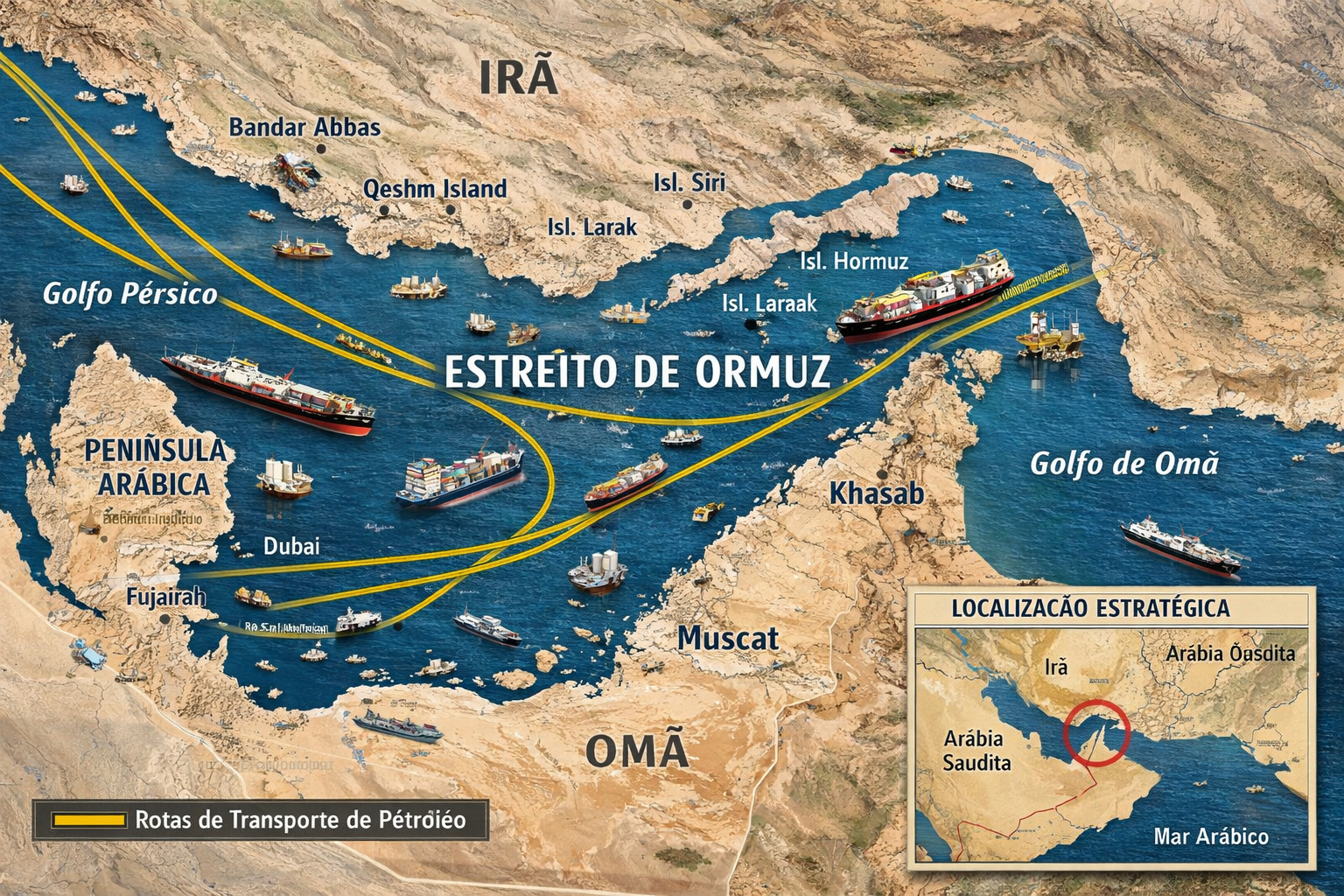
Global summit with over 40 countries pressures Iran for a blockade in the Strait of Hormuz and warns of direct impact on oil, food, and the global economy.
-
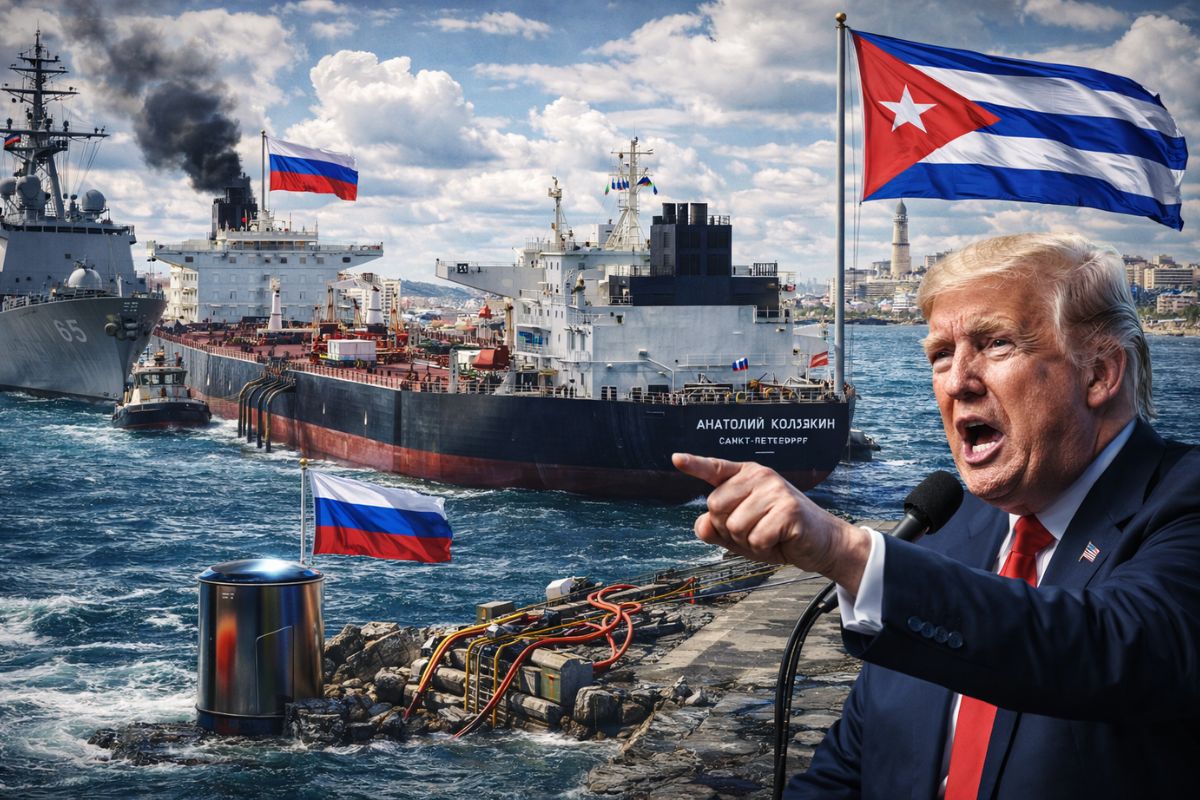
Russia has broken the U.S. maritime blockade to send oil to Cuba and is now loading a second ship while Trump says that “Cuba is next” in a possible military action against the island.
-
Spain challenges the USA and closes its airspace for operations against Iran, raising global tension and provoking the threat of a trade rupture.


By 2025, this share has dropped to minimal levels, replaced by an arrangement that favors the yuan, bolstered by China’s policy to internationalize its currency, and by the ruble, as a Russian response to Western sanctions following the war in Ukraine.
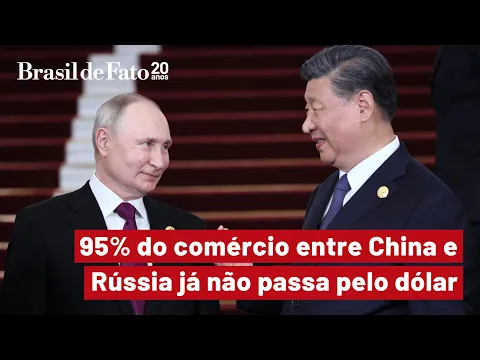

This advance is significant not only in terms of value but also in strategic sectors. Energy, oil, and natural gas, in addition to high-tech products and agricultural commodities, are increasingly being settled without the need to go through the American financial system.
For Moscow, the change is a matter of survival. For Beijing, it is a calculated step towards creating a parallel system, less vulnerable to the power of Washington.
Sanctions As A Catalyst For Change
The spark for this shift was the escalation of sanctions imposed by the U.S. and the European Union against Russia after the invasion of Ukraine in 2022.
The blocking of international reserves, the exclusion of Russian banks from the SWIFT system, and pressure on large companies pushed Moscow to seek alternatives.
Beijing presented itself as the ideal partner: it had already been structuring the CIPS (Cross-Border Interbank Payment System), a cross-border payment system that functions as an alternative to SWIFT, while also expanding the international acceptance of the yuan.
Thus, while the global narrative focused on the “boom” of cryptocurrencies as a refuge, Russia and China built, in the silence of the background, a web of transactions in local currencies. The result was a more than 60% jump in the use of the yuan in Russia’s international transactions in just two years, consolidating the Chinese currency as the second most used in the country, only behind the ruble.
Direct Impact On Dollar Hegemony
The dollar is still the world’s primary reserve currency, accounting for about 58% of international reserves, according to the IMF. But the reduction of its share in flows between China and Russia brings worrying signs for the U.S.
After all, the strength of the dollar lies not only in the American economy but also in confidence and mandatory use in international transactions. The more countries and blocs forego using it, the greater the pressure on its relevance.
If in 2000 more than 70% of global reserves were in dollars, the drop to levels close to 58% in 2025 shows a clear trend. Beijing and Moscow together move hundreds of billions of dollars annually and now create a model to be replicated by other countries that suffer from sanctions or seek to reduce dependence on the U.S., such as Iran, Turkey, and some BRICS members.
The Strategic Role Of BRICS
This movement cannot be viewed in isolation. It is part of a broader BRICS project to build alternative financial mechanisms, from the New Development Bank (NDB) to discussions about a potential “block currency”.
Although the creation of a single currency is still a distant plan filled with technical obstacles, the practice of using local currencies is already a real and tangible advancement.
At the same time, the integration between yuan and ruble strengthens the idea of a “BRICS Pay”, a payment system shielded against sanctions and out of direct reach of Washington. This not only increases the resilience of member countries, but also attracts the attention of Global South partners who see BRICS as an escape route from the system dominated by the West.
The Reaction Of The United States
The American government is closely monitoring this movement. Analysts linked to the Federal Reserve and the Treasury warn that the increase in settlement in local currencies could reduce global demand for dollars, pressuring the U.S.’s ability to finance its deficits easily. Furthermore, the loss of influence in key markets, such as energy, undermines the so-called “petrodollar,” a pillar of American hegemony since the 1970s.
Still, experts remind that the dollar retains structural advantages that are difficult to overcome: the depth of the U.S. financial market, the stability of its institutions, and global confidence in the currency.
The yuan, on the other hand, still faces barriers such as currency controls, lack of transparency, and dependence on policies of the Chinese Communist Party.
An Ongoing Monetary Reconfiguration
Even with limitations, what we observe is a gradual process of monetary reconfiguration. Russia and China have shown that it is possible to reduce exposure to the dollar practically, without waiting for the creation of new currencies or the strengthening of cryptos.
This experience, if replicated, could accelerate a fragmentation of the international financial system, creating regional blocs of influence with their own currencies.
For investors and governments, this scenario requires heightened attention. Global trade may be moving towards a multipolar model, with the dollar still dominant, but less absolute. This opens the door to volatility, currency disputes, and new power dynamics, in which BRICS countries will play a central role.








-

-

-

22 pessoas reagiram a isso.