





 Portuguese
  English
  Spanish
  5 min of reading
  0 comments


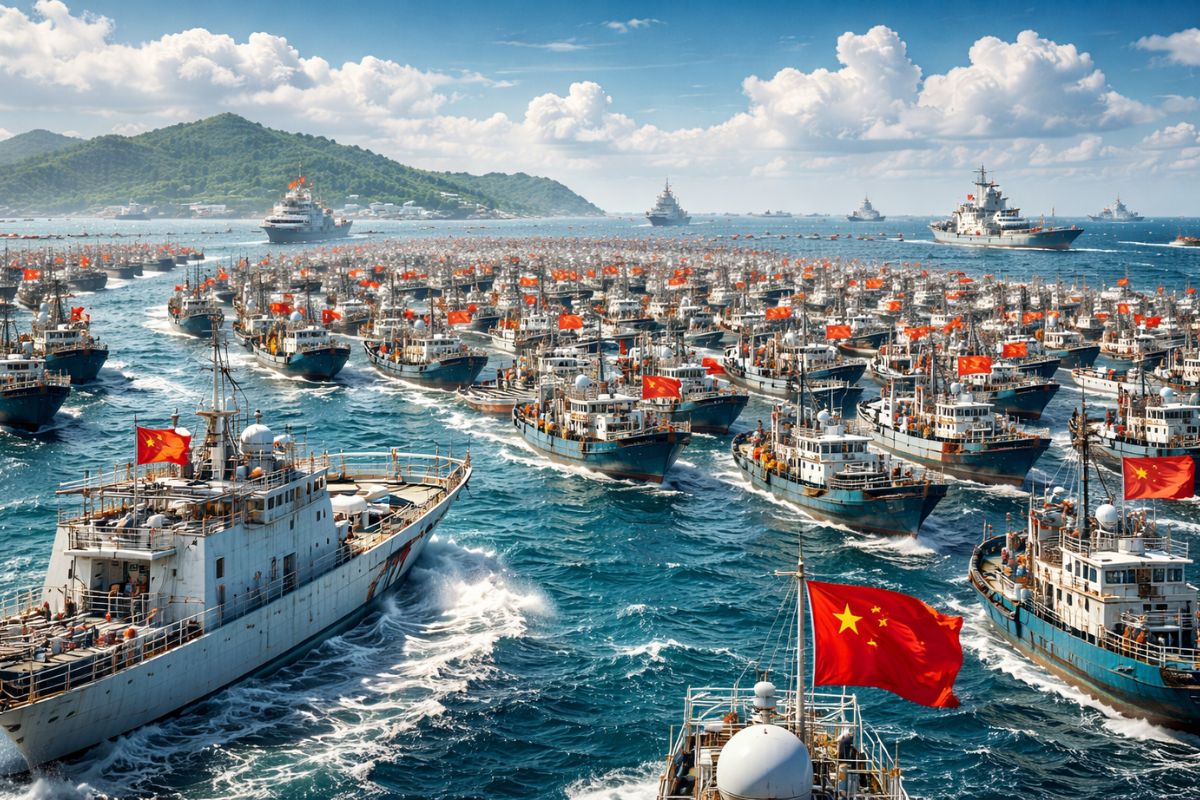
With Thousands Of Fishing Boats Aligned In The South China Sea, China Is Building A Maritime Militia And A Great Wall Of Fishing Used As A Maritime Blockade Without Firing A Shot.
China has been using thousands of fishing boats as a kind of “great wall” floating to block strategic stretches of the South China Sea, bring its maritime borders closer to those of Japan and Taiwan, and test the response of the United States in a war that, for now, remains silent.
Instead of missiles or cannon fire, the strategy relies on coordination, mass, and ambiguities: at least 1,400 fishing boats were mobilized in January to form a barrier of about 300 kilometers, and another operation on Christmas 2025 brought together more than 2,000 vessels in a similar formation, creating real obstacles for merchant ships, without a single shot being fired.
How The “Great Wall” Of Fishing Boats Works In Practice
Behind satellite images showing dense lines of fishing boats aligned at sea, there is a clear logic of blockade.
-
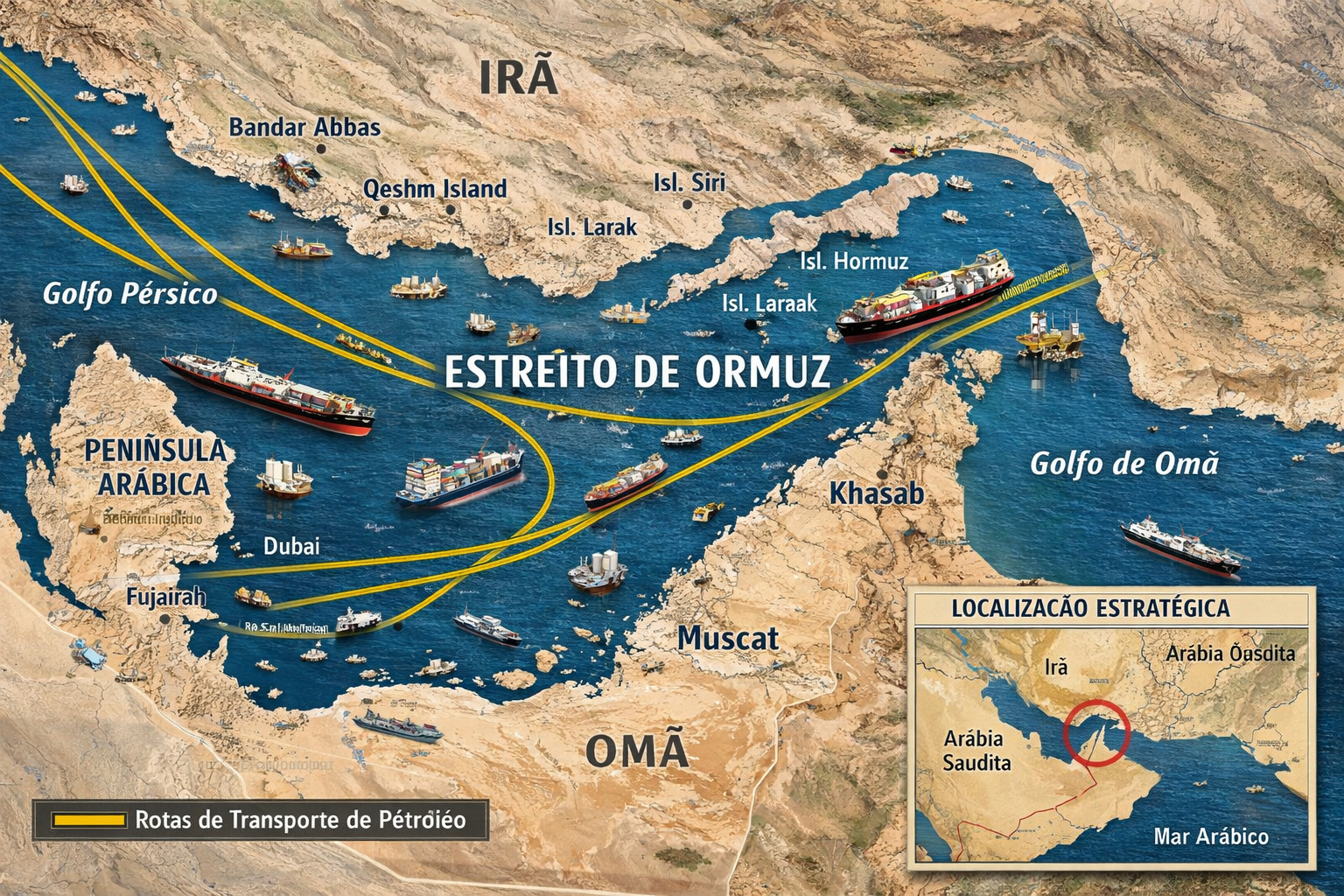
Global summit with over 40 countries pressures Iran for a blockade in the Strait of Hormuz and warns of direct impact on oil, food, and the global economy.
-
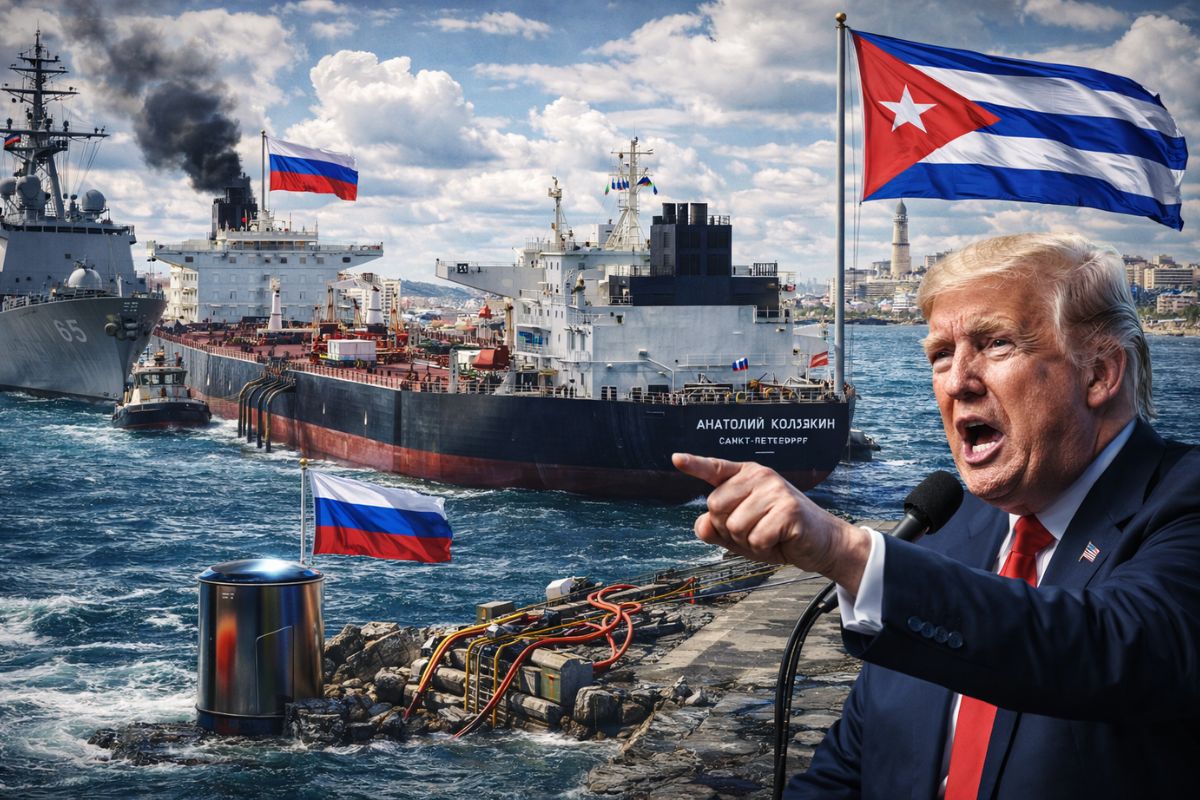
Russia has broken the U.S. maritime blockade to send oil to Cuba and is now loading a second ship while Trump says that “Cuba is next” in a possible military action against the island.
-
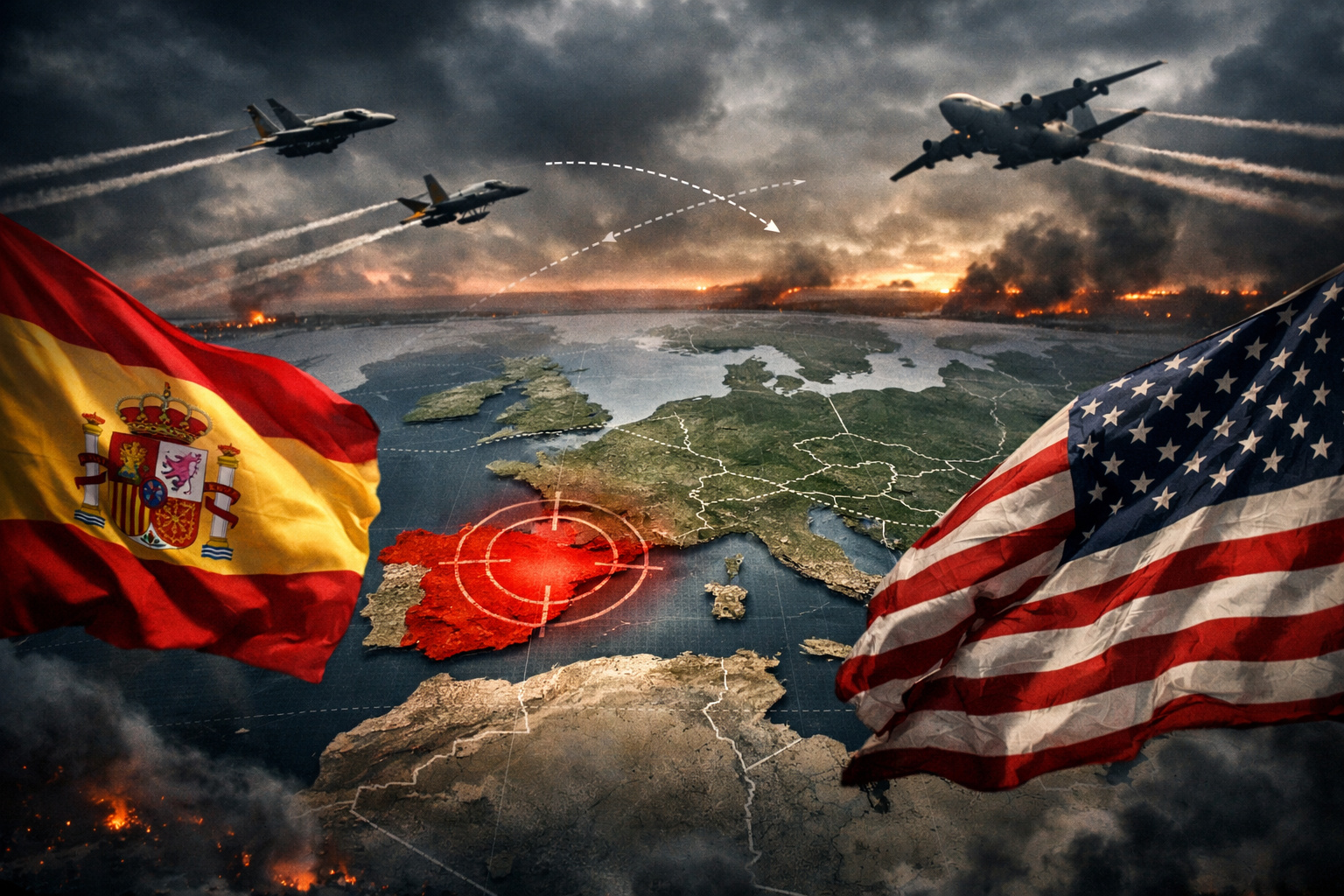
Spain challenges the USA and closes its airspace for operations against Iran, raising global tension and provoking the threat of a trade rupture.
-
While no other country manufactures tanks in Latin America, Argentina activates the TAM 2C-A2 and raises a curiosity about the technological lag in the region.
On January 11, about 1,400 vessels left their normal fishing routine to position themselves in an intermediary point between China and Japan, forming a continuous strip of approximately 300 kilometers in length.
This wall of fishing boats was so compact that transport ships crossing the region were forced to alter their routes or execute careful maneuvers to get through the corridor.
In practice, it was a mobile artificial reef, erected in a few hours, capable of limiting flow in an entire area, without the use of buoys, mines, or fixed physical barriers.
Coordinated Blockades: From January To Christmas 2025
The January episode was not an isolated case. On Christmas 2025, more than 2,000 Chinese fishing boats repeated the maneuver, this time forming an inverted “L” shape. The longest leg of the formation was again between China and Japan.
The shorter leg was positioned to create a symbolic separation between Taiwan and the major ports of mainland China.
Analysts consulted by international media pointed out that they had already observed unusual movements of fishing boats in previous situations, but on a much smaller scale, numbering in the hundreds of vessels.
What stands out in the operations of December and January is the combination of scale, speed of mobilization, and precision of positioning, something that is difficult to explain as mere coincidence in the fishing sector.
What China Seeks By Using Fishing Boats As A Wall
These formations are not just curious choreographies. They are part of a broader context of territorial dispute.
China claims as its “historical territory” areas that Japan and Taiwan consider their own, including islands and reefs in regions rich in fish, hydrocarbons, and even rare earths.
Over the years, the country has employed different instruments to reinforce this position:
- sending warships to contested areas
- building artificial islands on remote reefs
- constant patrols in routes used by neighbors and by U.S. allies
The “great wall” of fishing boats adds a new layer to this strategy. By mobilizing a large number of civilian vessels, China is able to project presence, hinder the use of maritime corridors, and test the limits of tolerance of other countries, all without immediately triggering the same responses that a military fleet would provoke.
Maritime Militia: When Fishing Boats Become Pressure Tools
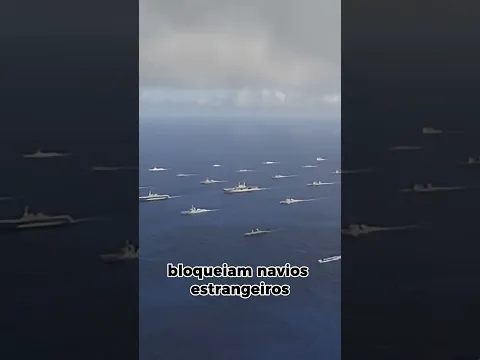

The coordinated employment of thousands of fishing boats is often described as operating a “maritime militia,” that is, a hybrid force that operates at the border between civilian and military.
These boats remain registered and equipped as fishing vessels, but operate in formations with clearly strategic objectives.
From an operational perspective, this fishing militia fulfills two central roles:
- block or hinder navigation routes in sensitive areas, forcing ships to reduce speed or change their course
- serve as a contact mass in crisis situations, making any force action against them politically much riskier since they are civilian vessels
Thus, in a hypothetical sharper crisis, China could deploy hundreds of fishing boats to practically obstruct the movement and resupply of adversary military ships, using the fact that they are civilians as a kind of political shield.
Bait For Radars And Missiles In A Crowded Sea
There is also a technological dimension not readily visible in images but highlighted by military analysts. Masses of small fishing boats can act as “noise” on radars and sensors, filling screens with hundreds of targets simultaneously.
Former officials point out that, in a real confrontation scenario, this cloud of fishing boats could serve as bait for missiles and torpedoes guided by radar or heat signatures, increasing the difficulty of quickly identifying which contacts are warships and which are smaller vessels.
The denser the environment, the more complex the combat decision-making becomes, especially if there is concern about avoiding harm to civilians.
This ambiguity is one of the main elements of strength in the strategy. Attacking the fishing boats would mean hitting civilian targets. Ignoring them, on the other hand, could mean operating in less favorable tactical conditions, with limited visibility and congested routes.
Military Exercises, J 16, F 16 And The Escalation Around Taiwan
The formations of fishing boats do not happen in a vacuum. The last major maneuver occurred days after military drills by China around Taiwan aimed explicitly at simulating a blockade of the island.
During this same period, reports indicate that J 16 fighters from the People’s Liberation Army dangerously approached Taiwanese F 16s, even launching flares during interception attempts.
There was also a significant new development: a Chinese military drone entered Taiwan’s airspace for the first time, crossing a line that had previously not been breached.
Meanwhile, there were accusations that China was conducting nuclear tests, while the United States called for moderation but reinforced its presence in the region.
In this context, the great wall of fishing boats serves as an additional piece on a board already crowded with aerial, naval, and missile exercises, expanding the array of instruments used to pressure without necessarily initiating open conflict.
The Strength Of A Blockade That Does Not Fire A Shot
In the end, the main feature that makes this strategy so sensitive is its hybrid nature. The maneuvers involving thousands of fishing boats remain on the line between economic activity and geopolitical pressure operation, complicating any direct response.
For Japan, Taiwan, and the United States, the message is clear: a political decision is all it takes for crucial maritime routes to be occupied by a mass of civilian vessels, creating delays, diversions, and increased operational risk.
For China, it is a way to demonstrate control and coordination capability on a large scale without automatically crossing the line into conventional military attack.
Faced with a “great wall” made of fishing boats blocking strategic routes without a single shot, do you think this tactic should already be viewed as a form of military aggression, or is it still within what the geopolitical game considers acceptable in peacetime?







-

Uma pessoa reagiu a isso.