





 Portuguese
  English
  Spanish
  3 min of reading
  0 comments


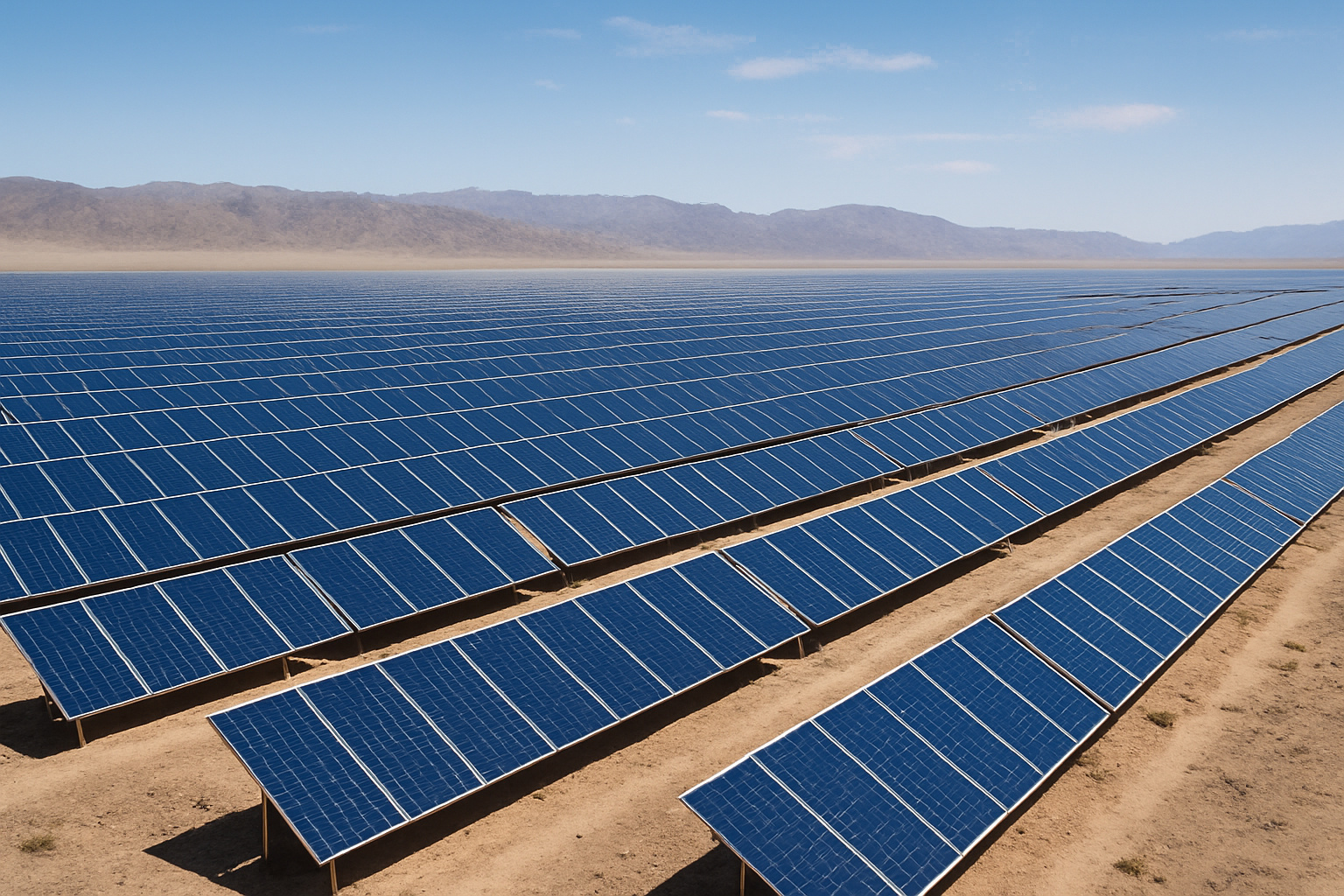
The Asian Giant Expands Its Domain in Clean Energy and Transforms Qinghai into a Global Model of Sustainability
In March 2021, during a meeting with lawmakers from the province of Qinghai, President Xi Jinping determined that the region should become a “highland of clean energy”.
Since 2012, China began construction of the first solar base of 10 million kilowatts in Talatan.
Currently, the project houses 91 energy companies, with 63 photovoltaic and 28 wind, establishing itself as a symbol of Chinese technological advancement in sustainable energy.
Moreover, the cost of solar energy in the province is about 40% lower than that of coal.
This factor strengthens the country’s competitiveness against fossil fuels and accelerates the decarbonization of the economy.
System Components: Solar, Wind, and Hydroelectric
The solar panels in Talatan were initially installed on arid and low-lying land.
This made it difficult for local sheep grazing.
Over time, the new taller structures allowed for a balance between energy production and pastoral activity, promoting environmental balance and productive efficiency.
The park now produces 17,898 gigawatt-hours per year, according to technical data from 2025.
The wind turbines, despite the low air density, take advantage of nighttime winds to complement solar flow.
This balance between sources ensures stable and continuous operation.
In the hydro sector, the Lijiaxia Dam stands out, with 2,000 MW of installed capacity.
The Longyangxia plant, operating since 1992, integrates an additional solar park of 850 MW.
Recent projects utilize the solar surplus to pump water to elevated reservoirs.
Thus, energy is generated at night through a pumped storage technique.
ARTICLE CONTINUES BELOWSee also
Switzerland invested over $2.3 billion and bet on water, altitude, and solid rock to create a battery in the Alps capable of powering more than 1 million homes.
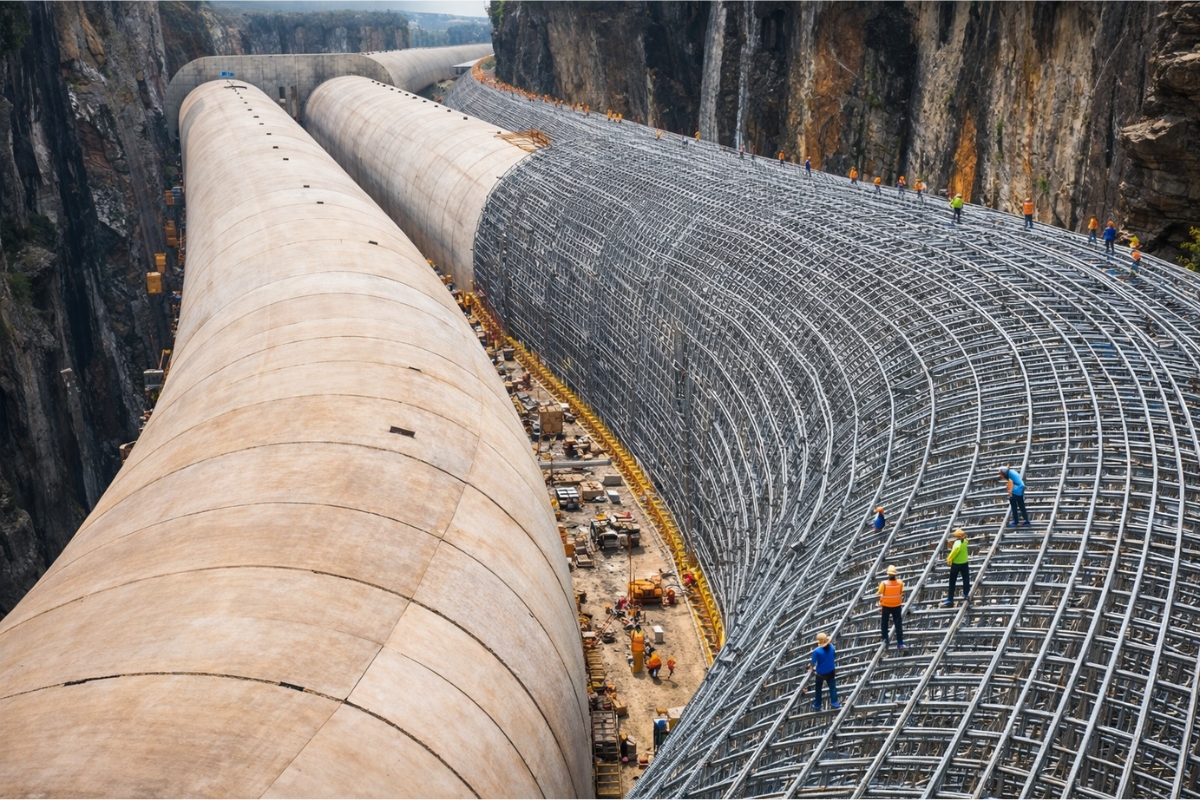
In Switzerland, tracks that previously only accommodated trains are beginning to generate electricity with removable solar panels installed on active railways, paving the way to transform the railway network into a new front for clean energy.
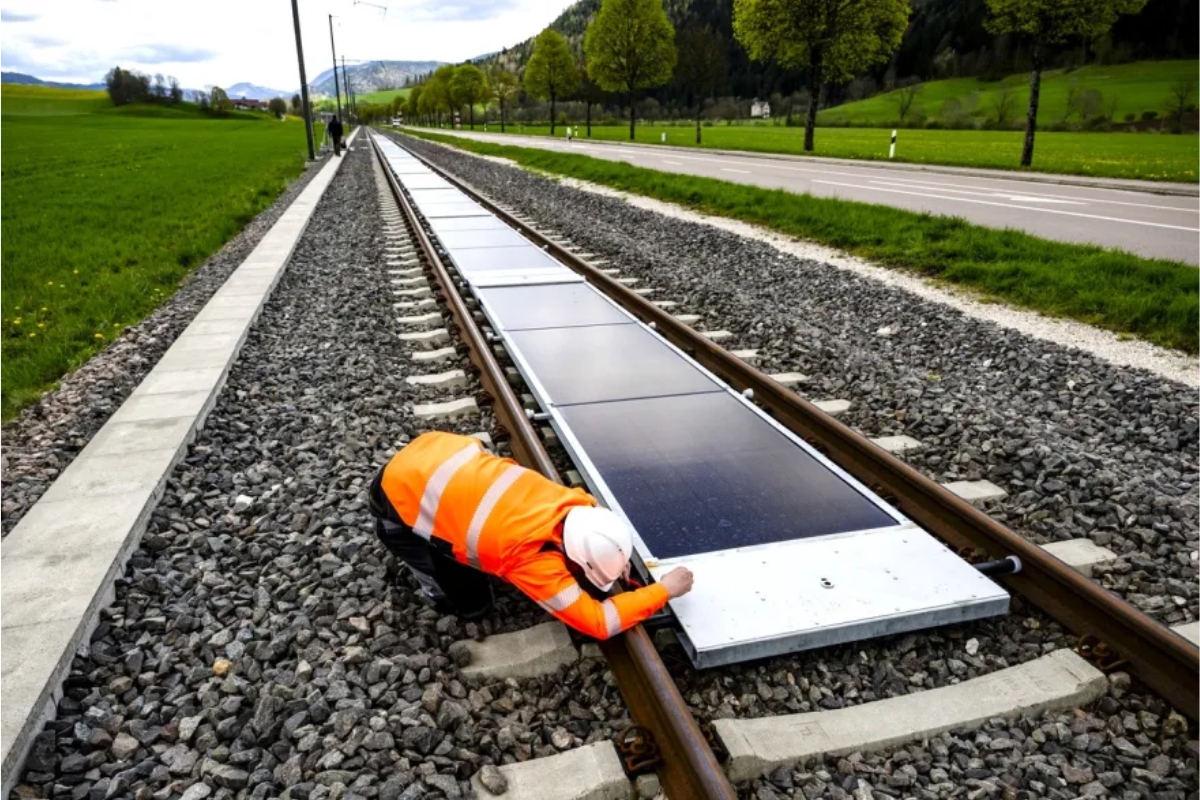
Brazil raises alarm to avoid blackout: the country may need 3 Itaipus and is already wasting up to 5,135 MW of energy on days of excess solar.
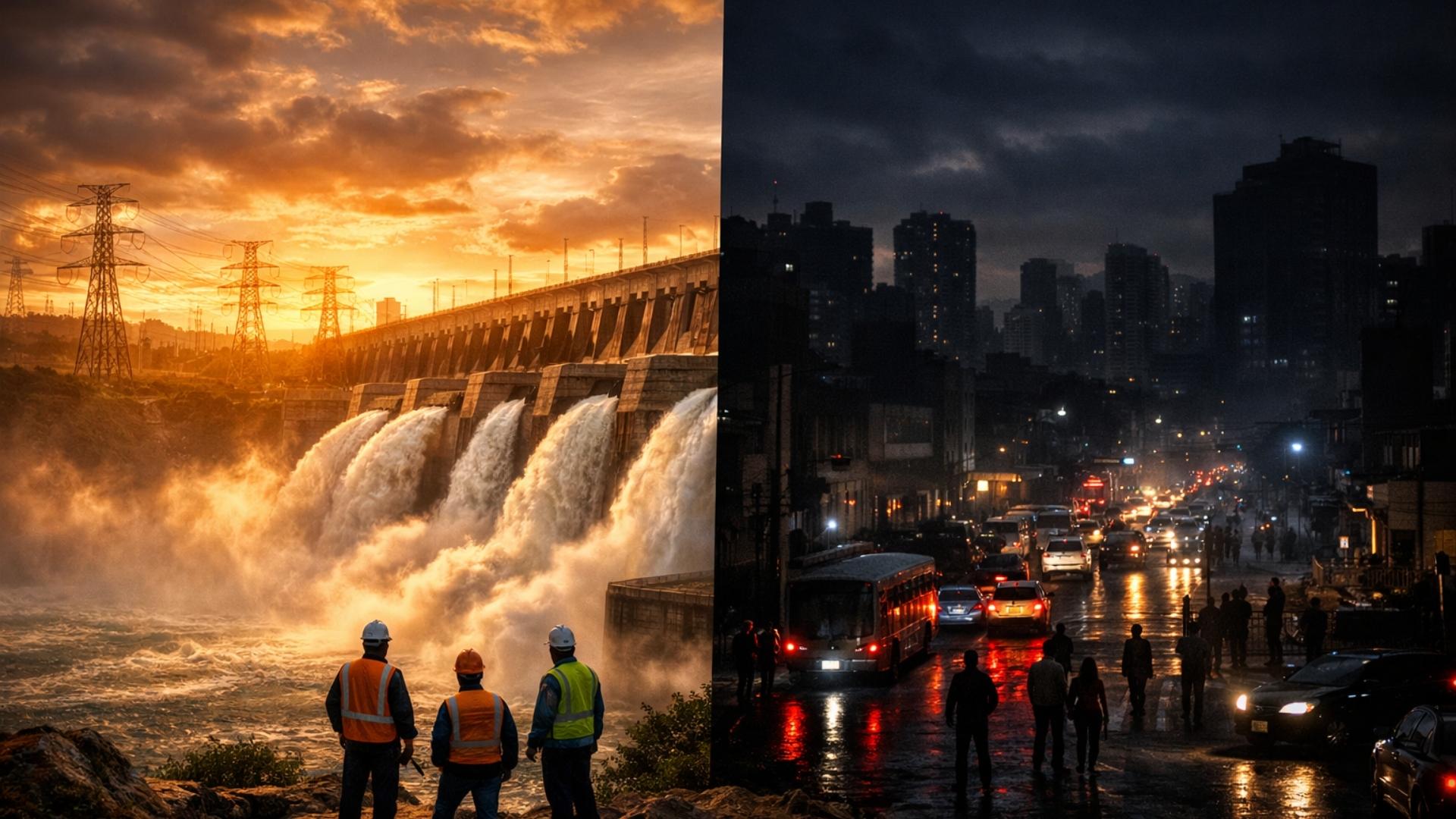
Renewable energy advances over protected areas in Brazil, and a survey by the Energy Transition Observatory reveals silent impacts that challenge environmental conservation and pressure sensitive traditional territories.

Benefits, Impacts, and Challenges
Thanks to cheap and abundant energy, large industries have migrated to Qinghai, particularly polysilicon and artificial intelligence data centers.
These centers consume 40% less electricity due to the region’s cold climate.
The goal is to quintuple the capacity of these data centers by 2030, reducing costs and emissions.
However, social challenges persist.
The installation of energy projects requires the relocation of Tibetan communities.
China, which has already relocated over one million people to build the Three Gorges Dam, faces criticism over social impacts.
In July 2025, Premier Li Qiang inaugurated five new dams on the Yarlung Tsangpo River in southern Tibet.
The project, kept secret, worries India, which fears restrictions on downstream water flow.
Still, the Chinese government argues that hydropower expansion is essential for balancing the energy matrix.

Future and Prospective Goals
China continues to advance towards even higher altitudes.
It is installing solar parks in mountain valleys near Lhasa, with systems of up to 150 MW at 5,200 meters above sea level.
To encourage investments, the western provinces have granted free land.
The central government, however, has begun to charge symbolic annual fees to optimize land use.
The national energy transition plan aims to multiply the country’s renewable capacity sixfold by the end of the decade.
With this, China solidifies its global leadership in clean energy and directly contributes to reducing global emissions.
The megacomplex of solar and wind in the Tibetan Plateau symbolizes a new global energy paradigm: technological, strategic, and environmentally sustainable.







Seja o primeiro a reagir!