





 Portuguese
  English
  Spanish
  5 min of reading
  1 comment


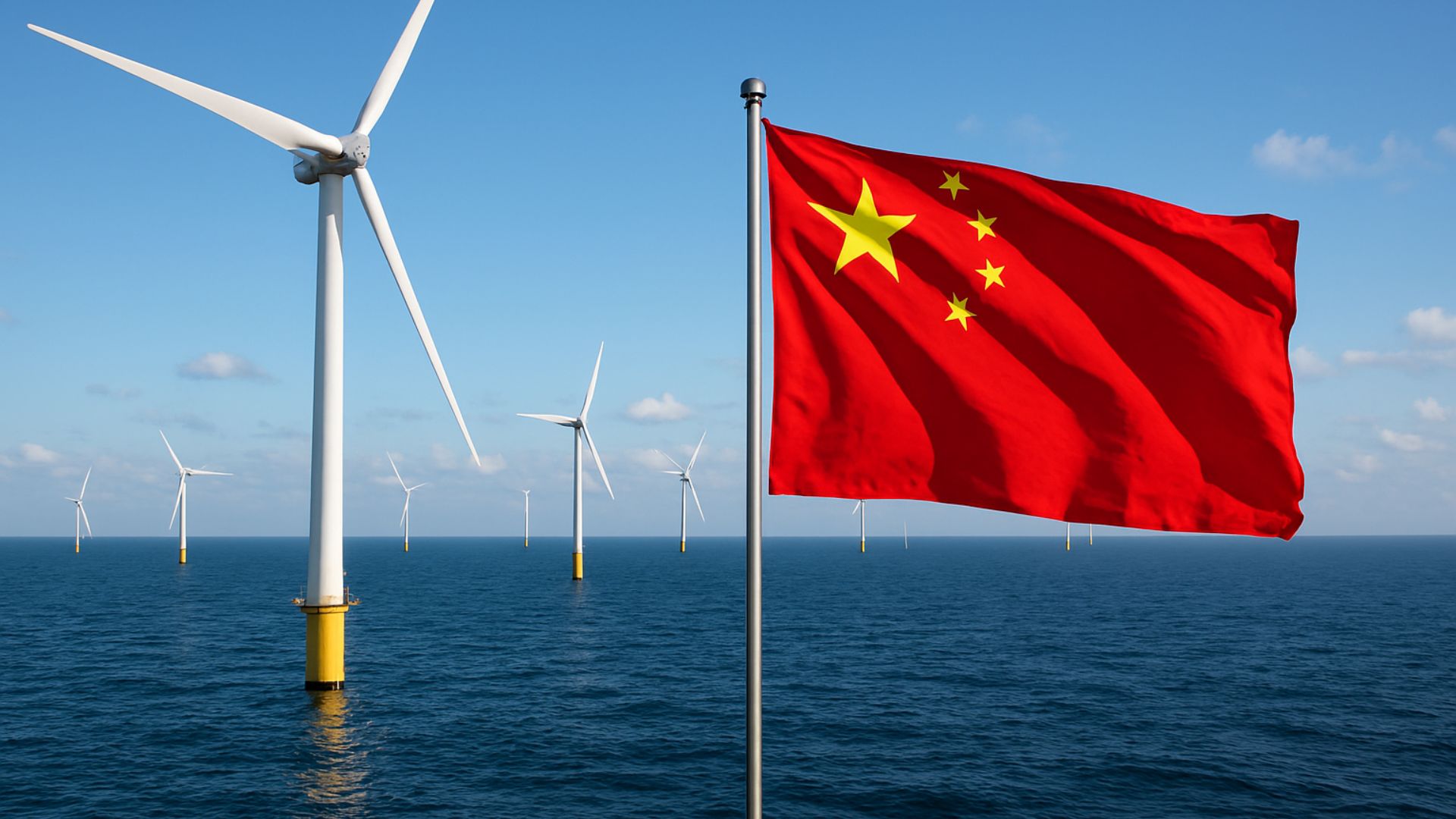

China Advances in Energy Transition with Underwater Data Center Powered by Wind Energy, Highlighting Technological Innovation and Significant Environmental Impact Reduction
On October 21, 2025, China inaugurated the world’s first underwater data center powered by wind energy, marking a historic advancement in energy transition and sustainable digital infrastructure.
According to a report from News.az International, the project, located in Shanghai, promises to reduce energy consumption by 22.8%, eliminate water use, and reduce land occupation by 90%.
China Leads Innovation with Underwater Data Center Powered by Wind Energy
The inauguration of the first underwater data center powered by wind energy represents a milestone in the quest for sustainable solutions for the technology sector. The launch ceremony took place on October 21, 2025, in the Lingang Special Area, a free trade zone in Shanghai, according to information from the Xinhua agency.
-
The Brazilian state accelerates industrial competitiveness with a focus on the extraction of strategic minerals to boost the energy transition in Goiás.

-
A Canadian retiree creates a hydroelectric system on a real river, generating energy continuously throughout the day and demonstrating how the power of water can supply a house with stability even in a simple structure.

-
Giant of the winds in Rio Grande do Norte: Serra do Tigre Wind Complex receives new investments and accelerates the expansion of clean energy generation to supply millions of Brazilian homes.

-
Petrobras reaffirms its commitment to the market and ensures that it will carry out the energy transition safely to maintain national sovereignty.


With an investment of 1.6 billion yuan (about US$ 226 million), the project has an energy capacity of 24 megawatts and utilizes more than 95% green electricity. This initiative reinforces China’s commitment to energy transition and reducing the environmental footprint of its data centers.
Environmental Efficiency: Energy, Water, and Land Occupation
The submerged structure presents significant advantages over conventional data centers:
- Energy consumption reduced by 22.8%, thanks to natural cooling with seawater.
- Water use eliminated by more than 90%, as there is no need for traditional cooling systems.
- Land occupation reduced by more than 90%, freeing up space in urban and industrial areas.
Additionally, the project achieved an energy efficiency index (PUE) below 1.15, surpassing the goals set by the Chinese green data center policy, which requires a PUE below 1.25 by the end of 2025.
Wind Energy as the Basis for China’s Energy Transition
The choice of wind energy as the main source reflects the abundance of resources in the East China Sea, which offers more than 3,000 hours of annual utilization. This energy stability is essential to ensure the continuous operation of large-scale computing systems.
The integration of renewable energy and digital infrastructure is a decisive step in the global energy transition. The project also aligns with the “East Data, West Computing” initiative launched by China in 2022, which aims to balance data storage and processing between coastal and inland regions.
Strategic Partnerships and Planned Expansion
The success of the project involved collaboration among various companies:
- Shanghai Hicloud Technology
- Shenergy Group
- China Telecom (Shanghai subsidiary)
- INESA
- Third Harbor Engineering Co., Ltd.
These organizations signed an agreement to develop a new underwater data center with a capacity of 500 megawatts, also powered by wind energy. The expansion demonstrates the scalability potential of the technology and the growing interest in sustainable solutions for the IT sector.
Natural Cooling: An Innovation that Reduces Costs
One of the main differentiators of the project is the use of seawater for cooling. In traditional data centers, energy consumption for cooling can reach 50%. In the underwater model, this percentage drops to less than 10%, according to Su Yang, manager of Shanghai Hicloud Technology.
This innovation not only reduces operational costs but also contributes to the preservation of water and energy resources. Natural cooling is a trend that could transform the design of data centers worldwide.
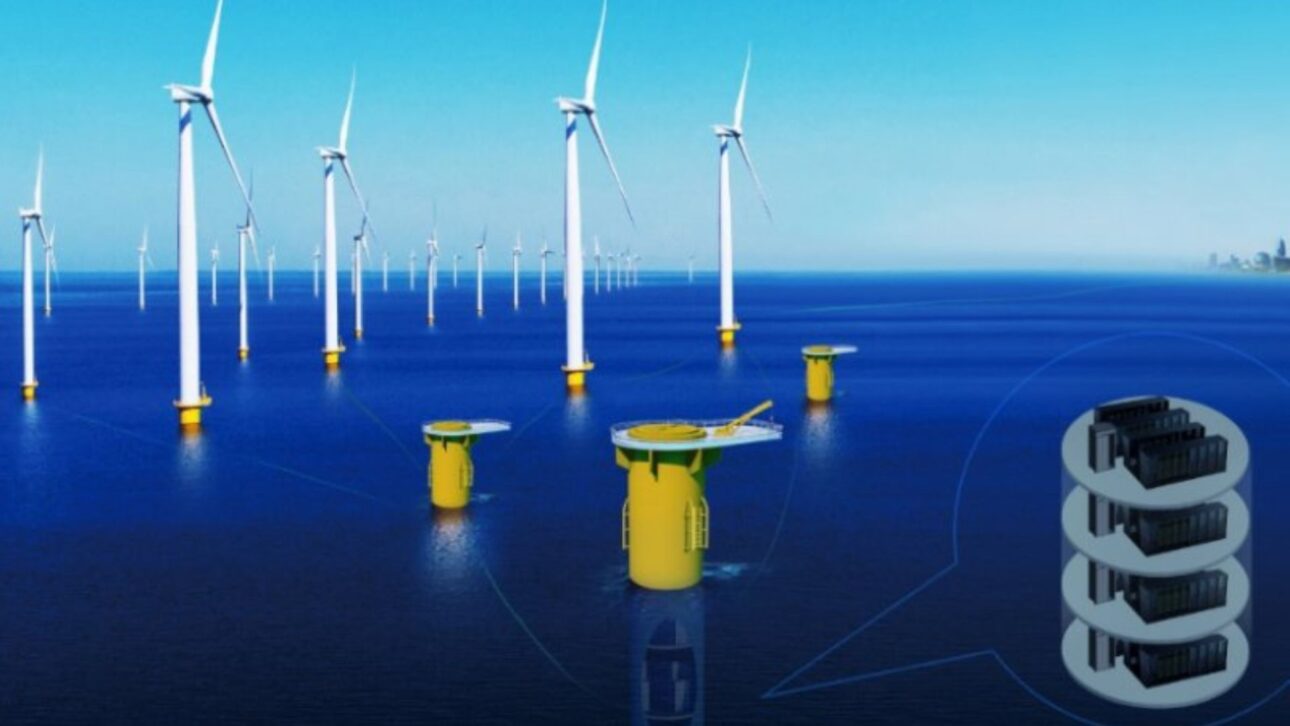
China’s Underwater Data Center and the Future of Intelligent Computing
Shanghai plans to expand its intelligent computing industry, aiming to reach 200 billion yuan by 2027 and achieve a capacity of 200 EFLOPS. The new underwater data center is a fundamental part of this strategy, providing robust and sustainable infrastructure to support the growing demands for data processing.
The initiative positions China as a global leader in technological innovation and digital sustainability.
Despite the advancements, experts like Wang Shifeng, president of Third Harbor Engineering, warn that the technology is still in its early stages. Progress in cost efficiency and the development of core technologies are needed to enable large-scale adoption.
Economic and technical viability will be decisive for the global success of underwater data centers. However, the initial results are promising and indicate a solid path for the evolution of sustainable digital infrastructure.


Global Impact and Replicable Potential
The Chinese initiative could serve as a model for other countries facing challenges with energy consumption and resource scarcity. The adoption of wind energy in underwater environments offers a viable alternative for coastal regions with high wind potential and land space limitations.
The replication of this model depends on public policies, innovation incentives, and investments in research and development. China demonstrates that it is possible to combine cutting-edge technology with environmental responsibility, creating solutions that meet current demands without compromising the future.
The Role of China in Sustainable Technological Leadership
With this project, China reinforces its position as a key player in the race for digital sustainability. The combination of underwater data center, wind energy, and energy transition policies places the country ahead of global initiatives aimed at reducing emissions and the intelligent use of resources.
Chinese leadership in this sector could influence strategic decisions in other economies, promoting a structural transformation in how data is stored and processed.
Why This Project Matters for the Future of Technology
The inauguration of the first underwater data center powered by wind energy by China represents a significant advancement in energy transition and the search for sustainable technological solutions.
With a substantial reduction in energy consumption, water use, and land occupation, the project offers a replicable model for other nations and companies.
The integration of technology, the environment, and renewable energy is the future of digital infrastructure. China demonstrates that it is possible to harmonize innovation and environmental responsibility, paving the way for a new era of green and efficient data centers.









Your blog is a constant source of inspiration for me. Your passion for your subject matter is palpable, and it’s clear that you pour your heart and soul into every post. Keep up the incredible work!