





 Portuguese
  English
  Spanish
  4 min of reading
  2 comments


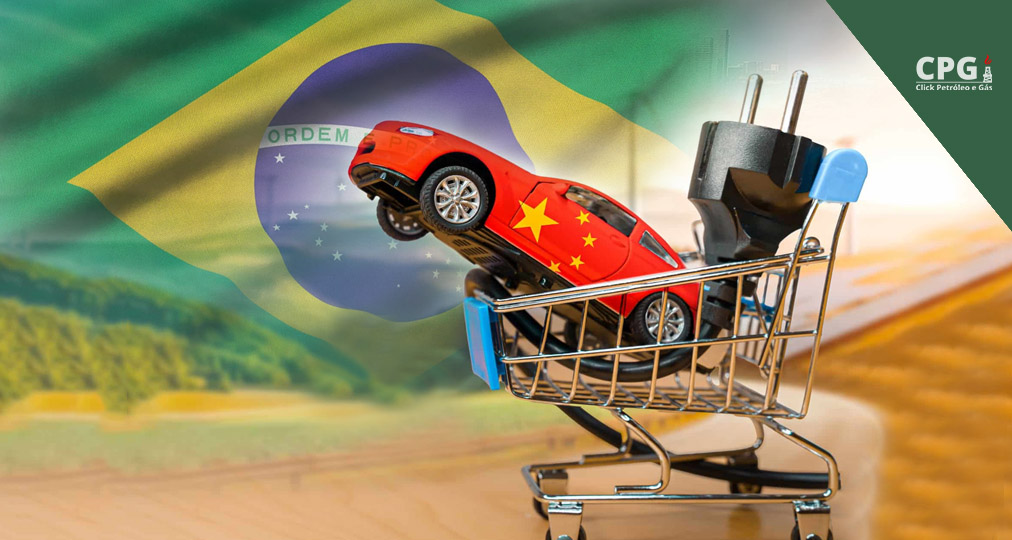

Did You Know That The Invasion Of Chinese Brands In The Brazilian Automotive Market Is Completely Changing The Scenario? Cars Like Omada, Jaec, Zeker And Neta Are Arriving With Full Force And Promise To Revolutionize The Way You See Vehicles. But Is This Change Positive Or Negative For You? Let’s Explore Everything About This Invasion, Its Impacts And How To Restrain This Trend.
The Chinese automotive industry is a true phenomenon of rapid and impressive growth. Unlike the traditions of countries like Germany and the United States, which have a long history of vehicle manufacturing, China began to seriously invest in this market only in the last few decades.
What Has Been The Secret To This Meteoric Success? As Reported By The Youtube Channel Fórmula Turbo, This success occurs largely due to the focus on electric and hybrid vehicles, a segment that was still underexplored and presented enormous growth potential.
Because of this, instead of directly competing with established giants in the combustion engine market, like BMW and Mercedes, the Chinese decided to innovate in a field where competition was less.
-
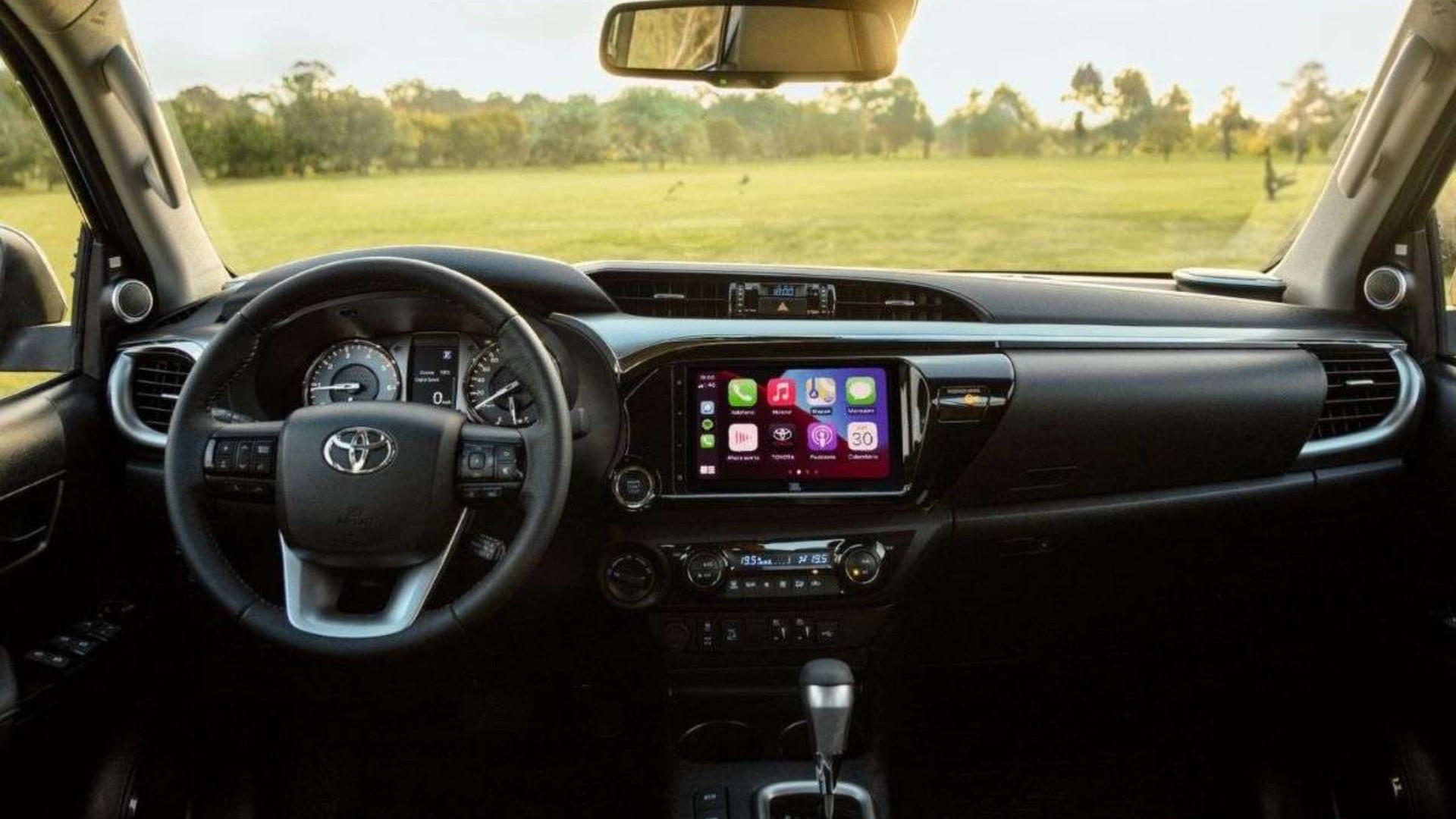
The Toyota Hilux is R$ 75.5 thousand cheaper and bets on the 2.8 turbodiesel engine with up to 204 hp and 50.9 kgfm to catch up with the VW Saveiro, which leads with 4,472 sales.
-
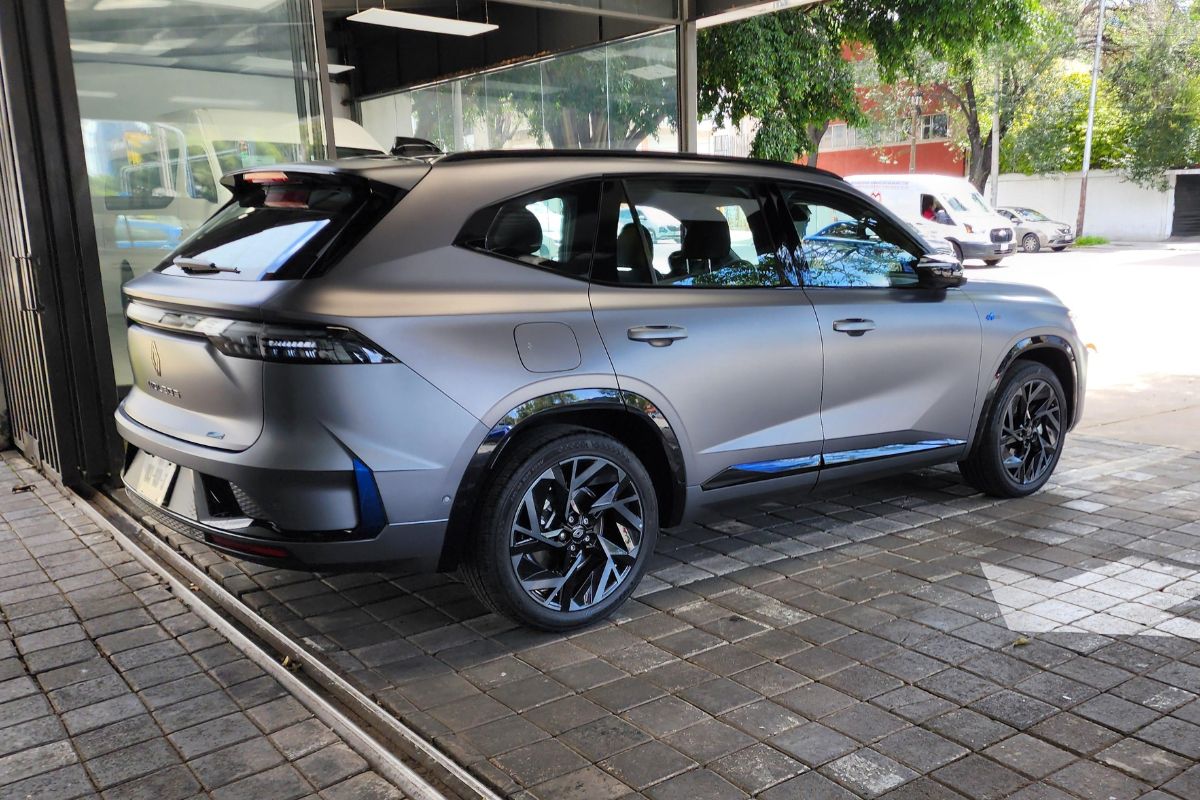
The new Renault Koleos has a screen exclusively for the passenger that is invisible to the driver, heated rear seats, and 29 assistance systems, but its Chinese competitors cost R$ 40,000 less and deliver more power.
-
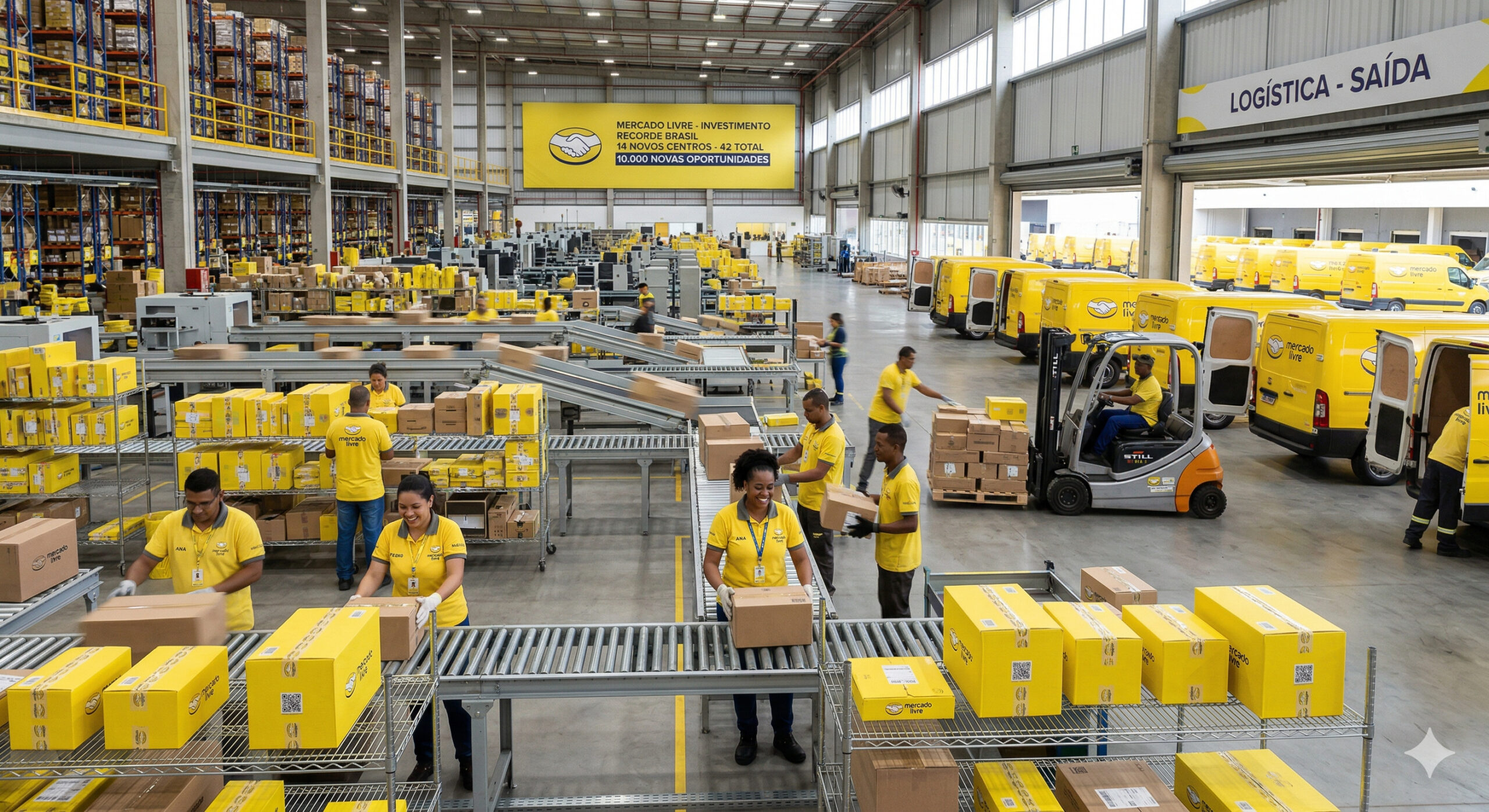
Mercado Livre “opens the vault” and announces a record investment of R$ 57 billion in Brazil in 2026, a value 50% higher than the previous year, with an expansion plan that includes 14 new logistics centers, totaling 42 units in the country and hiring an additional 10,000 employees.
-
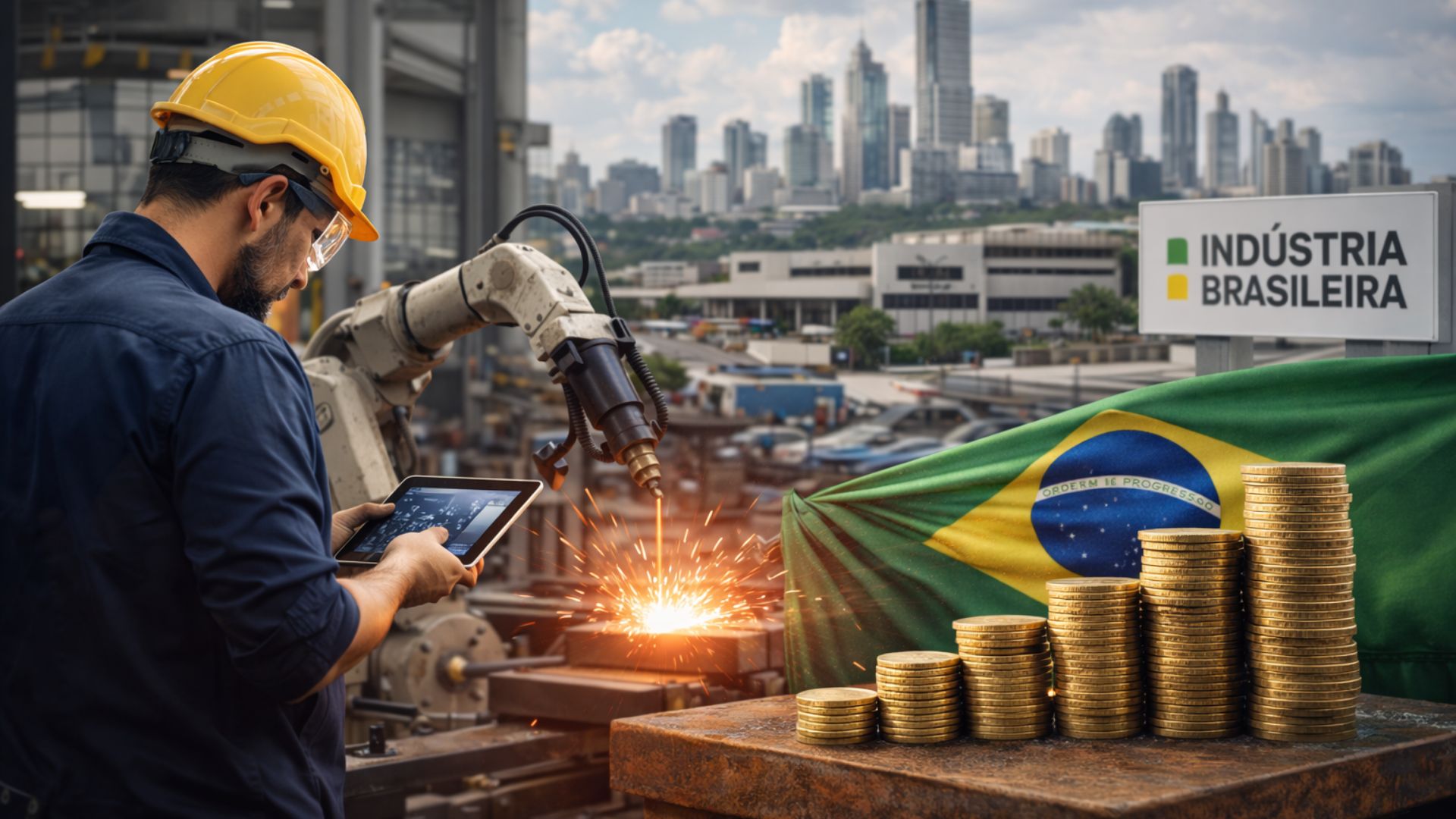
How investment in technology can revolutionize the national economy and enhance industrial gains, according to a study that highlights the direct impact on productivity, innovation, and wealth retention within Brazil.

This strategy worked very well. With an extremely fast and efficient production capacity, China managed to develop high-tech electric cars at competitive prices.
New Chinese Models In Brazil
As reported by CPG, the Brazilian automotive market is being transformed by a new generation of Chinese brands. Chery, the pioneer in this revolution, already has a solid base in Brazil with models like Tiggo 5, Tiggo 7, and Tiggo 8.
These cars offer excellent cost-benefit and cutting-edge technology, representing a clear evolution from the low-quality products of the past.
Another brand in the spotlight is BYD, which brought models like Dolphin and the hybrid Qin, focusing on affordable and sustainable electric vehicles. We even published that the company also plans to start local production, further reducing costs.
Great Wall Motors (GWM) is standing out with its line of electrified models, such as Haval and Ora, and has already acquired a factory in Brazil, previously owned by Ford. Zeker, a subsidiary of Geely, owner of Volvo, is also preparing to enter the Brazilian market with luxury models.
Neta, a new brand, plans to build a factory in Brazil, which could generate jobs and stimulate the local economy. With so many options and new arrivals, the Brazilian automotive market is in transformation.
Impacts Of The Chinese Invasion In The Automotive Market
According to the Fórmula Turbo channel, the arrival of Chinese brands is causing a series of significant impacts, both positive and negative.
The arrival of technological and affordable vehicles is forcing traditional automakers to improve their products and offer more competitive prices.
On one hand, this is excellent for consumers, who are getting more purchasing options and the ability to acquire high-tech cars without paying exorbitant prices.
But on the other hand, the competitiveness of Chinese brands may harm the local automotive industry. Ford, for example, closed its factories in Brazil, resulting in a massive loss of jobs.
This kind of movement could repeat itself if other automakers cannot compete with the aggressive prices and advanced technology of Chinese vehicles.
Additionally, the quality of after-sales service and the availability of spare parts are points of uncertainty for many consumers.
Although Chinese brands are investing to improve these aspects, there is still a long way to go to fully win the trust of the Brazilian public.
Measures To Curb The Chinese Invasion
Governments around the world are taking measures to balance competition and protect their local industries. One of the main strategies adopted is the increase of import taxes on Chinese vehicles.
In the European Union, for example, an agreement was reached that imposes an import tax of 38% on Chinese vehicles. In the United States, this tax can reach 100% for vehicles and 70% for batteries coming from China.
In Brazil, the government is also considering increasing import taxes, which could reach 35% by 2026. These measures seek to protect the local automotive industry, but they may also have consequences for consumers. With the increase in import taxes, the prices of Chinese vehicles may rise, making them less accessible.
On the other hand, local automakers may have more space to adapt and improve their products, which in the long run could benefit the market as a whole. Will these measures be sufficient to curb the Chinese invasion and how will Brazilian consumers react to these changes?
The Future Of Chinese Cars In Brazil
In any case, it is clear that the future of Chinese cars in Brazil promises to be dynamic and full of innovations. With the growing acceptance by consumers and the arrival of new brands, the Brazilian automotive landscape is undergoing a full transformation. The question that remains is how these changes will shape the market in the coming years.
What do you think about this recent invasion from China in Brazil? Leave your opinion in the comments!







Quando uma fábrica antiga de automóveis fecha por não conseguir competir, outras modernas chinesas abrem e se estabelece.
Acho ótimo, vamos ter acesso a carros modernos com preços menores