





 Portuguese
  English
  Spanish
  4 min of reading
  0 comments


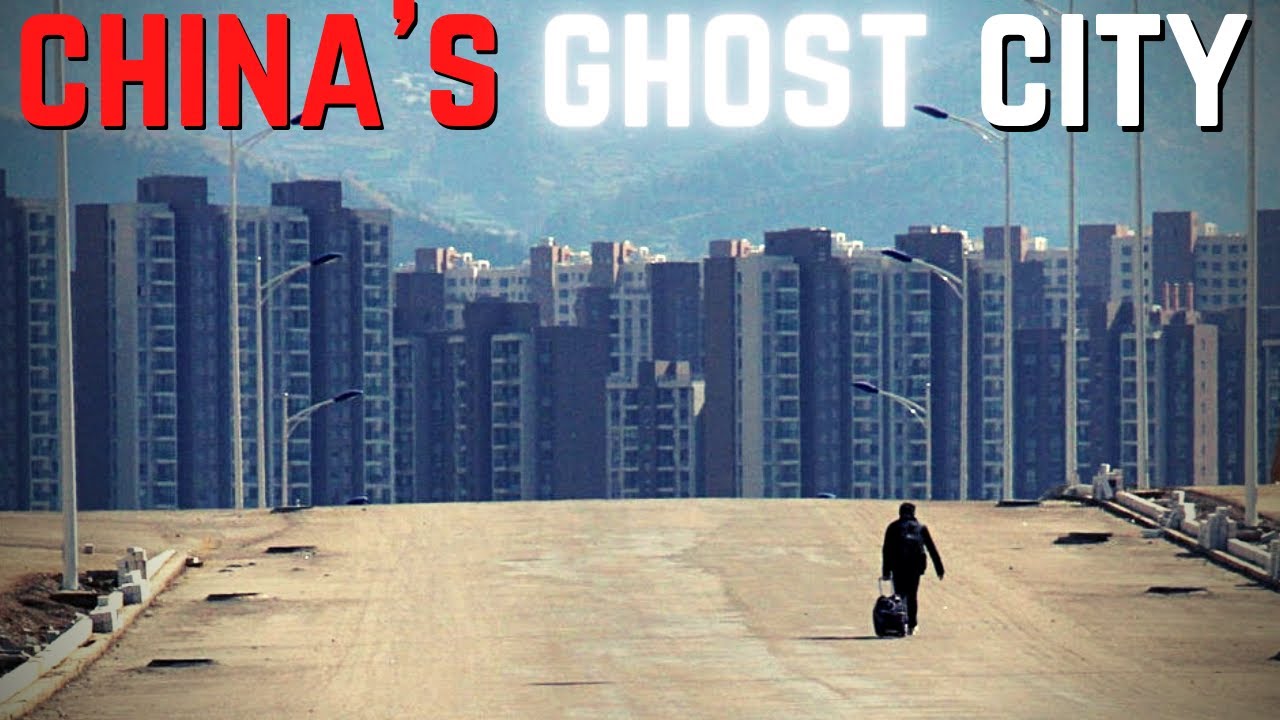
Kangbashi, Built to House 1 Million Residents in China, Spent Billions But Remains Almost Deserted and Has Become a Global Example of Chinese Ghost Cities.
In the early 2000s, China experienced an unprecedented real estate boom. Driven by rapid economic growth, the central government encouraged provinces and municipalities to build new planned cities, with modern infrastructure and space to house millions of inhabitants.
It was in this context that Kangbashi emerged, a district of the city of Ordos in Inner Mongolia. The ambitious project promised to accommodate 1 million residents, featuring wide avenues, high-end residential buildings, museums, schools, stadiums, theaters, and even a monumental library.
The investment was in the billions, mainly coming from the region’s abundant coal wealth. The promise was to transform Ordos into a new urban and economic hub, a symbol of Chinese prosperity.
-
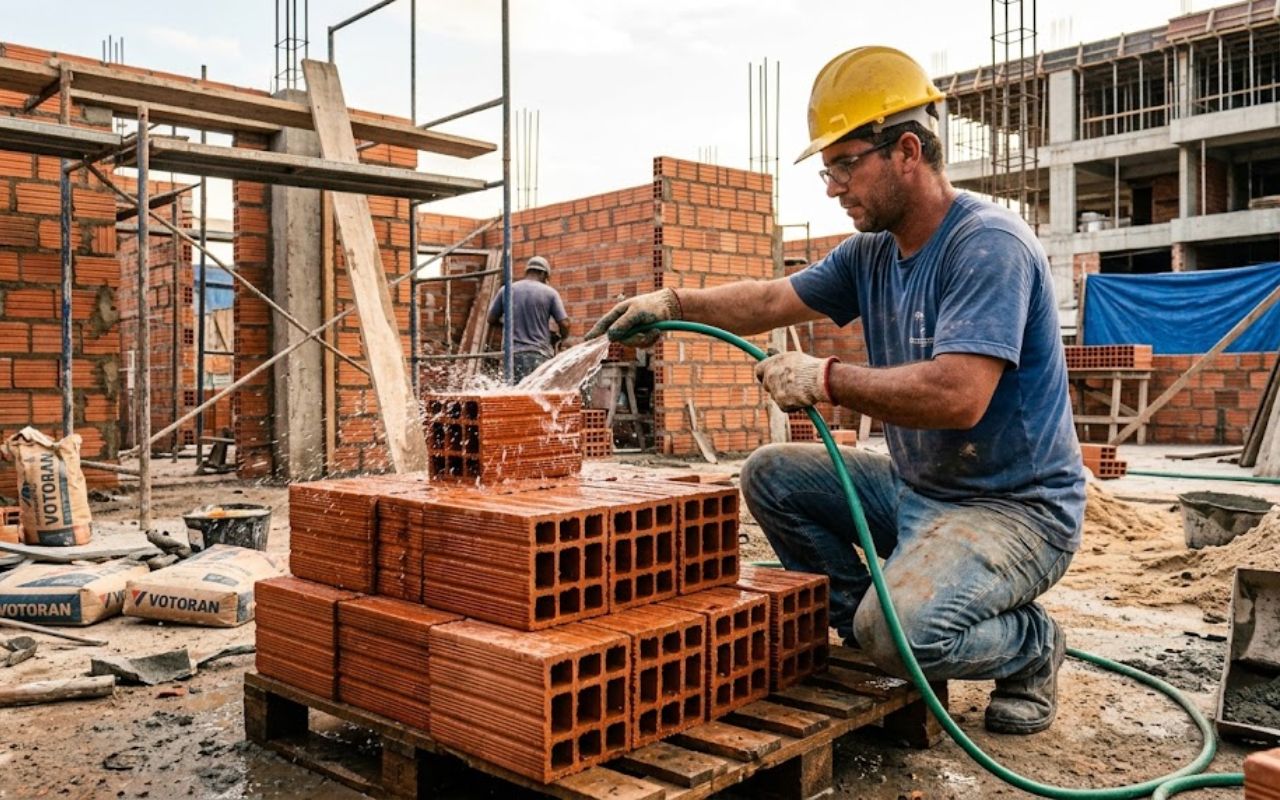
A simple technique of wetting the brick before laying it prevents cracks, improves the adhesion of the mortar, reduces fissures, and ensures stronger walls and more durable constructions.
-
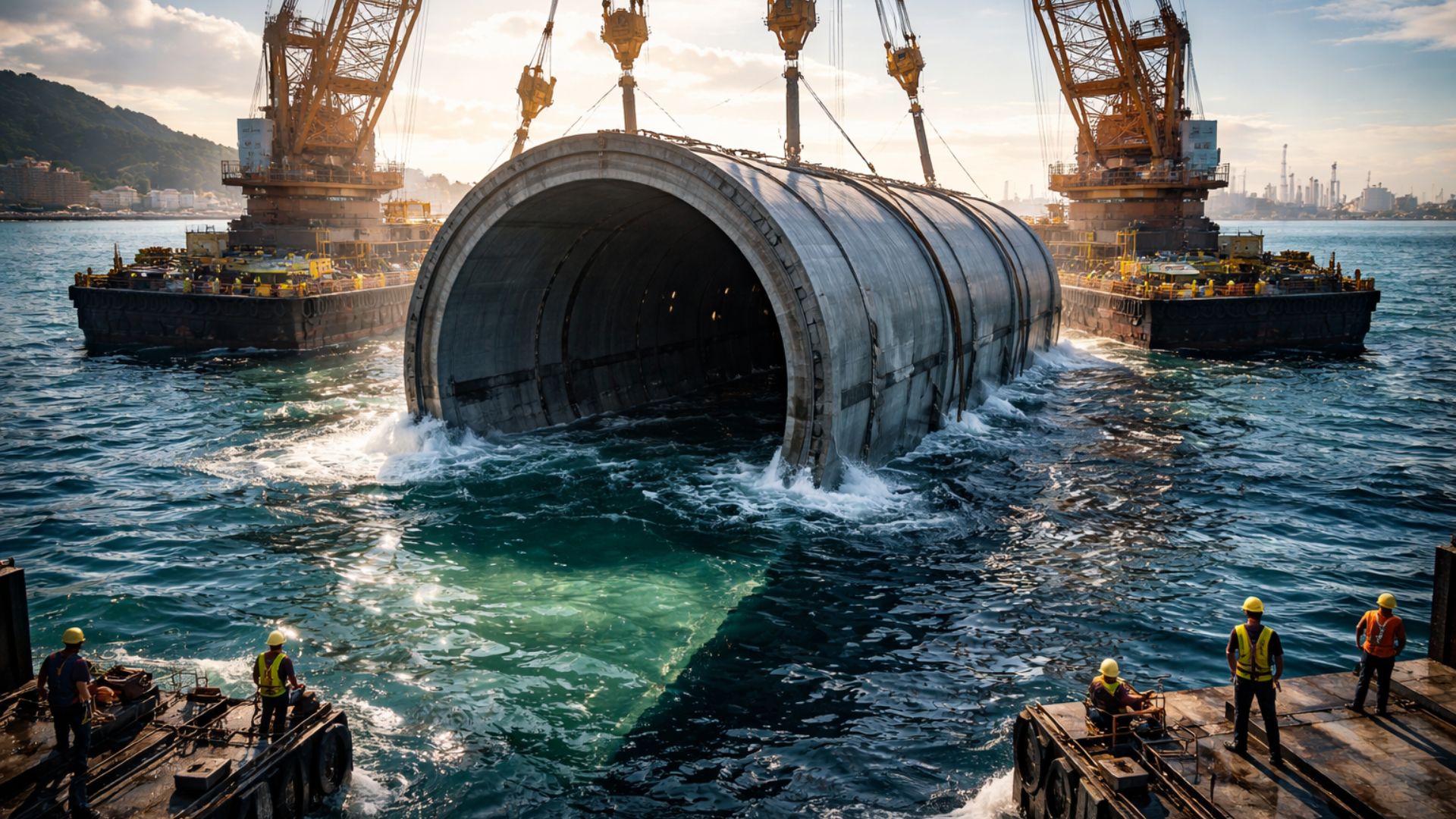
The government opens the vault and deposits R$ 2.6 billion for the construction of Brazil’s first underwater tunnel, with a length of 1.5 km, 870 m under the sea, a total project cost of R$ 6.8 billion, and a 30-year concession.
-
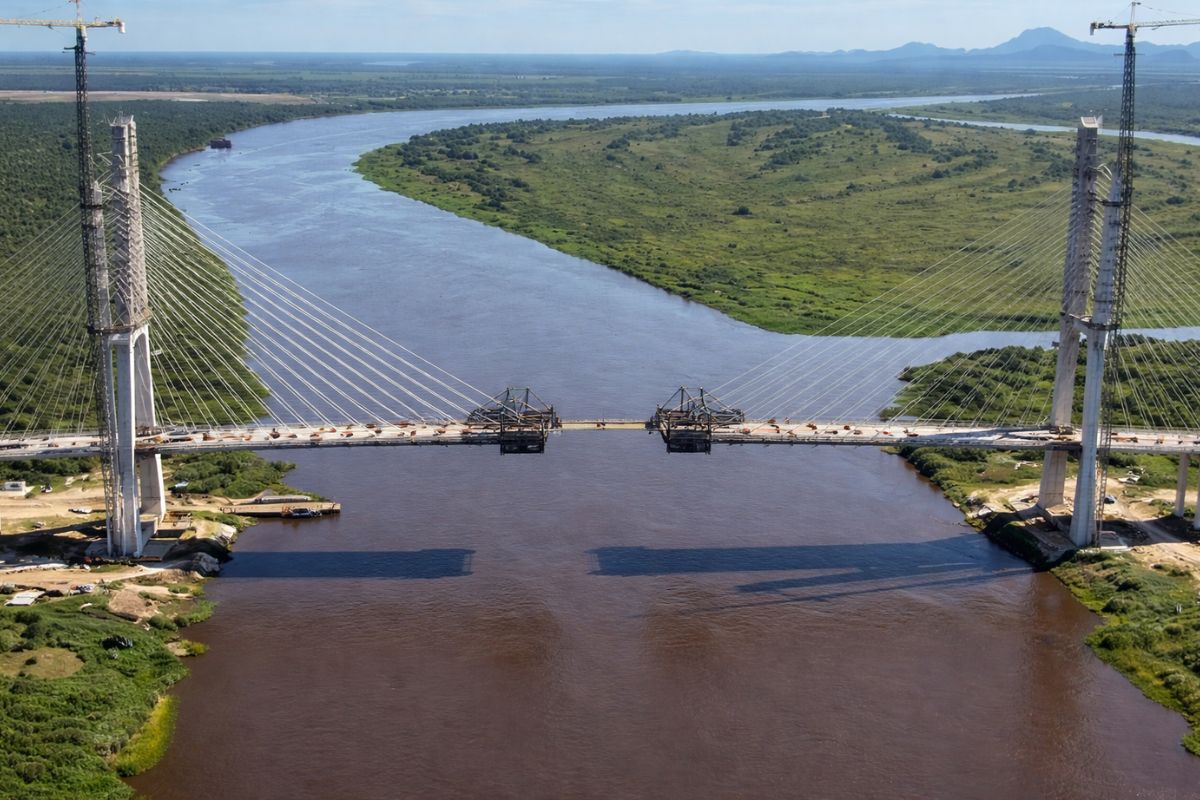
Only 46 meters remain for Brazil and Paraguay to connect via the Bioceanic Route bridge, the project that will link the Atlantic to the Pacific by land and change the logistical map of four countries in South America.
-
The bridge that holds the largest stone railway arch in the world: built over 100 years ago, destroyed in the war, and rebuilt to continue operating to this day, it still carries trains over the Soča River in Slovenia.

The City Is Ready, But Without Residents
Construction progressed quickly. Within a few years, skyscrapers, shopping malls, cultural complexes, and wide avenues capable of handling heavy traffic emerged. But when the urban core was completed, something strange happened: the residents didn’t come.
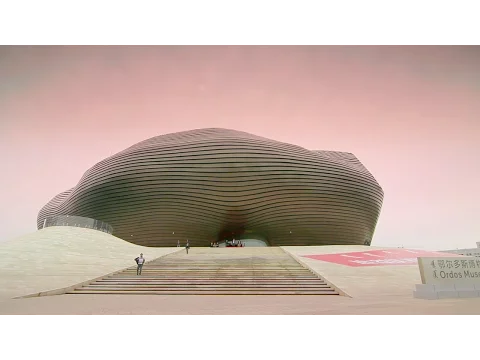

Reports from 2010 to 2015 showed virtually deserted streets, entire buildings without lights at night, and a scene that looked straight out of a post-apocalyptic movie.
It is estimated that at the peak of the “ghost era,” only 20,000 to 30,000 people lived in Kangbashi, a number far below the target of 1 million inhabitants.
Why Kangbashi Became a Ghost Town
Several factors explain the city’s population failure:
- Housing Prices: The built units were too expensive for ordinary workers in the region, making them unaffordable for most.
- Remote Location: Kangbashi is situated in an arid area of Inner Mongolia, without a solid urban tradition and with little economic appeal for new residents.
- Speculative Economy: Many apartments were bought by investors as financial assets but were never occupied.
- Lack of Local Jobs: The promise of economic development did not keep pace with construction, and the city failed to generate enough job opportunities.
The result was a scenario of wide, empty avenues, modern buildings without residents, and underutilized infrastructure.
The Global Infamy of Ghost Town
Kangbashi gained international notoriety after reports from outlets like BBC and Time, which showcased stunning images of the empty metropolis.

The city came to be called “the Chinese Dubai that never happened” or simply “the largest ghost town in the world”. It became a symbol of the risks of China’s growth model based on large projects and easy real estate credit.
Attempts at Revitalization
In recent years, the Chinese government has attempted to reverse Kangbashi’s image. Local authorities encouraged public agencies to relocate their headquarters to the city, offered tax incentives, and even subsidy programs to attract residents.
As a result, the population increased — now estimated at around 150,000 to 200,000 residents — but still far from the initial target of 1 million.
Even with this growth, many areas of the city remain underutilized. There are entire neighborhoods with completed buildings but without occupancy, constantly reminding of its past as a “ghost town.”
The Cost of Grandeur
The Kangbashi project demonstrates how excessive economic optimism can lead to billion-dollar waste.
- It is estimated that the initial investment exceeded US$ 150 billion in infrastructure, largely financed by local debt.
- The municipal government of Ordos accumulated debts exceeding US$ 1.6 billion at the peak of construction, jeopardizing public finances.
The paradox is evident: while millions of Chinese struggle for affordable housing in major centers like Beijing and Shanghai, Kangbashi showcases modern skyscrapers with empty apartments.
Lessons for China and the World
The story of Kangbashi has become a global alert regarding the risks of urban megaprojects without proper population planning.
In China, similar cases occur on a smaller scale in other planned cities, reinforcing the idea that the country built not only housing for its growth but also real estate bubbles.
For urban planners, Kangbashi represents a laboratory of mistakes: grand urban planning without a real demographic basis, overconfidence in real estate investments, and the belief that “if you build it, they will come.”
Kangbashi, a Monument to Excess
Today, Kangbashi is a mix of futuristic city and modern ruin. Its wide avenues, monumental buildings, and impressive museums stand in stark contrast to the silence of many blocks.
Even though the government is trying to revitalize the region, the label of ghost town remains associated with the district of Ordos. And despite recent population advances, it is unlikely that the metropolis will reach the target of 1 million inhabitants in the short term.
Thus, Kangbashi remains a symbol of the Chinese paradox: a country capable of building megacities at record speed, yet still struggling to bring life to these massive spaces.







Seja o primeiro a reagir!