





 Portuguese
  English
  Spanish
  3 min of reading
  0 comments


With Agreements Summing R$ 96 Billion In 2025, Chinese Investments In Brazil, Boosted By The BRICS Alliance, Are Translating Into Large Infrastructure Projects And A New Wave Of Optimism In The Economy.
An economic optimism is gaining strength in Brazil, and the main driver of this change has a name and origin: Chinese Investments. In 2025, the year Brazil chairs the BRICS, the partnership with the Asian giant reached a new level, with the signing of record agreements that promise to inject R$ 96 billion into the national economy, focusing on strategic areas such as clean energy, technology, and especially infrastructure.
This new wave of capital is not just a number in a spreadsheet; it is already reflected in the real lives of Brazilians. On social media, the mood is one of hope, with posts about the generation of thousands of jobs and the increase in income going viral, showing that South-South cooperation, led by Chinese Investments, is becoming a tangible force for the country’s development.
Brazil At The Center Of The New BRICS+
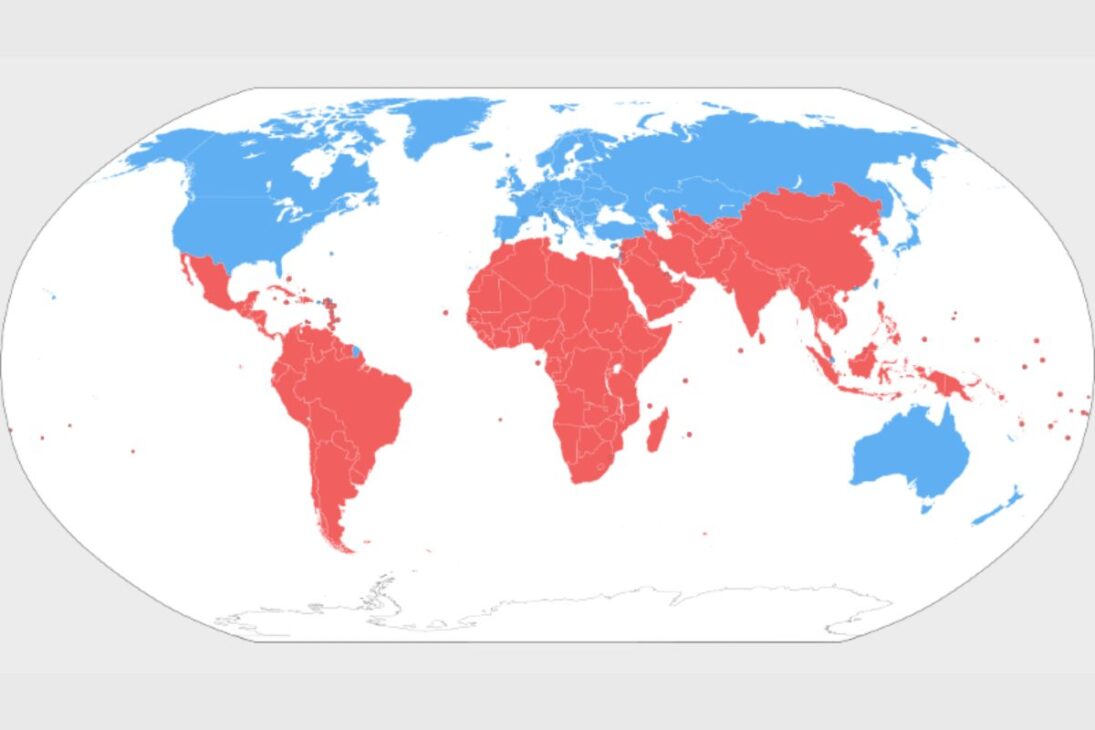
The prominence of Brazil in 2025 coincides with the largest expansion in the history of the BRICS. With the entry of new members such as Saudi Arabia, Egypt, United Arab Emirates, and more recently, Indonesia, the bloc now represents 46% of the world population and over 35% of the global GDP.
-
Labor shortages are prompting Portugal, Spain, Germany, and Canada to open up opportunities for foreigners in 2026, with salaries ranging from 920 euros in Portugal to 50,700 euros per year in Germany.

-
The government is considering a temporary subsidy for cooking gas following the spike in oil prices due to the war in Iran and warns about the impact of 20% of imports on the prices paid by families.

-
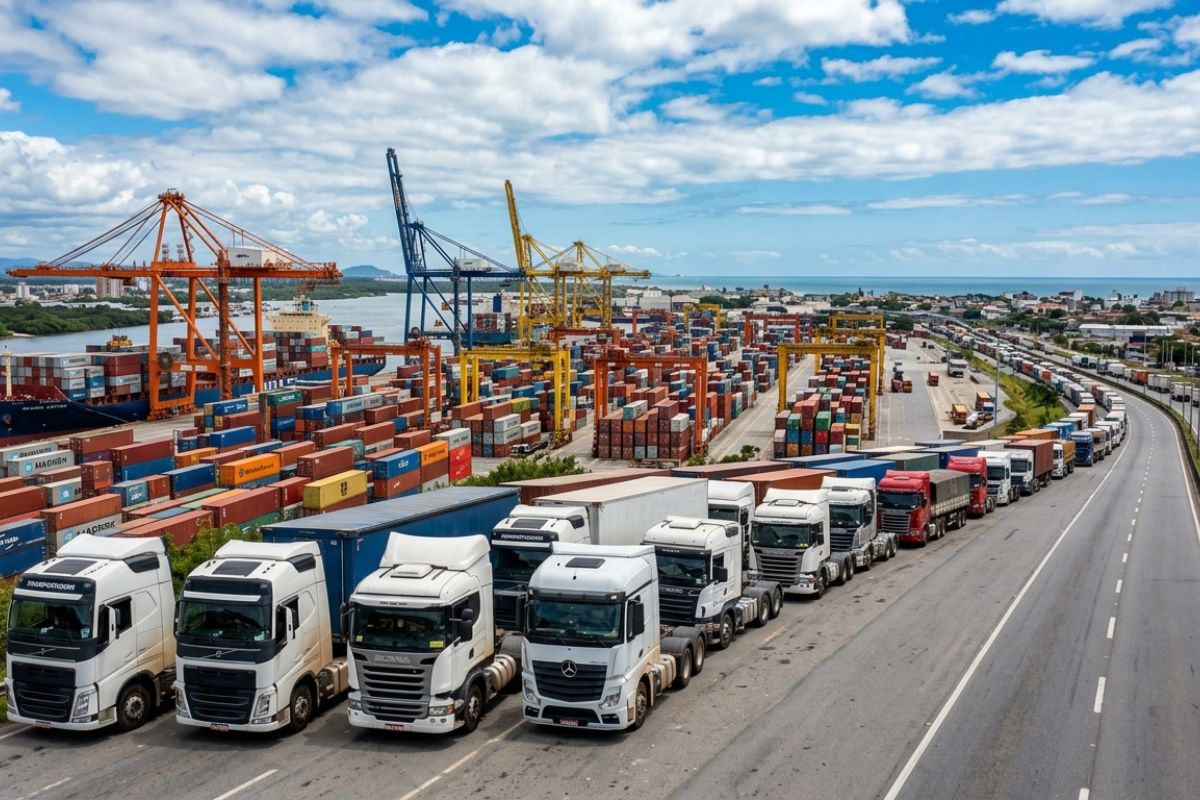
The lack of truck drivers in the country is already halting shipments and threatening deadlines: 88% of transport companies are unable to hire, with an average of eight trucks idle, and the port complex of Itajaí is now feeling the impact.
-
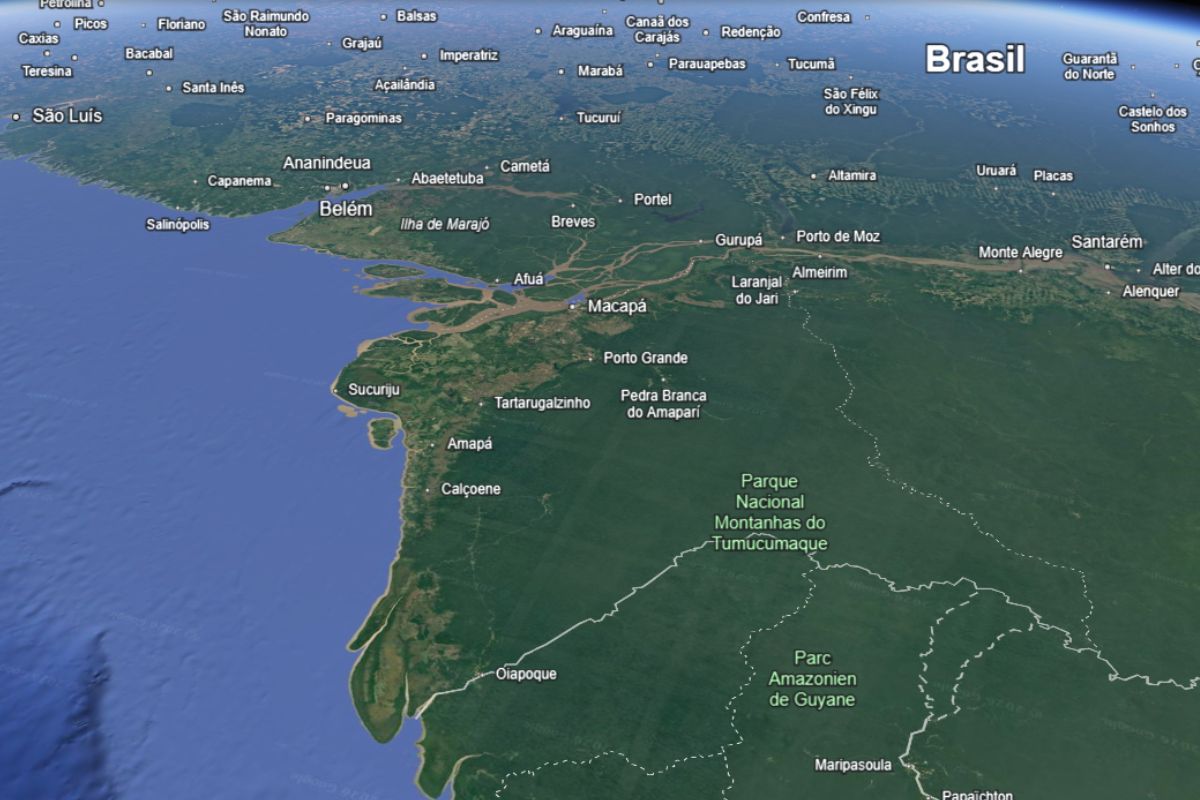
Petrobras is about to transform a forgotten city in the far north of Brazil into the capital of oil: Oiapoque is already feeling the effects even before the first drop of oil comes out from the seabed.

At the summit held in Rio de Janeiro in July 2025, Brazil reinforced its agenda for reforming global governance, seeking greater representation for the Global South and encouraging trade in local currencies to reduce dependency on the dollar.
The Injection Of Chinese Capital In Practice
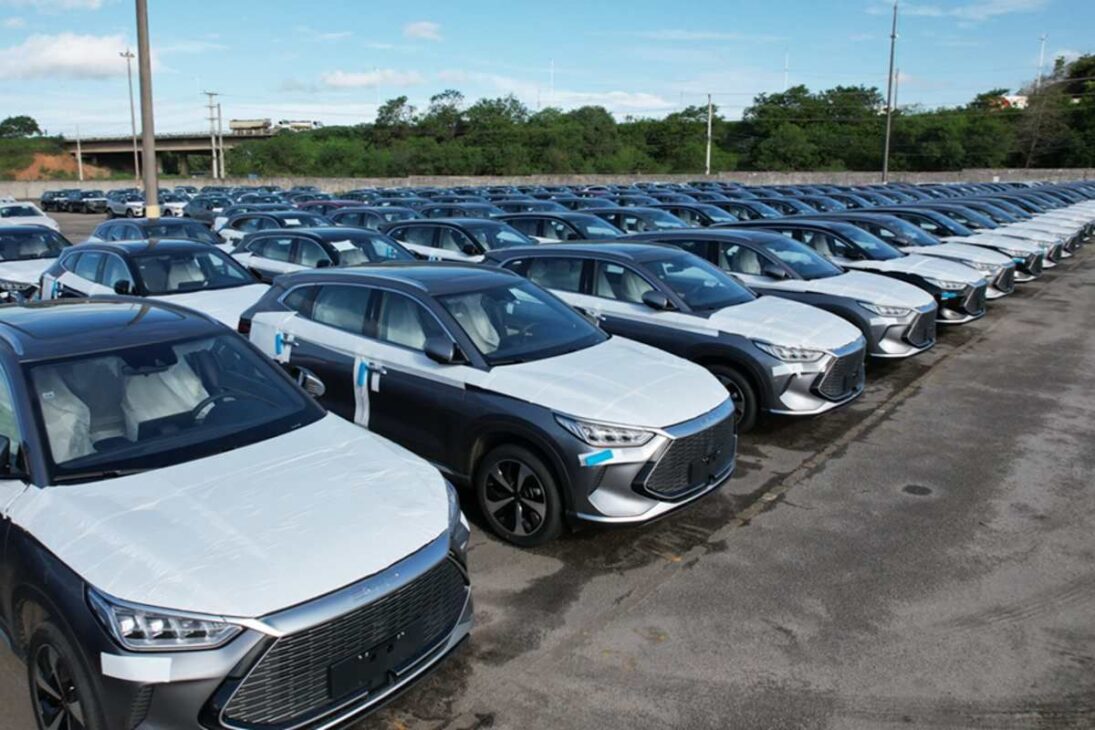
Chinese Investments in Brazil in 2025 are the largest in history and already have concrete projects coming to fruition, with a direct impact on job creation and the modernization of the country.
- BYD In Bahia: The Chinese electric vehicle giant, convinced to establish itself in the state after a visit from President Lula to China in 2023, opened its factory in 2025. The project plans to produce 150,000 vehicles per year and create 5,000 direct jobs.
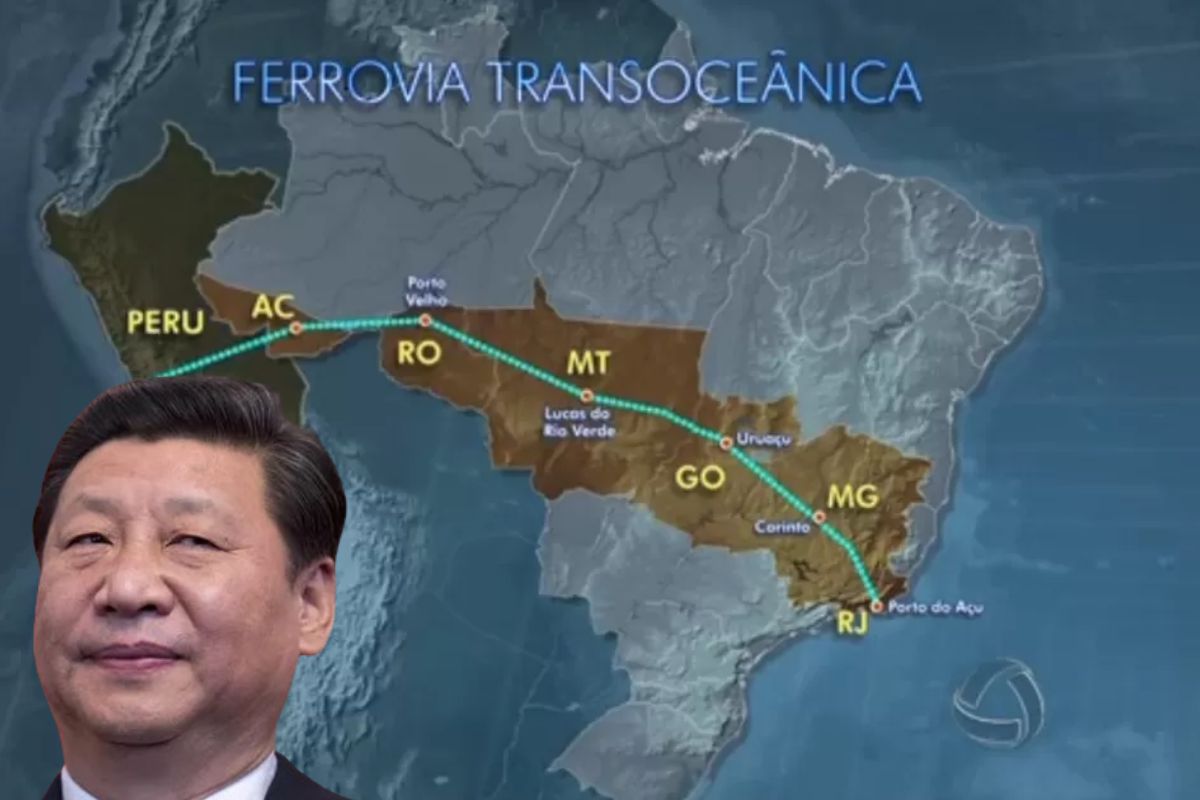
- Transoceanic Railway: Announced in July 2025, the mega-project, with an estimated cost of 10 billion dollars, will connect Bahia to a port in Peru. The project, led by the Chinese state-owned company CRCC, promises to revolutionize the export logistics of Brazilian agribusiness to Asia.
The Reflection On The Economy And Popular Optimism
The impact of these and other Chinese Investments is already being felt in economic indicators. In 2025, the unemployment rate reached one of the lowest historical levels, and Brazil recorded a record volume of foreign direct investment (FDI) in the first half, signaling international market confidence.
This positive scenario resonates on social media. Posts on X (formerly Twitter) celebrate new jobs and the resumption of major projects, directly associating the good economic moment with the partnership with BRICS and, primarily, with China. The general sentiment is that the country has found a solid path for growth, based on strategic partnerships that generate concrete results.
The Future Of The Brazil-China Partnership
The alliance between Brazil and China, strengthened within BRICS, proves to be a pillar for sustainable development. While Brazil offers natural resources and a robust consumer market, China contributes capital and technology to enable large-scale projects.
With the presidency of BRICS, Brazil has a unique opportunity to lead the construction of a new multipolar order, where Chinese Investments are not just a business, but a tool for social development and reducing inequalities.
And you, are you optimistic about the future of the Brazilian economy? Do you believe that Chinese Investments are the main driver for the country’s growth? Leave your opinion in the comments!








Seja o primeiro a reagir!