





 Portuguese
  English
  Spanish
  5 min of reading
  0 comments



Simultaneous advances in infrastructure, science, investments, and social policies reposition Chinese strategy amid global tensions and internal challenges.
China ended March 2026 with a series of announcements that combine infrastructure, social protection, foreign capital, science, and public security, at a time when Beijing is trying to reinforce the image of domestic stability and long-term planning capability.
In recent days, the Chinese government confirmed the expansion of the national long-term care insurance, announced new external investment projects, highlighted the advancement of the largest water network on the planet, and presented scientific results that may pave the way for longer-lasting rice varieties.
Boao Forum reinforces Asia’s role in the global economy
This effort was also showcased at the 25th Boao Forum for Asia, held from March 24 to 27 in Hainan.
-
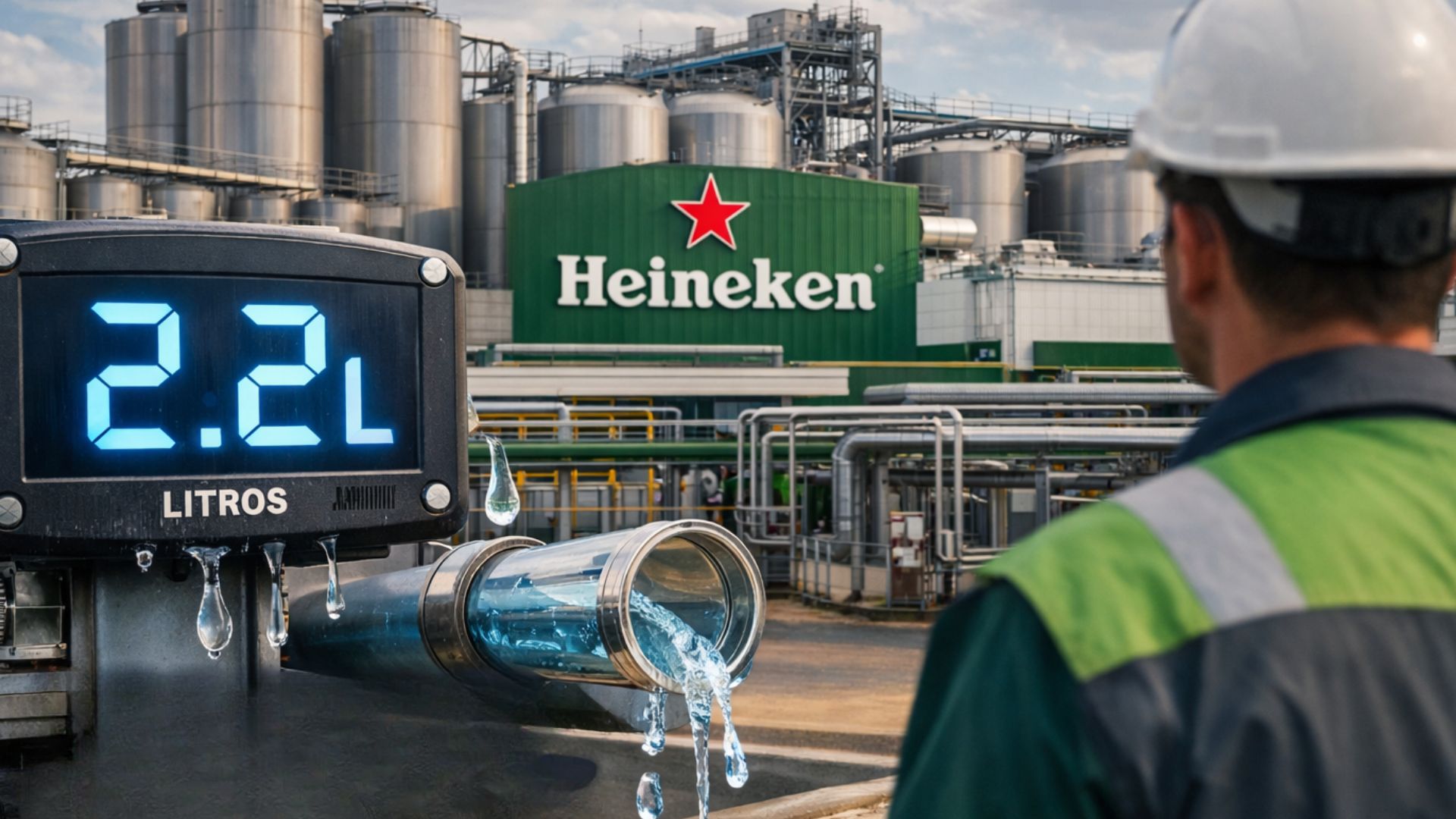
Heineken’s factory in Brazil surprises the world by reducing water consumption for beer production from nearly 10 liters to just 2.2 liters per liter produced, achieving a 23% decrease with real-time technology.
-
This climbing plant covers the walls of the house, blocks up to 80% of solar radiation, and reduces the internal temperature by up to 5 degrees in the summer without spending a dime on the electricity bill, and it also produces bunches of grapes in the backyard.

-
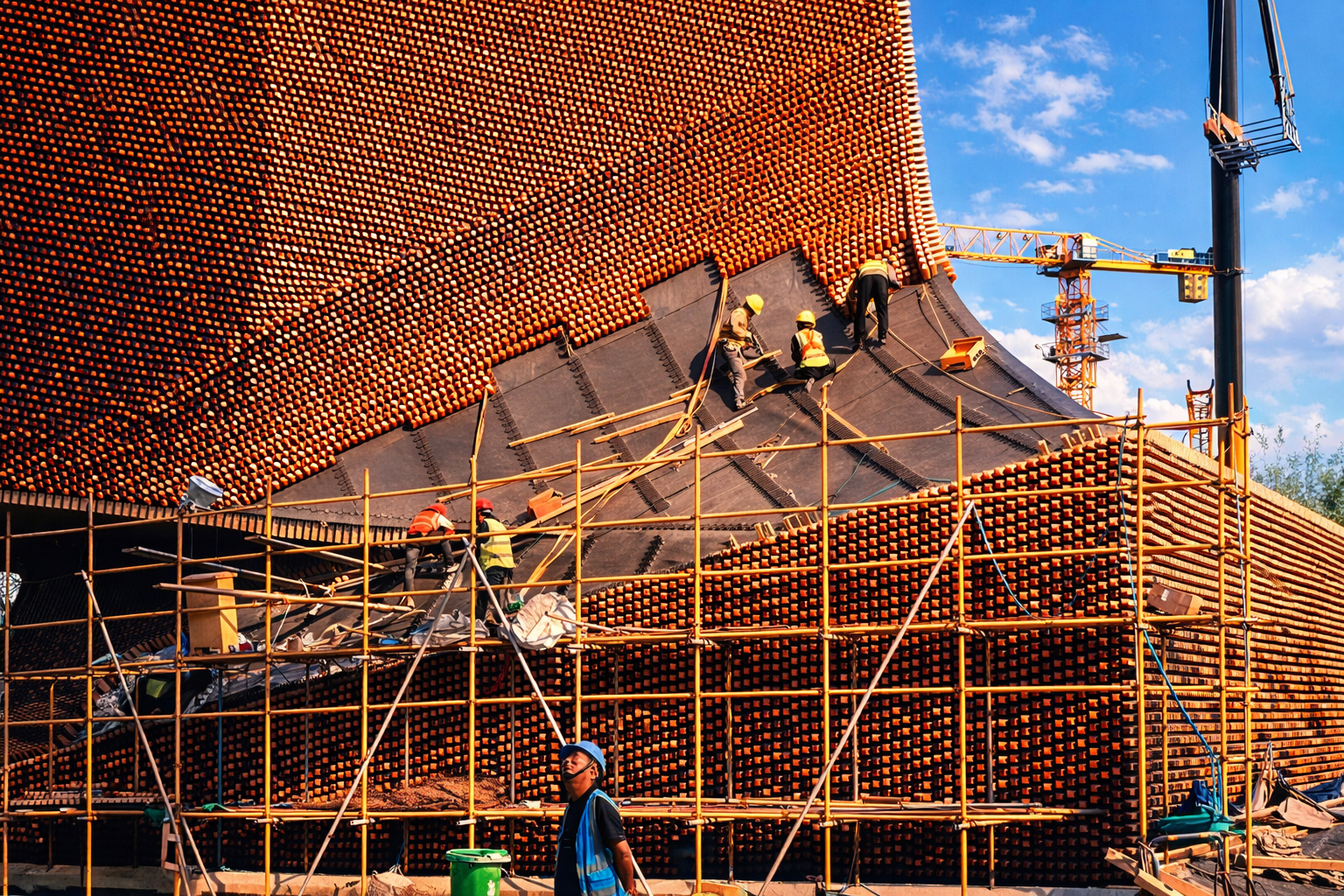
The first city in the world to reach 1 million inhabitants houses a museum with 139,000 ceramic bricks and advanced construction engineering with a steel structure inspired by a Chinese symbol that refers to the walls of the Ming dynasty.
-
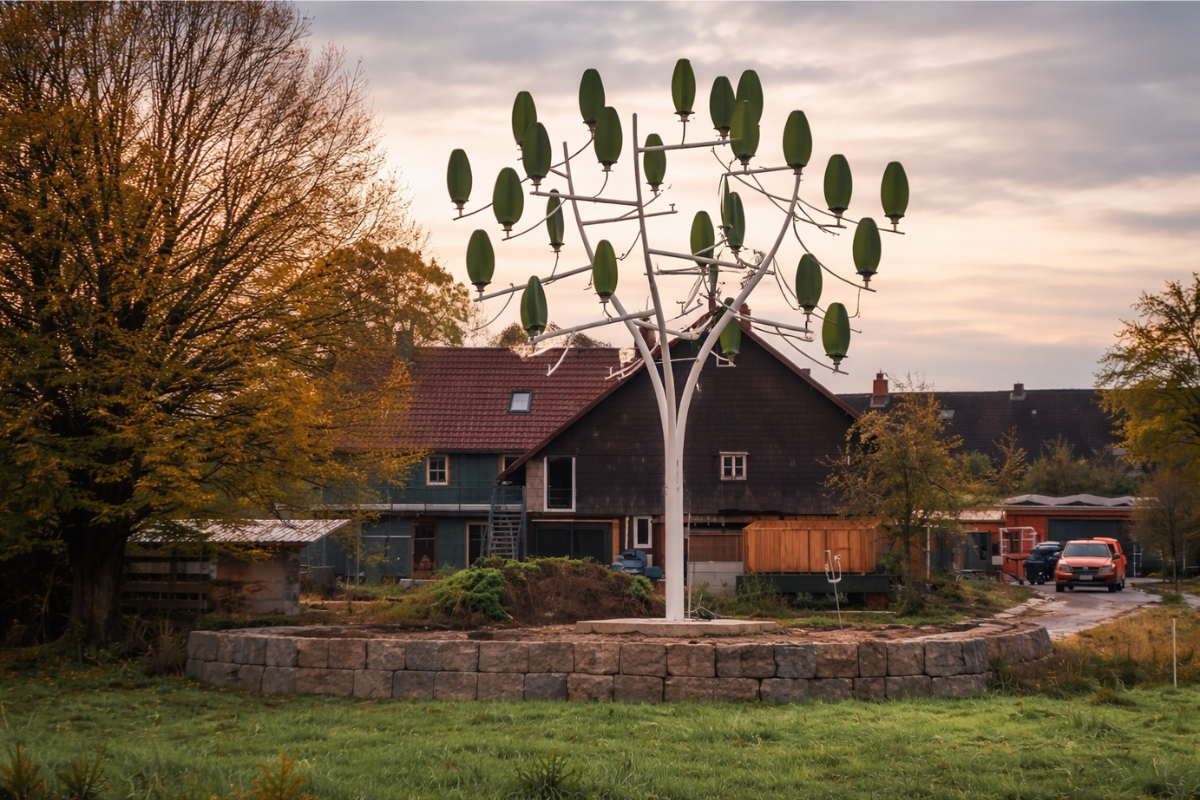
A German man installs a nearly 10-meter “wind tree” with 36 microturbines in his garden, combining wind energy with solar panels, and aims to power his home, office, and electric car without paying anything on his electricity bill.

The meeting brought together around 2,000 delegates from more than 60 countries and regions, according to the organization, and served again as a showcase for the Chinese strategy of economic dialogue amid a more unstable international scenario.
The forum’s secretary-general, Zhang Jun, presented the event as a space for cooperation, while Zhao Leji and Singapore’s Prime Minister, Lawrence Wong, were among the most politically significant figures present at this edition.
The reports presented at Boao reinforced the argument that Asia remains one of the central axes of the global economy.
The projection released at the forum indicates that the region is expected to account for 49.7% of global GDP in purchasing power parity by 2026, up from the 49.2% estimated for 2025.
The document also maintains Asia as the main engine of global growth, albeit with slight deceleration, and the discussion on regional integration gained weight in an environment marked by the reorganization of production chains and geopolitical disputes.
National insurance expands social protection on a large scale
Domestically, one of the most relevant decisions was the formalization of the advancement towards a national long-term care insurance system.
The guidelines released on March 25 define the mechanism as part of social security for people who have lost the ability to care for themselves and foresee the provision of financial support and basic assistance services.
The pilot experience, initiated in 2016, has already reached nearly 310 million enrollees and over 3.3 million beneficiaries with disabilities, according to official data.
Additionally, the policy incorporates a standardized menu of 36 services, divided between daily care and basic medical assistance and rehabilitation.
Pilot programs have reduced care costs by more than 100 billion yuan, according to data released by state media.
The national rollout is expected to be gradual, with the goal of consolidating a unified system in about three years, in direct response to the accelerated aging of the Chinese population.
Foreign investment maintains presence despite fluctuations
In the economy, the National Development and Reform Commission announced the ninth batch of major projects with foreign capital.
The package includes 13 ventures with a planned investment of $13.4 billion, concentrated in sectors such as electronics, chemicals, automobiles, and electrical machinery.
The new investments are part of a strategy to maintain the country’s attractiveness in higher value-added industrial sectors.
This movement comes after three years of contraction in foreign direct investment in effectively utilized amounts.
Nonetheless, the government highlights that in 2025, 70,392 new companies with foreign participation were established, an annual growth of 19.1%.
This data is presented as a sign that investors continue to bet on the Chinese market with a long-term focus.
New rural policy guarantees contracts and rights in the field
In the agricultural sector, Beijing also announced on March 18 a guideline to test the extension of rural land contracts for another 30 years.
The measure aims to provide legal continuity for the use of family areas and preserve rights in more vulnerable situations.
Among the groups covered are women affected by marriage, divorce, or widowhood and farmers who have migrated to urban areas.
The decision aims for stability in the field at a time when rural income and food security remain at the center of state planning.
Largest water network in the world expands rural supply
The water infrastructure appears as another pillar of this strategy.
Data indicates that China has completed a system described by official sources as the largest and most comprehensive in the world.
The investment during the period 2021-2025 reached 5.68 trillion yuan, with annual disbursements exceeding 1 trillion yuan for four consecutive years.
The network covers 80.3% of the national territory and includes about 95,000 reservoirs, with a capacity exceeding 1 trillion cubic meters.
Part of this advancement is reflected in rural supply.
By the end of 2025, the coverage of piped water in rural areas reached 96%, according to official information.
This data was presented as one of the main results of the recent cycle of water and sanitation works.
The water policy has become more clearly linked to agricultural production and domestic consumption.
Rice research indicates advancement in agricultural longevity
In science, the most attention-grabbing announcement came from the March 20 edition of the journal Science.
Chinese researchers identified in wild rice the gene EBT1, described as a mechanism linked to the longevity of the plant.
The study indicates potential to transform cultivated rice into a perennial crop.
Field trials showed plants capable of surviving for at least two years in Hainan.
The discovery could reduce replanting costs and open new avenues to increase agricultural efficiency.
Scientific index seeks to reduce dependence on western metrics
Also in March, Chinese institutions linked to medical and life sciences research released the Dongbi index.
The system includes 4,027 medical journals and 3,064 life sciences journals.
The initiative was developed with the participation of national institutions and the company Dongbi Data, based in Shenzhen.
The launch is part of the effort to create metrics less dependent on the editorial infrastructure controlled by large western groups.
Child abduction case has conclusion after decades
In public security, the arrest of the woman identified as a central figure in a child abduction and trafficking case concluded a long investigation.
Authorities announced the capture of the suspect known as “Aunt Mei,” linked to the abduction of nine boys between 2003 and 2005.
The young boys were located and reunited with their families between 2019 and 2024.
The conclusion came after years of investigations, social mobilization, and the use of DNA testing.
Influencer’s death reignites debate on exhaustion
The death of Zhang Xuefeng, an educational influencer with a large audience among Chinese students, reignited the debate on health and work routine.
Zhang died on March 24 at the age of 41 from a sudden cardiac arrest.
The case gained attention amid data indicating that more than 300 million Chinese suffer from sleep disorders.
The topic remains associated with academic pressure, overwork, and the fast pace of large cities.






Seja o primeiro a reagir!