





 English
  Francês
  Alemão
  Italiano
  Japonês
  Norueguês
  Portuguese
  Spanish
  3 min of reading


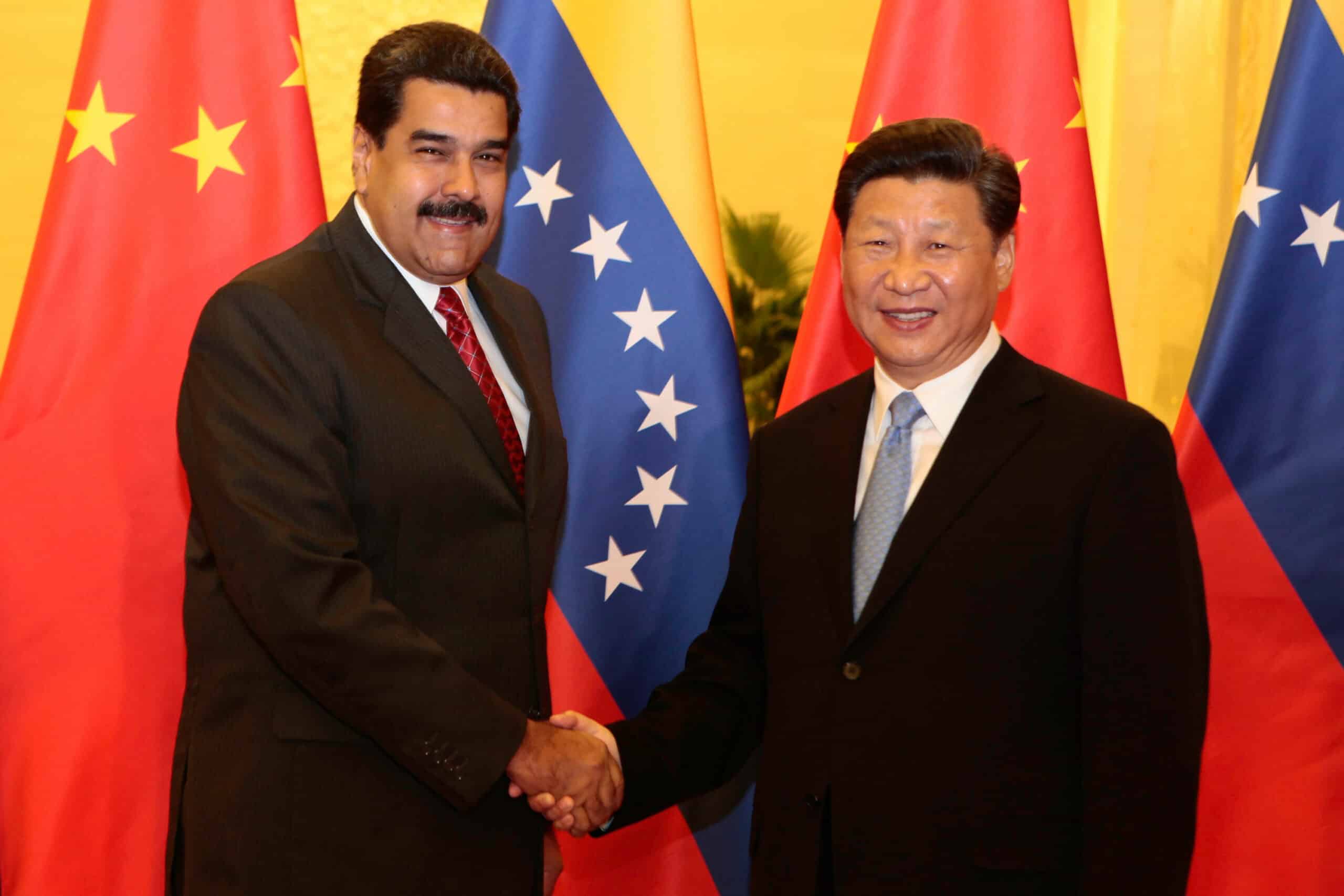
Risk Of Losing Access To The US Financial System Or Having American Assets Frozen Did Not Prevent The Chinese From Taking Risks And Buying Oil From Iran And Venezuela
China, the Asian giant, doubled its imports of Iranian and Venezuelan oil in 2021. The Chinese country maximized the US-sanctioned regimes over three years, while the country’s refineries avoided the risk of penalties to obtain cheap oil.
Read Also
- Oil Prices Soar And Exceed US$ 80 After Opec+ Decided To Increase Production To 400,000 Barrels Per Day (Bpd) In February And The US Celebrates
- China Surpasses The US And Will Be The Only Country To Have Its Own Space Station; To Take The Lead In Space Exploration, The Chinese Government Will Build A Base With Russia At The Moon’s South Pole
- China, Which Will Have The Largest GDP In The World By 2030, Changes A Nearly 30-Year Rule And Allows Foreign Automakers In The Country With A Projection To Manufacture 30 Million Vehicles By 2025; Decision Will Affect The Entire Global Automotive Industry
- China Is Accumulating More Than Half Of The World’s Food, Becoming Responsible For The Price Increases And The Surge In Global Inflation
- 91,300 Tons Of Nickel, A Key Raw Material Used In The Production Of Batteries For Electric Vehicles, Produced In Bahia, Were Exported To China By The Largest Nickel Producer In Brazil, Atlantic Nickel
According To Data From Market Intelligence Company Kpler, Chinese Oil Processors, The World’s Largest Importer, Bought 324 Million Barrels From Iran And Venezuela In 2021, Representing About 53% More Than The Previous Year. This Is The Highest Since 2018, When China Took 352 Million Barrels From The Two Nations.
China Takes Risks And Buys Oil From Iran And Venezuela
China, Mainly Its Private Refineries, Benefited From The US Hardline Against Iran And Venezuela, Continuing To Purchase Oil From These Countries Long After Other Places In Asia Ceased Purchases.
-
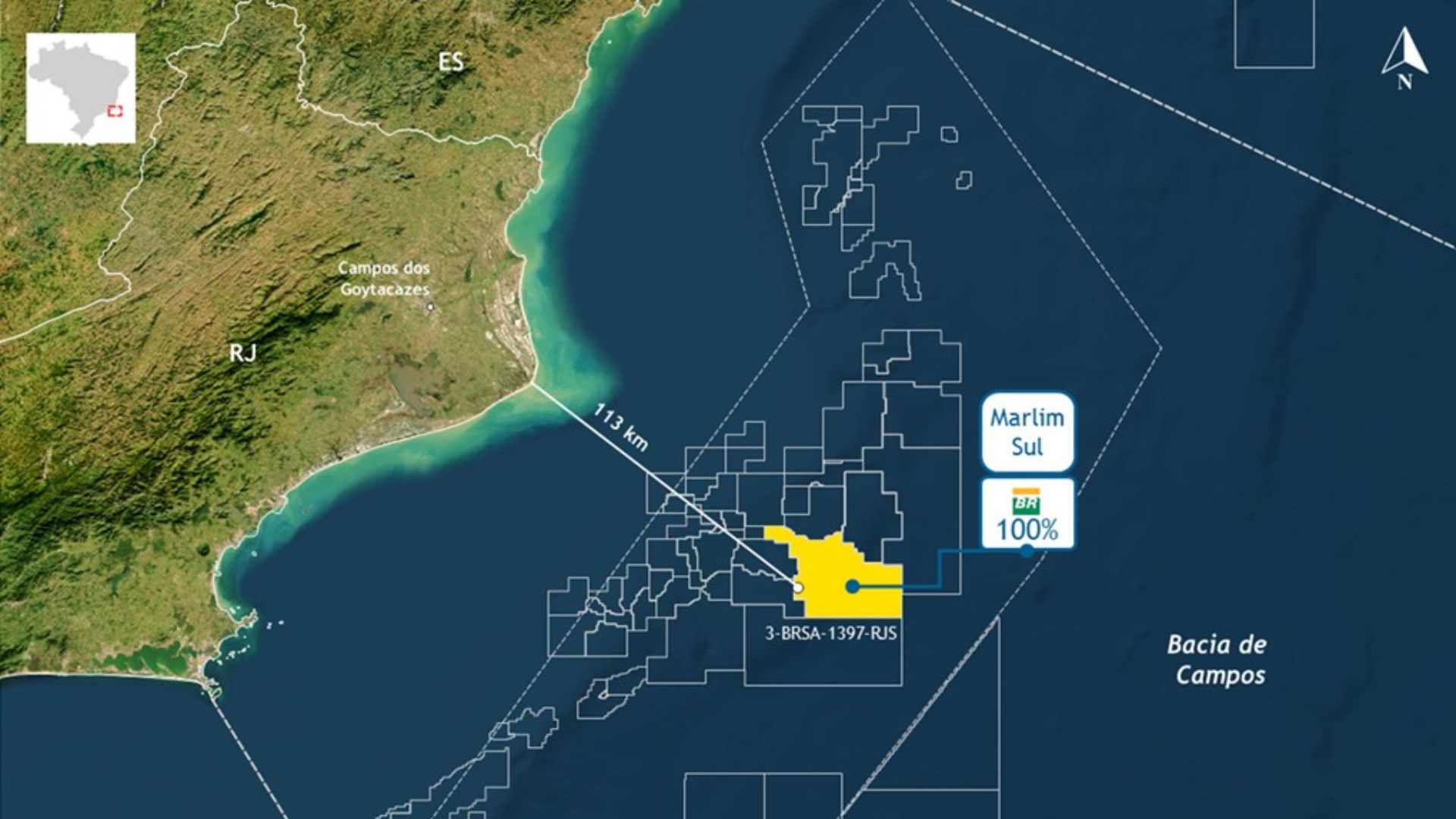
Petrobras finds high-quality oil in the pre-salt at 113 km from RJ and reignites expectations about strategic reserves in the Campos Basin.

-
Ocyan opens registrations for startups focused on innovation in the oil and gas sector and will select projects for Innovation Day with the support of Nexio.

-
Petrobras announces new oil discovery in the pre-salt of the Campos Basin and reinforces Brazil’s prominence with high-quality reserves that can increase production and energy revenues.
-
Alert in the fuel market: Analysts and a former director of ANP warn that oil prices may worsen in the coming months due to global instability.

The Risk That Non-American Entities May Lose Access To The US Financial System Or Have Their American Assets Frozen If Found Guilty Of Violating Sanctions Did Not Deter Them.
An Oversupply Of Unsold Cargoes, Rising International Prices Making Sanctioned Oil Relatively Cheaper, And The Issuance Of More Oil Import Quotas In China Encouraged Private Refineries, Known As Teapots, To Buy More Oil From Pariah States. These Shipments Typically Do Not Show Up In Official Customs Data.
Interestingly, Iranian Oil Is Up To 10% Cheaper When Delivered To China
“This Increase Was Triggered By Rising Oil Prices, Making Iranian Oil Interestingly Up To 10% Cheaper When Delivered To China,” Said Anoop Singh, Head Of Tanker Research For The Eastern Suez At Braemar ACM Shipbroking, Regarding The Imposition Of Sanctions While Trying To Secure A Nuclear Deal With Iran.
Sanctioned Oil Is Typically Transported On Older Vessels That Would Otherwise Be Destined For Scrap, Providing Cost Savings, According To Singh. The Cargoes Can Be Sent Directly From The Country Of Origin On Tankers That Darken – Meaning Their Transponders Are Turned Off – Or Transferred Between Ships At Sea To Mask The Origin Of The Oil, He Said.
Iranian And Venezuelan Oils Are Often Renamed And Passed Off As Oil From Oman And Malaysia. China Has Received No Iranian Oil Since December 2020, While Imports From Oman And Malaysia Have Increased, Official Data Shows.
Chinese Imports Of Sanctioned Oil Are Expected To Remain Elevated Around Current Levels In The Early Part Of This Year, Amid Slow Progress In Nuclear Negotiations, Singh Said.
The Rise In International Oil Prices Will Also Make Barrels From Sanctioned Countries Even More Attractive. This May Be Exacerbated By Tax And Pollution Investigations Into Chinese Teapots, Which Are Putting More Pressure On Them, Said Yuntao Liu, Analyst At Energy Aspects In London.










Seja o primeiro a reagir!