





 English
  Francês
  Alemão
  Italiano
  Japonês
  Norueguês
  Portuguese
  Spanish
  6 min of reading


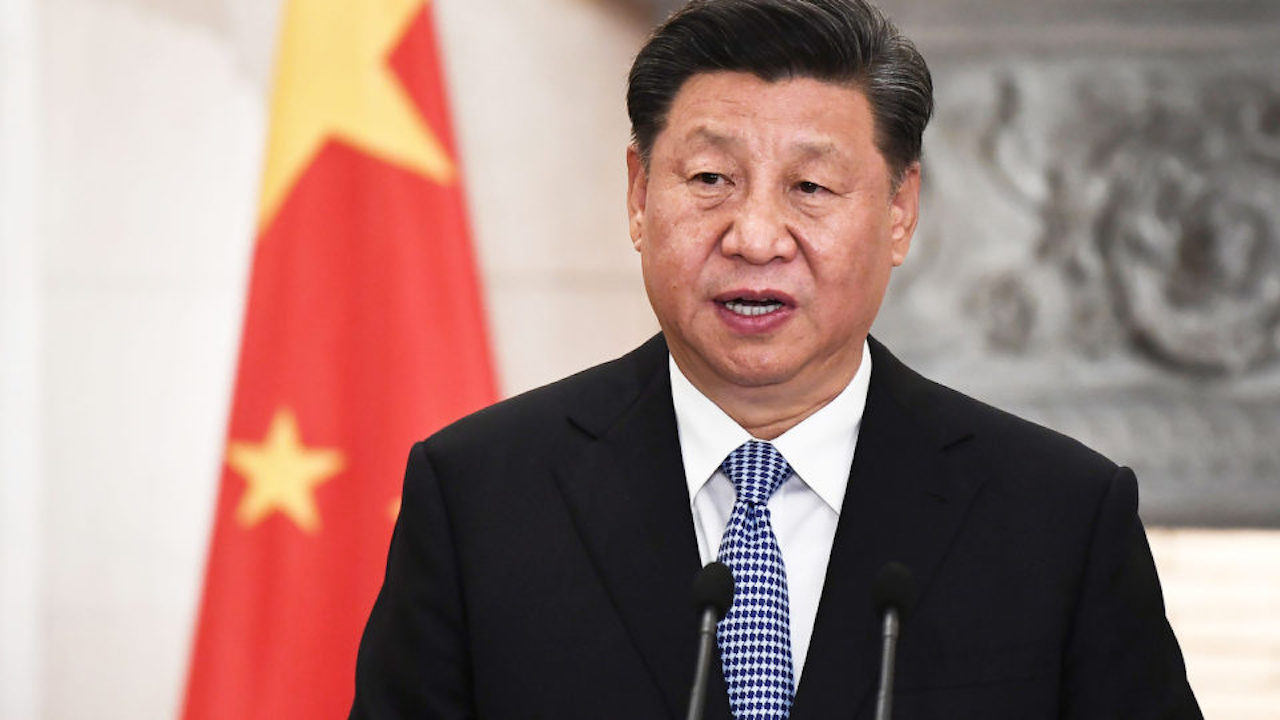
Ends More Than Two Decades of Strangulation in China. Chinese Government Allows European, Japanese, and American Giants to Participate in Commerce in the Largest Market in the World!
The beleaguered Brazilian automotive industry, affected by the global chip shortage and the coronavirus pandemic, will suffer severe consequences from the opening of the sector in China. The Chinese government ended restrictions on foreign automakers in their own businesses in the country. The announcement was confirmed by the Ministry of Commerce and the National Development and Reform Commission (NDRC) of China on the 28th and took effect from January 1, 2022.
Also Read
- The World’s Largest Wind Turbine Will Be Chinese: Wind Generators That China Plans to Use in the Construction of Its Most Ambitious Wind Farm Are More Powerful Than GE’s Haliade-X
- Eike Closes Partnership with China and Gains ‘Infinite’ Capital to Implement Oil and Gas, Mining, Renewable Energy, and Infrastructure Projects in Brazil
- China Wants to Forcefully Lower Oil Prices
- The Largest and First Offshore Converter Station in the World Has Been Installed! The Giant Steel House of 22,000 Tons and 15 Floors Will Supply Electricity for 1.36 Million Homes in China
- China Challenges Google and Builds the Most Powerful Quantum Computer in the World
- 91,300 Tons of Nickel, a Key Raw Material Used in the Production of Batteries for Electric Vehicles, Produced in Bahia, Were Exported to China by Brazil’s Only Producer of the Ore, Atlantic Nickel
This measure ends a period of nearly 30 years of strangulation in China. Now, the European, Japanese, and American automotive giants will have greater participation in the world’s largest market, China!
China Maintained Legislation Known as the “50:50 Rule”
For 27 years, China maintained legislation known as the “50:50 Rule”, which required, since 1994, that foreign automakers establishing operations in the country could only do so through local partners, never holding more than 50% of the ownership of the operation. These are known as joint ventures.
-
Chinese giant worth nearly R$ 4 billion that manufactures cables for electric cars, solar energy, and robotics wants to open a factory in SC.

-
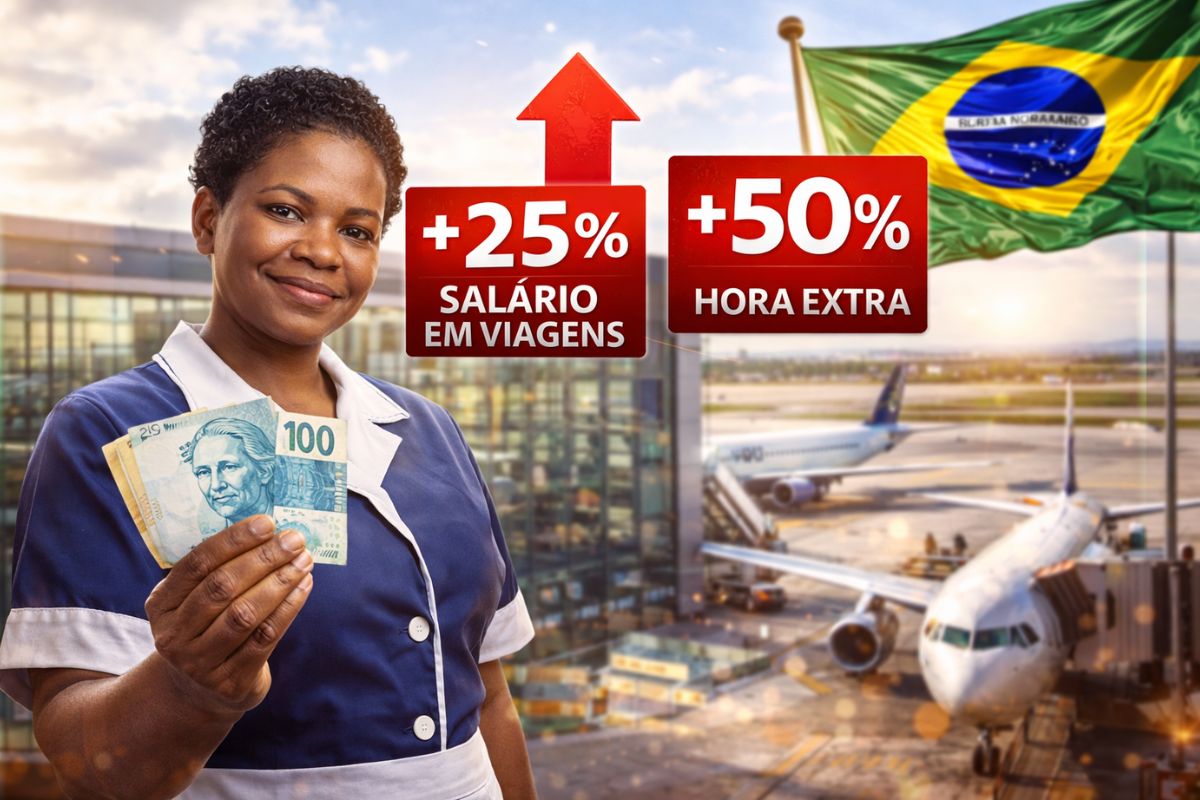
Many employers do not know, but the law guarantees domestic workers a 25% increase in salary during trips, 50% for overtime, 20% for night shifts, and 17 additional benefits that can lead to labor lawsuits if not paid.
-
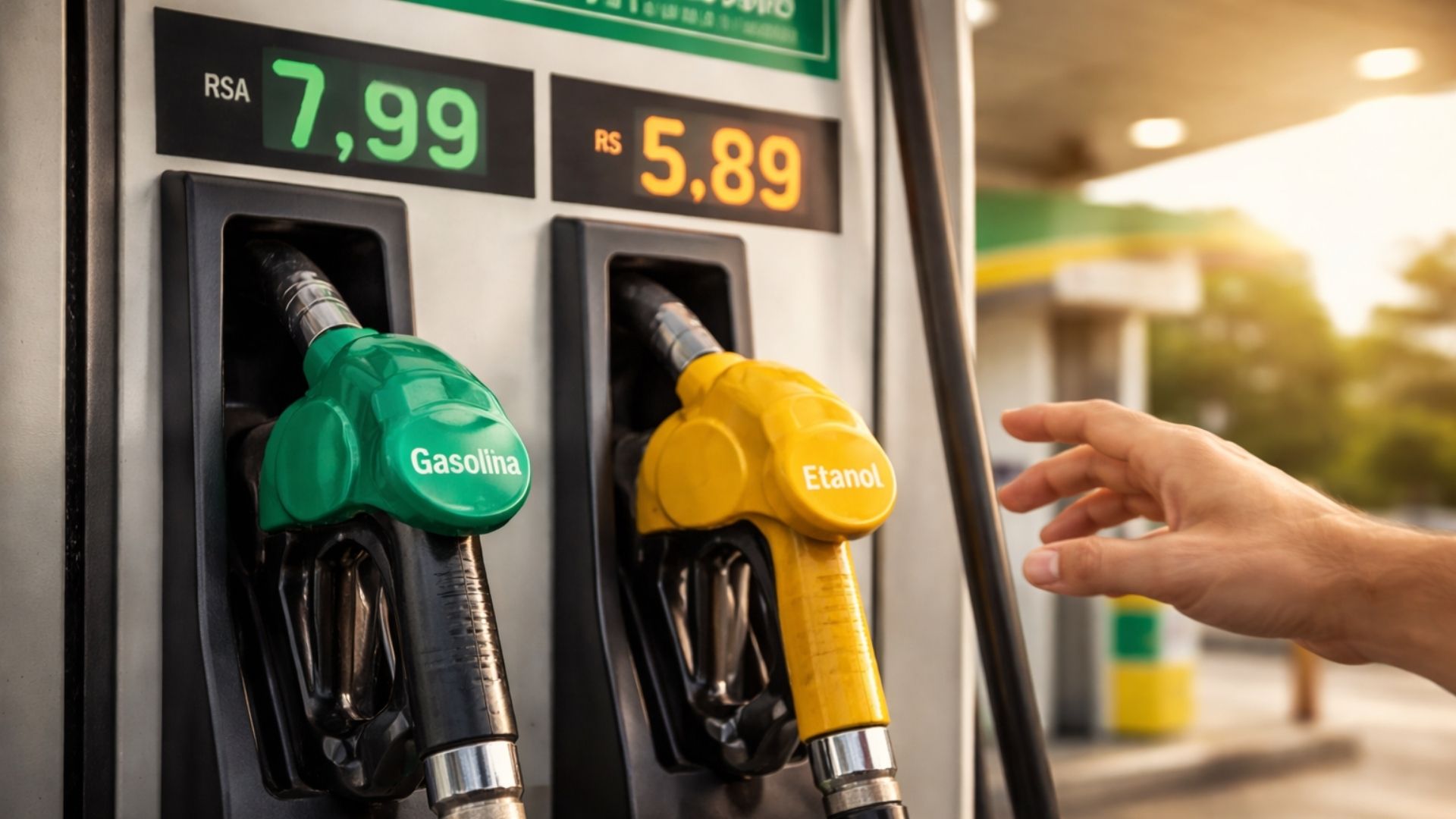
Gasoline prices soar and the question arises: is ethanol more advantageous? The 70% rule reveals the limit with gasoline.
-
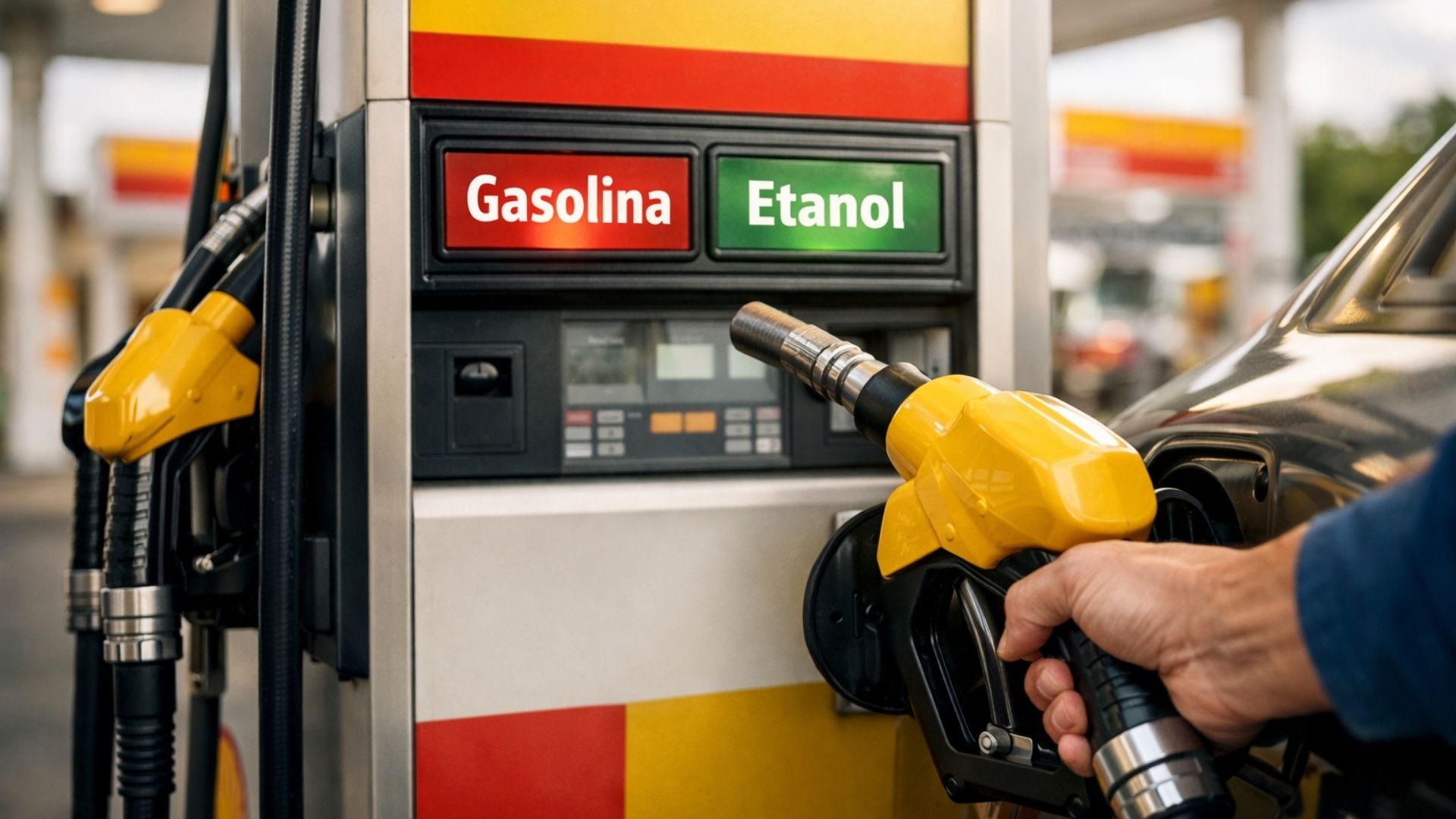
The government has made a decision and is starting a test with more ethanol in gasoline, anticipating a mixture of up to 35%, diesel with 25% biodiesel, and a study to assess the impacts on engines.
“With the end of this barrier, multinationals will gain independence, while Chinese companies will gradually lose the cash flow that came from these joint ventures,” predicts the analyst from Automotive Foresight.
At the time, the “50:50 Rule” aimed to protect the Chinese automotive industry, allowing it to access cutting-edge technology from foreign multinationals, enabling the sector to consolidate nationally before granting unrestricted access to its market for global giants.
With the “50:50 Rule”, multinational automotive manufacturers that established themselves in China have been downsizing their industrial areas in recent years. Hyundai, for example, closed two of its seven Chinese factories. We can also mention PSA Peugeot-Citroën (now part of Stellantis, along with FCA Fiat-Chrysler) which closed its joint venture with Changan Automobile and reduced its production volumes in the partnership with Dongfeng.
China, Projected to Have the Largest GDP (Gross Domestic Product) in the World by 2030, Aims to Manufacture 30 Million Vehicles by 2025 and Will Impact the Global Automotive Industry
China, which 35 years ago had a smaller GDP than Brazil and a share in foreign trade equivalent to half of Brazil’s, aims to grow to 30 million cars annually by 2025, and the Chinese market continues to surpass American, British, and Japanese manufacturers.
Despite the new legislation, many foreign multinationals have already announced that they intend to maintain partnerships with Chinese automakers, without which they would not have the technical and supply support they depend on. It is worth noting that China will have the largest GDP in the world by 2030.
“Foreign brands have already realized that they are cornered. On one hand, ownership will give them a larger share of profit distribution; on the other, they find themselves highly dependent on Chinese partners. There is no way to break the ties,” pointed out James Chao, head of consulting for IHS Markit for Asia and the Pacific, to Reuters.
“I believe that for most joint ventures, there won’t be a quick change right after the opening, as there are still long-term contracts to be fulfilled,” notes Wang Cun of the Chinese Association of Vehicle Distributors.
“Today, the Chinese market is not only the largest in the world, but also the most competitive, and we see that domestic brands like BYD and Geely are gaining ground while the share of many joint ventures is declining,” he adds.
China Opened Its Market in 2018 to Electric Model Manufacturers, and Tesla Began Its Partnership with the Beijing Government
It is worth mentioning that since 2018, China had already opened its market to electric model manufacturers. In July of that year, Tesla began its partnership with the Beijing government, and since then, the country has received significant foreign investments for establishing factories focused on electromobility.
“In this segment, we have noticed a significant advance, whether in the products developed and produced by joint ventures or in the pricing policy that has been constantly pressuring Chinese manufacturers to be more competitive,” emphasizes Cui Dongshu, Secretary-General of the local Association of Passenger Cars (equivalent to Brazil’s Anfavea).
Proof of this is that, in 2020, Mercedes-Benz and Geely announced a global joint venture for the electrification of the Smart brand.
Global Automotive Giants Volkswagen, General Motors, Toyota, Mercedes-Benz, and BMW Target the Chinese Automotive Market and May Abandon Brazil
“Groups like Volkswagen and General Motors are thrilled, after all, they will no longer have to share 50% of their profits with local partners,” said Automotive Foresight analyst Yale Zhang directly from Shanghai to Industry Week.
It is likely that, with the new rule, foreign multinationals in the sector will focus on the Chinese market, leaving countries like Brazil, where sales remain poor and without a recovery outlook, even further adrift.
“The equity game is now on here,” declared Wang Cun, the director of the import committee of the Chinese Association of Vehicle Distributors (similar to Fenabrave in Brazil), to Global Times.
“We will still see many negotiations and the allocation of capital will depend on the structure of each of these joint ventures,” he added, making it clear that the flow of investments from industry giants will be diverted to China.
For Wang, brands like Mercedes-Benz and BMW will leverage their prestige and technological power to gain increasingly greater control over their own businesses.
“We view the opening of this market and other reforms as a new gesture of welcome. Over the past 18 years, we have been very successful in the country, thanks to the support of the Chinese authorities and the commitment of the Liaoning Provincial Government – located in northeastern China – which is the cornerstone of our business,” said Oliver Zipse, Chairman of the Board of Management of the group, in an official statement.
General Motors stated in an official statement that “its growth in China is a result of working with joint venture partners, and it will continue to do so. The trust and collaboration with our partners allow us to deliver high-quality products and services to Chinese consumers.”
Another global automotive giant, Honda, stated through an advisor that it does not intend to alter the ownership structure of its operations in China: “At this moment, we have no plans to change our capital relations.”
Toyota is another foreign multinational that made it clear it has no plans to seek new local partners or establish a sole business in China. Today, the Japanese brand has two Chinese state partners, FAW and GAC.
by – mobiauto









Seja o primeiro a reagir!