Portuguese
  Spanish


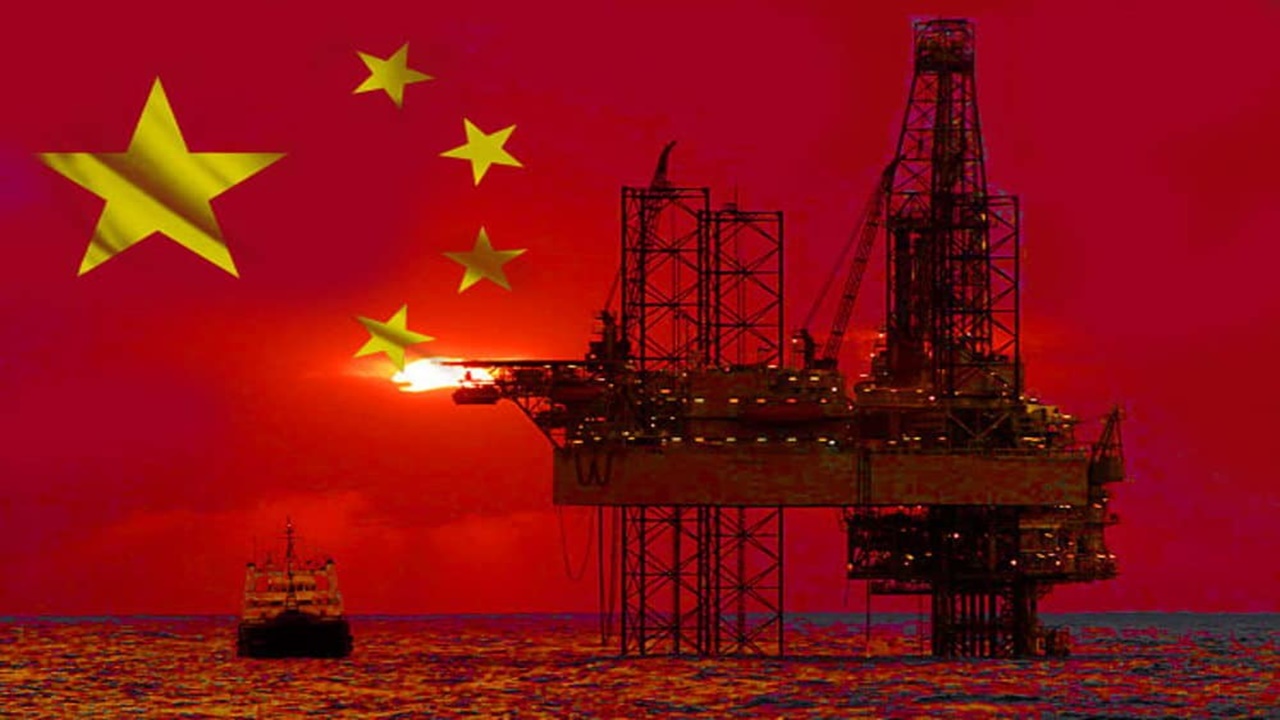

Unprecedented China Intervention in Global Oil Market: Selling Strategic Reserves Aims Explicitly to Lower Prices
China, the world’s largest oil importer, accumulated reserves of 220 million barrels of the commodity over the last decade, according to Energy Aspects, and made an unprecedented intervention in the oil market by releasing part of its strategic reserves for the first time, with the explicit aim of lowering prices. China’s move comes alongside the U.S. public’s call for OPEC to increase production. The two largest oil consumers on the planet are unwilling to tolerate prices significantly above US$ 70 per barrel. Despite efforts to maintain price control, they are recovering from losses.
Read Also
- Itaboraí City Hall celebrated on Friday (09/10) an agreement of intentions with the Brazilian oil giant; Comperj will be another important asset of Petrobras in Rio de Janeiro
- Job openings for working offshore on Petrobras oil platforms in 3-year contracts, this September 13
- Job openings for high school, technical, and higher education are open today (09/10) for work at an ethanol plant
- Petrobras approves this morning (09/10) new contracts for the sale of gasoline and diesel to increase competitiveness among fuel distributors
China Signals Willingness to Use Reserves to Attempt Market Influence
China is starting a war against inflation and rising energy prices affecting economies around the globe. China announced through the National Administration of Food and Strategic Reserves that it had utilized its massive oil reserves to “ease the pressure of rising commodity prices.”

“At first glance, it is quite a clear declaration of intent to use the SPR to lower oil prices for domestic refineries,” said Bob McNally, former senior policy advisor at the White House who now leads the Rapidan Energy Group, a consultancy in Washington.
-
OPEC+ Boosts Oil Supply by 188,000 Barrels per Day in July 2026, Leading to Price Drop from $112 to $89 per Barrel in Under Two Months

-
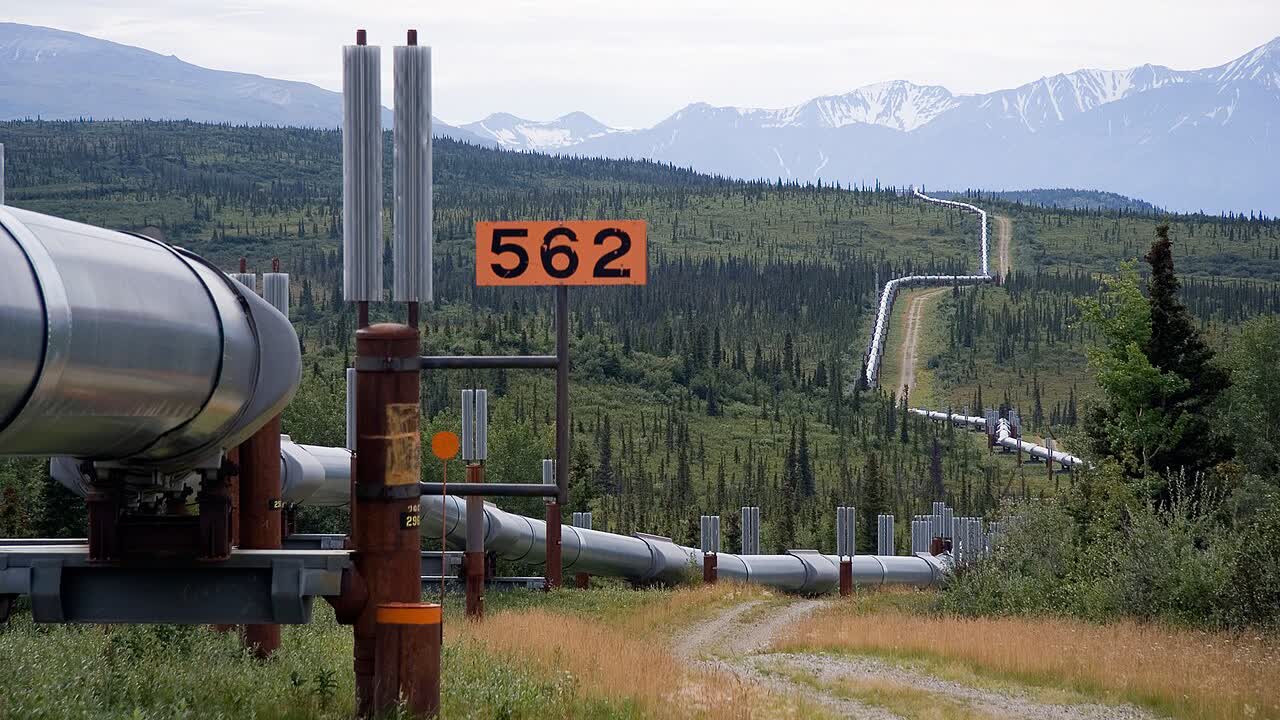
TotalEnergies Signs 20-Year Deal to Purchase 2 Million Tons of LNG from Alaska, Boosting Project Viability
-
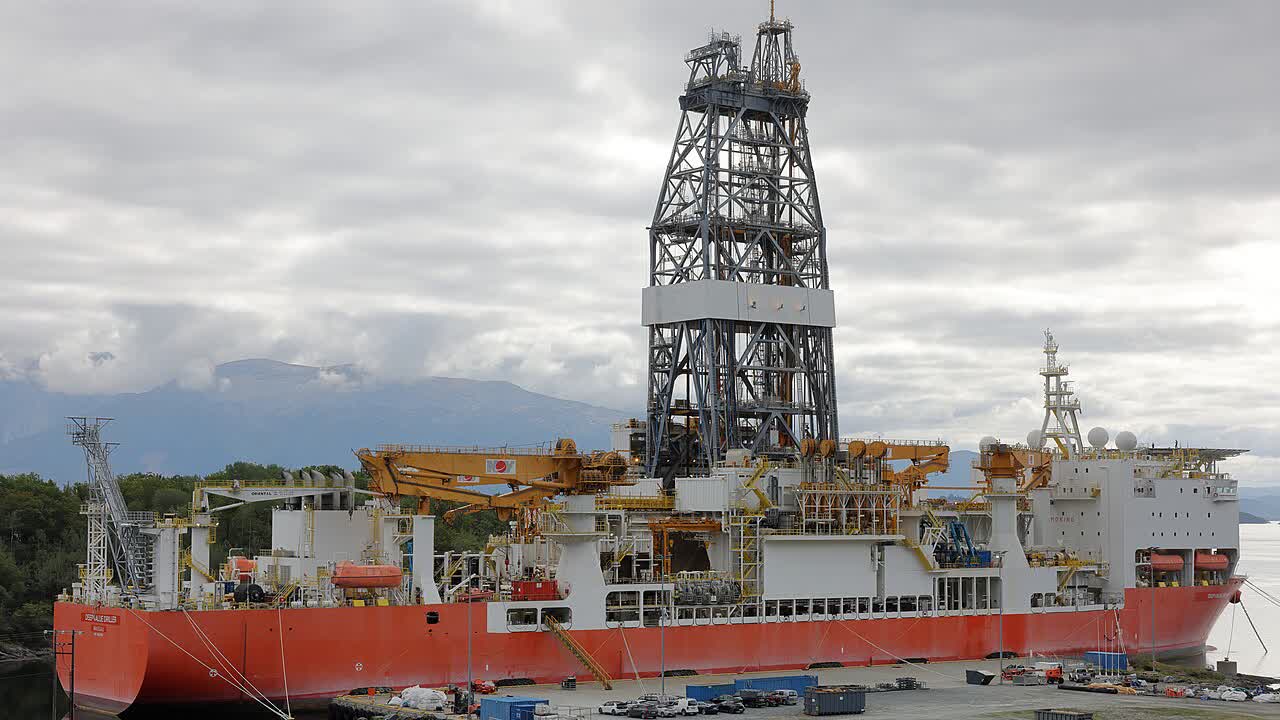
Turkey Deploys Çağrı Bey Drilling Ship to Explore New Oil Frontier Off Somalia’s Coast
-
Golden Pass LNG Ships First Liquefied Gas Cargo from the U.S., Completing $10 Billion QatarEnergy and ExxonMobil Investment

The Chinese agency explained that it is managing a “normalized” rotation of state reserves to fulfill “its role in market balancing,” which is presumed to continue releasing barrels. National oil reserves were released into the domestic market for “better stabilization of supply and demand.”
The Challenges with Oil
But China’s economy is facing several headaches now. Inflation is rising, and the country’s producer price index hit a 13-year high last month, driven by rising commodity prices. Energy costs are also increasing, and demand is so high that some provinces have even experienced energy shortages.
Despite Beijing’s efforts to contain rising costs, factory inflation remains high. The Chinese government warned that high raw material costs, such as energy and petrochemicals, will exacerbate growth and employment challenges faced by manufacturers, especially small and medium-sized enterprises.
The United States Also Reached Its Strategic Reserves
U.S. crude oil reserves fell by 1.5 million barrels in the week ending September 3, according to government data, much less than the 4.6 million barrel decline predicted by analysts.
Even so, there is a risk that reserves could fall too low, which would have a recovery effect and increase prices to replenish strategic reserves. Neither China nor the United States seems to want the price per barrel to exceed US$ 70 or US$ 75.