





 Portuguese
  English
  Spanish
  3 min of reading
  4 comments


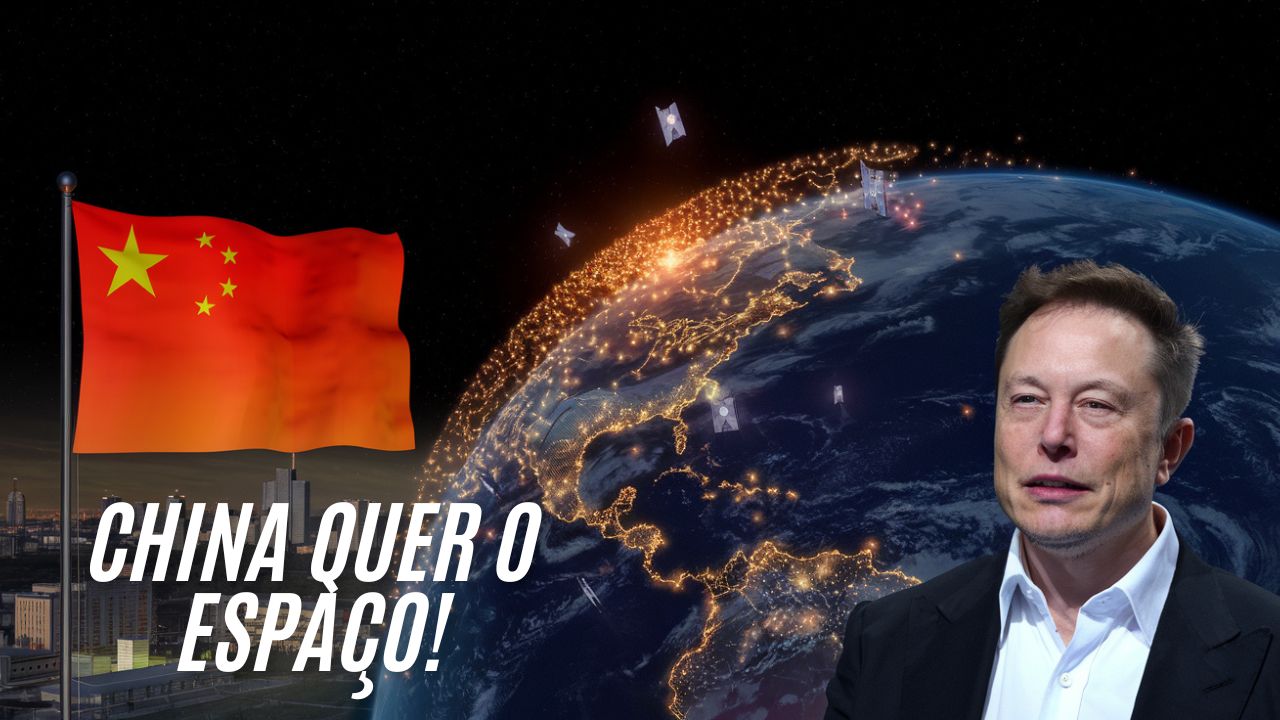


With a Billion-Dollar Investment, China Plans to Launch 13,000 Satellites in Low Orbit by 2024, Challenging the Starlink Network, Which Already Has Over 6,000 Satellites and Serves 4 Million Customers in More Than 100 Countries.
The race to dominate space is no longer just a dispute between military superpowers, but also a battle for connectivity. China, with its ambitious plan to launch 13,000 satellites, wants to enter the satellite internet game, directly competing with Elon Musk’s Starlink. The question remains: does the Asian giant have what it takes to dethrone SpaceX’s pioneer?
With an impressive investment of US$ 943 million, the G60 project is the bet of Shanghai Spacecom Satellite Technology (SSST) to compete in the global connectivity market. The goal is clear: a robust network with low latency and high speed, using satellites in low Earth orbit (LEO).
What Is China’s G60 Project and How Does It Work
The G60 project aims to bring internet to remote areas and connect billions of people, utilizing LEO satellite technology, which orbits approximately 550 km from Earth.
-
Brazil has quietly developed an electric tactical drone that takes off and lands vertically without needing a runway, flies at 140 km/h in a fully autonomous manner, and can operate in forests, conflict zones, and remote areas.

-
Novo drone Guardian debuts in the United States with an 8-mile range, robotic battery swapping, and Starlink connectivity for continuous response.

-
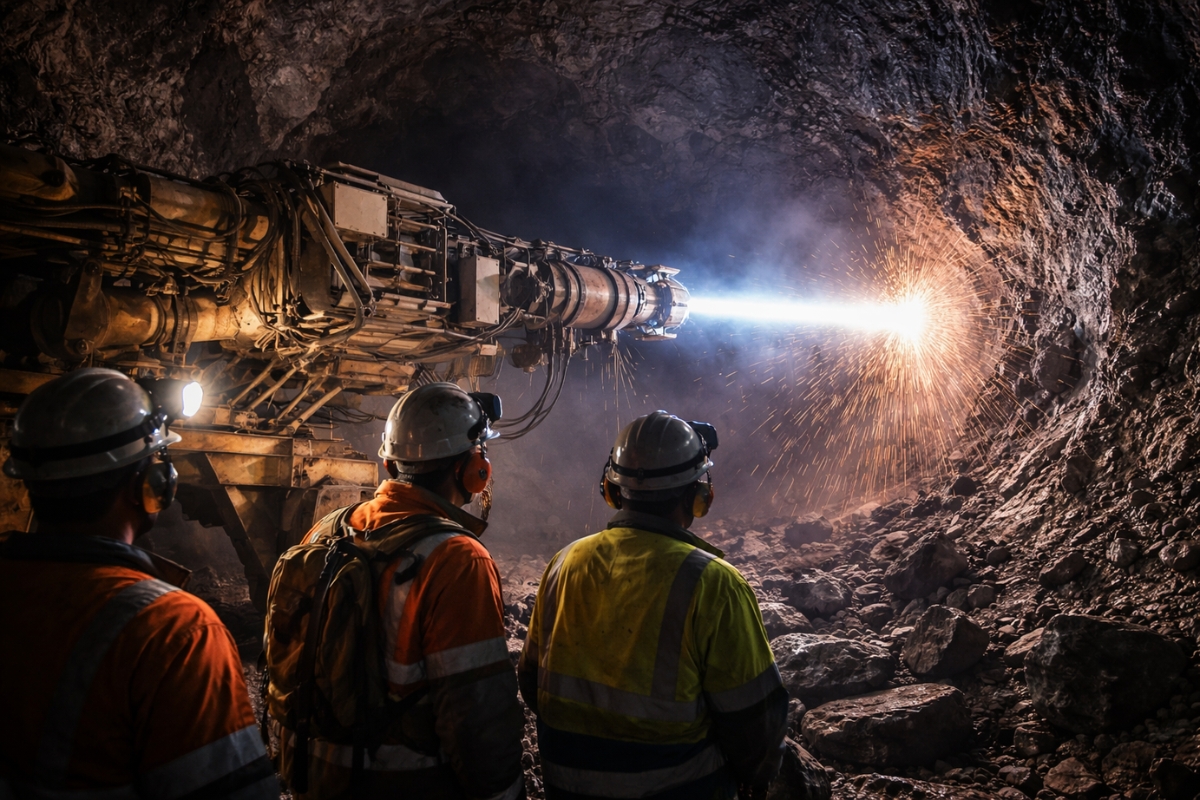
100 kW megalasers are already pointing to a new industrial phase, with enough power to cut thick steel, drill through rocks, accelerate mining, and increase productivity in operations previously considered too difficult.
-
Thousands of people in poor countries are paid cents to film household tasks, label images, and operate systems remotely all day long, and this invisible work fuels a $17 billion market that trains the artificial intelligences of Google, Tesla, and Meta.


Unlike geostationary satellites, LEO satellites orbit closer to Earth, reducing latency and increasing efficiency. This is crucial for providing high-quality internet services in areas where terrestrial infrastructure is limited or nonexistent.
In addition to improving latency, the G60 promises greater reach in hard-to-access regions and more stability in connections. China also plans to use this technology to further integrate its digital economy.
Guowang: Another Chinese Initiative in the Satellite Market

It’s not just the G60 that draws attention. The Guowang system, also under development, reinforces China’s strategic interest in leading the satellite internet market.
The Guowang aims to provide global coverage and consolidate China’s position as a technology hub. More than just connectivity, this network promises to be a pillar for data security and digital independence for the country.
To expand its operations, companies like SpaceSail, involved in the G60, have already made agreements with countries like Brazil. However, entering markets dominated by Starlink will not be easy.
The Competition with Starlink: Technological and Market Rivalry
While Starlink has over 6,000 active satellites and serves millions of customers, Chinese megaconstellations find their advantage in markets where Starlink faces restrictions, such as in China itself.
Starlink plans to launch up to 42,000 satellites in the coming years but faces regulatory barriers in some countries. This limitation opens a door for Chinese projects.
With strategic partnerships and bilateral agreements, Chinese companies can fill gaps in regions like Latin America and Africa, where Starlink’s presence is limited.
The Strategic Relevance of Megaconstellations
Megaconstellations are not only a technological advance, but also a geopolitical and economic trump card.
These satellites are essential for bringing internet to isolated regions, such as rural communities and hard-to-reach areas. This can transform local economies and reduce digital inequalities.
The dispute between China and the United States in the satellite sector reflects a larger struggle for global technological leadership. Those who dominate this market will have not only economic influence but also strategic importance.
With projects like the G60 and Guowang, China is determined to challenge Elon Musk’s Starlink. The competition promises to benefit consumers around the world by offering more options and better services.







Esses chineses são um bando de dador de cool.
Bom se é até 2024 , tem menos de 15 dias pra lançar os 13000 satélites
Governo lula comprando briga de graça,sabe se que os chineses não tem como fazer isto no mandato do Lula ****,aí a imprensa Brasileira comprada fica noticiando estas bobagem.
Essa briga de gigantes da tecnologia, esperamos que contribua para uma melhor educação mundial, e principalmente para diminuir a desigualdade social em cada país.