





 Portuguese
  English
  Spanish
  4 min of reading
  0 comments


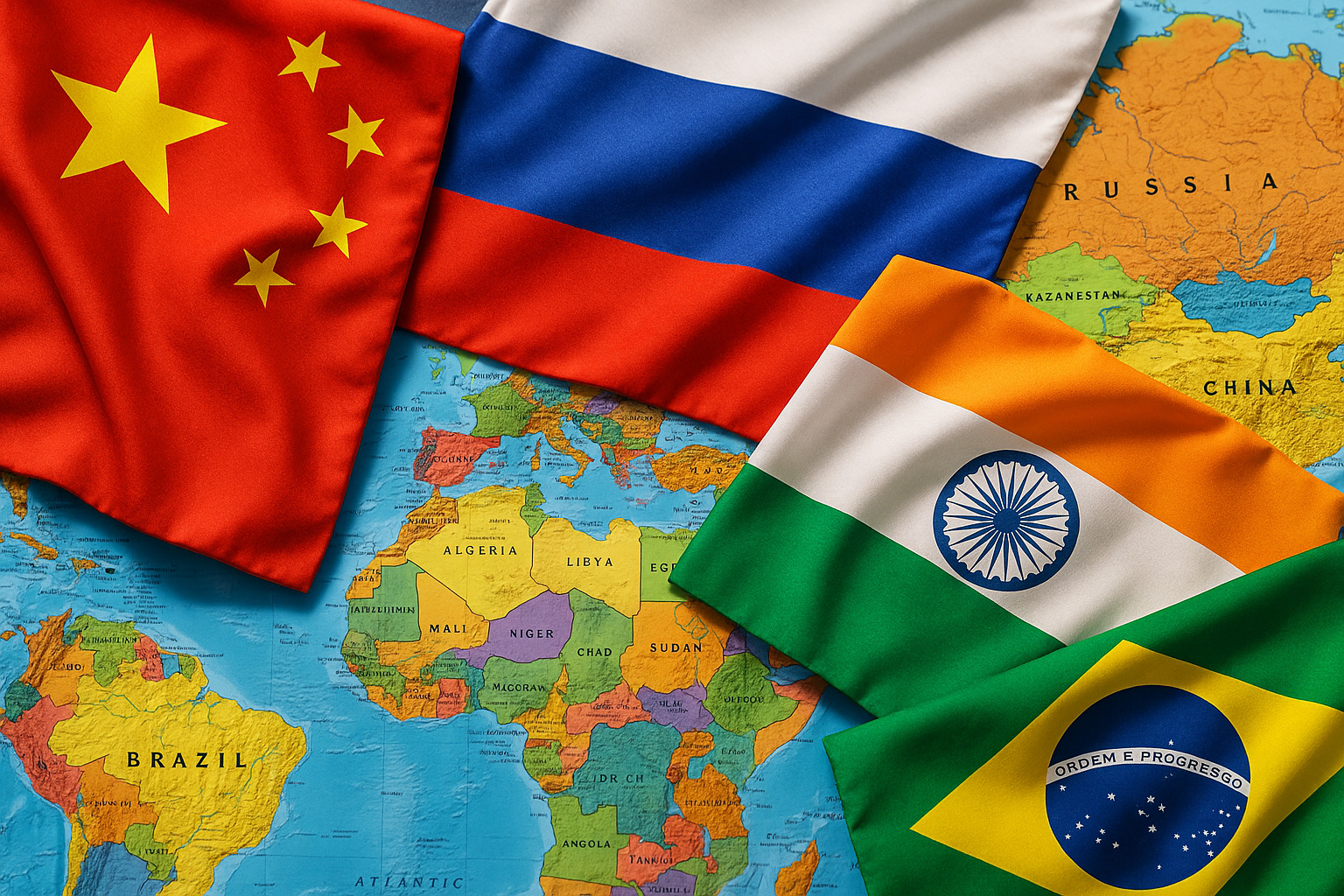
Brazil Observes New Global Board In Formation Led By China, Russia And India
With the Shanghai Cooperation Organization (SCO) summit held in July 2025, China has intensified its geopolitical influence.
The meeting gathered leaders from twenty countries and pointed towards a new world order.
This new order is less dependent on the United States and more anchored in the Eurasian axis.
-
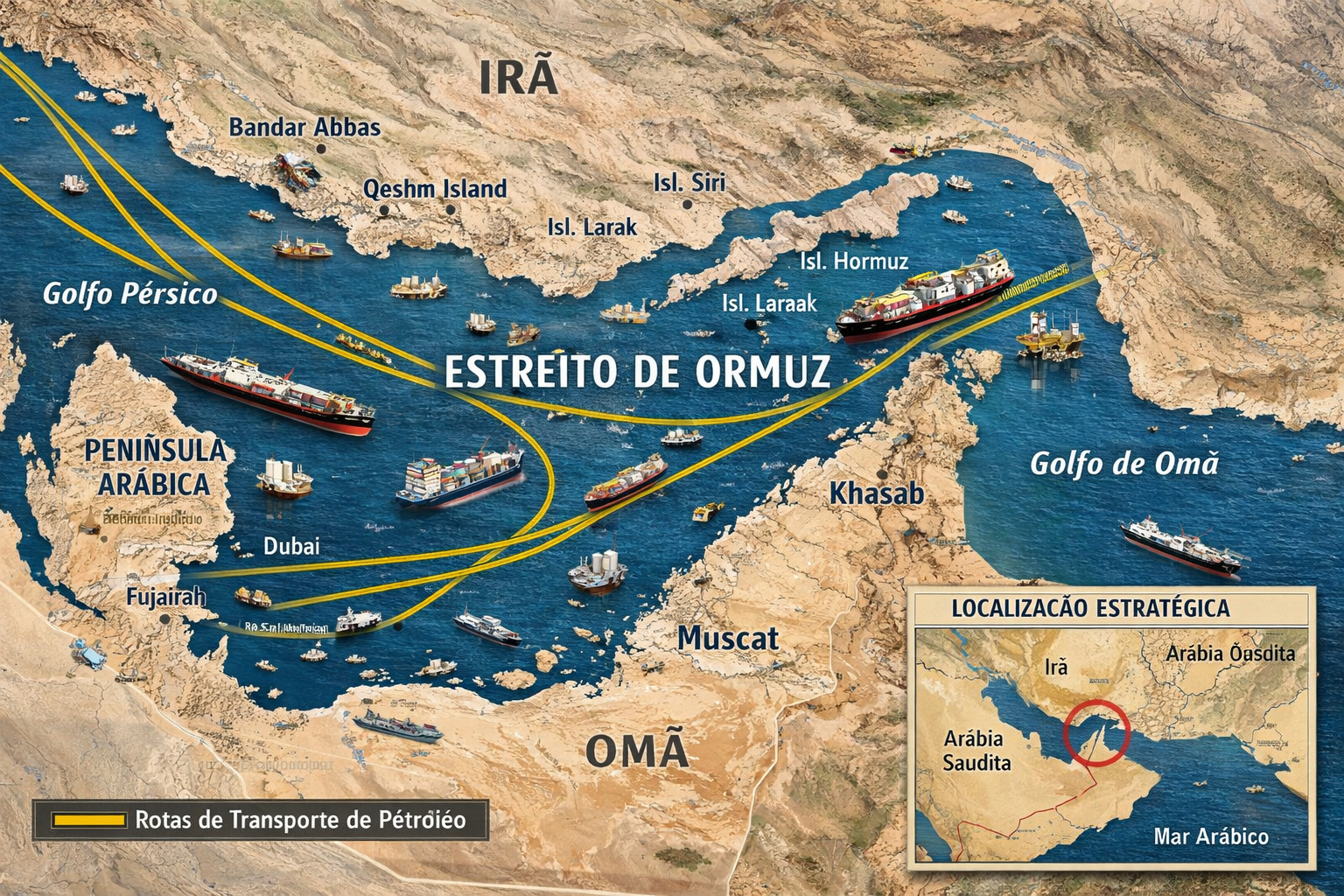
Global summit with over 40 countries pressures Iran for a blockade in the Strait of Hormuz and warns of direct impact on oil, food, and the global economy.
-
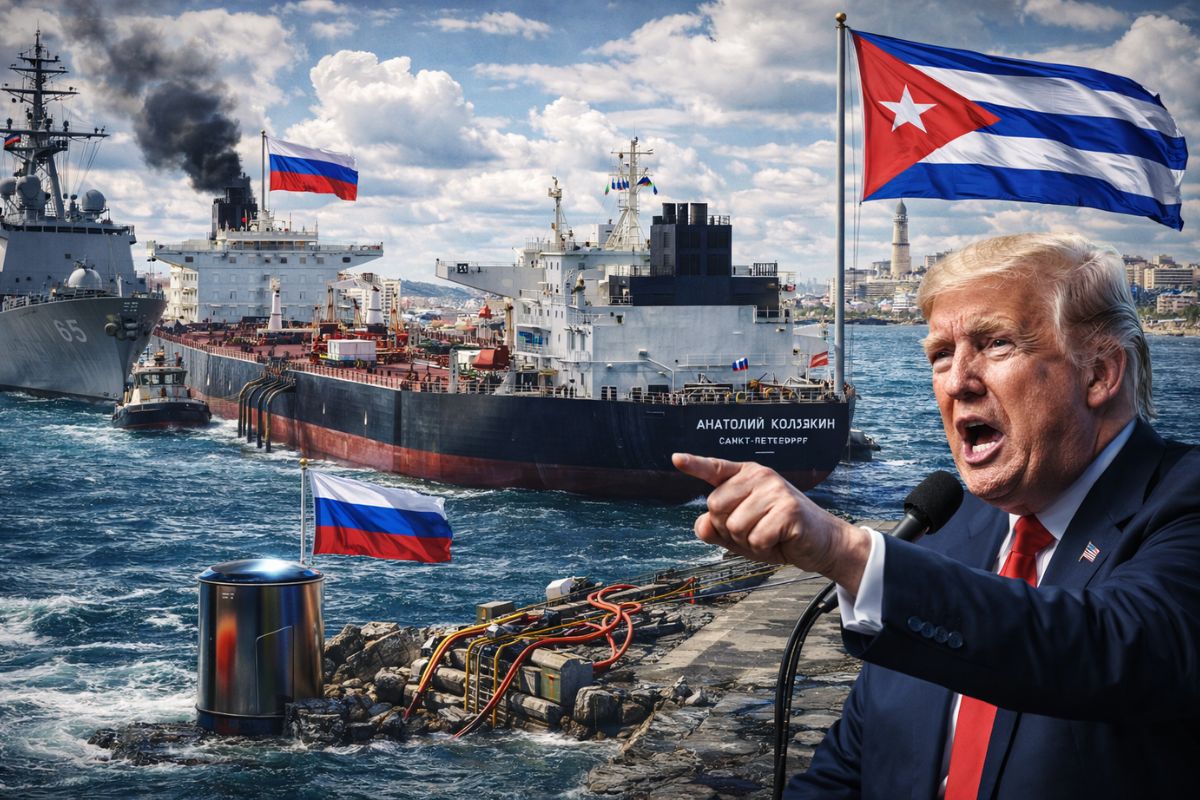
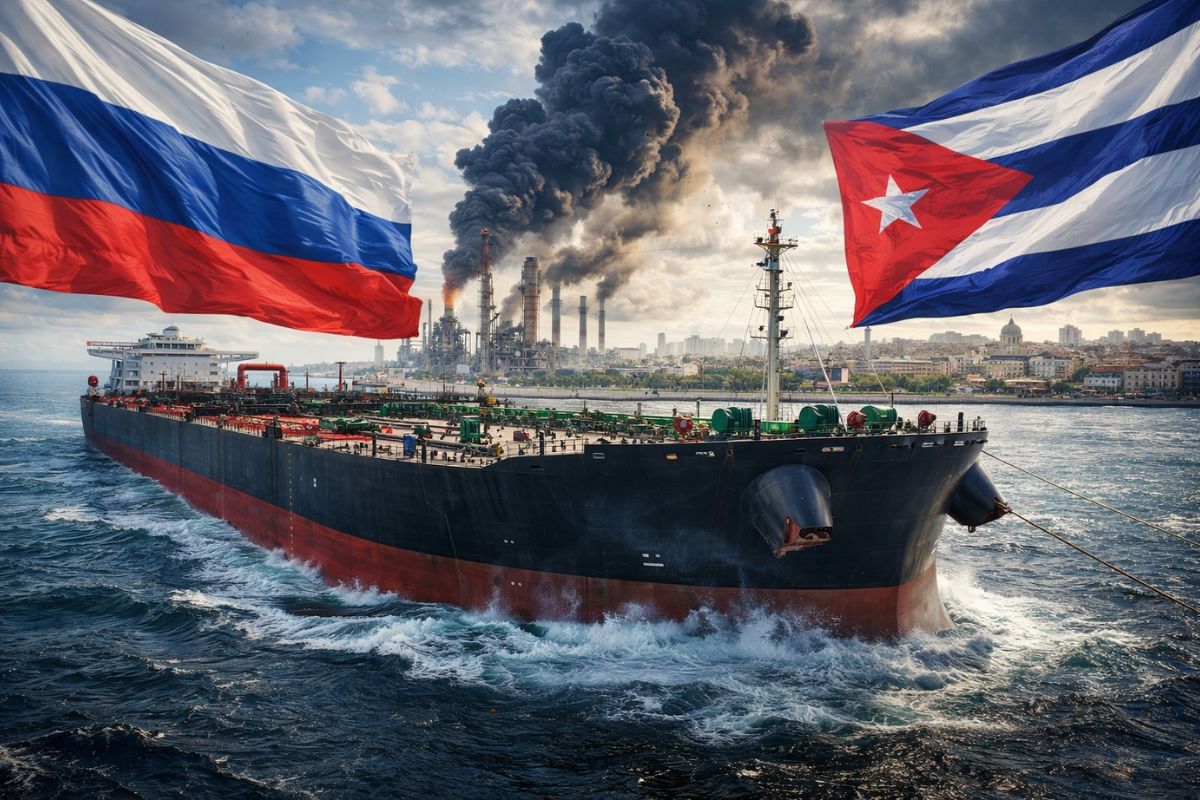
Russia has broken the U.S. maritime blockade to send oil to Cuba and is now loading a second ship while Trump says that “Cuba is next” in a possible military action against the island.
-
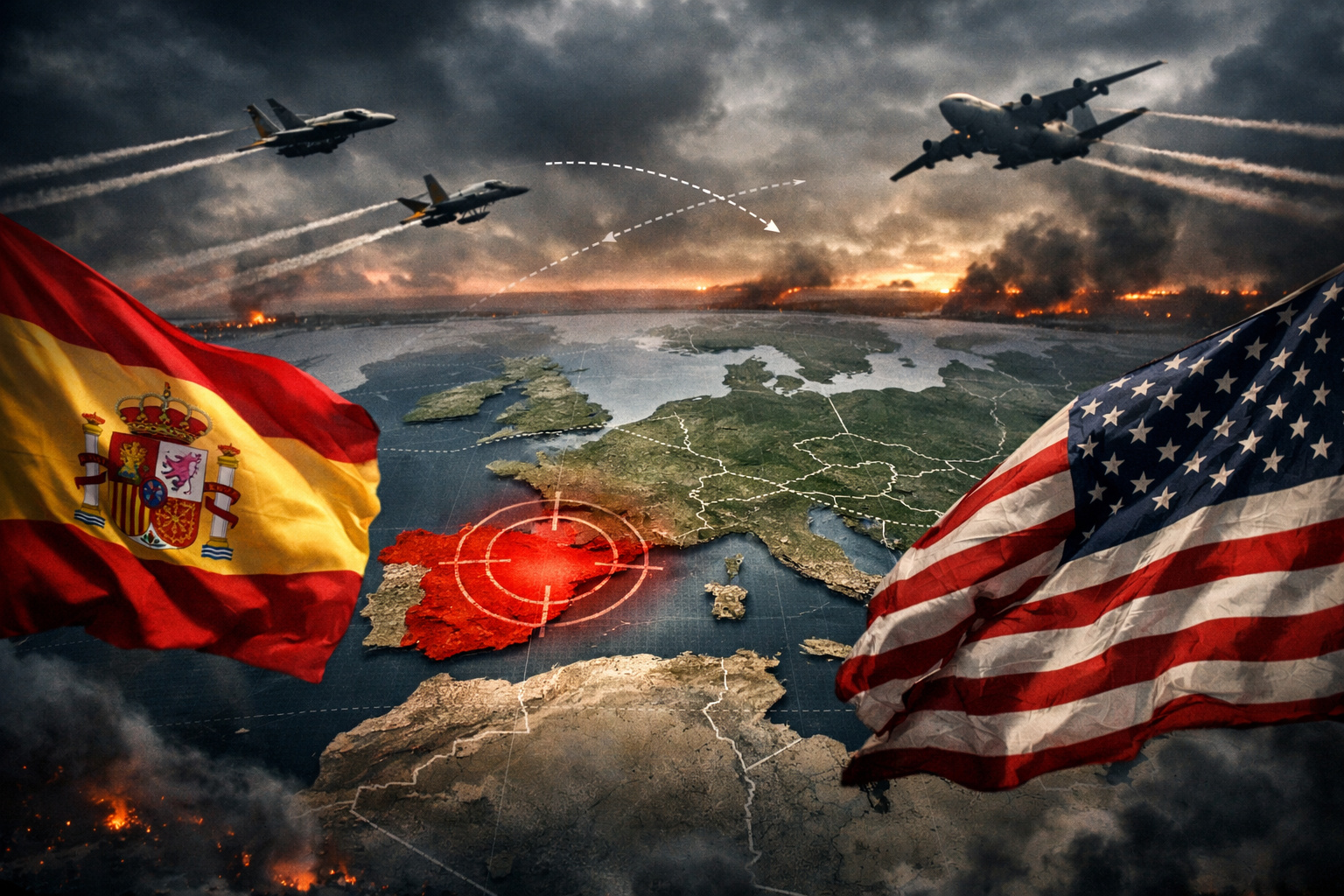
Spain challenges the USA and closes its airspace for operations against Iran, raising global tension and provoking the threat of a trade rupture.
-
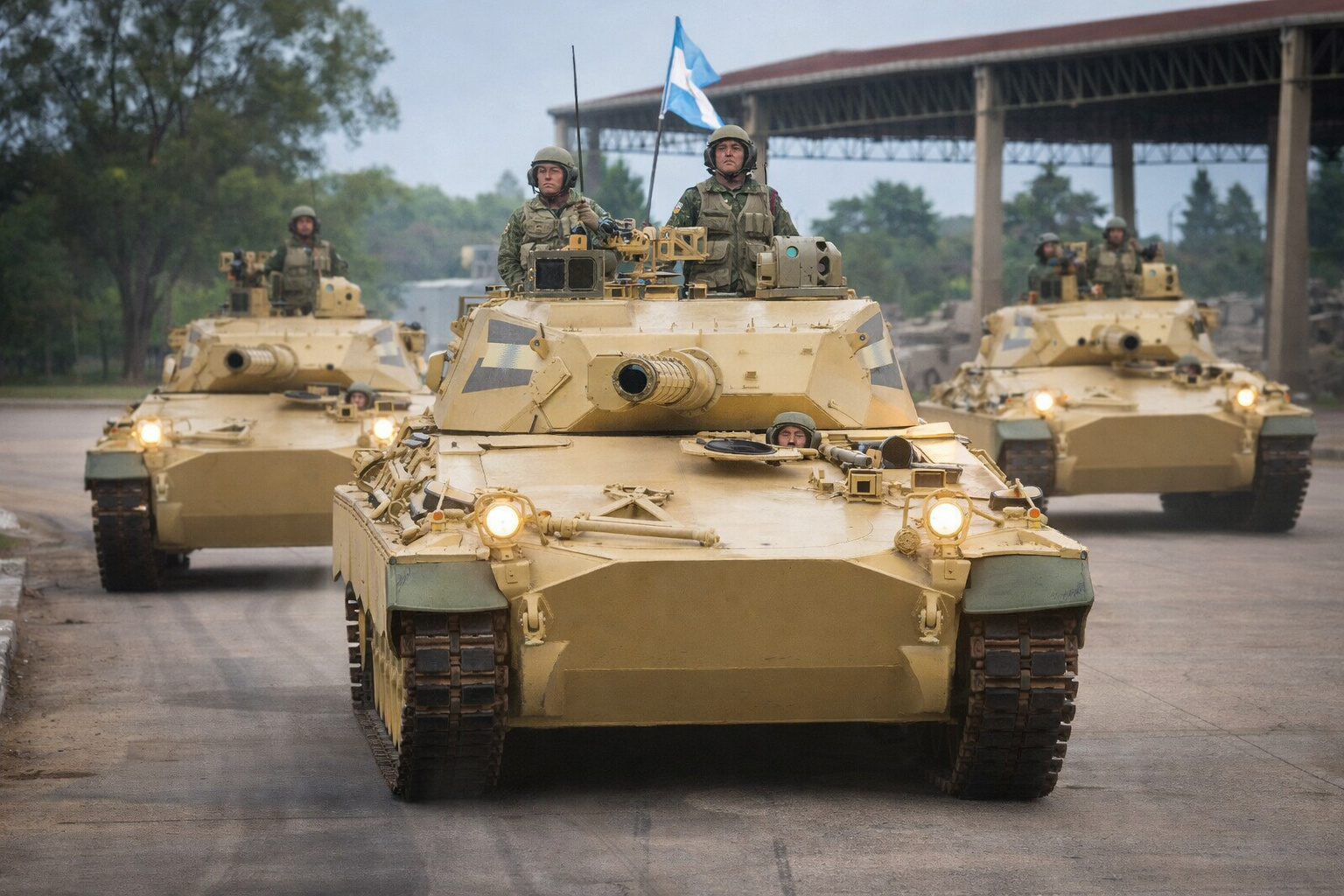
While no other country manufactures tanks in Latin America, Argentina activates the TAM 2C-A2 and raises a curiosity about the technological lag in the region.

Brazil, in light of this scenario, assesses how it can strategically insert itself.
Summit Marks Advance Of Eurasian Integration
The SCO meeting in Tianjin was promoted by Beijing as the largest diplomatic event of the year.
It featured the presence of Xi Jinping, Vladimir Putin, and Narendra Modi, along with Iran.
Iran became a full member of the SCO in July 2023 and joined BRICS Plus in January 2024.
The convergence of these blocs highlights a strategic repositioning in global geopolitics.
This repositioning imposes new challenges and opportunities.
Xi Jinping used the event to present China as a stabilizing power in the face of global fragmentation.
He emphasized the importance of practical multilateralism and alliances in areas such as energy, security, and logistics.
Putin defended the SCO as the core of a regional security architecture and praised Xi as a “true statesman.”
The SCO encompasses 42% of the world’s population and 23% of global GDP, reinforcing the scale of the ongoing transformation.
India Strengthens Its Strategic Autonomy
Prime Minister Narendra Modi’s participation marked a crucial moment in Asian dynamics.
After seven years without stepping on Chinese soil, the Indian leader traveled to Tianjin in July 2025.
The visit occurred amidst the 50% tariffs imposed by the United States on Indian exports, considered retaliatory.
Despite previous tensions with China, India signaled diplomatic independence and interest in maintaining dialogue with powers like China and Russia.
This attitude reinforces the logic of balance between the Western and Eurasian blocs, characteristic of India’s current foreign policy.
Additionally, the country positions itself as a major consumer of Russian oil, which strengthens its economic ties.
For Brazil, this Indian autonomy serves as a model for articulating diverse interests without submitting to a single geopolitical axis.
Brazil Has Legal Basis And Space For Approach
In light of the new scenario, Brazil possesses legal and diplomatic instruments to participate in the transformations.
Article 4 of the Federal Constitution guides foreign policy based on international cooperation and the rejection of unilateral sanctions.
Moreover, it provides for the peaceful resolution of conflicts.
An official declaration reaffirming these principles would already position Brazil in the global debate, without irreversible commitments.
The country can request “observer” or “dialogue partner” status within the SCO, as has been the case with other nations.
Egypt, Turkey, and Saudi Arabia have already received these designations.
This move would require only a memorandum of understanding and subsequent approval by the National Congress.
The requirement is outlined in Articles 49 and 84 of the Constitution.
This action would strengthen the link between Brazil and BRICS Plus without generating military or political alignment obligations.
Challenges Include Sanctions And Diplomatic Recalibration
However, Brazil faces evident risks in approaching Russia and China. For this reason, the United States may adopt severe trade retaliations against the country.
Moreover, the U.S. Congress approved CAATSA in August 2017. This law allows sanctions against countries with close ties to Washington’s adversaries.
Therefore, to avoid economic damage, Itamaraty should prioritize civilian cooperation. Among them, areas such as energy, infrastructure, and bilateral trade stand out.
At the same time, Brazil must avoid getting involved with sensitive issues. This includes strategic sectors like defense and military security.
The strategy requires maximum caution. Thus, diplomacy and accurate analysis of the global scenario become essential. Meanwhile, the European Union closely watches Brazil’s stance and maintains active sanctions against Moscow.
Brazil Can Expand Protagonism Without Abandoning Autonomy
The intertwining between the SCO, BRICS, and BRICS Plus significantly enhances Brazil’s opportunities, which seeks to position itself in this new geopolitical scenario.
Additionally, the entrance of countries like Egypt, Saudi Arabia, and Iran decisively strengthens the institutional ties connecting these emerging blocs.
Founded in 2003, the IBAS Forum (India-Brazil-South Africa) emerged as a strategic cooperation instrument among Global South countries, focusing on multilateral articulation.
Although it has become less active in recent years, IBAS remains relevant, mainly for still providing diplomatic space for common agendas and direct political dialogue.
India, by simultaneously participating in all three forums (SCO, BRICS, and IBAS), offers Brazil a geopolitical position that can be highly strategic.
Thanks to this, Brazil manages to navigate between continents and distinct agendas, maintaining its Atlantic and African vocation without compromising emerging partnerships.
Recently, the Tianjin summit reinforced the perception that the center of global power is gradually shifting towards Eurasia.
In light of this, Brazil has a concrete chance to expand its international presence, leveraging its diplomatic tradition and solid legal foundation.
The main challenge, therefore, will be balancing the depth of involvement, reconciling the expansion of cooperation with prudent and well-measured strategies.
Today, we live in an international context where tariffs and sanctions have become central and recurring tools of global foreign policy.









Seja o primeiro a reagir!