





 Portuguese
  English
  Spanish
  3 min of reading


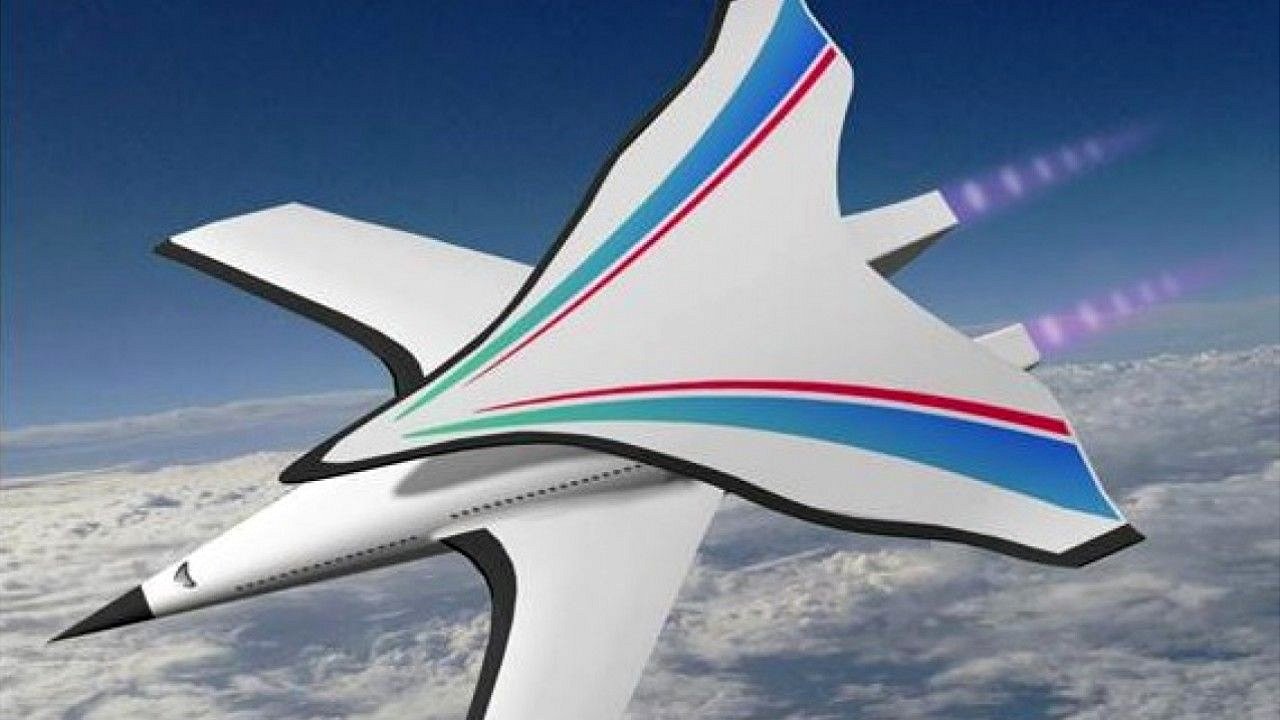
Chinese Researchers Develop Hypersonic Detonation Wave Aircraft Engine Fueled by Kerosene That Can Reach Mach 9.
Researchers from China claim to have developed the world’s first hypersonic detonation wave engine, capable of propelling an aircraft to Mach 9, that is, nine times the speed of sound, using inexpensive jet fuel. According to the South China Morning Post (SCMP), last Friday (18), the hypersonic detonation engine underwent several very successful ground tests at Beijing’s JF-12 hypersonic shock tunnel.
Researchers Release Technical Information About the Engine Installed on the Airplane
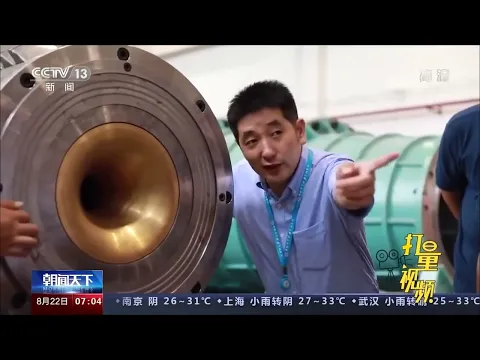

According to one of the researchers from China, no test results for hypersonic detonation wave engines using aviation kerosene had been released before. The researchers published technical information about the new aircraft engine in a report published in the Journal of Experiments in Fluid Mechanics, a peer-reviewed journal, on November 11.
The tests were conducted earlier this year, according to information from SCMP. The team conducted experiments with the engine, which generates thrust through explosions, led by the senior engineer Liu Yunfeng from the Institute of Mechanics at the Chinese Academy of Sciences. Compared to other hypersonic engines, like that of a scramjet, for example, a detonation wave engine can operate more efficiently and with greater power.
-
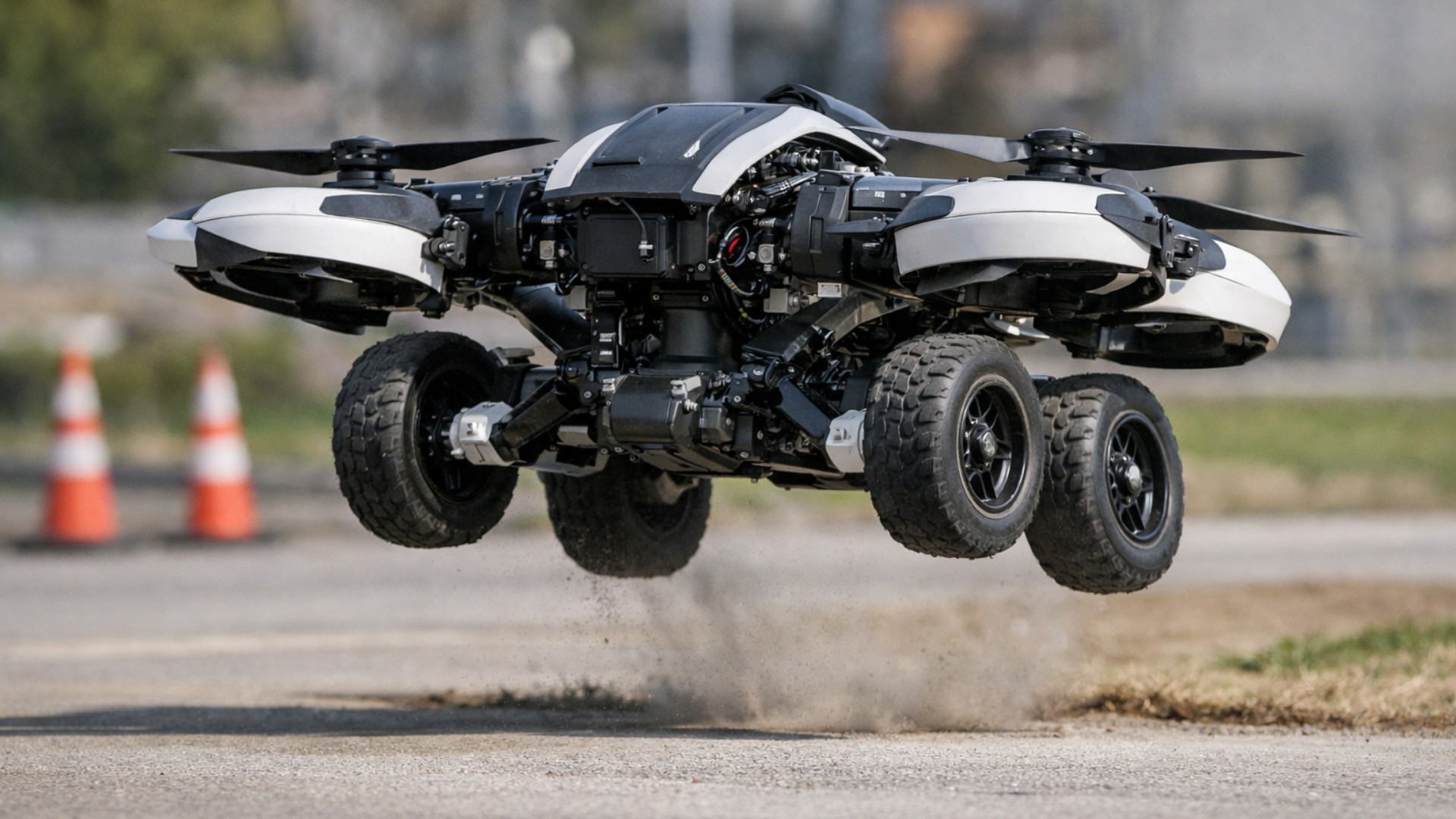
Researchers in the U.S. have created a flying robot that transforms into a land vehicle while still in the air. The technology, based on aerodynamic transition, converts landing into a scene worthy of Transformers and redefines mobility between sky and ground.
-
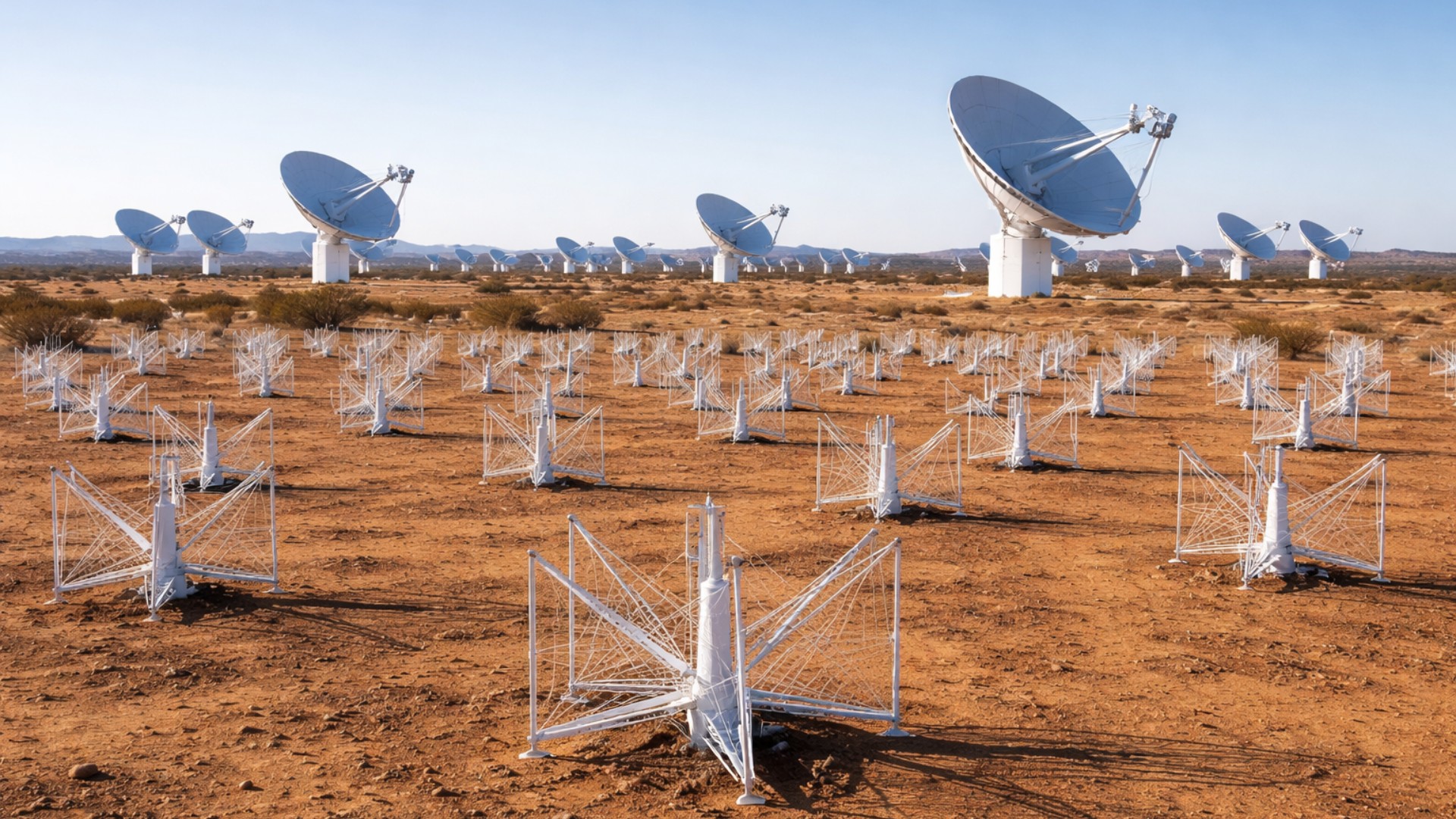
Spread across two continents, with 197 parabolic antennas in South Africa, 131,000 2-meter antennas in Australia, and a range of up to 150 km, the SKA begins to “listen” to the Universe on an unprecedented scale and accelerates the search for black holes, primitive galaxies, and nearly invisible radio signals.
-
Goodbye batteries: a new sensor created by Japanese scientists uses sweat as an energy source and points to a promising path for more sustainable devices, with greater autonomy and less need for frequent recharging.

-
The Brazilian Army inaugurated the assembly line for the Guaicurus armored vehicle with a contract for 420 units by 2033, and the same vehicle has already been tested in combat in Afghanistan and Lebanon by European armies.


Successive explosions are triggered by the detonation wave. These explosions occur almost instantaneously, releasing much more energy than a conventional engine combustion with the same amount of fuel, particularly at speeds above Mach 8. Detonation wave engines have been created by scientists worldwide; however, they typically use hydrogen fuel, which unlike kerosene, is very expensive and explosive.
Scientists Face Challenges in Igniting Kerosene
Aviation fuel, known as RP-3, commonly found at airports in China, fuels Yunfeng’s engine. Due to its high energy density and simplicity of storage and transportation, aviation kerosene is the fuel of choice for air-breathing engines.
Although the concept of using aviation fuel to power hypersonic detonation wave engines has existed for years, it is not easy to ignite.
Scientists faced significant challenges, given that it is difficult to ignite kerosene in hot, moving air. According to computer simulations, a kerosene-powered engine would require a detonation chamber 10 times larger than that of a hydrogen-powered engine.
The additional length would be impractical for most hypersonic aircraft, given that every millimeter is essential, according to the Chinese team.
Researchers Make Surprising Discovery
The researchers from China, however, discovered that a direct modification, adding a thumb-sized protuberance to the air intake surface of the hypersonic detonation wave engine, could make igniting kerosene easier while maintaining a compact chamber.
The YJ-21 and DF-17 are two hypersonic missiles developed by China that can strike a structure or a moving vessel, evading most air defense systems. By developing a fleet of aircraft that can transport passengers anywhere in the world in just a few hours, the Chinese government plans to explore uses for hypersonic technology in the civilian sector.
Regular long-distance flights under challenging circumstances should be possible for hypersonic aircraft. However, scientists and engineers working with the technology state that reducing construction costs and operation remains a challenging issue.







Seja o primeiro a reagir!