





 Portuguese
  English
  Spanish
  4 min of reading
  1 comment


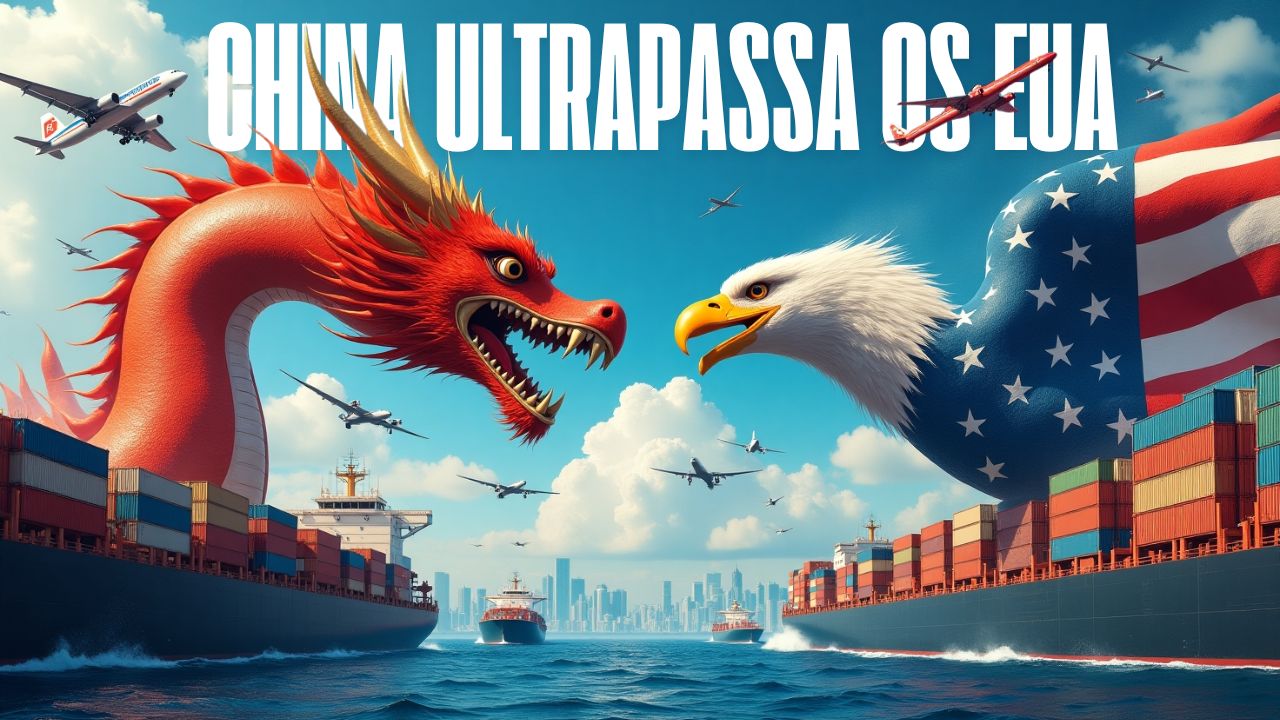


At The Beginning Of The 2000s, The United States Dominated Global Trade, Being The Main Trade Partner Of Most Countries. China, Although Growing, Was Still A Secondary Economy In The International Scenario. However, Over The Last Two Decades, A Radical Transformation Occurred: China Surpassed The USA, Becoming The Largest Trade Power In The World.
This Advancement Of China Was Driven By A Combination Of Accelerated Industrialization, Economic Opening Policies, Massive Investments In Infrastructure, And Global Strategies Such As The Belt And Road Initiative. The Shift In Global Trade Axis Impacted Economies Across All Continents, Redefining Trade Relations And International Politics. Next, We Explore How This Rise Happened And What The Implications Are For The Future Of Global Trade.
The US Trade Dominance At The Beginning Of The 2000s
At The Start Of The 21st Century, The United States Was The Epicenter Of Global Trade. More Than 80% Of Nations Had The US As Their Largest Trade Partner, Resulting From Accelerated Globalization And The Economic Weight Of The US After The Cold War. The Country Led Global Value Chains, Exported Cutting-Edge Technology, And Imported Manufactured Products From Various Parts Of The World.
Meanwhile, China Was Still A Modest Player In Global Trade, Accounting For Only 3% Of Trade Flow In The Mid-1990s. Despite Reforms Initiated By Deng Xiaoping In The 1980s, The Country Was Still Far From Challenging American Trade Supremacy.
-
Brazilian city bets on the business environment to generate jobs and attract investments in the energy sector — secretary reveals strategy at Macaé Energy 2026.

-
50 viaducts, 4 tunnels, 28 bridges, and 40 kilometers of bike paths: BR-262 in Espírito Santo will receive 8.6 billion reais for the largest engineering project in the state’s history, inspired by the Immigrant Highway in São Paulo.

-
Brazil produces too much clean energy and doesn’t know what to do with it: over 20% of solar and wind capacity was wasted in 2025 while investors flee and 509 renewable generation projects were abandoned in the last year.

-
Piauí will produce a new fuel that replaces diesel without needing to change anything in the truck’s engine and reduces pollutant gas emissions by half: truck drivers from all over the Northeast are already celebrating the news that will arrive later this decade.


The Factors That Driven China’s Rise
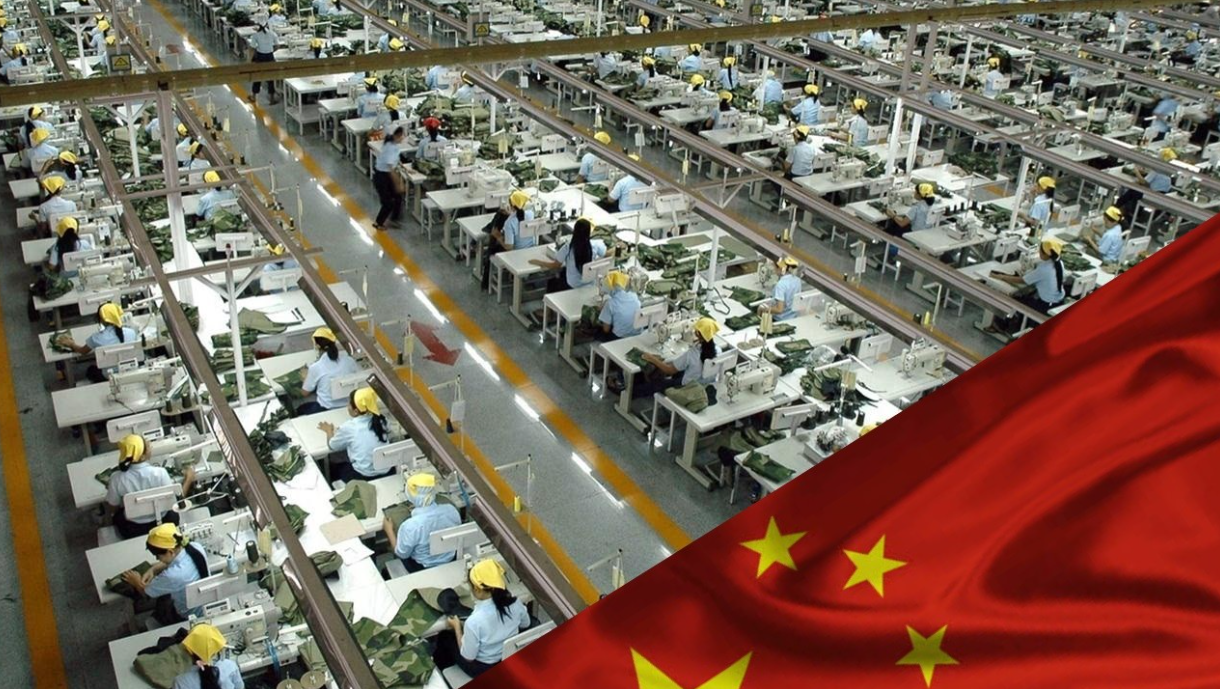
Starting In The 2000s, China Initiated A Process Of Accelerated Growth, Transforming Itself Into The “Factory Of The World” And Drastically Changing The Dynamics Of International Trade. Several Factors Were Crucial To This Rise.
China Invested Heavily In Industrial Development, Rapidly Expanding Its Productive Capacity. Cities Like Shenzhen And Shanghai Became Hubs For Manufacturing Electronics, Clothing, And Other Goods, Supplying Global Markets And Boosting Exports.
China’s Entry Into The World Trade Organization (WTO) In 2001 Was A Decisive Milestone. With Reduced Tariffs And Greater Predictability In Trade Rules, The Country Became An Attractive Destination For Multinationals Seeking To Lower Production Costs. This Resulted In The Transfer Of Factories To Chinese Territory And An Explosion Of Exports.
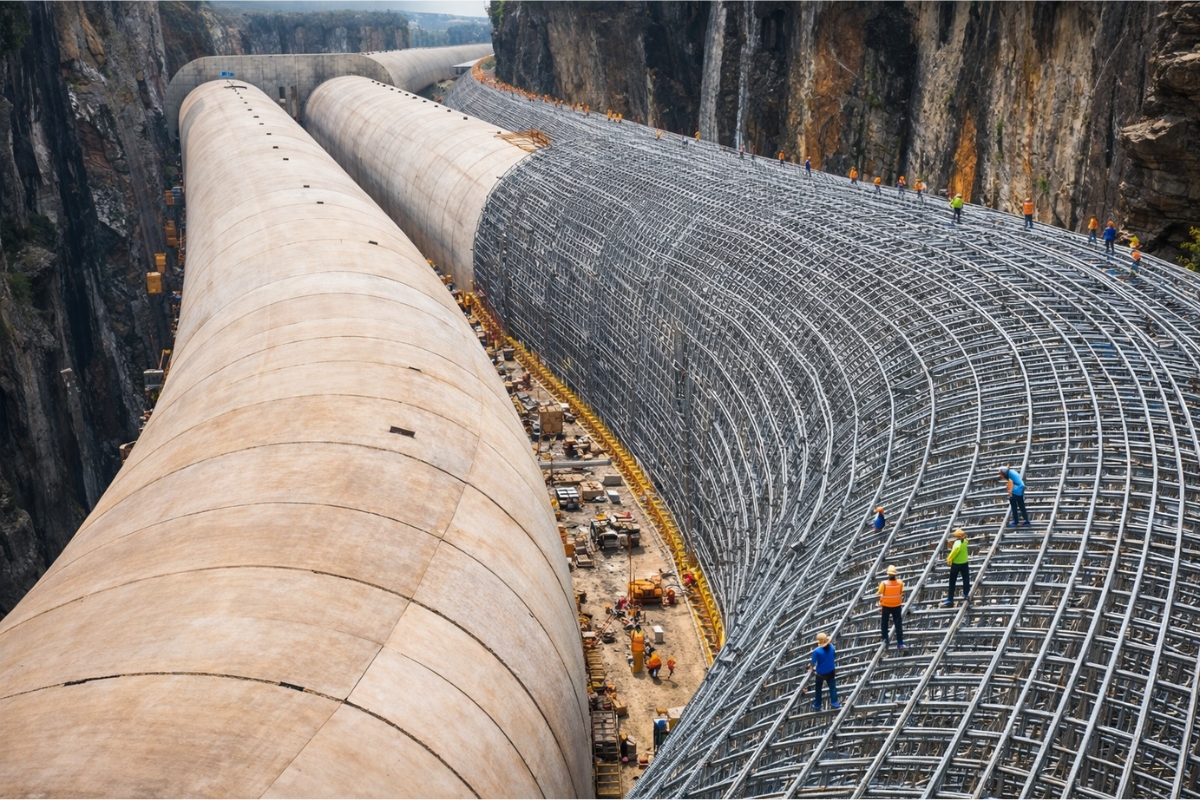
The Chinese Government Heavily Invested In Infrastructure, Creating A Highly Efficient Logistic System. Modern Ports, High-Speed Railways, And Highways Were Built To Facilitate The Outflow Of Production, Reducing Costs And Making China Even More Competitive In International Trade.
China Aggressively Sought New Markets And Suppliers Of Raw Materials. Countries In Latin America, Africa, And Southeast Asia Became Strategic Trade Partners, Securing Essential Inputs Such As Oil, Iron, And Soybeans For The Chinese Industry.
The Belt And Road Initiative As A Catalyst For Growth
Launched In 2013, The Belt And Road Initiative (BRI) Became One Of The Main Tools To Expand China’s Economic Influence. Through Trillion-Dollar Investments In Infrastructure, The Country Built Railways, Ports, And Highways In Dozens Of Countries, Facilitating The Circulation Of Goods And Strengthening Its Trade Relations.
However, The BRI Also Faces Criticism. Many Analysts See The Project As A Chinese Strategy To Expand Its Global Influence, While Some Countries Struggle To Repay Loans Obtained To Finance These Works. Despite This, The BRI Further Consolidated China’s Position In Global Trade.
Consequences For The Global Economy And Geopolitics
China’s Commercial Rise Had Profound Impacts On The Global Economic And Political Landscape.
Commodity Boom: Chinese Demand For Raw Materials Boosted Exporting Economies Like Brazil, Australia, And Chile. Increased Exports Of Oil, Iron, And Soybeans Generated Economic Growth In Various Nations.
Industrial Competition: Cheap Chinese Products Flooded Global Markets, Challenging Local Industries. In The US And Europe, Manufacturing Sectors Lost Ground, Leading To Debates About Protectionism And Deindustrialization.
Trade War With The US: In 2018, Washington Imposed Billion-Dollar Tariffs On Chinese Products, Triggering A Trade War. The Dispute Caused Uncertainty And Slowed Global Trade Growth In The Following Years.
China Vs. USA: The Current Comparison Of Global Trade
The Current Numbers Confirm China’s Trade Leadership.
- In 2013, China Surpassed The US As The World’s Largest Trading Nation.
- In 2022, Chinese Exports Reached US$ 3.6 Trillion, While US Exports Were US$ 2.1 Trillion.
- China Became The Main Trade Partner Of Over 120 Countries, Including Major Economies Like Germany, Japan, And Brazil.
The Shift In Position Between The Two Powers Reflects A Global Transformation That Is Unlikely To Be Reversed In The Short Term.







Bom os Estados Unidos querem continuar na liderança mundial tentando impedir o crescimento dos outros estratégias erradas que não deram certo e o pior a Europa tá fazendo o mesmo caminho se prejudicando prá tentar prejudicar a Rússia é o início do fim domínio ocidental de viver prejudicando os outros não crescendo