





 Portuguese
  English
  Spanish
  2 min of reading
  0 comments



Peak Of The Astronomical Phenomenon Occurs In The Morning Of Tuesday (22); Find Out Time, Sky Direction And Tips For Observing.
The Lyrids meteor shower peaks in the early morning of April 22, with up to 18 “shooting stars” per hour visible in Brazil. Discover how to watch the spectacle, even with the waning moon, and the best locations for observation.
What Is The Lyrids Meteor Shower?
The Lyrid is caused by debris from Comet Thatcher (C/1861 G1), which orbits the Sun every 415 years. Its name comes from the constellation Lyra, the region of the sky where the meteors appear to originate. The phenomenon occurs annually in April.
Best Date For Observation: Morning Of 21 To 22 Of April
The peak of the shower happens between the night of April 21 and the early morning of April 22, around 2 AM (Brasília Time). The phenomenon began on April 14 and continues until April 30, but the peak will have greater intensity.
-
Neuralink, the company specialized in brain chips founded by Elon Musk, announced that it intends to implant thousands of brain chips thanks to large-scale production.

-
Hummer H1X3: The 60-ton car, 14 meters long, and $25,000 tires – all for a single owner in the United Arab Emirates.

-
A city in the United States has a secret to handle peak electricity demand and can supply power to about 300,000 homes for up to 4 hours.

-
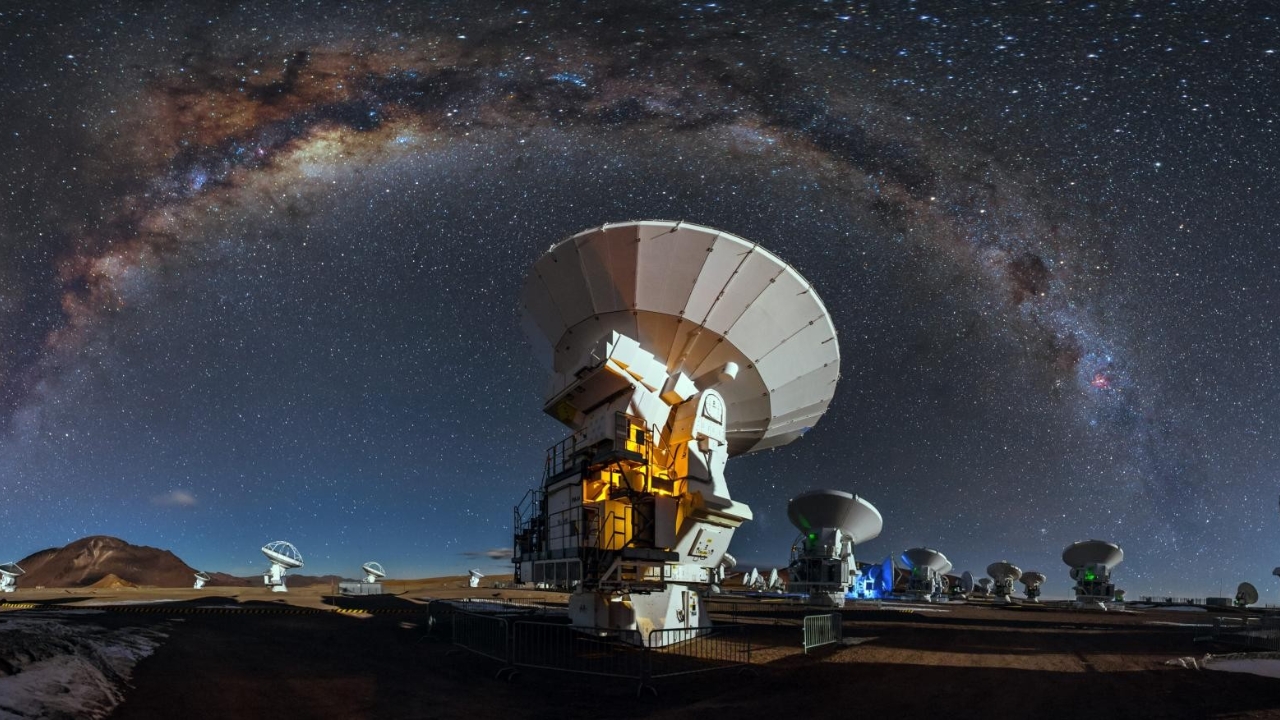
In the desert, at an altitude of 5,000 meters, there is a radio telescope that consumes as much energy as a city and relies on artificial oxygen to operate.

- Locate Yourself In Dark Areas: Beaches, rural areas, or parks away from urban lights.
- Look To The Northeast: Find the star Vega (one of the brightest) using the Southern Cross as a reference (stand with your back to it).
- Avoid Screens: Cell phones and tablets hinder your eyes’ adaptation to the dark.
Tips For Better Visibility (Location, Time And Patience)
- Ideal Time: From 2 AM on April 22.
- Be Patient: Meteors may take minutes to appear.
- Trajectory: They streak across the sky at 46 km/s, but can come from any direction.
The moon will be 40% illuminated in the waning phase, which reduces the brightness of the meteors. However, it is still possible to see the more intense trails.
The Lyrid is one of the first meteor showers of the year and a unique chance to observe up to 18 “shooting stars” per hour. Get ready for the morning of April 22 and enjoy the spectacle!









Seja o primeiro a reagir!