





 Portuguese
  English
  Spanish
 5 min of reading
  0 comments


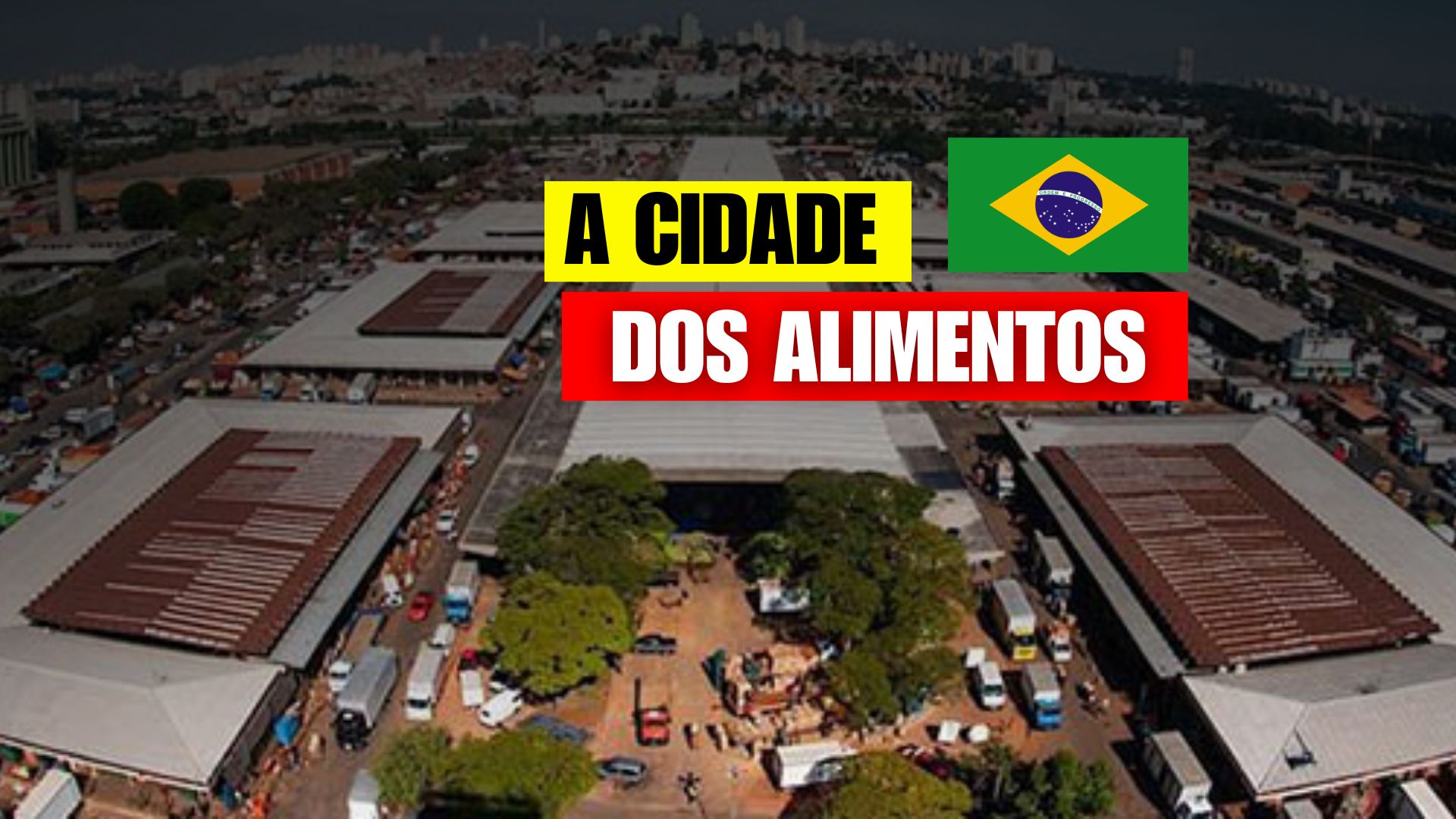
Giant of Supply in São Paulo, CEAGESP Moves Billions of Reais and Tonnes of Food Every Year, Operates 24 Hours a Day, and Directly Impacts the Price of Food Reaching the Tables of Millions of Brazilians.
The mechanism that supplies fairs, markets, supermarkets, and restaurants in São Paulo and much of the country runs non-stop in Vila Leopoldina.
At the São Paulo Terminal Supply Center (ETSP) of CEAGESP, 3.084 million tonnes of food circulated in 2024, with R$ 15.83 billion transacted and an average daily flow of 14,000 vehicles and 47,600 people.
The company classifies the location as the largest food hub in South America and is among the five largest in the world in terms of volume traded.
-
Weak dollar or strong real? The American currency plummets for the third day, approaching R$ 5 and surprising the market with global inflation and tensions in the Middle East that continue to create global uncertainty.

-
China’s investments in Brazil in factories, energy, oil, electric cars, and new industrial projects double to $4.2 billion, making the country the 3rd largest global destination for Chinese capital.

-
Lula announced that 160,000 students in debt with FIES will be included in the federal government’s renegotiation package and compared the cost of an inmate to that of a student by saying that Brazil invests in criminals when it does not invest in education.

-
Young people are leaving college in the United States and competing for jobs in construction with salaries of R$ 500,000 per year.

What is the “Food City” of São Paulo?
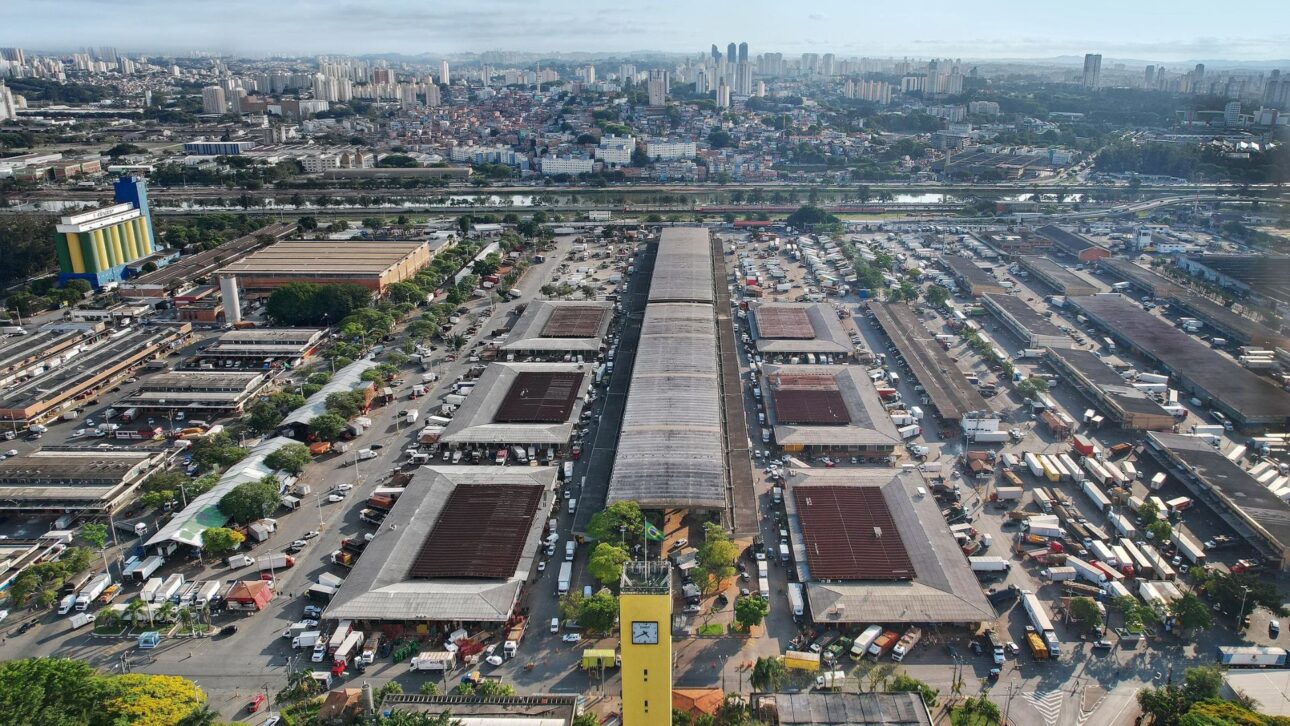
Located in Vila Leopoldina, in the western zone of the capital, the ETSP occupies 637,900 m², of which 231,000 m² are built.
There are 47 warehouses — 40 dedicated to fruits and vegetables and 7 to fish — which operate continuously, receiving goods from 1,482 municipalities, 24 states, and 26 countries.
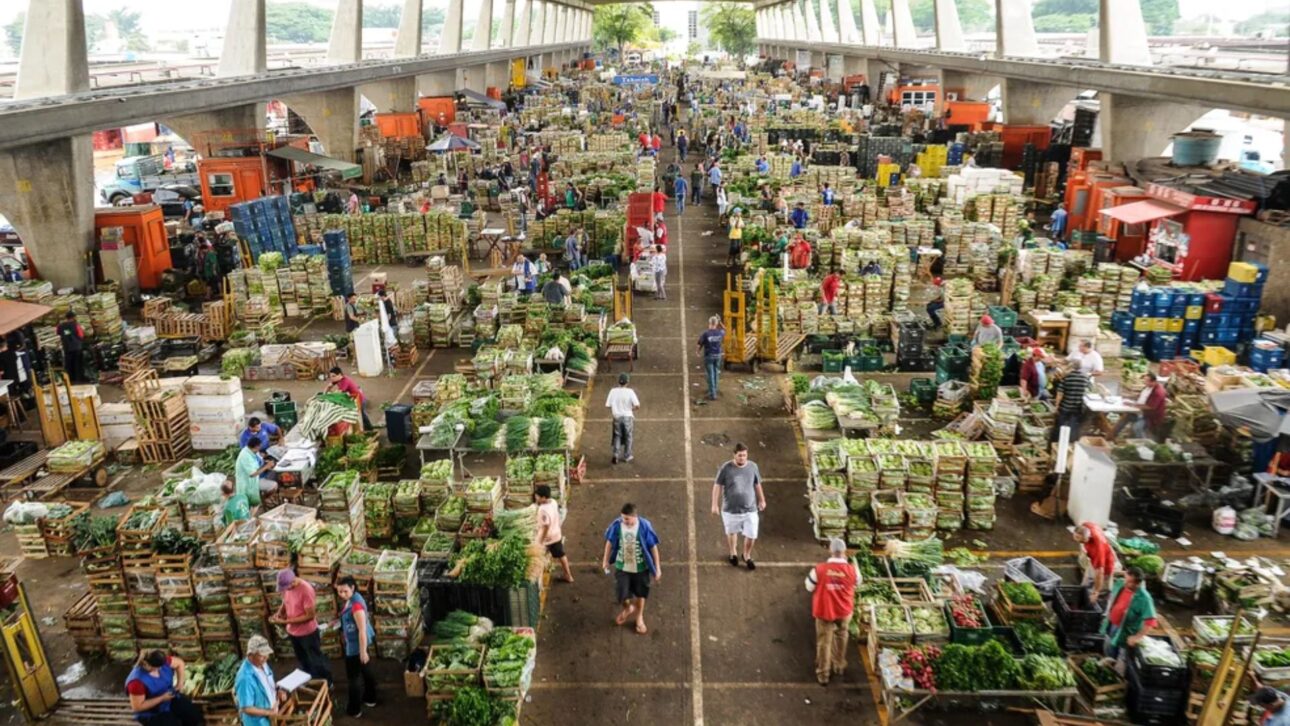
It is an organism that functions day and night, with merchants, loaders, and buyers rotating to ensure that production arrives fresh at retail.
Although it’s well-known by the public for its fruit and vegetable pavilions, the marketplace also centralizes flowers, plants, fish, and various items.
Addresses and services are organized on the official website, which points to Avenida Dr. Gastão Vidigal, 1,946 as a reference for those wishing to enter by car.
The Ceasa Station, on the Line 9-Emerald, is nearby and facilitates access by commuter train.
Logistics That Never Sleeps
The heart of the operation beats in the early hours, as trucks coming from the interior of São Paulo and other states line up for unloading.
The dynamics combine wide yards, sector rules, and internal corridors that separate unloading, marketing, and shipping.
The safety and organization of traffic rely on proprietary teams, monitoring, and coordination with public entities, while permit holders and producers adjust volumes according to daily demand.
The routine repeats from Sunday to Sunday and supports thousands of formal and informal jobs both inside and around the marketplace.
Scale of Business and Best-Selling Products
Official reports from 2024 show a 0.7% increase in the volume traded compared to 2023, along with a nominal financial volume of R$ 15.830 billion.
In the product ranking, tomato led in tonnes, followed by potato, orange, apple, and papaya.
National production accounted for 94.5% of the total sold; the remainder came from 26 countries.
This data informs the market and is reflected in retail hours later, since the bulletins and quotes issued by CEAGESP serve as benchmarks for fresh food prices.
The numbers help to measure the scale.
In total, the ETSP recorded 828,942 invoices in 2024 and compiled 146 price bulletins throughout the year.
Behind each invoice, there is a cycle that begins in the field, passes through classification and sale in the yard, and ends on the shelves of the cities supplied by the capital.
Price Gauge and Social Programs
Due to the volume it concentrates and the speed of goods circulation, CEAGESP acts as a reference for wholesale and influences the price formation of tomato, potato, and other sensitive items in the basic basket.
In addition to its market function, the company maintains food donation programs still suitable for consumption but outside the commercial standard.
In 2024, only the CEAGESP Food Bank in the capital received and distributed 1,500 tonnes to registered entities, strengthening solidarity kitchens and food banks.
Debates on the Future and Reurbanization
For years, the transfer of the marketplace from Vila Leopoldina to a better road-accessible area has been discussed, frequently mentioning the Perus region, near the Rodoanel.

Municipal documents and previous bids record proposals and studies for a new marketplace, but there is no final decision or timeline for change.
Meanwhile, the urban debate continues in Leopoldina, with intervention plans to requalify the territory and integrate housing, commerce, and public facilities when there is a definitive solution for the CEAGESP area.
While this scenario is not resolved, the surroundings are gaining new connections via rail.
The Line 9-Emerald is expanding with projects extending it to Água Branca/Barra Funda and connecting it to Line 8-Diamond via a railway viaduct, which is likely to improve integration with the western zone and mobility near the marketplace.
Even so, this is a metropolitan transportation project; no official announcement has been made for a direct connection through an internal railway yard with the ETSP.
How to Visit: Market, Flowers, Fish, and Festivals
For those seeking price and variety in retail, there are three main time slots.
On Wednesdays, the Night Market takes place in Vila Leopoldina, operating in the afternoon and evening.
On Saturdays and Sundays, the market opens in the mornings, around 7 AM, and closes near noon and early afternoon.
The organization recommends gates 7, 3, 4, and 13 for passenger vehicle access, depending on the day.
The Flower Market is held twice a week, from night to the following morning, and the fish sector operates in the early hours of Tuesdays, Thursdays, and Saturdays.
Before going, it’s worth checking updated hours and gates on the CEAGESP website.
In the winter season, the traditional Soup Festival at the CEAGESP Gastronomic Space runs from Wednesday to Sunday, usually from 6 PM to 11:30 PM.
Throughout the year, the establishment also holds the Fish and Seafood Festival with similar hours.
The dates change with each edition, so it’s recommended to confirm the official schedule before visiting.









Seja o primeiro a reagir!