





 Portuguese
  English
  Spanish
  5 min of reading
  0 comments


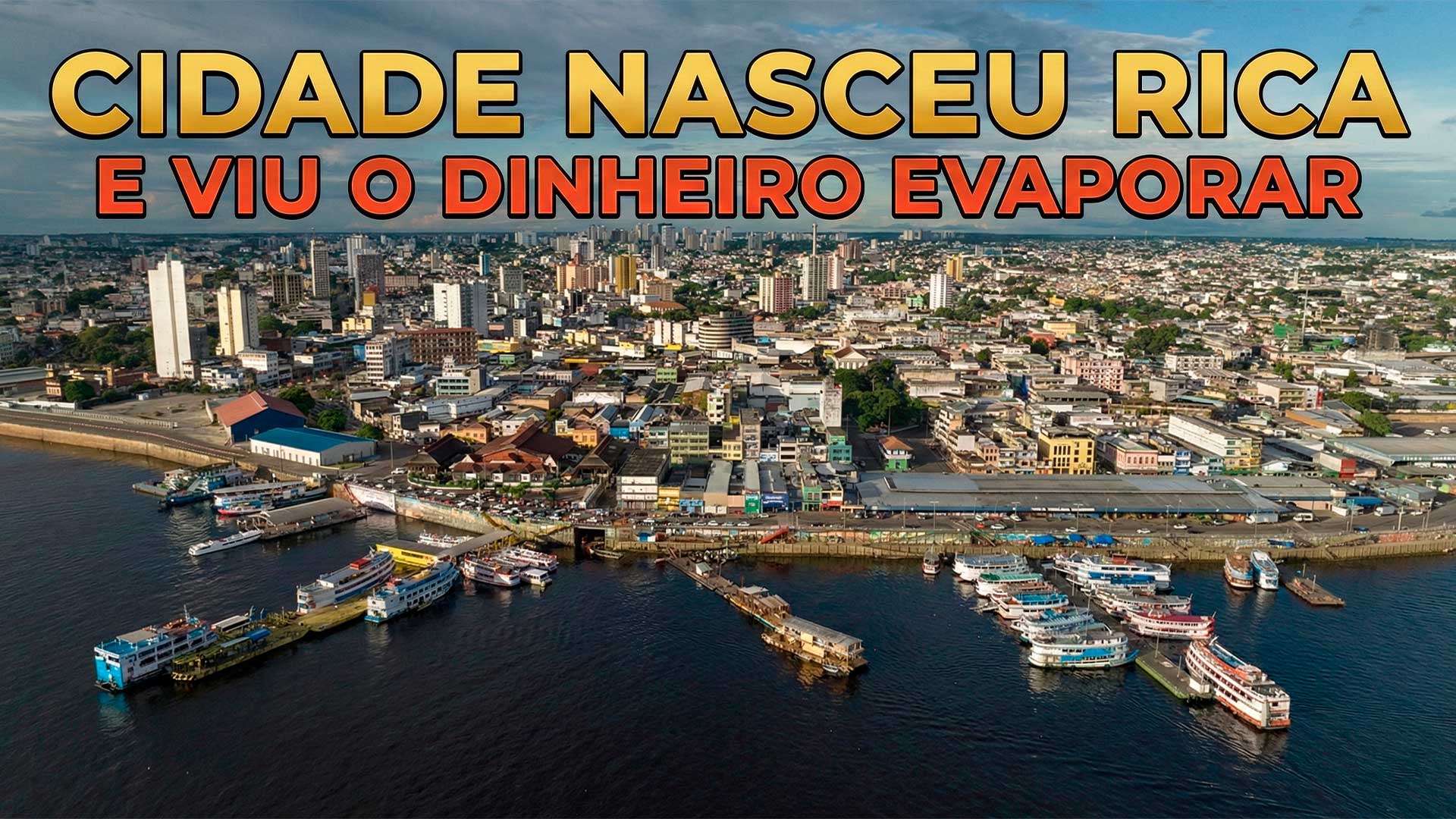
Amazon Capital Experienced Extreme Luxury During The Rubber Cycle, Broke With Asian Competition, And Now Debates How To Diversify The Economy Without Aggravating Costs, Inequalities, And Environmental Pressure.
Manaus is a rare example of a city that seems to have experienced “two economic births,” both with similar risks. First, it became immensely wealthy during the rubber cycle, when global demand transformed the Amazon capital into a symbol of modernity in the middle of the forest. Then, it lost competitiveness and faced decades of stagnation.
The story is not urban legend. According to the Encyclopaedia Britannica, the city even imported materials and technologies from Europe and, later, fell into decline when the price of rubber collapsed in the international market, especially in the early 20th century.
The most well-known attempt at reinvention came in 1967, with the Free Trade Zone of Manaus, created to attract industries and integrate the Amazon into the national economy. The model generated jobs and consolidated the Industrial Hub of Manaus, but it also sparked a debate that remains current: to what extent is reliance on a single economic driver sustainable in the long run?
-
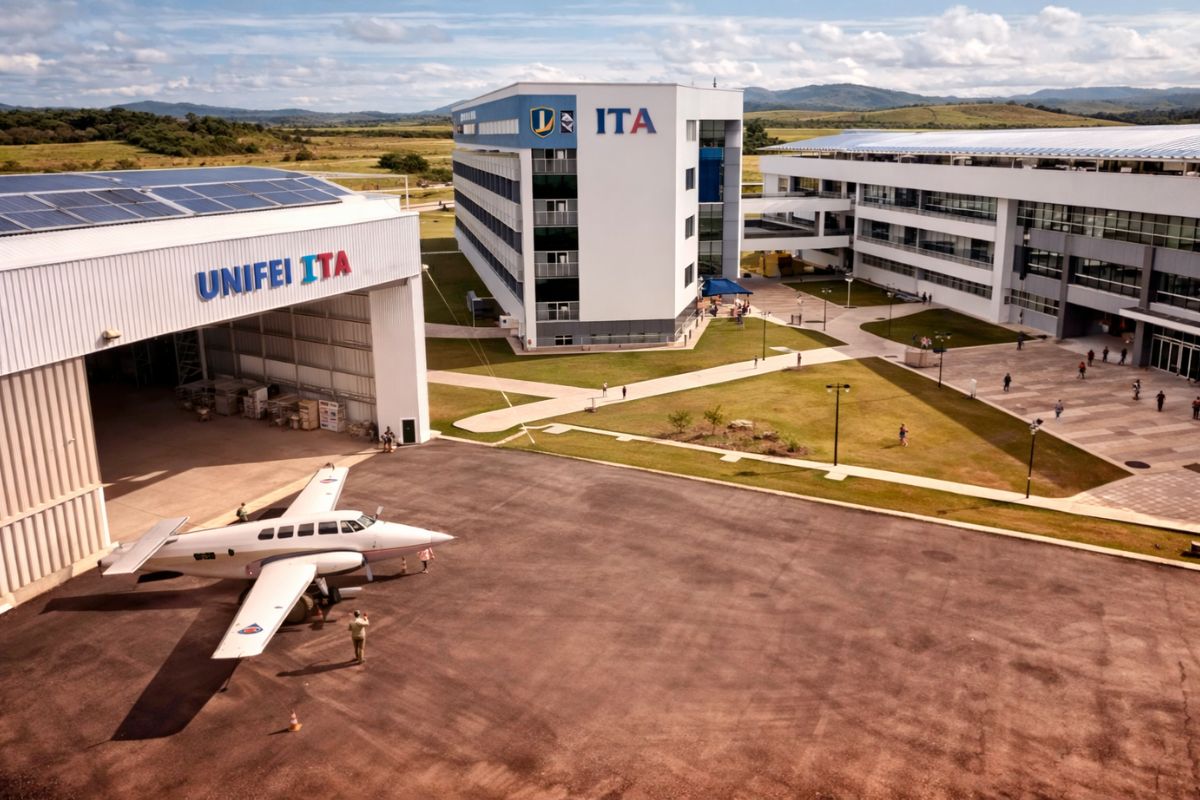
The institute that trained the greatest aerospace engineers in Brazil has just opened its first campus outside São Paulo after 75 years: ITA Ceará will have R$ 445 million, new courses in energy and systems, and classes are expected to start in 2027.
-
Luciano Hang, owner of Havan, goes to Juiz de Fora after the tragedy in February, brings R$ 1 million, hands out R$ 2,000 cards, and donates up to R$ 15,000 to victims in the region.

-
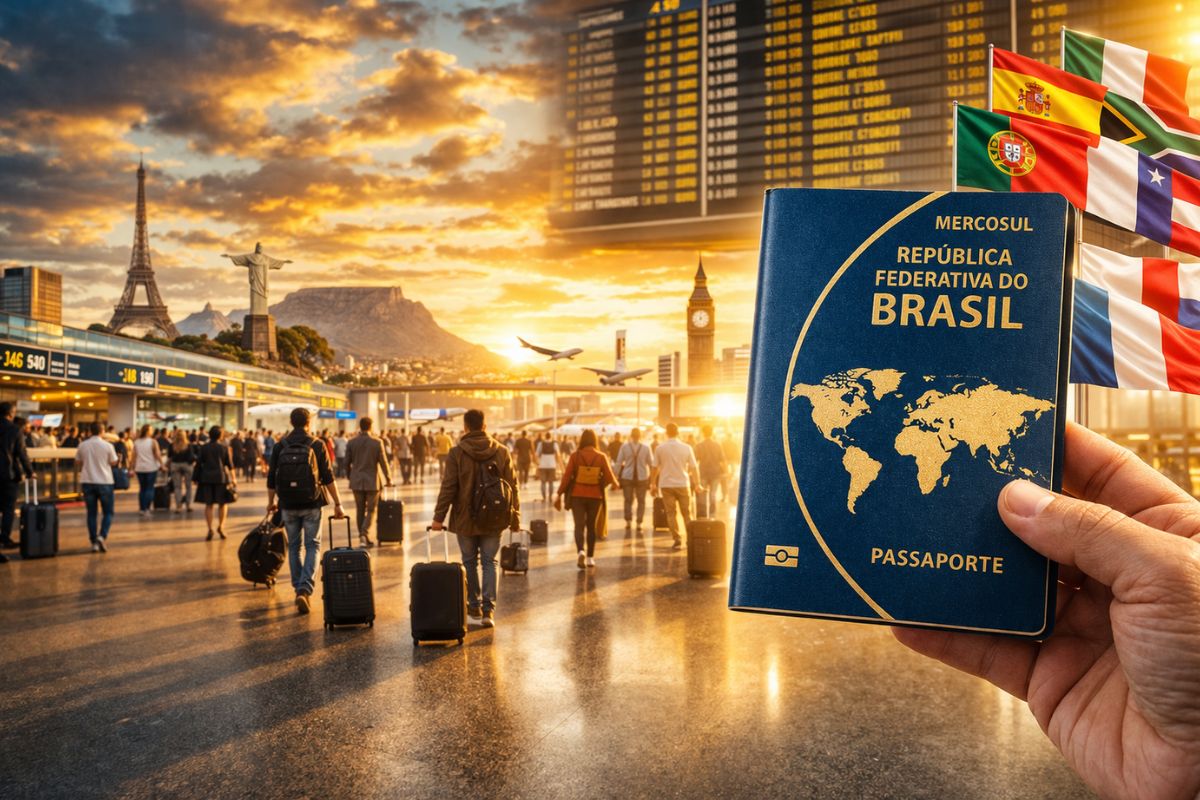
The Brazilian passport allows legal residence in dozens of countries without the need for a prior visa, and most Brazilians are unaware that they can apply for residency directly upon arriving in nations in South America, Africa, and even Europe.
-
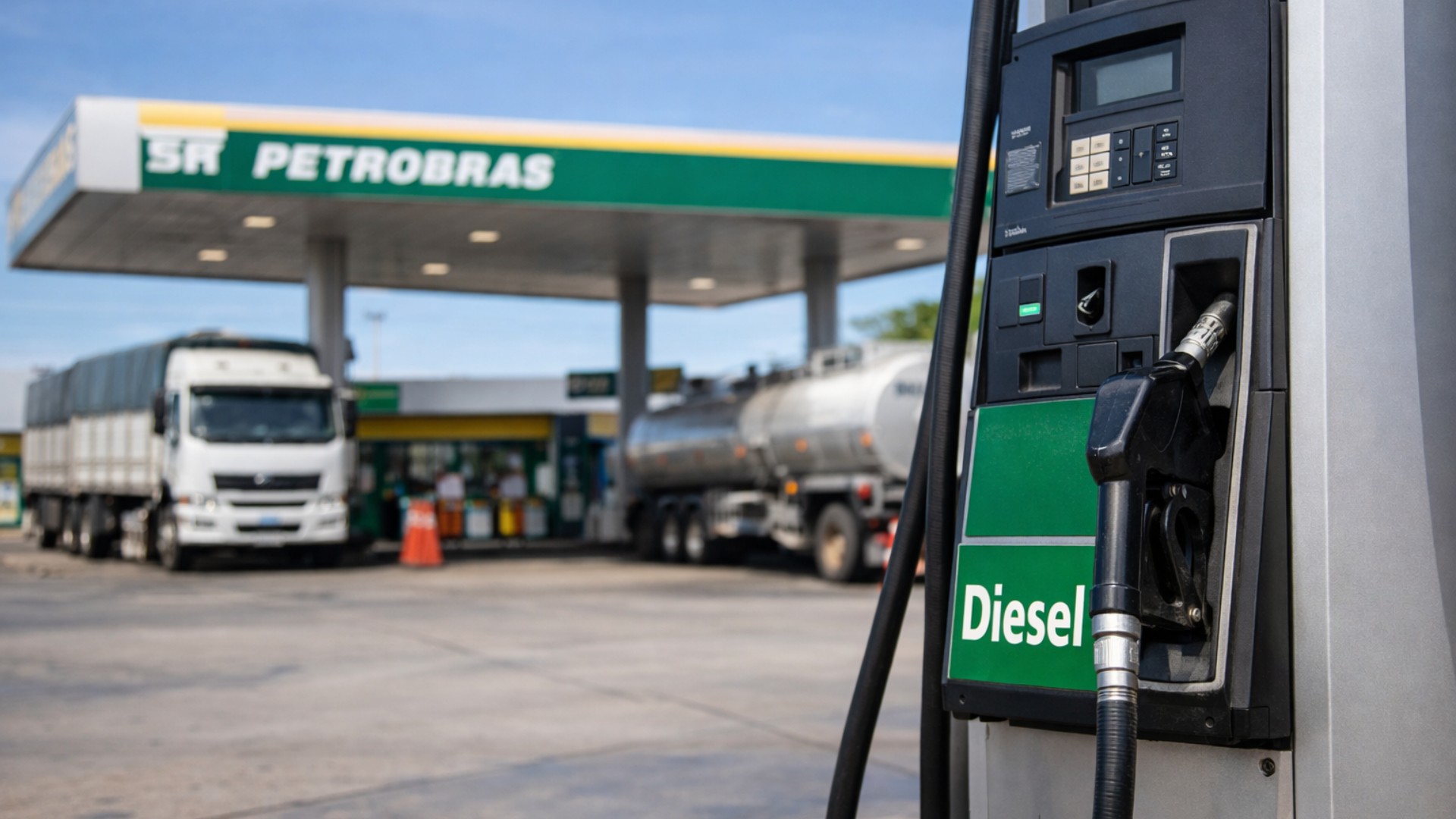
Petrobras sends a message to Brazilian truck drivers after fuel collapse and reveals plan to have 100% domestic diesel.

Now, the city discusses how to grow again without repeating the original mistake. Diversification involves bioeconomy, science, tourism, and more efficient logistics, but faces challenges in costs, infrastructure, and political decisions that affect the entire country.
Manaus Experienced The Luxury Of The Belle Époque Driven By Rubber
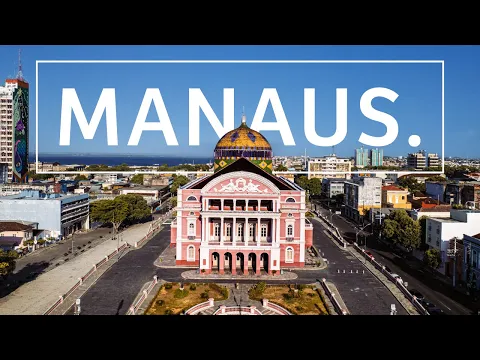
The wealth from rubber reconfigured Manaus at an accelerated pace, with urban works and status symbols that did not match the image of Amazonian isolation. The nickname “Paris of The Tropics” arose precisely from this contrast between forest and luxury.
A landmark of this period is the Theatro Amazonas, inaugurated in 1896, built at the height of prosperity to cater to the local elite and project a cosmopolitan Manaus. The city also expanded transportation and commerce structures to accommodate what was called “white gold.”
According to the Encyclopaedia Britannica, port improvements gained momentum in the early 20th century, following the need to move production and receive goods. The logic was simple: as long as the world paid a high price for latex, the city could fund modernization.
Dependence on Latex Made The Collapse Inevitable
The problem is that the cycle was sustained by a fragile base: almost total dependence on a single product. When production began to grow on a large scale in Southeast Asia, with organized plantations and lower costs, the game changed quickly.
Historical accounts from the period indicate that seeds from the Amazon rubber tree were taken out of Brazil as early as the 19th century, helping to consolidate its cultivation in British colonies in Asia. As these plantations matured, supply increased, and Amazonian rubber lost ground.
According to the Encyclopaedia Britannica, Manaus felt the impact harshly in the following decades, when the price of rubber collapsed in the global market. The result was a domino effect: companies closed, investments dried up, and part of the elite migrated, leaving behind a city with expensive infrastructure and little capacity to maintain the same growth standard.
What stands out today is the speed of the turnaround. The same specialization that enriched the city also, in practice, reduced its alternatives when the external environment changed.
The Free Trade Zone Created A Second Chance With Industry and Incentives

The most concrete turnaround came with the Free Trade Zone of Manaus, regulated by Decree-Law No. 288 of 1967. The proposal was to create an area with tax incentives and special conditions to enable an industrial, commercial, and agricultural hub in the interior of the Amazon.
In practice, Manaus began to attract factories, supply chains, and labor from various regions of Brazil. The Industrial Hub of Manaus gained national relevance, with production related to electronics, two-wheel vehicles, and consumer goods, among other segments.
This “second life” became an economic anchor. According to SUFRAMA, the revenue of the Industrial Hub of Manaus reached R$ 147.6 billion from January to August 2025, with year-on-year growth, signaling the model’s short-term viability.
At the same time, the continuity of the system became a matter of state. In 2014, Constitutional Amendment 83 extended the tax incentives of the Free Trade Zone until 2073, ensuring predictability for companies, workers, and local governments.
The sensitive point is that the city again became heavily linked to a specific “big engine.” The difference this time is that the engine is a package of incentives and an industrial structure, not a commodity extracted from the forest.
The Current Model Faces High Logistics Costs And Environmental Pressure
Even with industry, Manaus faces a challenge that did not exist with the same intensity at the height of rubber: logistical costs. Producing far from major consumer centers and relying on waterways and air routes affects prices, deadlines, and competitiveness.
There is also environmental pressure, which places the Amazon at the center of global discussions and increases scrutiny over any development strategy. This does not mean that the Free Trade Zone is inherently “anti-environmental,” but public debate often demands compensations and policies to reduce impacts.
Another point is political and tax vulnerability. Changes in tax rules, legal interpretations, and reforms can alter the model’s attractiveness, requiring planning to avoid chain reactions.
Amidst this, the idea grows that Manaus needs to expand its “second economy” before the context changes again. The memory of the rubber cycle serves as a permanent warning: when the world changes, the city cannot be left without a plan B.
Reinvention Involves Bioeconomy, Science, And Tourism
The most cited solution by researchers and managers is to diversify with bioeconomy, turning biodiversity into higher value-added products and services, with sustainable use and applied research. This includes pharmaceuticals, cosmetics, food, management chains, and innovation based on the standing forest.
Another front is to strengthen science and technology, connecting universities, research centers, and industry to create skilled jobs that do not rely solely on incentives. The goal is to make Manaus competitive through knowledge and productivity as well.
Tourism is a natural complement, adding historical heritage and environmental attractions, such as the historic center, the Theatro Amazonas, and experiences linked to rivers and the forest. The logic is to use the brand “Amazon” more intelligently, without treating it merely as scenery.
Whether Manaus will succeed, the central question is less about “if it can” and more about “how to do it without repeating the pattern.” The city has already proven it can accelerate, but it is still seeking growth that does not disappear when international winds change.
Should Manaus continue to heavily invest in the Free Trade Zone until 2073 or does the city need to reduce this dependence as soon as possible, even if it affects jobs and prices in the short term? Share your thoughts and let us know which path seems more realistic and which you believe is just pretty talk.






-

Uma pessoa reagiu a isso.