





 Portuguese
  English
  Spanish
  3 min of reading
  0 comments



Brasília Is The Only Planned Brazilian City Designed To Eliminate Traditional Intersections In Most Of Its Territory. Designed By Lúcio Costa, With A Layout Inspired By An Airplane, It Was Recognized By UNESCO And Remains A Global Reference In Modern Urbanism.
Have you ever imagined driving through a Brazilian city without intersections, without having to stop at every corner or compete for right of way in the middle of traffic? It seems out of this world, but this city exists — and it is the capital of Brazil. In Brasília, the road system was designed to avoid traditional intersections, replacing them with roundabouts, tunnels, and expressways that ensure fluidity, safety, and a lifestyle quite different from the rest of the country.
This model, which may seem strange to first-time visitors, was meticulously planned back in the 1950s. And to this day, it impresses architects, urban planners, and tourists from all over the world.
Brasília: The Brazilian City That Was Born From Paper
Inaugurated on April 21, 1960, Brasília was designed by Lúcio Costa and built with a strong influence from the modernist architecture of Oscar Niemeyer. The Pilot Plan, shaped like an airplane seen from above, was designed to ensure that different functions of the city — housing, work, leisure, government — were separated into specific sectors and connected by fast ways, without interruptions by intersections.
-
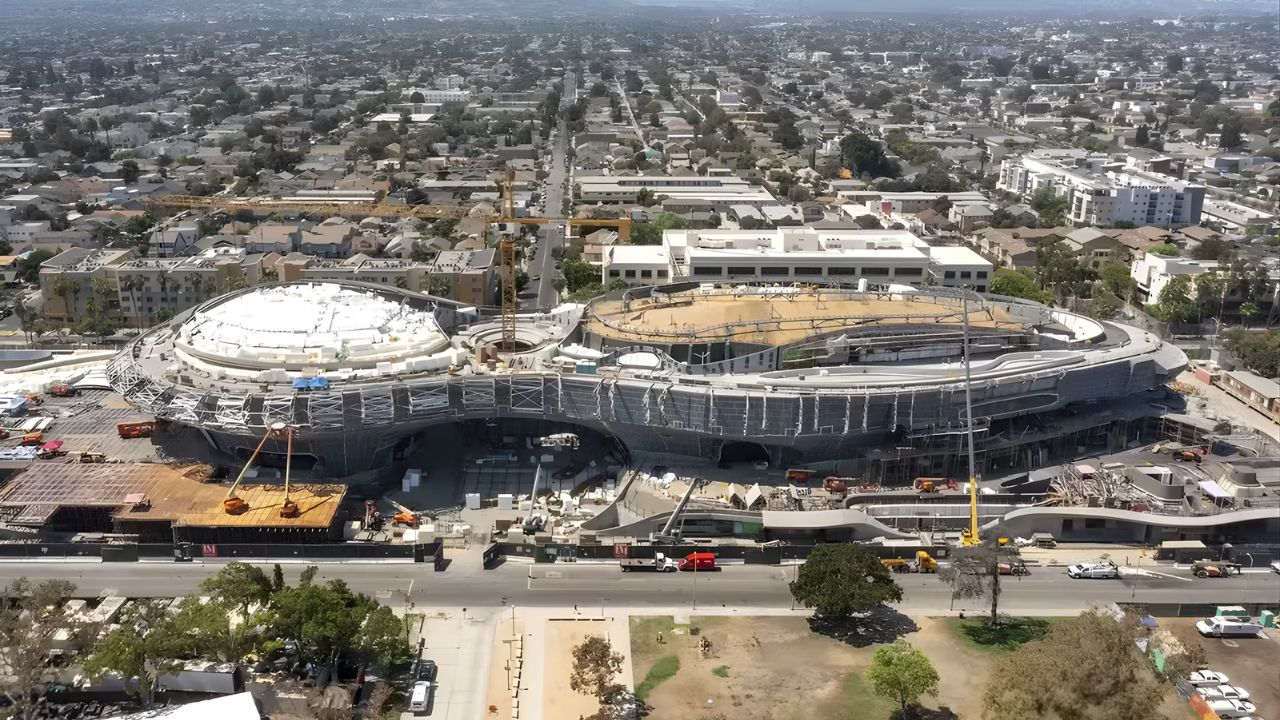
Created by George Lucas with over $1 billion, a futuristic museum in the shape of a spaceship with 1,500 curved panels is about to open in Los Angeles and will house one of the largest private collections of narrative art in the world.
-
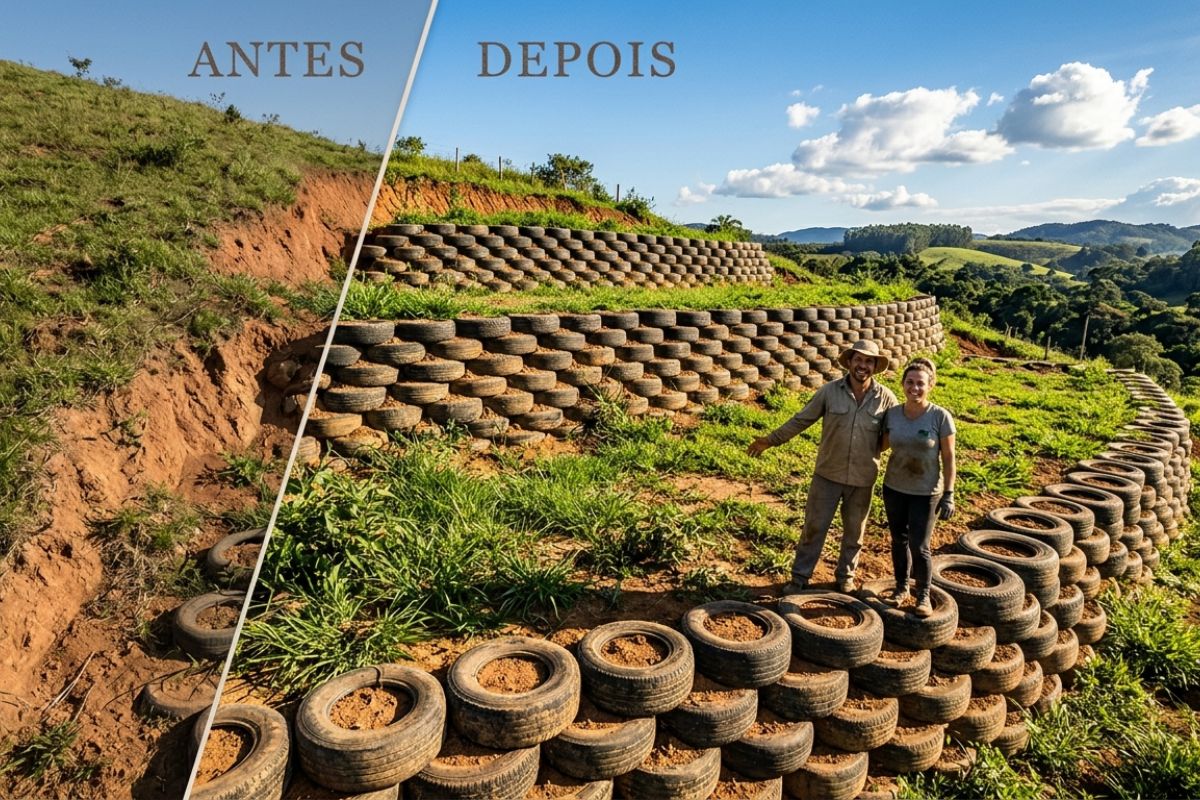
Couple shows how they built a retaining wall on their property using 400 old tires: sloped land turned into plateaus, tires are aligned, filled, and compacted with layers of soil, with grass helping in support and at almost zero cost.
-
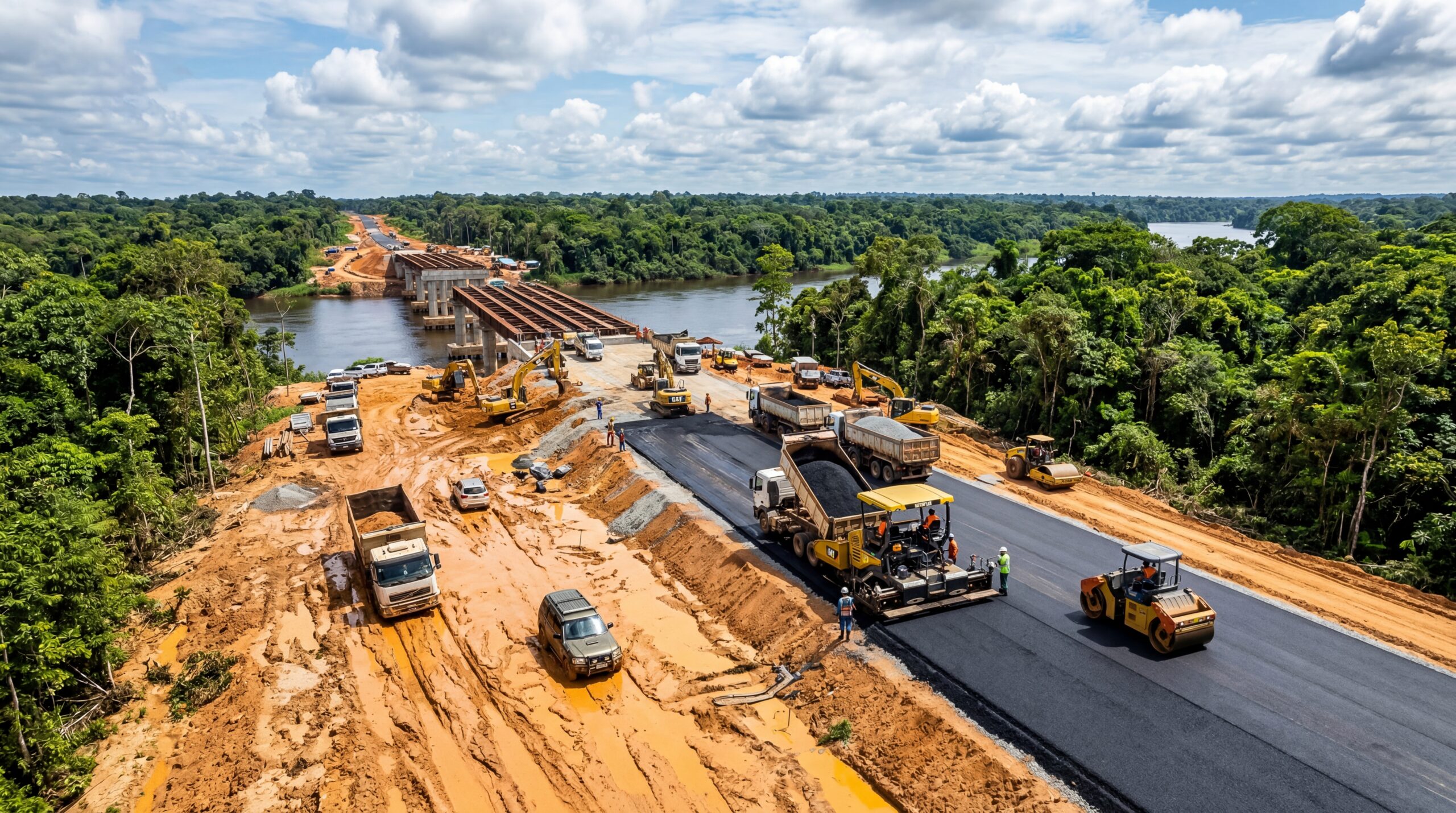
Engineer explains drainage during the rainy season: the difference between surface water and deep water, ditches, gutters, and water outlets on the road, as well as drains and drainage mattresses, to prevent erosion, aquaplaning, and flooding at the construction site today.

-
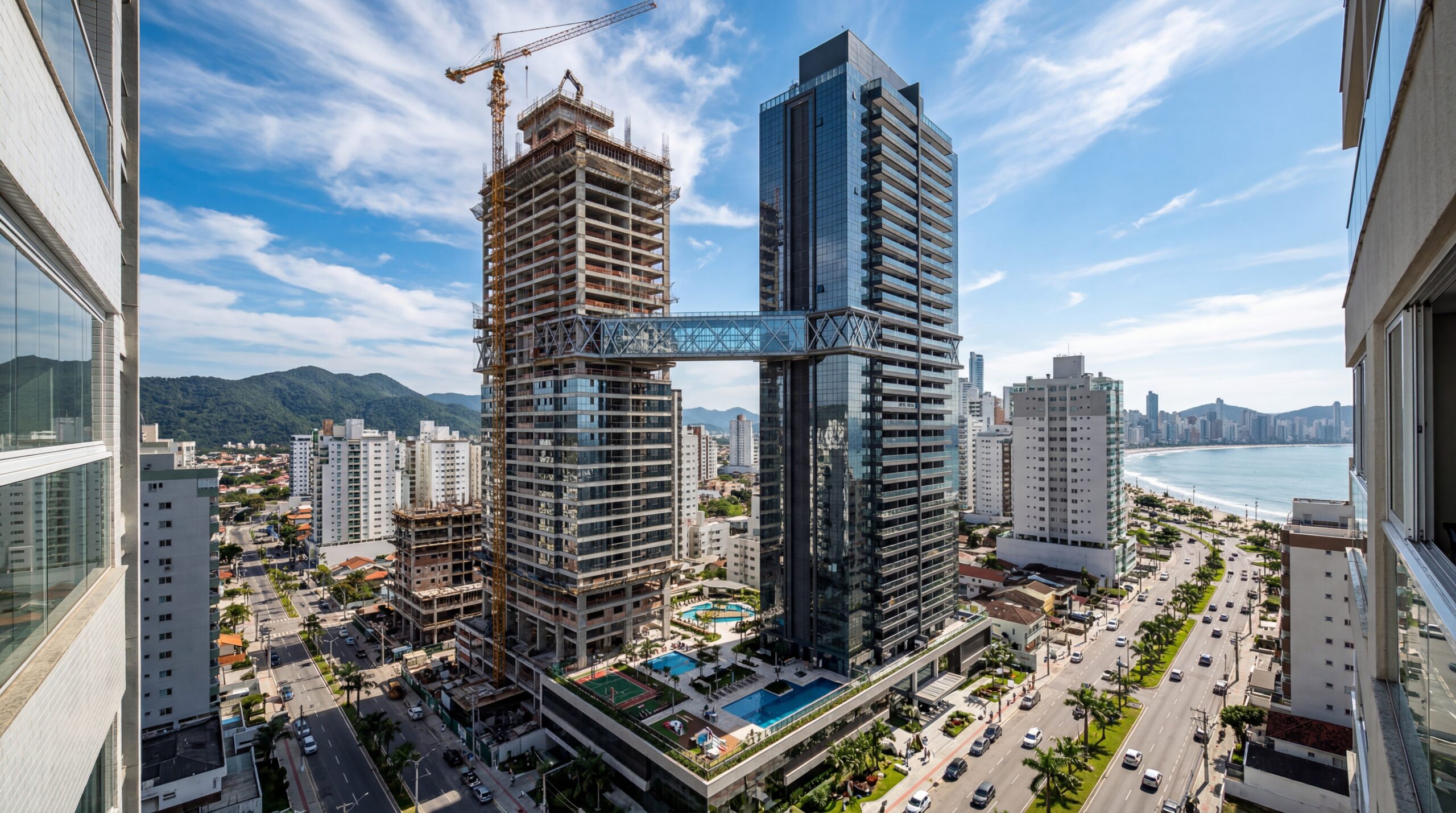
With 55 floors, 177 meters in height, a 15-meter walkway between the twin towers, ventilated facade, and 6,300 m² of leisure space, Ápice Towers already has one tower completed and another nearly at the top.

Unlike cities that grow spontaneously, Brasília is a complete urban project, designed even before it existed. That’s why it lacks corners like São Paulo, and doesn’t have intersections with traffic lights like Rio. It has road axes, underground avenues, and huge roundabouts that make traffic flow like in a well-calibrated video game.
Superblocks: The Heart Of A City Without Intersections
The concept of superblock is another point that differentiates Brasília. They are residential blocks designed with:
- Large green areas
- Public schools
- Local commerce easily accessible
- Low-speed internal streets
Each superblock functions like a miniature neighborhood, and the goal is for residents to find everything within a short walk from home. With this, the Brazilian city tries to reduce the need for long travels and prioritizes collective well-being.
And Mobility?
Although it is efficient for cars, Brasília today faces criticism regarding public transport and active mobility. With large distances between sectors, it is difficult to get around on foot or by bicycle. And since the city was designed for private cars, the bus and metro system needs improvements to meet current demand.
Even so, the model is still considered a global reference in urban planning. So much so that Brasília was declared a World Cultural Heritage by UNESCO in 1987, thanks to the boldness of its layout and the integration between architecture, landscaping, and mobility.
Curiosities About The Most Planned Capital In Brazil
- The Monumental Axis is the widest road in the world, at 250 meters wide
- The Pilot Plan was chosen through a public contest and beat more than 50 proposals
- There are no traditional traffic lights on the central axis
- The airport is aligned with the “cockpit” of the airplane imagined by Lúcio Costa
- The National Congress, Palácio do Planalto, and Supreme Court are located side by side, in the same sector









Seja o primeiro a reagir!