





 Portuguese
  English
  Spanish
 3 min of reading
  0 comments


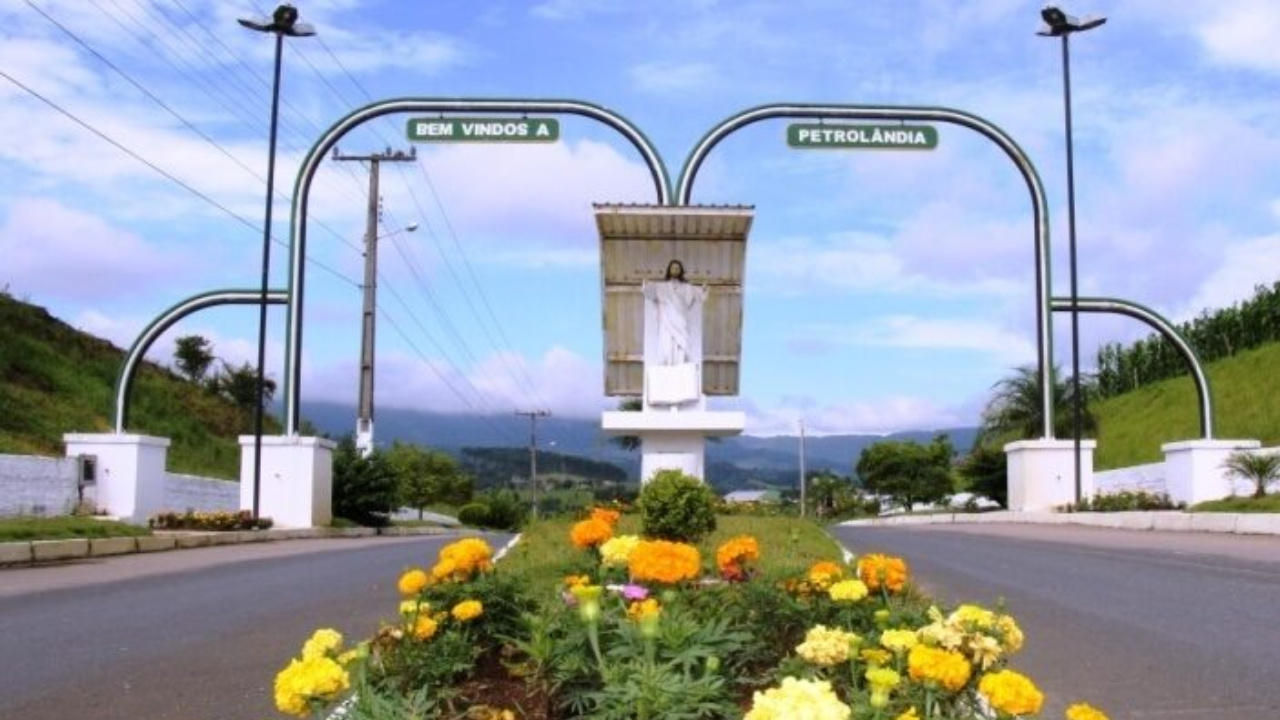
Petrolândia, A Municipalidade of Santa Catarina Where Petrobras Searched for Oil in the 1960s, Now Stands Out with the 4th Highest Average Income in the Country, According to IBGE. The Strength Comes from Agriculture and Efficient Local Management.
The small Petrolândia, located in the Alto Vale do Itajaí (SC), is back in the news — but this time for a very different reason than that which marked its origin. The municipality, which was the stage for Petrobras research in search of oil in the 1960s, has just earned the title of the fourth city with the highest average income in Brazil, according to data from the 2022 Census released by IBGE this Thursday (9).
With only 6,700 inhabitants, Petrolândia recorded an average monthly income of R$ 5,989, the highest in Santa Catarina and the fourth highest in the country, behind only Nova Lima (MG), São Caetano do Sul (SP), and Santana de Parnaíba (SP).
Interestingly, the name “Petrolândia” was born from the presence of Petrobras. At the time, the state-owned company conducted drilling in search of oil in the Santa Catarina subsoil but ultimately gave up after finding that the material discovered did not have sufficient commercial quality for exploitation. Even so, the episode marked the history of the city and named the municipality that now leads the income ranking in the state.
-
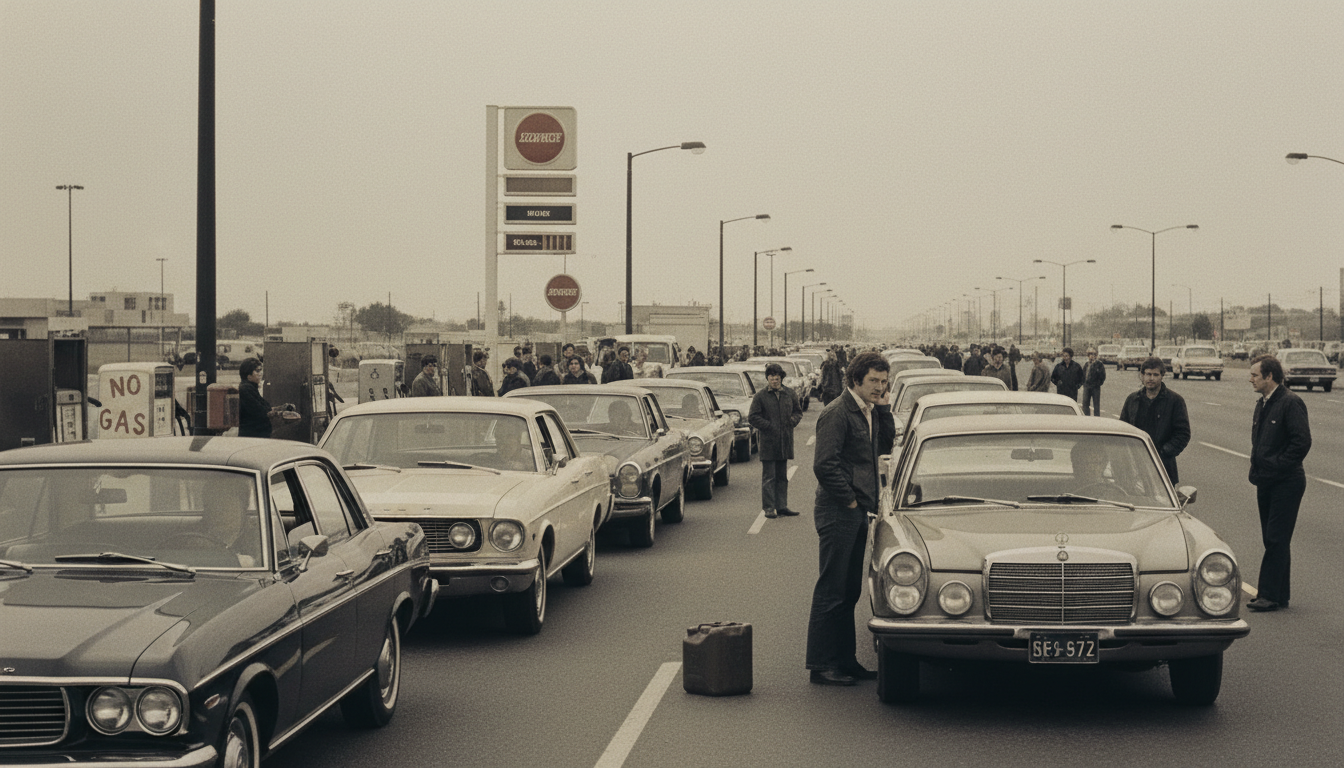
In the 1970s, oil became a weapon of war and paralyzed the entire world, and now the same thing is happening again with Iran closing off the route for 20% of the planet’s fuel.
-
When oil prices rise, the gas station increases prices the next day, but when it drops by 13% at once, no one explains why gasoline remains at the same price for months.

-
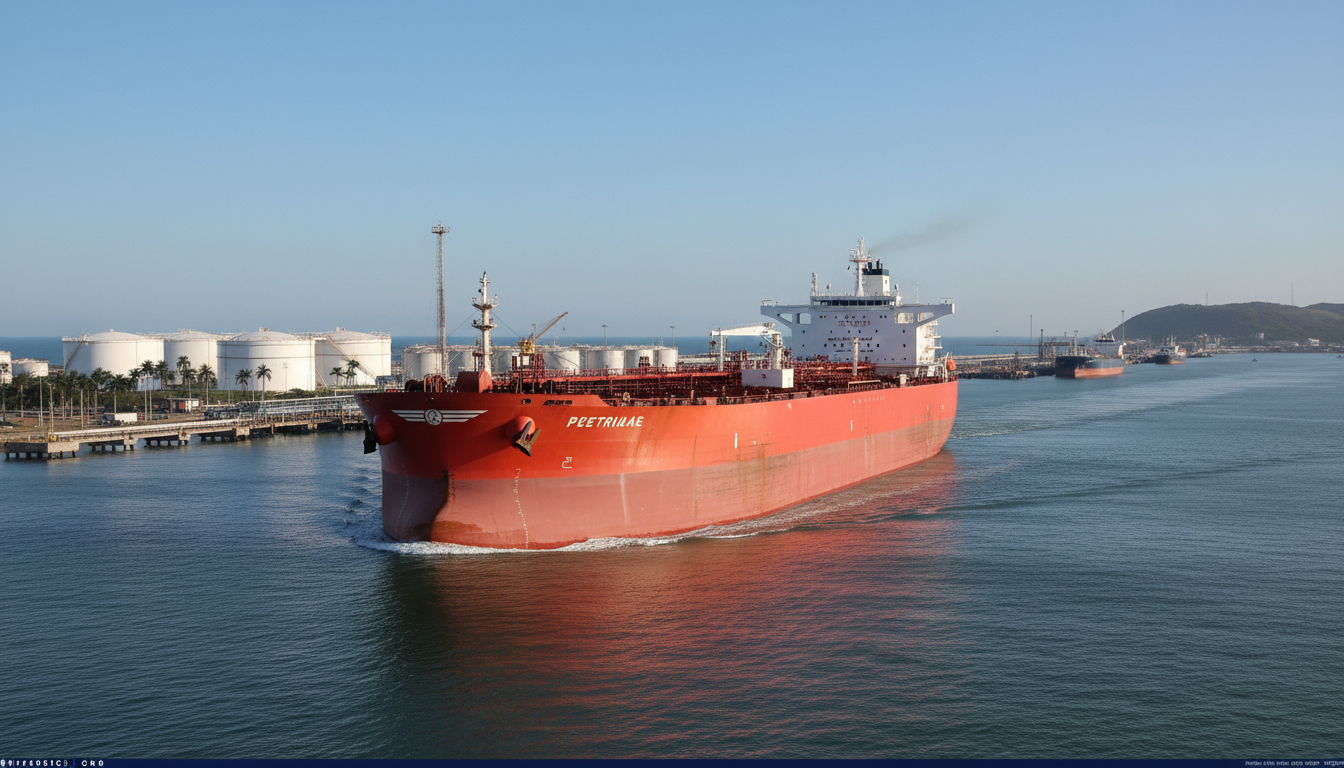
The largest fuel distributor in Brazil has just been forced to import diesel and gasoline on its own after Petrobras reduced its monthly deliveries.
-
After Trump gave Iran 48 hours to reopen the route for 20% of the world’s oil, the barrel skyrocketed to $117, dropped 13% with a truce, and the Central Bank had to inject $2 billion to stabilize the dollar.

Agriculture Drives Economic Development and High Income
Despite the reference to Petrobras, the true economic fuel of Petrolândia comes from family farming. According to the Secretary of Administration, Finance, and Planning, Gilson Diogo da Cunha, the municipality relies on the production of onions, tobacco, corn, and soybeans, cultivated on small rural properties.
The municipal government also plays a significant role as the largest local employer, contributing to economic and social stability. IBGE data reinforces the importance of agriculture: the category of agriculture, livestock, forestry production, fishing, and aquaculture showed the highest average income in the city, reaching R$ 11,927.49.
The second sector with the highest performance is financial and insurance activities, with an average of R$ 5,330.81. In areas such as education, accommodation, and food, incomes range from R$ 1,500 to R$ 3,500, highlighting the concentration of income in the productive sectors of agriculture and specialized services.
Santa Catarina Stands Out in the National Scenario
The economic strength of Petrolândia reflects a broader picture: Santa Catarina ranks third among the states with the highest average income in the country, trailing only the Federal District and São Paulo. The average income of residents in Santa Catarina is R$ 3,391, well above the national average of R$ 2,851.
Other municipalities in the state also rank among the richest in Brazil. Five cities in Santa Catarina have surpassed the R$ 5,000 monthly average income threshold, reinforcing the image of a state with a diversified economy and high productivity.
The capital, Florianópolis, holds a prominent position with the second highest income among Brazilian capitals, second only to Vitória (ES). Residents of the capital of Santa Catarina earn an average of R$ 5,242 per month, solidifying the state as a reference in quality of life and development.
The curious contrast between the name “Petrolândia” and its agricultural economic base effectively summarizes the municipality’s trajectory. The dream of oil, fueled by the presence of Petrobras in the 1960s, has given way to a solid economy sustained by the strength of agriculture and local public management.
Even without the black gold, the city has transformed its fertile lands and entrepreneurial spirit into a source of wealth and national prominence. Today, Petrolândia is an example of how economic development can come from diversification and efficiency rather than dependence on large exploitation projects.
Thus, while Brazil continues to monitor Petrobras’s movements in new energy fronts, a small city in Santa Catarina proves that there are many ways to thrive — even when oil remains just a memory of the past.








-

Uma pessoa reagiu a isso.