





 Portuguese
  English
  Spanish
  3 min of reading
  0 comments


Italian City of 5 Thousand Inhabitants in Sicily Attracts Global Attention for Urban Design That Resembles a Human Body Seen from Above and Goes Viral After Images Taken by Drone
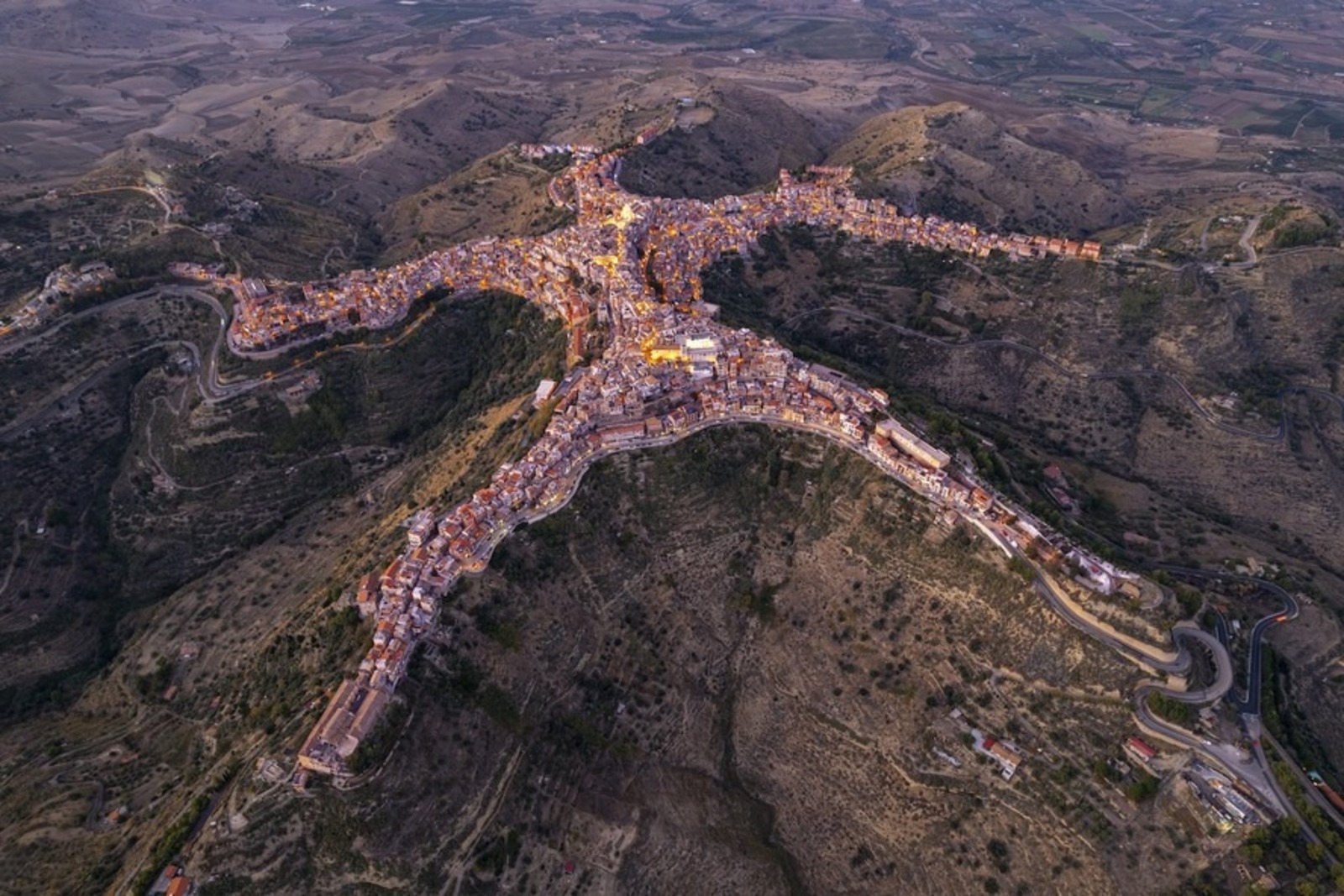
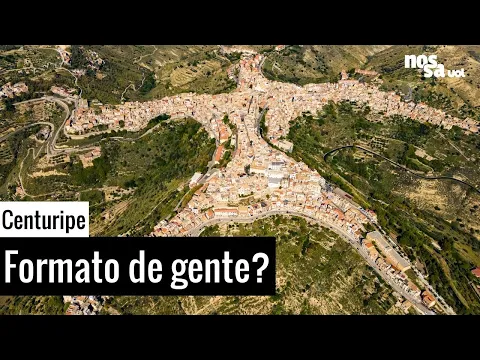
Nestled in the hills of eastern Sicily, Italy, the town of Centuripe, with around 5 thousand inhabitants, gained international exposure after aerial images revealed its shape resembling a human body, a phenomenon that sparked searches and curiosity about city in the shape of a human.

Origin of the Shape of the City in the Shape of a Human
Located about an hour from Mount Etna, the most active volcano in Europe, Centuripe has an unusual urban configuration.
Viewed from above, the layout of winding streets and compact buildings forms the silhouette of a human body with a well-defined head, torso, and limbs.
-
These living root bridges and ladders are over 700 years old and help indigenous people survive in one of the rainiest regions in the world.

-
From sertanejo star to international investor: Ana Castela invests millions in a mansion in the USA, creates a themed accommodation in Orlando, and shows that the “boiadeira” also wants to grow away from the stage.

-
The 10 most stunning motorhomes in the world: a $3 million trailer with a rooftop nightclub and garage for a Ferrari, “palaces on wheels” with Italian marble, private cinema, and five-star hotel luxury for billionaires.

-
Trump wanted to spend $400 million on the White House, but the courts prohibited the million-dollar construction.


This design was not planned. The current configuration developed over time due to natural erosion of the terrain and gradual urban growth.
The result has solidified the city’s reputation as a city in the shape of a human, which has garnered nicknames such as “Village in the Shape of a Human” and “Giant of Centuripe.”
Thousand-Year History of the City in the Shape of a Human
The origin of the city dates back to the 8th century B.C., when the site was founded by the Siculi, the native people of Sicily. Over the centuries, different civilizations occupied or influenced the territory.
Romans, Byzantines, Arabs, Normans, and Spaniards left their marks on the architecture, traditions, and local culture.
This historical succession transformed Centuripe into an important archaeological heritage of the region.
The strategic position atop a hill also played a significant role in its history. The location offered natural defensive advantages, although the village was destroyed in the 13th century A.D.
Urban Reconstruction and Historical Landscape
The urban design that exists today began to take shape around the 16th century. During this period, narrow and winding streets emerged, as well as buildings distributed on terraces that follow the hill’s relief.
In the historic center, medieval architectural elements coexist with ancient ruins. The city’s archaeological park encompasses preserved remnants from antiquity, including Roman baths, a theater, and a forum.
These elements reinforce the historical value of the city in the shape of a human, which combines natural landscape, archaeological heritage, and traditional architecture.
Tourism Boosted by Aerial Images
International interest has recently surged after photographer Pio Andrea Peri used a drone to capture aerial images of the city.
The photographs clearly highlighted the human outline formed by the urban ensemble.
The images circulated widely on social media and prompted the shape of the city in the shape of a human to be searched on Google Earth by users from different countries.
Events and Attractions Throughout the Year
During the Christmas period, Centuripe features festive lighting, musical performances, and nativity scenes spread throughout the streets. The celebrations attract visitors and increase the tourist flow to the city.
Outside the Christmas season, walks through the narrow streets and panoramic views of Etna remain frequent attractions.
The combination of landscape, history, and unique urban shape maintains ongoing interest in the location.
Despite its small population, the Sicilian city remains a rare example of urban formation that, by chance, has created a recognizable silhouette.
This unusual detail has transformed Centuripe into a curiously known destination in different parts of the world, although its origin was completely accidental.
With information from Casa e Jardim.






-

Uma pessoa reagiu a isso.