





 Portuguese
  English
  Spanish
  5 min of reading
  61 comments





Tourist City of Serra da Mantiqueira Approves Daily Fee for Visitor Vehicles, with Different Values by Category and Million-Dollar Revenue Projections; Measure Follows Trend of Other Tourist Destinations That Already Apply Similar Fees.
The City Council of Campos do Jordão (SP) approved on September 22 the creation of a daily fee for visitor vehicles, to be charged per day of stay from the entry into the city.
The text still depends on the mayor’s approval, and if confirmed, the expectation is to start in the second half of 2026.
For automobiles, the proposed fee is R$ 13.34 per day. For motorcycles, R$ 6.67.
-
From Napoleon to the lion of the Revenue: how the Income Tax was born in 1922, became the largest source of revenue in 1979, reached the floppy disk, and today generates R$ 2.88 trillion in Brazil.

-
With the new law, Brazilians can obtain a driver’s license at 16 years old; new rules for psychological exams, toxicological tests, speed enforcement, and the electronic free flow toll system will be discussed in the Chamber of Deputies.

-
At 106 years old, Mrs. Maria decided to go back to work to continue buying her wines, but ended up being hired as an influencer by a brand and now calls herself the ‘most empowered grandma in the world.’

-
A 3-year-old child was playing with their father’s metal detector and found a gold pendant over 500 years old, valued at $4 million, a piece with a secret compartment linked to the era of Henry VIII, found by James Hyatt.

The city hall estimates to collect about R$ 30 million annually to fund environmental and urban maintenance actions, according to a report published by the newspaper O Estado de S. Paulo.
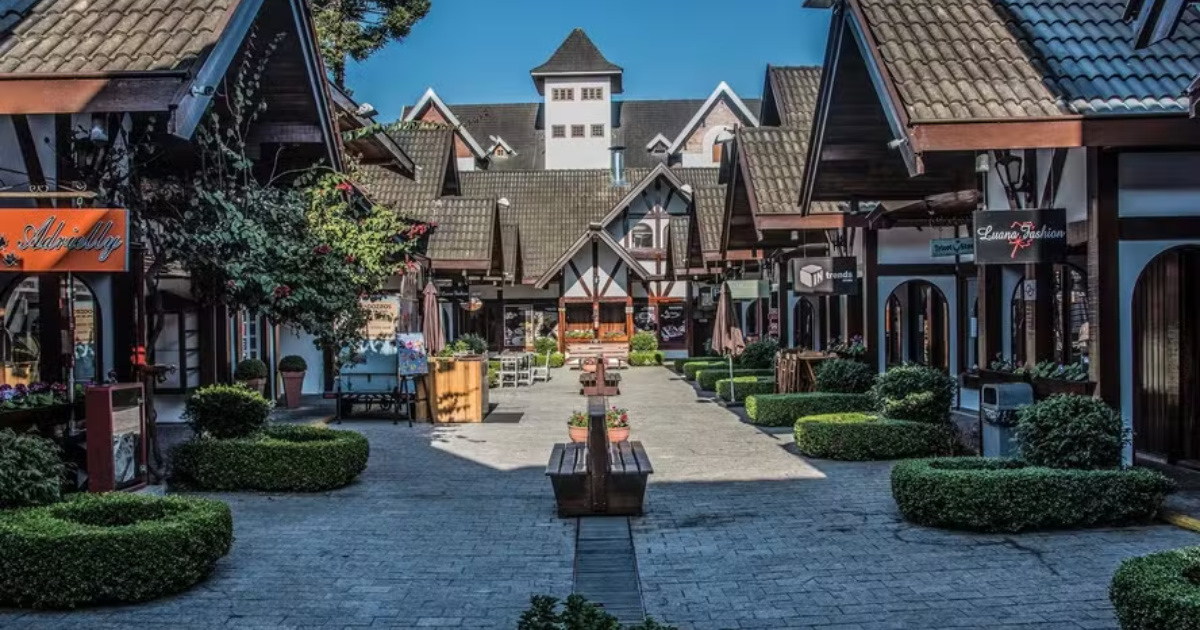
How the Fee Will Work in Campos do Jordão
The fee value is calculated by the Jordanense Fiscal Unit (UFJ), currently set at R$ 6.67.
After adjustments approved in the second vote, the City Council reduced the fees for larger vehicles: vans will pay R$ 50.02 (7.5 UFJs); microbuses, R$ 100.05 (15 UFJs); and buses, R$ 166.75 (25 UFJs).
Trucks will pay R$ 40.02 for up to four axles, with an additional charge of 2 UFJs for each additional axle.
The charge will be daily and regardless of the time that the vehicle remains in the municipality on the same day.
According to an investigation by the newspaper O Estado de S. Paulo, the proposal was approved by 9 votes in favor, 3 against, and one absence.
There will be exemption for vehicles from neighboring cities — including Santo Antônio do Pinhal, São Bento do Sapucaí, Piranguçu, Brasópolis, Venceslau Brás, Pindamonhangaba, Guaratinguetá, Paraisópolis, and Itajubá.
People with disabilities, workers with ties to the city, property owners, and vehicles only passing through will also be exempt.
A council with 11 members (five from the Executive, one from the Legislative, and five from civil society) will be responsible for overseeing the use of the funds.
The law mandates minimum allocations: 10% of the revenue to offset the garbage fee, 10% for water and sanitation universalization, and 5% for disaster prevention.
In a message on social media, Mayor Caê (Republicans) stated that the measure enables a broad package of actions.
“We will be able to carry out dozens of projects for the development of the city (…). Our city lives off tourism, our largest industry, and this area needs investment,” he said in an interview with the newspaper O Estado de S. Paulo.
Allocation and Oversight of Funds
The revenue projection is R$ 30 million per year.
The funds will be allocated to actions related to urban cleaning, environmental education, maintenance and preservation of attractions, river dredging, and public restrooms, among other fronts.
The schedule points to implementation in 2026, after bidding to choose the collection technology.
The newspaper also indicated that the oversight model will involve representatives from civil society to provide more transparency in the allocation of funds.


Other Paulista Cities Discuss Fee Charges
While Campos do Jordão awaits approval, Ilhabela has reactivated the Environmental Preservation Fee (TPA), suspended in 2020.
The City Council approved the resumption on September 16, with the start scheduled for December 2025 in a free flow model (license plate reading).
The fee will be R$ 10 for motorcycles, R$ 48 for cars, R$ 70 for vans and trucks, R$ 100 for microbuses, and R$ 140 for buses.
The city hall estimates to raise about R$ 45 million annually and promises quarterly reports to the Legislative.
In the Northern Coast, São Sebastião submitted the project on September 15 and approved the first vote on September 23.
The proposal sets a reference based on the 2025 VRM (R$ 4.77) and establishes a daily charge of R$ 5.25 for motorcycles, R$ 20 for cars, R$ 24.80 for pickup trucks, R$ 64.40 for vans and microbuses, R$ 119.25 for buses, and R$ 143.10 for trucks.
The project provides for exemption for stays under 2 hours and for vehicles registered in neighboring cities.
In the Southern Coast, Guarujá has been discussing a TPA based on the Municipal Fiscal Unit (UFM/UFG) since 2023.
The charge will only apply to vehicles from outside the Baixada Santista with stays exceeding three hours.
Municipal documents indicate proportional values based on size and an intention to use smart cameras for oversight.
The Executive announced that the text would be forwarded to the Legislative.
More recent details about monthly daily limits and final formatting are still not included in a consolidated official publication.
Aparecida, a destination for religious tourism, has sent a project to the City Council for a “Sustainable Tourism Fee”.
The proposed values are R$ 5 for motorcycles, R$ 10.01 for cars, R$ 20.03 for vans/minibuses, R$ 40.06 for microbuses, and R$ 70.11 for buses.
The text provides for exemptions for vehicles registered in the municipality and in neighboring cities, as well as cases serving public events.
Experiences Already in Place in Tourist Destinations
In Ubatuba (SP), the TPA in effect since February 2023 has totaled R$ 119.3 million gross by May 2025.
The majority has been allocated to the Municipal Environment Fund, and 30% of the total is untied, according to local legislation.
In the archipelago of Fernando de Noronha (PE), one of the oldest fees in the country, the charge in 2025 is R$ 101.33 per day per visitor.
The fee is progressive depending on the length of stay. Payment can be made online or at the airport.
While some cities adopt a fee per vehicle to offset the impacts of tourist traffic on cleaning, infrastructure, and ecosystems, others invest in differentiated rates at local attractions for residents.
These measures indicate a trend to link revenues to covering the costs of services pressured by seasonality.
In your opinion, is daily charging for visitors an appropriate tool to balance tourism and environmental preservation?







É bom saber para Eu não ir fazer turismo na tal cidade. Outa coisa, é que a tal cidade nunca foi a cidade mais bonita do Brasil ! Veja, por exemplo, Belo Horizonte, é muito mais bonita. Rio de Janeiro, nem se fale! E, várias outras…
Basta o brasileiro deixar de ser **** e simplesmente não ir nessas cidades que cobram taxa para permanência de turistas, pode ter certeza que em pouco tempo acaba essa palhaçada!!
Infelizmente o brasileiro é **** e não se une pra esse tipo de protesto. Basta ver o caos que acontece todo feriado em Ubatuba. Acho ridículo essa forma dos **** políticos roubaram o turista, mas continua sendo reflexo do **** brasileiro que não sabe escolher políticos.
Infelizmente o brasileiro é **** e não se une pra esse tipo de protesto. Basta ver o caos que acontece todo feriado em Ubatuba. Acho ridículo essa forma dos **** políticos roubaram o turista, mas continua sendo reflexo do **** brasileiro que não sabe escolher políticos.
Taxa para pisar lá lugar kkkkkkk , não tem lugar bonito e atraente , uma cidade bonita e tem água medicinal em São Lourenço mg ( dois lugares que tem uma água medicinal e são Lourenço mg e na França) .
O que neste lugar campos de Jordão SP nada …..