





 Portuguese
  English
  Spanish
  3 min of reading
  137 comments


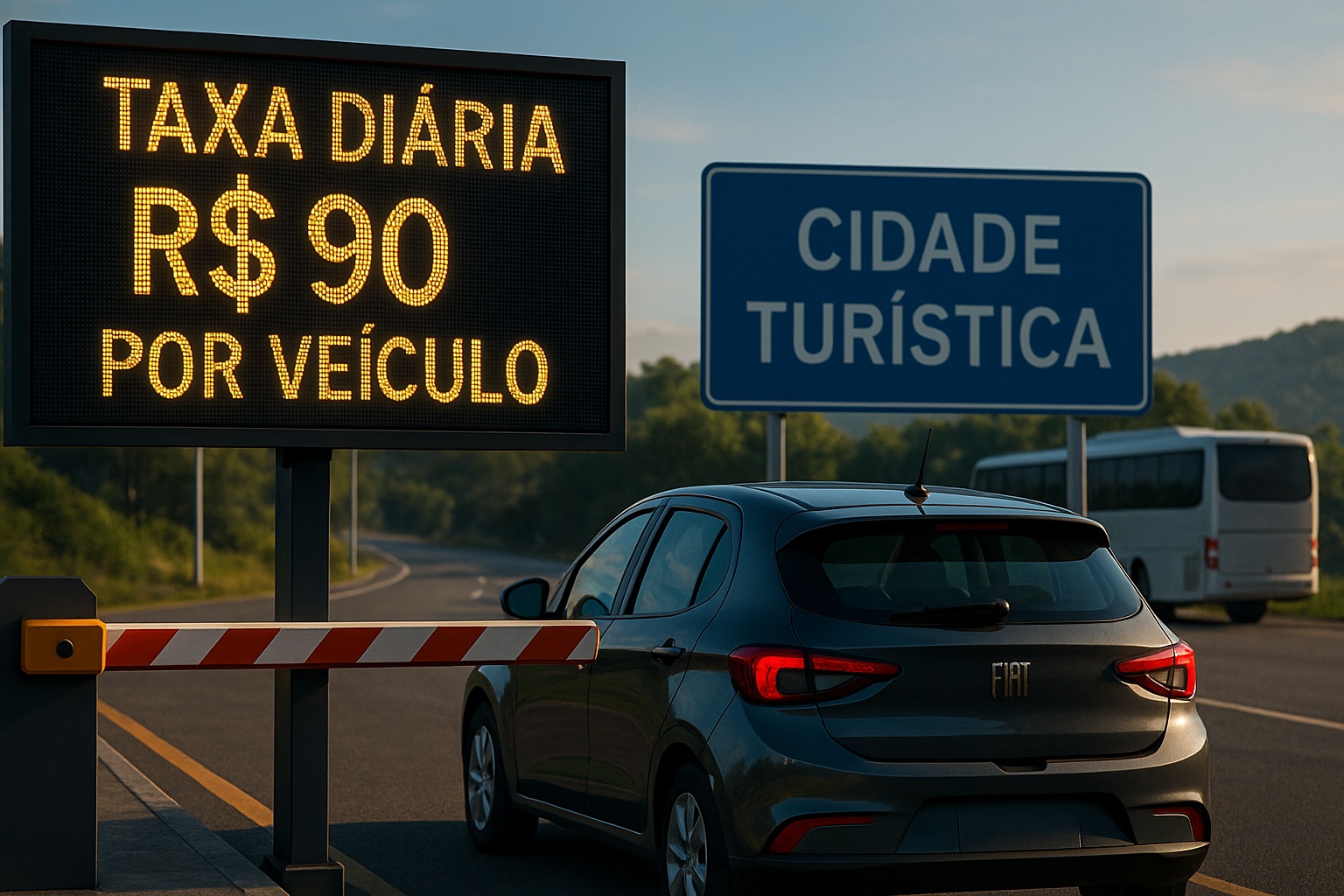


Tourist City in SP Implements Environmental Preservation Fee of Up to R$ 90 per Vehicle, with Exemption for Those Staying Less Than 4 Hours.
Since 2018, Ubatuba, on the north coast of São Paulo, has implemented the so-called Environmental Preservation Fee (TPA), a mechanism created to compensate for the impact of tourism on urban infrastructure and the environment. Now, the fee has entered a new phase: the electronic monitoring system is active, and vehicle stay is being monitored by cameras and license plate reading.
The fee can reach R$ 90 per vehicle, varying according to the size (cars, vans, tour buses) and the length of stay. The rule also provides for exemption for those staying less than four hours in the city, a measure that aims not to penalize visitors in quick transit.
How the Preservation Fee Works in Ubatuba
The TPA in Ubatuba was regulated by municipal law and operates entirely electronically. As soon as the vehicle enters the city, the license plate is recorded by cameras and cross-referenced with the system’s database. If there is no advance payment, the charge is generated automatically.
-
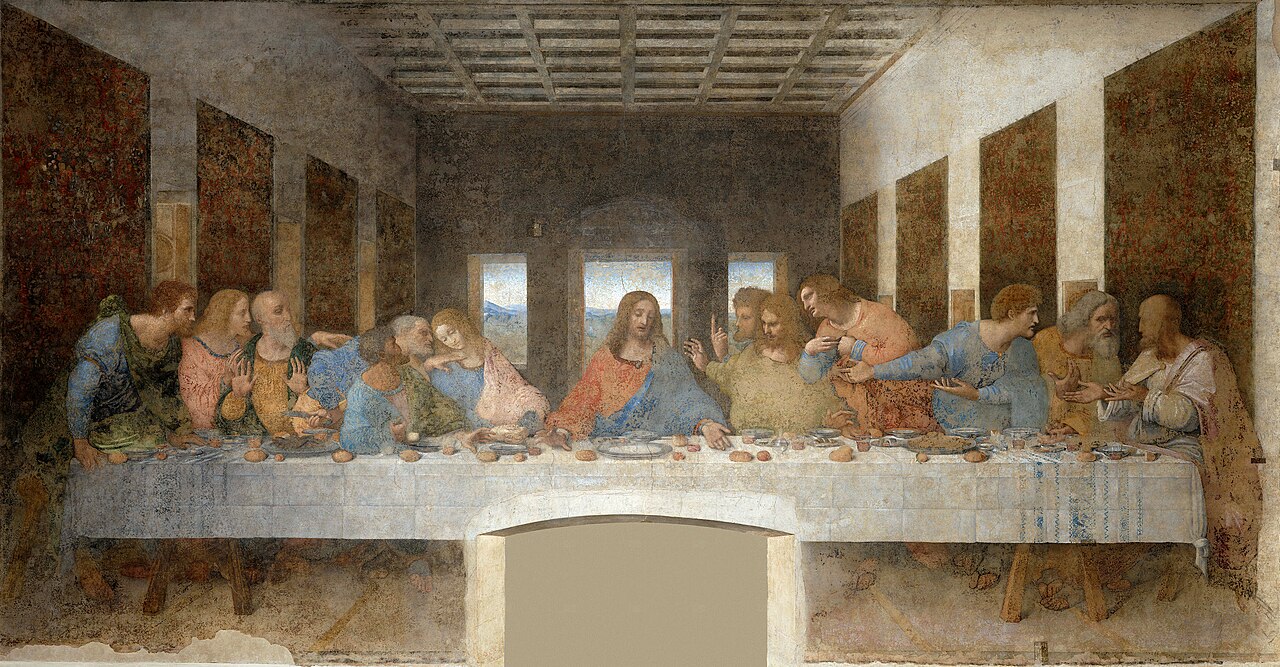
Hidden marks on the walls of the site associated with the Last Supper of Jesus for centuries have been deciphered in Jerusalem, revealing medieval inscriptions left by pilgrims, European nobles, and travelers from the Middle East.
-
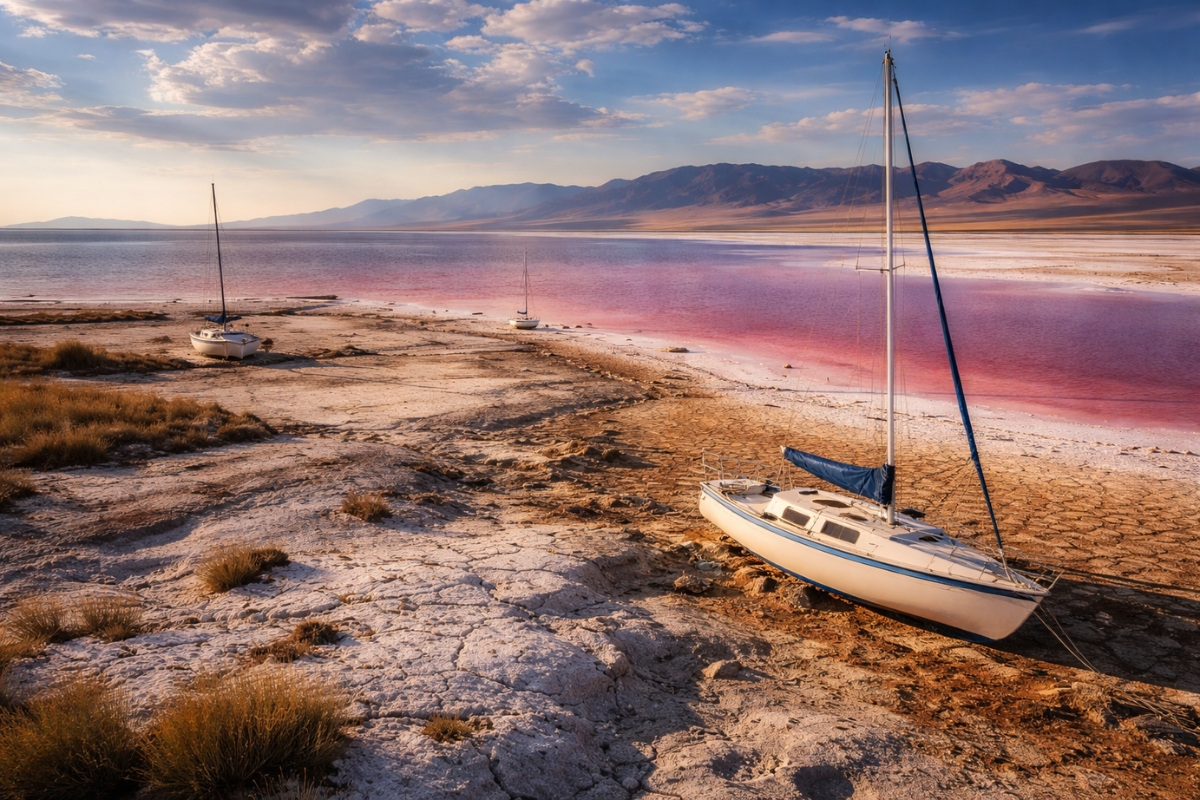
One of the most important lakes in the United States for birds, the balance of nature, and the climate has dried to historic levels, leaving boats stranded, revealing salt flats, and showing how the lack of water can transform an entire landscape.
-
It’s not Cristiano Ronaldo or Messi: the richest football player in the world is only 27 years old, has a fortune of 100 billion reais, and is the nephew of a sultan from an Asian country that few people know about.

-
At 77, the king of one of the most famous and powerful crowns on the planet is said to be under pressure to leave the throne, while behind the scenes there are already talks of a new coronation that could cost R$ 260 million.



The rates are calculated based on the type of vehicle:
- Passenger Cars pay the standard fee, close to R$ 13 to R$ 14 per day, but the accumulated total can exceed R$ 90 for longer stays.
- Vans and Mini-buses have higher rates, as they carry a larger number of tourists.
- Tour Buses can pay significantly higher amounts, easily surpassing hundreds of reais.
This model was inspired by experiences from other tourist cities, such as Fernando de Noronha, which has charged a daily environmental fee from visitors for years.
Objectives of the Fee

According to the Ubatuba City Hall, the purpose of the fee is to compensate for the environmental and urban costs generated by mass tourism.
In high season, the city’s population almost triples, putting pressure on public services such as garbage collection, water supply, traffic, and health.
The collected resources are to be allocated to environmental preservation projects, beach maintenance, and infrastructure improvement. However, there are controversies regarding the effective allocation of the funds, and the courts have even suspended the city’s autonomy to manage part of the revenue.
The Controversy Between Residents and Tourists
The fee divides opinions. On one side, environmentalists and part of the local population support the fee, arguing that tourism needs to pay its share and that the measure helps reduce the excess of vehicles during peak periods.
On the other side, tourism business owners and visitors criticize the amounts, claiming that the measure may deter low-income tourists and impact inns, restaurants, and local commerce.
The discussions intensify during long holidays, when the lines of cars trying to enter the city can stretch for kilometers, and the additional cost is felt more directly.
Comparison with Other Cities
Ubatuba is not alone in this trend.
- Fernando de Noronha (PE) already chargesdaily environmental fees of over R$ 100 per visitor.
- Paraty (RJ) has been discussing ways to restrict vehicle access to the historic center for years.
- Campos do Jordão (SP) approved a similar project to establish its own environmental preservation fee targeting tourist vehicles.
This wave of environmental fees indicates that more and more Brazilian cities are seeking alternatives to balance tourism, environmental preservation, and public finances.
The implementation of the fee in Ubatuba is an example of the dilemma faced by tourist cities: how to reconcile environmental preservation, quality of life for residents, and attracting visitors?
The measure promises to increase revenue and reduce the negative impacts of tourism but also carries the risk of alienating part of the audience. However, this precedent should inspire other cities to follow the same path.
And you, reader: do you think it’s fair to pay a fee to visit tourist cities if the money is allocated to preserving beaches, trails, and local infrastructure?









É melhor multar que taxar. Pois isso educa o cidadão desleixado e não pune aquele que segue regras.
O povo é o grande culpado…
É só boicotar.
Deixem essas cidades vazias por 30 dias ….
Mas o povo é **** e vai lá e paga…
Cada vez mais tenho nojo de morar neste país tudo que fazemos temos que pagar impostos pra sustentar a máquina publica a praia do itagua e uma vergonha por exemplo sempre foi e vai ser poluída onde vai este dinheiro de taxa todos sabem tudo pra sustentar prefeitura podem ser de direita de esquerda no final as gente que se estrepa paga pedágio paga taxa de estacionamento na praia e paga taxa ambiental que país **** de impostos que revolta