





 Portuguese
  English
  Spanish
  6 min of reading
  1 comment





Based on Data from IBGE and the Ministry of Health, the MySide Yearbook 2024 Shows that the Interior of São Paulo Concentrates Most of the Cities with the Lowest Homicide Rates in the Country, Highlighting an Unprecedented Standard of Safety and Quality of Life.
When it comes to public safety, few regions manage to stand out positively in the Brazilian scenario. However, the Yearbook of the Safest Cities in Brazil 2024, developed by MySide based on data from IBGE and the Ministry of Health, brought encouraging results.
The study identified the 15 safest cities in the country, analyzing the violent death rate per 100,000 inhabitants, and revealed a clear trend: the interior of São Paulo leads with a wide margin, followed by good examples in Santa Catarina, Minas Gerais, and Paraná.
The survey shows that ten of the fifteen safest cities in Brazil are in São Paulo, reinforcing the state’s weight in urban development, infrastructure, and public management focused on security and well-being. In addition, Santa Catarina has three cities among the best ranked, while Minas Gerais and Paraná complete the ranking with one city each.
-
The village where two rivers run side by side without mixing in Santarém and Alter do Chão reveals some of the most beautiful freshwater beaches on the planet.

-
Brazil’s nuclear submarine with a speed 5 times greater than normal advances after nearly 50 years and R$ 40 billion spent.

-
A Brazilian island charges R$ 0.50 to receive visitors and prohibits any new residents.
-
Why was the Great Wall of China built? The truth that many are unaware of!


Next, discover the 15 Brazilian cities with the lowest homicide rates in 2024 and understand what makes each one a national reference in tranquility and quality of life.
1. Valinhos (SP)
Located in the Metropolitan Region of Campinas, Valinhos occupies the top spot in the national ranking with a rate of 0.9 murders per 100,000 inhabitants. This number is the lowest in the country and positions the municipality as a symbol of safety and prosperity. Additionally, Valinhos is recognized for its diverse industrial hub, which includes technology, logistics, and metallurgy, as well as its traditional purple fig production, an icon of the city.
2. Botucatu (SP)
With 1.4 murders per 100,000 inhabitants, Botucatu ranks second. Located about 235 km from the state capital, it is famous for its natural beauty — with over 70 cataloged waterfalls — and its clean air, a result of geological formations known as Cuestas. This combination of nature, pleasant climate, and planned urbanization contributes to the high security index.
3. Tatuí (SP)
In third place, with 1.6 murders per 100,000 inhabitants, is Tatuí, known as the “City of Music”. The municipality is home to the largest music conservatory in Latin America and maintains a solid economy based on industry, commerce, and agriculture. The peaceful environment and cultural appreciation make the city one of the best places to live in the interior of São Paulo.
4. Sertãozinho (SP)
With 2.4 murders per 100,000 inhabitants, Sertãozinho occupies the fourth place and reinforces the prominence of the interior of São Paulo. The municipality is an important sugar and alcohol industrial hub that generates thousands of jobs and boosts the regional economy. Furthermore, its modern urban infrastructure ensures good living conditions and a sense of security for the population.
5. Jaraguá do Sul (SC)
The first city outside of São Paulo in the ranking, Jaraguá do Sul appears in fifth place with 2.8 murders per 100,000 inhabitants. Located in northern Santa Catarina, the city is known for its urban organization, quality education, and the presence of large industries like WEG and Malwee. Jaraguá do Sul is an example of how the balance between growth and safety can yield excellent results.
6. Várzea Paulista (SP)
In sixth place, with 3.4 murders per 100,000 inhabitants, is Várzea Paulista, located in the Jundiaí Region. The city has gained prominence for its orchid cultivation and export, as well as becoming an important industrial hub. In recent years, economic diversification and infrastructure investments have contributed to an increased sense of safety among residents.
6. Indaiatuba (SP)
Tied with Várzea Paulista, Indaiatuba also records 3.4 murders per 100,000 inhabitants. Located near Campinas and the Viracopos International Airport, it is one of the best-rated cities in the country for quality of life. Its economy is bolstered by industry and services, and efficient urban planning helps maintain low crime rates.
8. Votorantim (SP)
With 3.5 murders per 100,000 inhabitants, Votorantim occupies the eighth position. The municipality, which is part of the Sorocaba Metropolitan Region, has cement production as its main economic activity. The presence of large companies and sound urban infrastructure make the city an example of industrial development coupled with safety.
9. Araxá (MG)
The only city from Minas Gerais in the ranking is Araxá, in ninth place, with 3.6 murders per 100,000 inhabitants. The municipality is known for its thermal waters and for housing one of the largest niobium mining complexes in the world. Economic stability and thermal tourism contribute to a safe and well-managed environment.
10. Santana de Parnaíba (SP)
Closing the top 10 is Santana de Parnaíba, with 3.9 murders per 100,000 inhabitants. Located in the Osasco microregion, the city has a Human Development Index (HDI) of 0.814, one of the highest in the country. In addition to a strong economy, it preserves its historical and cultural heritage, which attracts visitors and new residents.
10. Ribeirão Pires (SP)
Tied with Santana de Parnaíba, Ribeirão Pires also reports 3.9 murders per 100,000 inhabitants. Located in the metropolitan region of São Paulo, the city is known for its green areas and ecological tourism. Its good urban structure and the strong presence of small and medium-sized industries help maintain the balance between progress and safety.
12. Blumenau (SC)
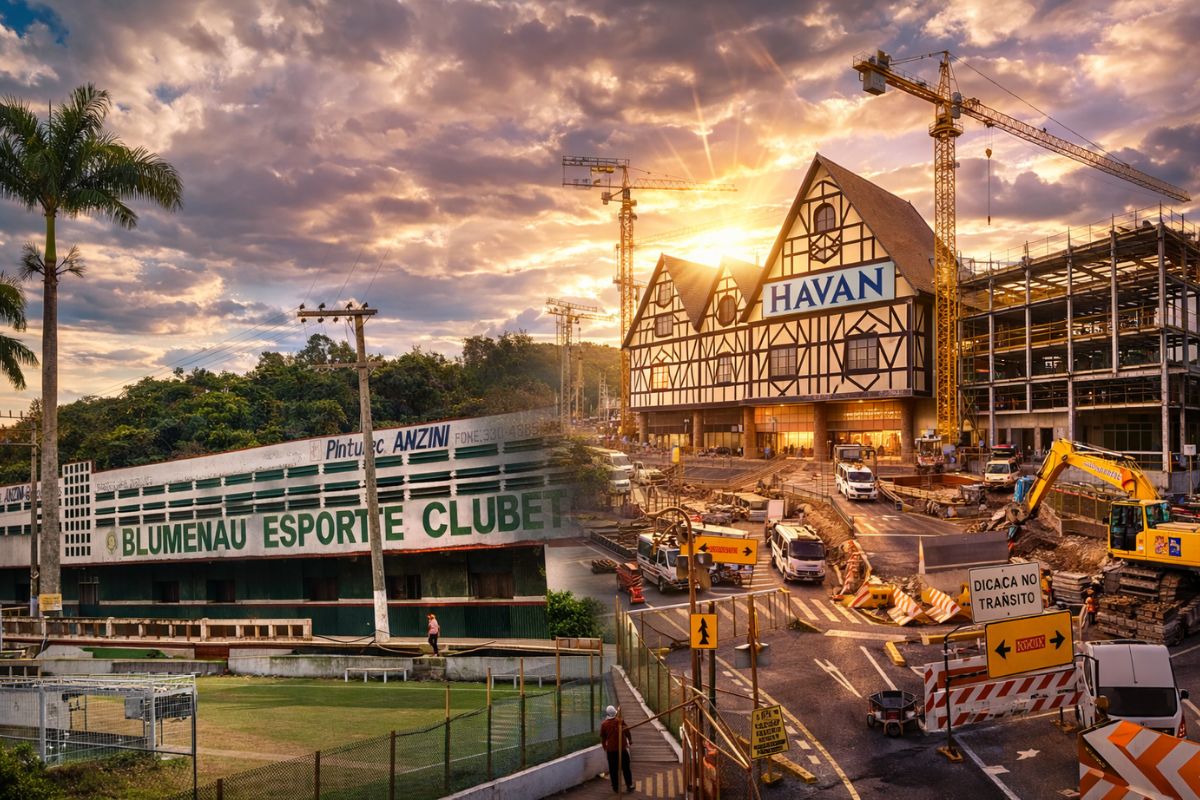
In twelfth place is Blumenau, with 4.0 murders per 100,000 inhabitants. The city in Santa Catarina is famous for its Oktoberfest and its industrial profile, especially in the textile and technology sectors. The city stands out for its cleanliness, urbanization, and quality of public services.
12. Brusque (SC)
Tied with Blumenau, Brusque also has 4.0 murders per 100,000 inhabitants. Located in the Itajaí Valley, the city is an important textile and metalworking center. The good economic performance, combined with a hardworking population and efficient local policies, contributes to the low crime rate.
14. São Caetano do Sul (SP)
In fourteenth place is São Caetano do Sul, with 4.8 murders per 100,000 inhabitants. Part of the ABC Paulista Region, it is one of the most developed cities in the country, with high purchasing power and excellent social indicators. Even close to the capital, it maintains a safe and well-structured urban environment.
15. Arapongas (PR)
Closing the list, Arapongas, in Paraná, registers 4.9 murders per 100,000 inhabitants. The municipality is known for its strong furniture sector and planned growth. This combination of a solid economy and efficient management makes the city an example of safety in the south of the country.
Distribution by State: São Paulo’s Dominance and Southern Strength
Among the 15 safest cities in Brazil in 2024, São Paulo leads with 10 municipalities, which corresponds to two-thirds of the ranking. This supremacy highlights the impact of security policies, economic development, and consolidated infrastructure in the interior of São Paulo. Medium-sized cities with good public management and quality of life show that it is possible to achieve security indices close to those of developed countries.
The state of Santa Catarina comes in second place, with three cities (Jaraguá do Sul, Blumenau, and Brusque), all recognized for their urban organization and strong industrial base. The balance between economy, education, and safe urbanism makes Santa Catarina an example of regional efficiency.
Minas Gerais and Paraná complete the ranking with one city each — Araxá and Arapongas, respectively — reinforcing that the South-Southeast axis concentrates the best conditions for public safety in the country.
A Portrait of the New Safe Brazil
The data from the MySide Yearbook shows that safety in Brazil is not an exclusive privilege of capitals or metropolises. On the contrary, it is the medium-sized urban centers that have shown the best results, with modern infrastructure, job opportunities, and quality of life.
The leadership of São Paulo and the prominence of Santa Catarina reinforce that urban planning, local investments, and balanced development can transform ordinary cities into national examples of safety and prosperity — a model that inspires the future of Brazilian cities.







Jurava q ia ver os estados do nordeste liderando, ja que la os governos são da Paz e do amor