





 Portuguese
  English
  Spanish
  4 min of reading
  0 comments


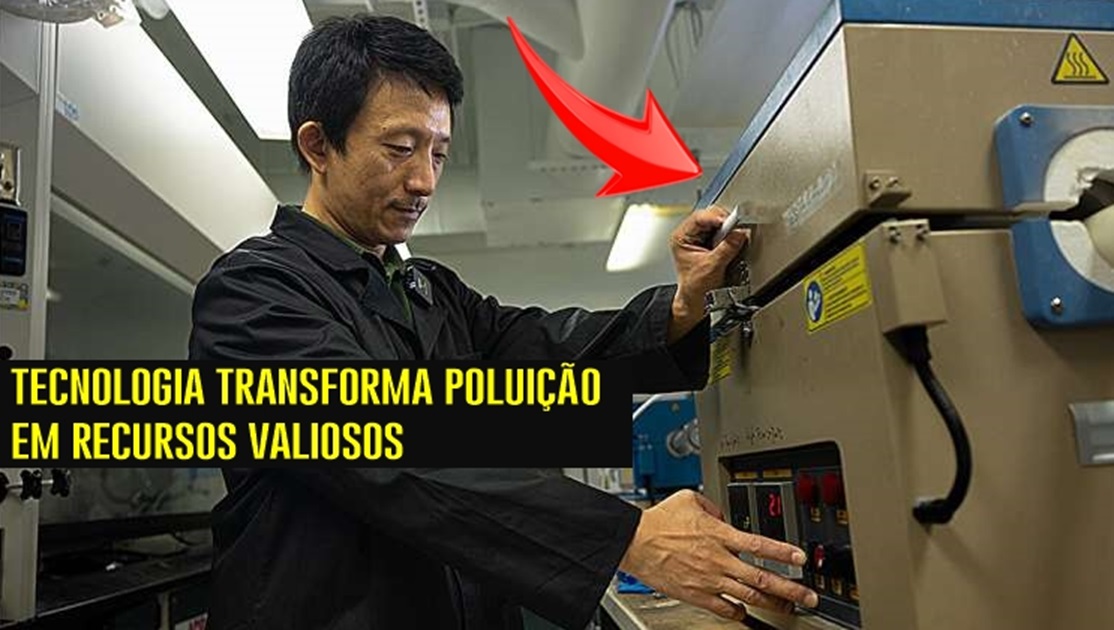
Revolutionary Technology Transforms Air Pollution Into Chemical Products And Valuable Resources, With Potential Application In Chemical Industries And Polluters, Offering An Innovative Solution For The Future Of Sustainability.
In a significant advancement for science and sustainability, a researcher from the University of Central Florida (UCF) is developing an innovative technology that promises to transform carbon dioxide (CO₂) emissions into useful resources. Yang Yang, associate professor at UCF’s NanoScience Technology Center, is leading the research that could change how we tackle the issue of atmospheric pollution and climate change.
In a study published in the Journal of the American Chemical Society, it was detailed that Yang’s innovative technology utilizes an advanced device that captures CO₂ and converts it into carbon monoxide (CO) and formic acid, substances with multiple industrial applications.
“We can directly use these converted chemicals and fields for other applications“, explains the scientist, highlighting that the derived products can be used for the manufacture of fuels and high-value chemical materials, reducing pollution.
-
A new technology attached to the helmet can detect motorcycle accidents in seconds, assess the severity, and send the location to emergency services; meet Quin, a small smart device.

-
The bizarre train that uses Cold War jet fighter engines to blast air at over 1,000 km/h, melting ice walls and freeing frozen tracks in minutes where ordinary machines would take hours.

-
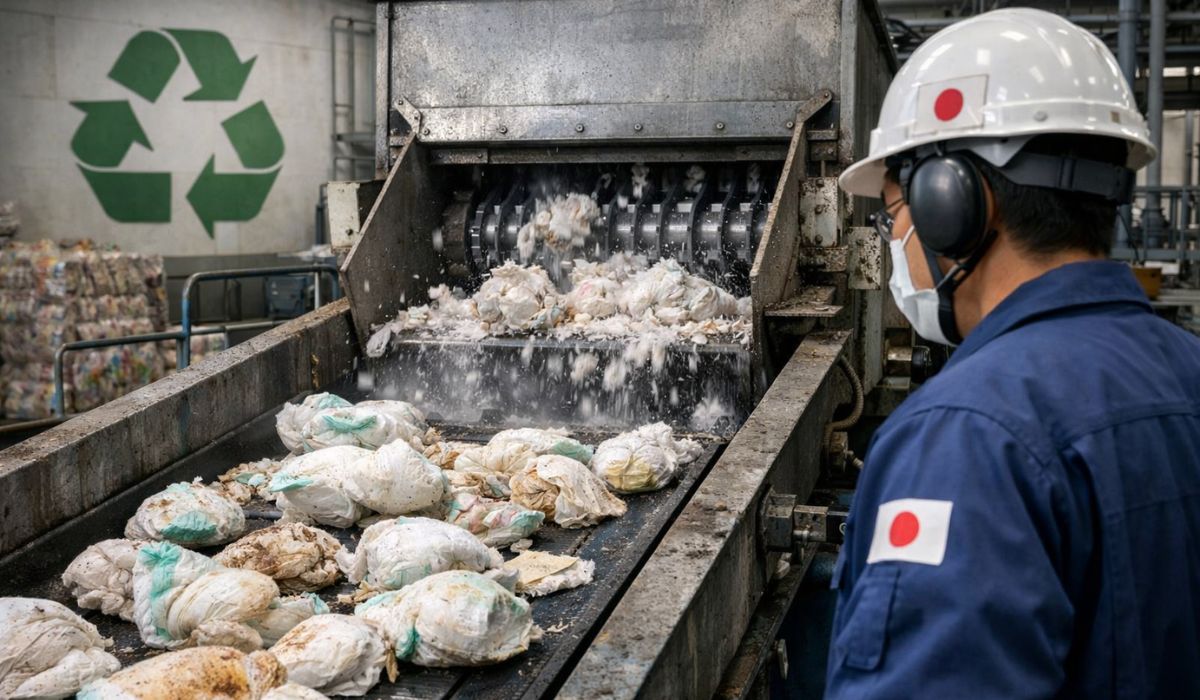
Japan is transforming dirty diapers from babies and the elderly into an ambitious and surprising project that could forever change the way the world deals with one of the most difficult types of waste to dispose of.
-
Goodbye to waste: a Brazilian created a revolutionary brick that uses construction debris, has already entered the markets of the United Kingdom and the USA, and promises to shake up the global construction industry.


Innovative Technology — The Solution To The Climate Crisis And Pollution Reduction
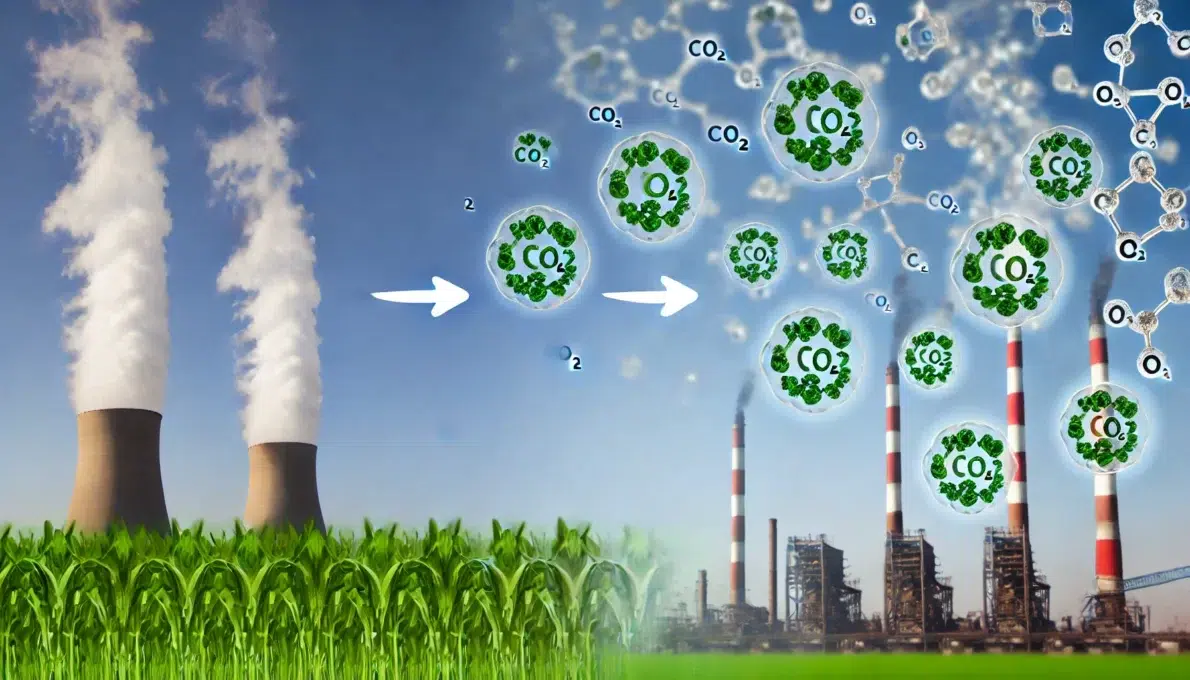
The innovation comes at a critical moment when carbon dioxide emissions are reaching alarming levels, directly contributing to global warming.
The technology developed by Yang not only aims to sustainably reduce the carbon footprint but also enables the creation of a new alternative energy source. “We want to create better technology to make our world cleaner and more sustainable,” Yang says.
According to the scientist, excess CO₂ in the atmosphere intensifies the greenhouse effect, causing accelerated warming of the planet.
This new innovative technology is designed to operate in locations such as power plants and chemical factories, where large amounts of carbon dioxide are emitted, reducing pollution from these sites. The goal is to capture these emissions before they reach the atmosphere and transform them into valuable resources.
Inspired By Nature
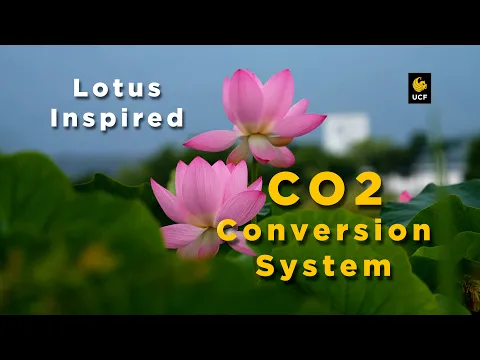
The inspiration for this innovative technology came directly from nature. Yang explains that the development of the device was influenced by the lotus plant, famous for its highly hydrophobic surface. The lotus leaf repels water, a process that Yang mimicked by creating a surface on his device that separates water from CO₂ during the conversion process.
The scientist compares his work to the photosynthesis process of plants, which absorb carbon dioxide and release oxygen.
However, his approach goes beyond natural photosynthesis, offering a faster and more efficient process to capture and convert CO₂ into useful products.
“We want to create a material that can quickly capture carbon dioxide molecules from the air and convert them into chemicals,” Yang said.
The method allows CO₂ to be converted into a liquid or gaseous form, facilitating its use in various industrial applications, such as fuel production, methanol, ethylene, and other essential chemical compounds.
Challenges And Energy Efficiency

Despite the initial success, Yang’s research faces technical challenges. One of the biggest obstacles has been preventing water from interfering with the CO₂ conversion process.
If there is excessive water in the catalytic materials, hydrogen production may occur, which would reduce the energy efficiency of the process. However, by creating a surface that repels water, Yang has significantly improved the efficiency of carbon dioxide conversion.
“If you have too much water around your materials, hydrogen production can occur instead of the conversion of carbon dioxide into chemicals“, Yang explains.
Careful control of this aspect is crucial to ensure that the process functions as efficiently as possible, utilizing almost all the energy generated by electricity for CO₂ conversion.
The Future Of Carbon Capture
While there are initiatives around the world to reduce carbon emissions, such as tree planting and large-scale carbon capture technologies, Yang’s technology stands out for its flexibility and adaptability.
The scientist believes that the CO₂ capture and conversion device can become a viable and efficient option compared to more expensive and time-consuming methods.
Additionally, Yang states that the technology can be powered by sustainable energy sources, such as solar panels and wind farms, making the process even more environmentally friendly. “In our process, we can use intermittent electricity, such as electricity from solar panels or wind farms“, he says.
Next Steps And Collaborations
Although the project is still in its early stages, the results are promising. Yang and his team’s goal is to scale up the technology by creating larger prototypes that can convert carbon dioxide in greater and faster volumes.
“We test the performance in our reactors, but in the future, we want to develop a larger prototype that can show people how quickly we can convert and reduce carbon dioxide concentration“, Yang explains.
Yang’s research has attracted attention from major universities and research centers around the world. Among the collaborating institutions are the University of Houston, the University of California, Berkeley, Stanford University, and the Oriental Institute of Advanced Studies in Ningbo, China.
With a diverse team of researchers and collaboration from renowned universities, Yang Yang’s innovative technology may mark the beginning of a new era in the fight against climate change.
If successful on a large scale, this innovation will not only help reduce atmospheric carbon dioxide but also transform how we generate and use energy in the future.







Seja o primeiro a reagir!