





 Portuguese
  English
  Spanish
  3 min of reading
  1 comment


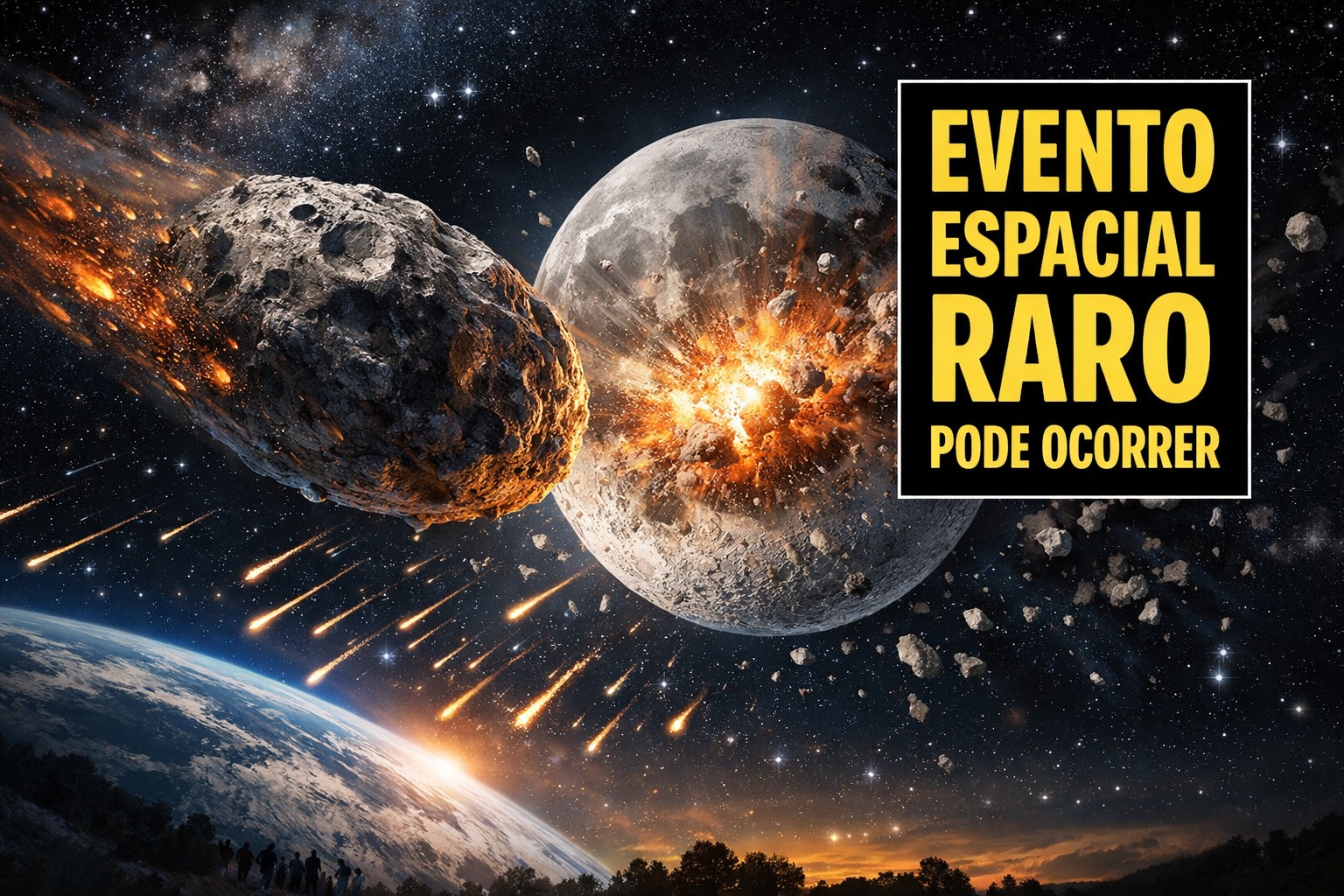


New Calculations Indicate That Asteroid 2024 YR4 Has A High Chance Of Colliding With The Moon In December 2032, Reducing Terrestrial Risk And Opening A Rare Scientific Scenario For Unprecedented Global Observation
The end of 2032 could mark a rare space event, when asteroid 2024 YR4, discovered in December 2024, may collide with the Moon, generating space debris and a meteor shower visible from Earth.
New Calculations Shift The Focus Of Risk
New analyses of the trajectory of asteroid 2024 YR4 indicate that the space rock measures between 53 and 67 meters and presents relevant risk.
The current probability of collision with the Moon is 4.3%, a rate considered high by astronomers monitoring near-Earth objects.
-
They seemed like common bones, but scientists were surprised to find a relic over 12,000 years old that dates back to before the Bronze Age.

-
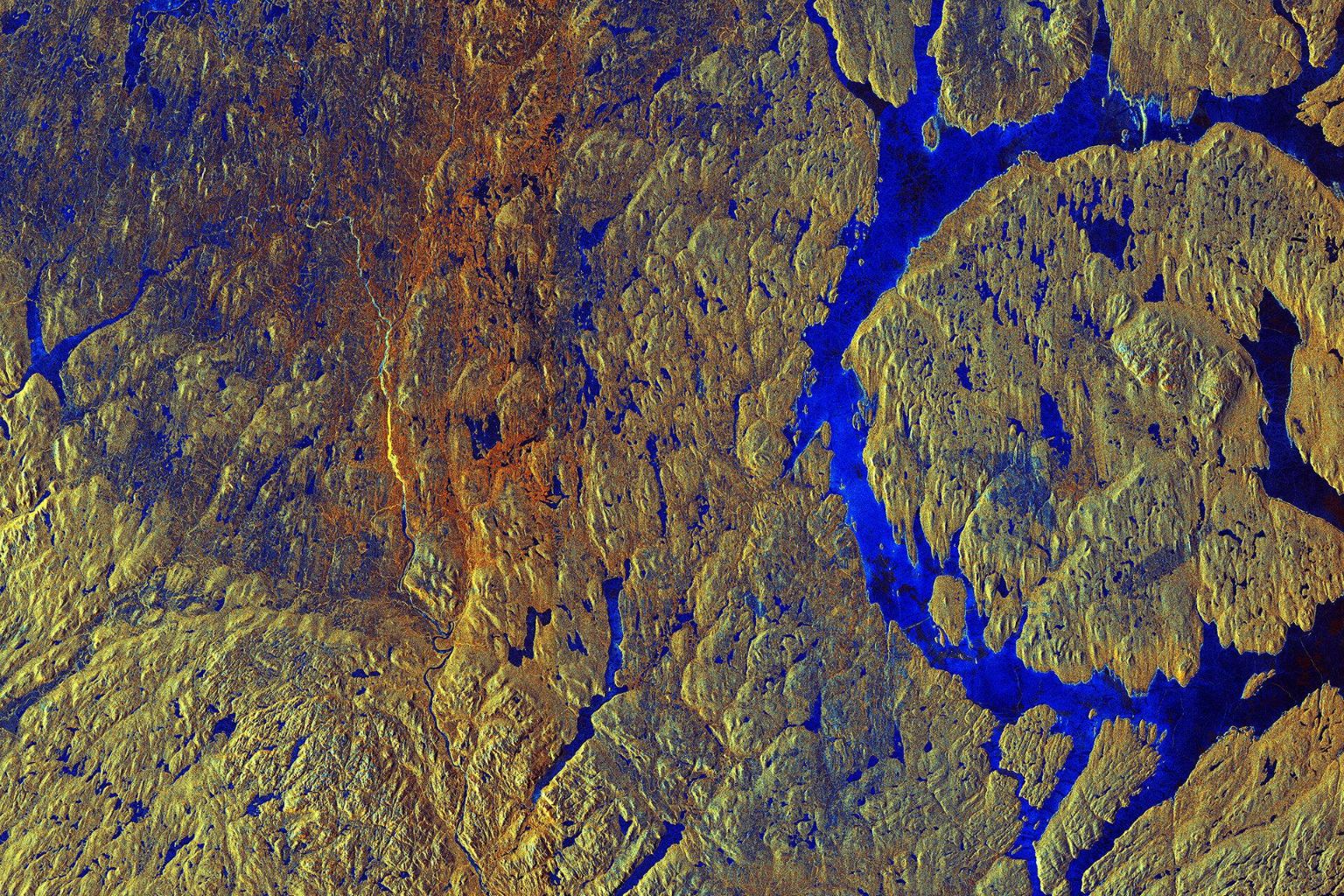
With an almost perfect ring of 70 km visible from space, known as the “Eye of Quebec” and over 100 km in length, the Manicouagan Crater in Canada reveals the colossal mark left by a giant asteroid and has become one of the most impressive formations ever identified on the Earth’s surface.
-
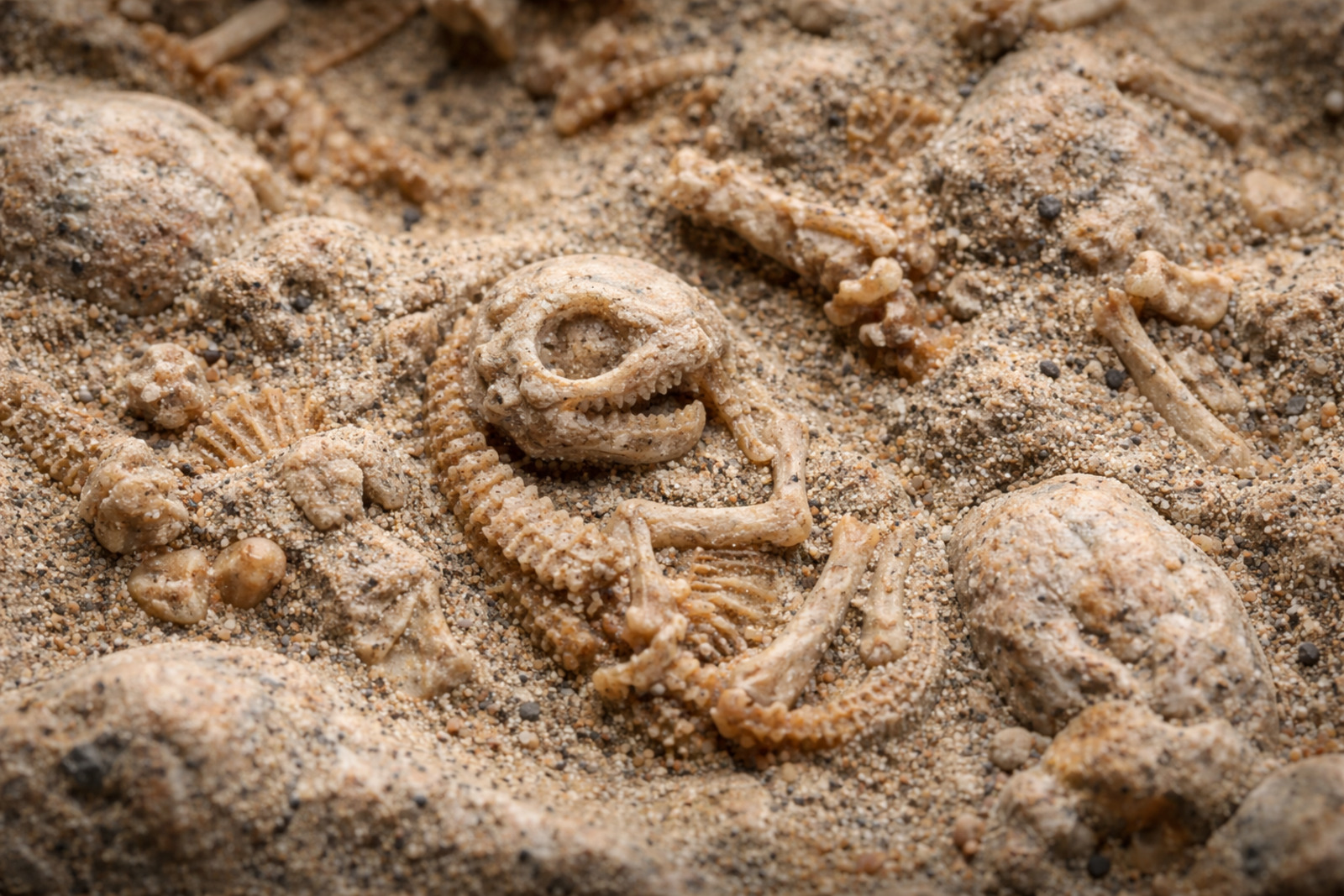
Scientists have found in China dinosaur embryos dating back 190 million years in various stages of development, and the discovery still preserves traces of extremely rare proteins in the bones, something that could change what is known about life before hatching.
-
The CEO of Honor in Spain says that smartphones will change with AI, foldables, and even robot phones; the component crisis is making cheap models more expensive in 2026 and shifting the focus to premium.

Initially, calculations drew attention for the chance of impact with Earth, which upon revisions reached 3.1%, generating international concern.
In February 2025, however, new measurements drastically reduced this scenario, leaving the possibility of a terrestrial collision at just 0.004%.
Extreme Approach Of The Natural Satellite May Generate A Space Event
The decisive change occurred when simulations indicated that on December 22, 2032, the asteroid will pass only 10,000 kilometers from the Moon.
According to NASA, this distance is extremely small in orbital terms, significantly increasing the chance of a direct impact.
With this approach, models indicate a one in 34 chance of impact, a rare value in predictions involving known celestial bodies.
Possible Effects Of A Lunar Collision
Recent studies on the impact scenario suggest historical consequences, even without altering the orbit of the Moon or Earth.
Simulations indicate the release of energy equivalent to 6.5 megatons of TNT, enough to form a crater of approximately 1 kilometer.
The impact would raise a colossal amount of lunar material, launching fragments into the space around the Earth-Moon system.
Some of this debris would be captured by Earth’s gravity, entering the atmosphere as meteors over several days.
Unprecedented Meteor Shower In Modern Times
The most visible outcome would be an extremely intense meteor shower, potentially the largest ever recorded by modern humanity.
The phenomenon could be observed with the naked eye in various regions of the planet, surpassing annual events known to sky watchers.
Richard Moissl, head of the European Space Agency (ESA), stated that the event would be clearly visible from Earth.
According to Richard Moissl, even lunar meteorites could hit the planet, without posing significant risks to populations.
Monitoring And Next Scientific Steps
Currently, the asteroid is still too far for detailed observations with available ground or space telescopes.
Scientists expect it to become visible again in 2028, allowing for refined calculations and study of its composition.
NASA, ESA, and international observatories continue to monitor the object, nicknamed “city killer” due to its destructive potential if it were to hit populated areas.
If the collision is confirmed, it will be a unique scientific opportunity to observe, in real-time, the formation of an unprecedented lunar crater.
Events of this magnitude, according to astronomical estimates, have not occurred at this scale for about 5,000 years.
In the meantime, experts emphasize that small adjustments in future measurements could still significantly alter the projected scenario.
With information from Diário do Comércio.






🤞 here’s to hoping the most recent calculation on the trajectory is the RIGHT one this time & it doesn’t change back towards earth🤞