





 English
  Francês
  Alemão
  Italiano
  Japonês
  Norueguês
  Portuguese
  Spanish
  4 min of reading
  0 comments


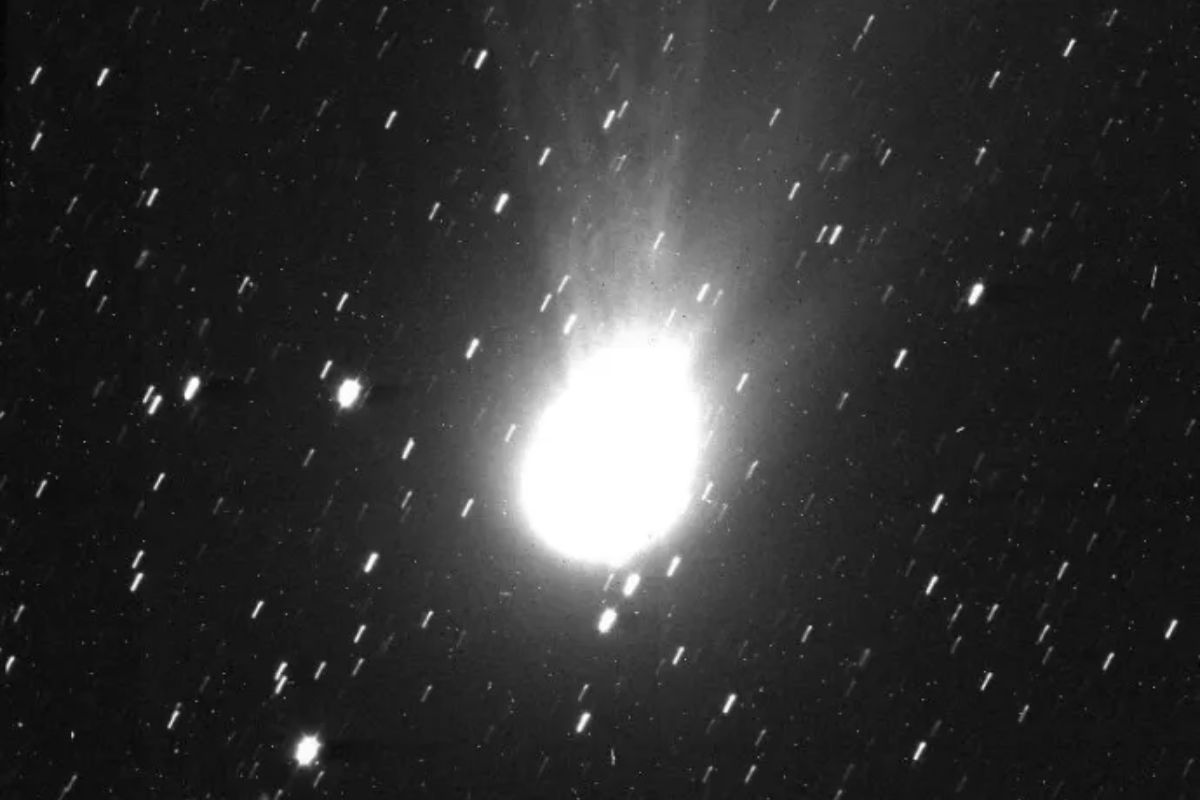
The Interstellar Comet 3I/Atlas Caught The Attention Of The Scientific Community After Analyses Revealed An Unusual Chemical Composition With High Concentrations Of Methanol, An Organic Compound That Could Help Researchers Understand How Celestial Bodies Form Outside The Solar System And In Other Stellar Systems
The interstellar comet 3I/Atlas has become one of the most intriguing objects ever observed crossing the Solar System. Detected by telescopes and studied by international teams, the cosmic visitor revealed an unexpected chemical characteristic: concentrations of methanol far exceeding those typically found in local comets.
The discovery regarding the interstellar comet 3I/Atlas sparked new discussions among astronomers about how celestial bodies form in other stellar systems. For scientists, these objects serve as true time capsules, carrying primordial material that can reveal clues about the chemistry and history of distant regions of the galaxy.
What Makes The Interstellar Comet 3I/Atlas So Rare
The interstellar comet 3I/Atlas belongs to an extremely rare category of astronomical objects.
-
The climate in 2026 may surprise with extremes even more intense than in 2025, with heatwaves, out-of-season cold, and irregular rainfall in Brazil.

-
Astronomers identify 45 rocky planets that could harbor life, and one of them is just 4.2 light-years from Earth, making it the closest neighbor with the potential to have liquid water on its surface.

-
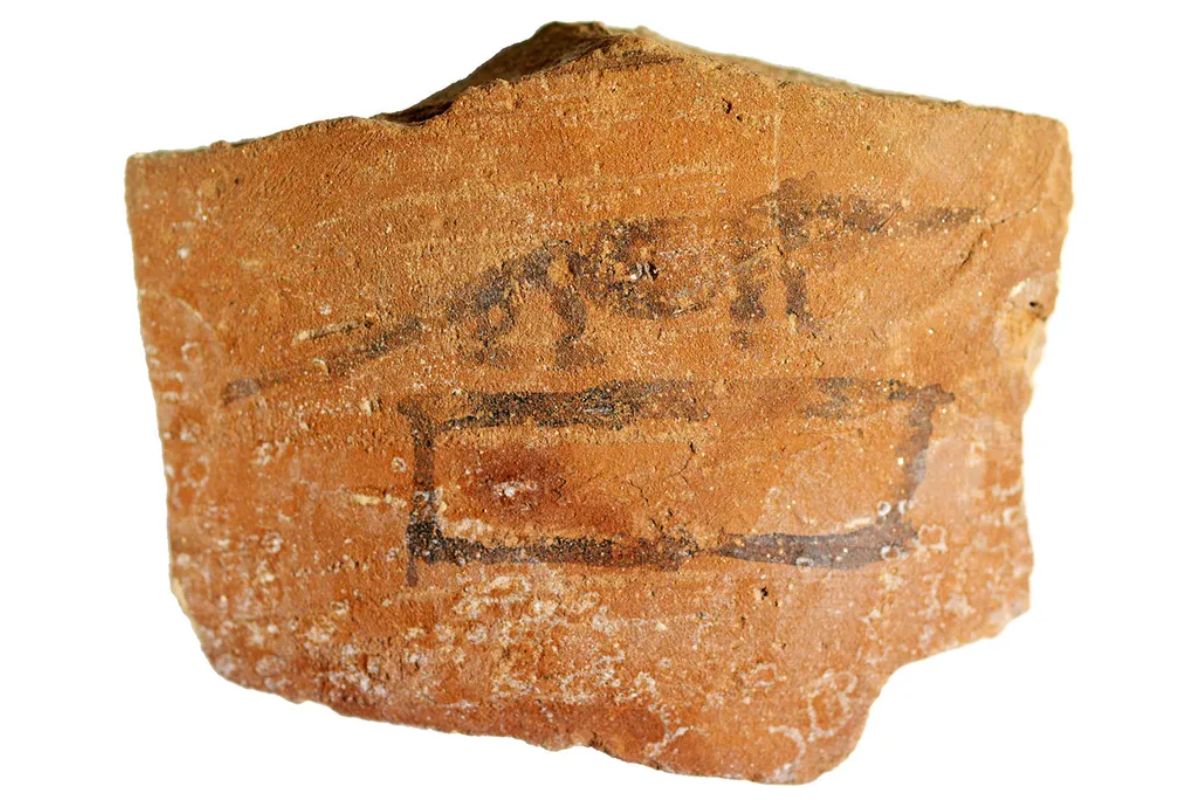
Archaeologists discover 43,000 ostraca in Egypt with tax lists, drawings, religious texts, and everyday notes that reveal what life was like in ancient Athribis before Cleopatra.
-
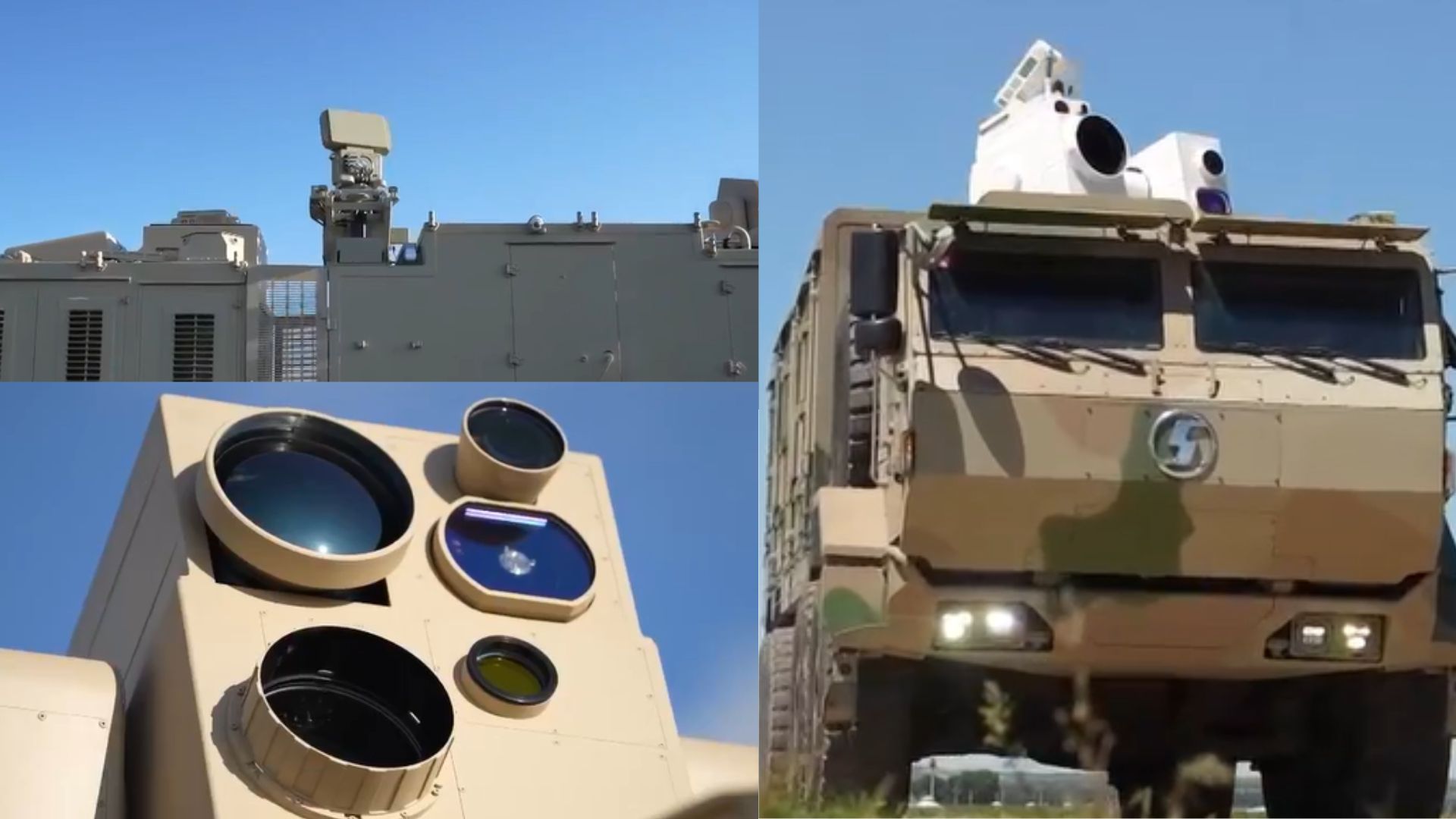
China showcases laser defense systems that target drones flying very low and attempts to address a flaw that has been concerning armies worldwide.

It is only the third identified interstellar object passing through our Solar System, meaning that its origin is not tied to the Sun but to another stellar system.
Bodies of this type form in distant regions of the galaxy and, due to complex gravitational reasons, end up being expelled from their systems of origin.
After that, they wander through interstellar space for millions or even billions of years.
When one of these objects passes through the Solar System, scientists have a unique opportunity to study materials formed in cosmic environments completely different from our own.
The Chemical Discovery That Surprised Researchers
The scientific interest in the interstellar comet 3I/Atlas increased even more after detailed analyses of its composition.
Using observations made with the Atacama Large Millimeter/submillimeter Array (ALMA) in the Atacama Desert, Chile, researchers were able to identify various chemical compounds released by the comet.
Among them, one element stood out: methanol.
This compound, a simple type of organic alcohol, appeared in quantities far exceeding those normally recorded in Solar System comets.
This unusual concentration raised new hypotheses about the environment in which the comet may have formed.
Why Methanol Is Important In Space Research
The methanol found in the interstellar comet 3I/Atlas is not just a chemical curiosity.
It may represent an important clue about the primordial chemistry present in other planetary systems.
Simple organic molecules like methanol are considered fundamental building blocks in the formation of more complex compounds.
Therefore, its presence in large quantities suggests that the comet may have originated in a region rich in ice and organic compounds.
For astronomers, each detected molecule serves as a sort of “fingerprint” of the environment where the object was born.
These insights help reconstruct the physical and chemical conditions present in distant stellar systems.
The Passage Of The Interstellar Comet 3I/Atlas Through The Solar System
The interstellar comet 3I/Atlas was first identified in July of last year.
In December, it reached its closest point to Earth during its passage through the Solar System.
Even at that moment, the object remained about 270 million kilometers from the planet, a distance considered safe and with no risk of collision.
Despite the distance, telescopes managed to observe its activity.
As the comet approached the Sun, the heat released frozen gases and dust, creating the characteristic cometary tail, a cloud of particles surrounding the nucleus.
It was in this released material that scientists identified the analyzed chemical compounds.
The Scientific Debate About The Object’s Origin
The passage of the interstellar comet 3I/Atlas also generated various speculations.
Some bolder theories even suggested that the object could have artificial origins.
These ideas were widely promoted by some researchers, including astronomer Avi Loeb from Harvard University.
However, the consensus among scientists is quite clear.
The scientific community considers that the interstellar comet 3I/Atlas is a natural object, formed by astronomical processes common in planetary systems.
The analysis of its chemical composition reinforces this interpretation.
The study of the interstellar comet 3I/Atlas shows how rare cosmic visitors can reveal important details about distant regions of the galaxy.
By identifying unusual levels of methanol in its composition, scientists have opened a new window to understand how organic materials form in other stellar systems.
Each interstellar object that passes through the Solar System offers a rare opportunity to study the chemistry of the universe beyond our own planetary system.
And you, do you believe that discoveries like those of the interstellar comet 3I/Atlas can reveal clues about the formation of life in other stellar systems?








Seja o primeiro a reagir!