





 Portuguese
  English
  Spanish
  3 min of reading


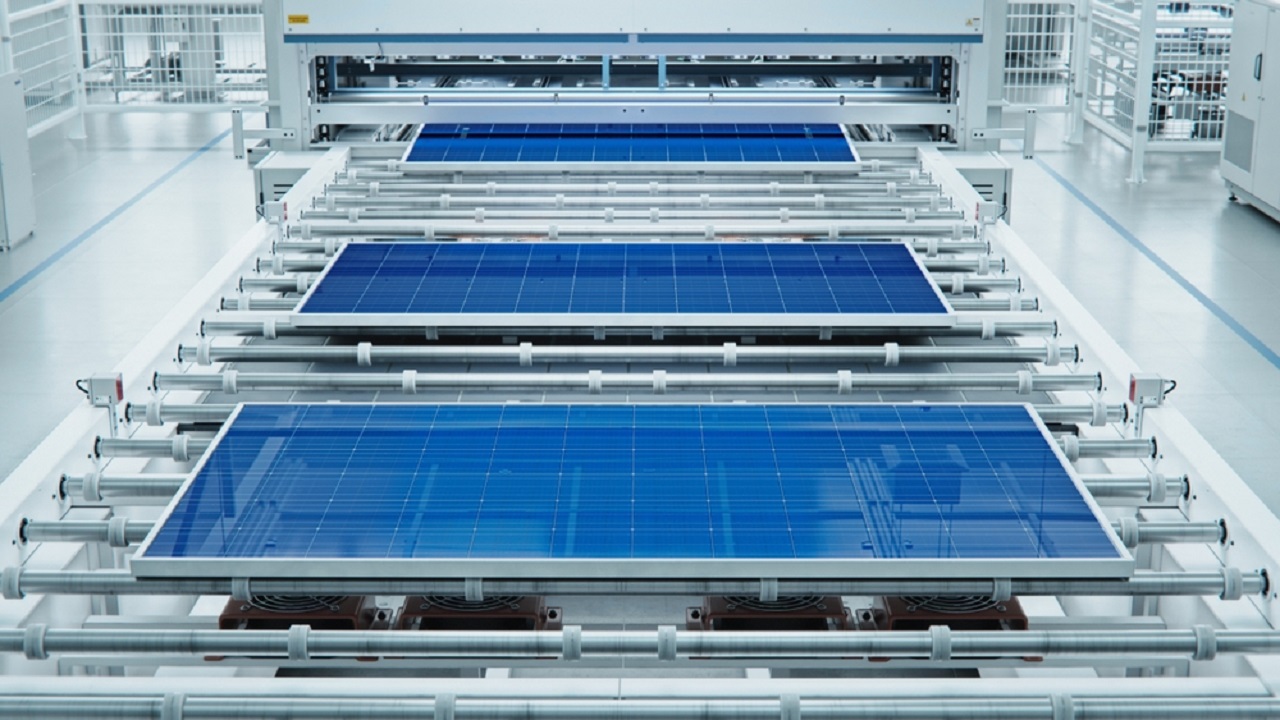
UK Scientists Have Just Developed The First Self-Regenerating Solar Panels With Indefinite Lifespan.
One of the major advantages of solar energy panels is their long lifespan of at least 25 years; however, the equipment can easily exceed three decades when well utilized. Currently, there has been a new discovery by scientists from the University of York in the UK, which may further enhance durability with the development of self-regenerating solar panels.
Self-Regenerating Solar Panels Can Generate Twice the Efficiency
In the scientists’ studies on antimony selenide, a semiconductor that is commonly used in the production of solar energy panels, it was discovered that the material has the ability to self-repair when degraded.
Semiconductors are an essential component of solar energy technology, responsible for converting sunlight into energy and used in the production of the cells that make up a solar panel. Over the years, these semiconductors undergo natural degradation due to the recombination process of the electrons in their atoms.
-
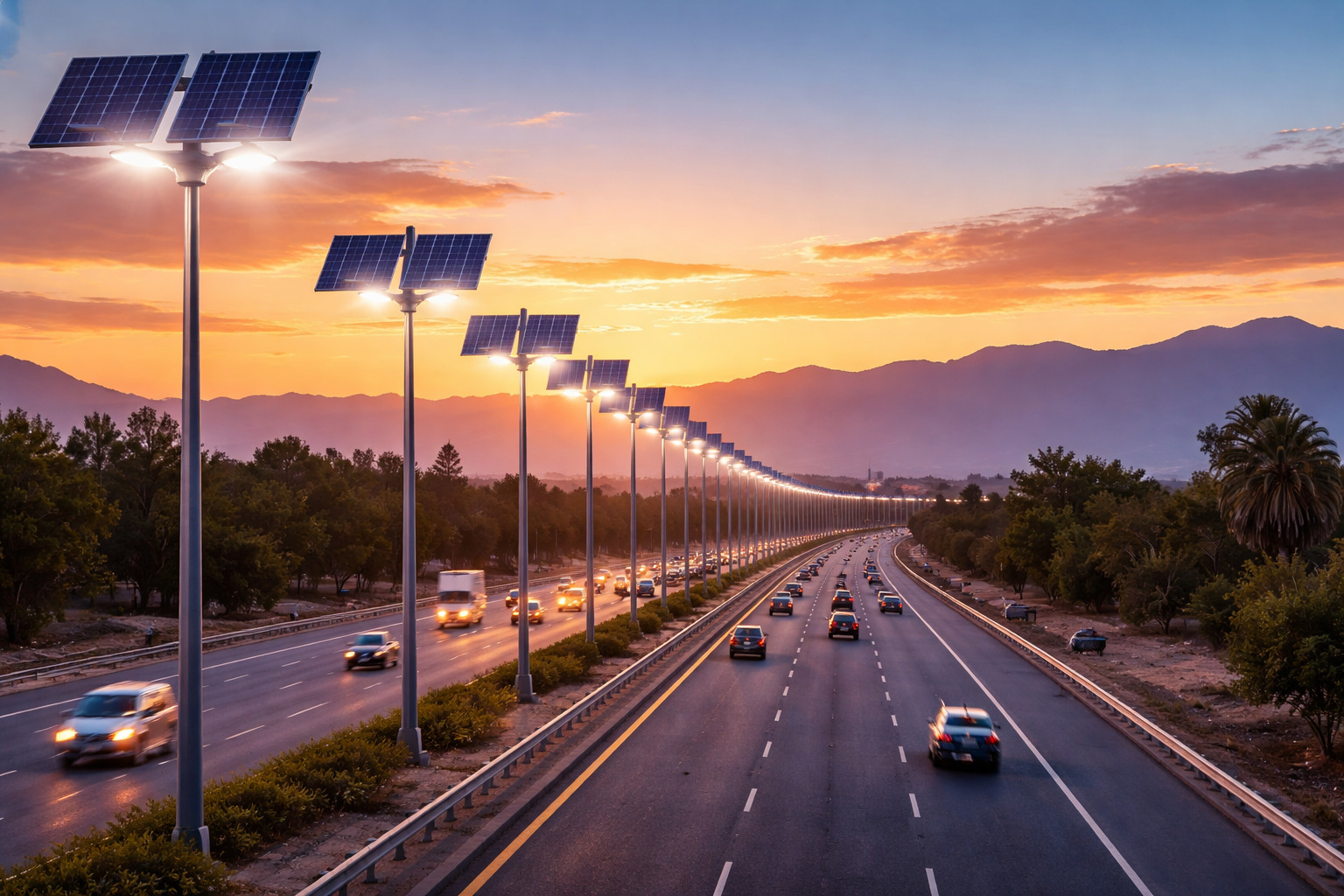
Argentina debuts its first 100% solar-powered highway and transforms an entire road into a showcase of clean energy.
-
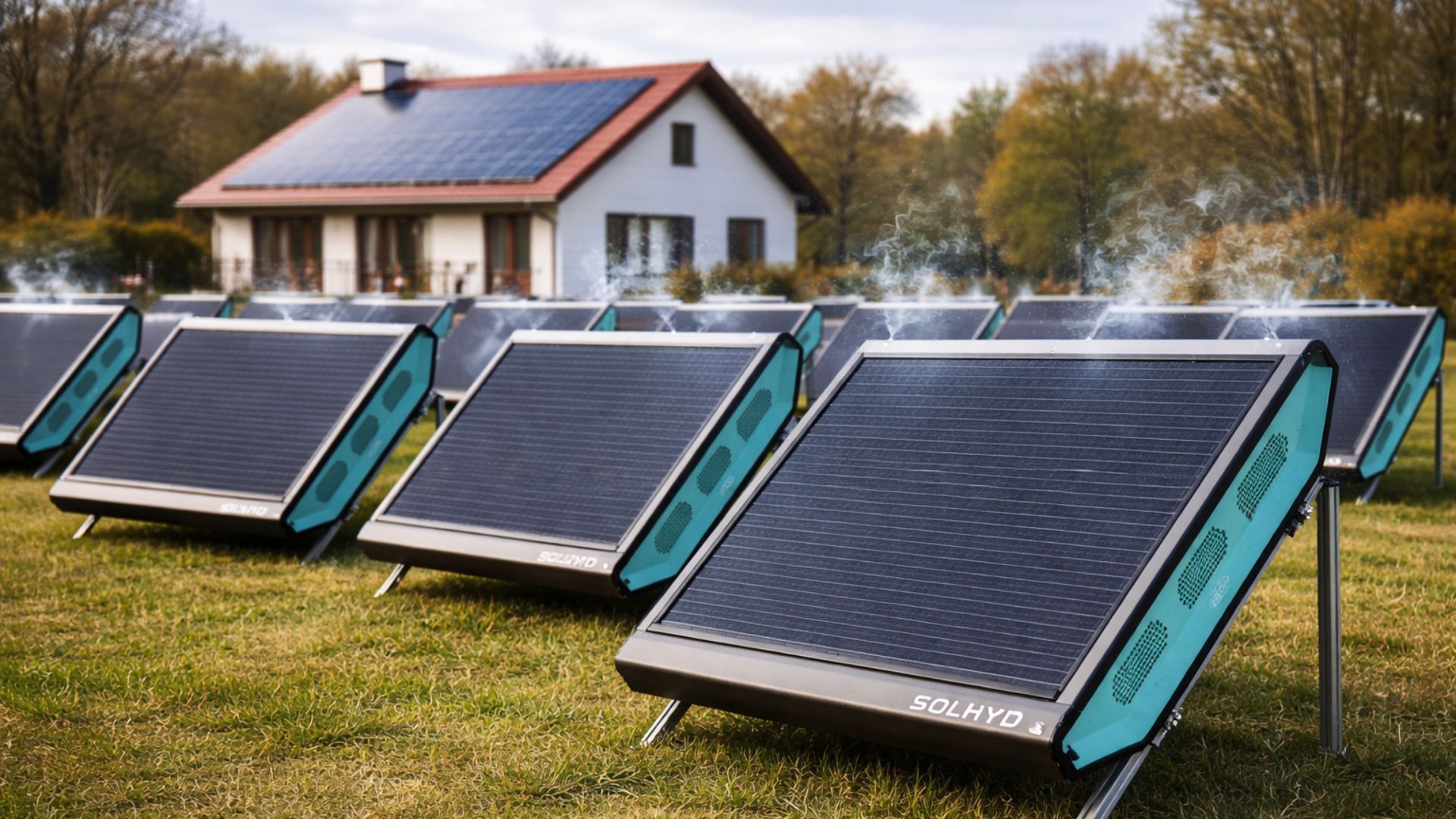
Green hydrogen at home: Belgium launches new technology that makes solar panels produce fuel from the moisture in the air, which could boost the energy transition.
-
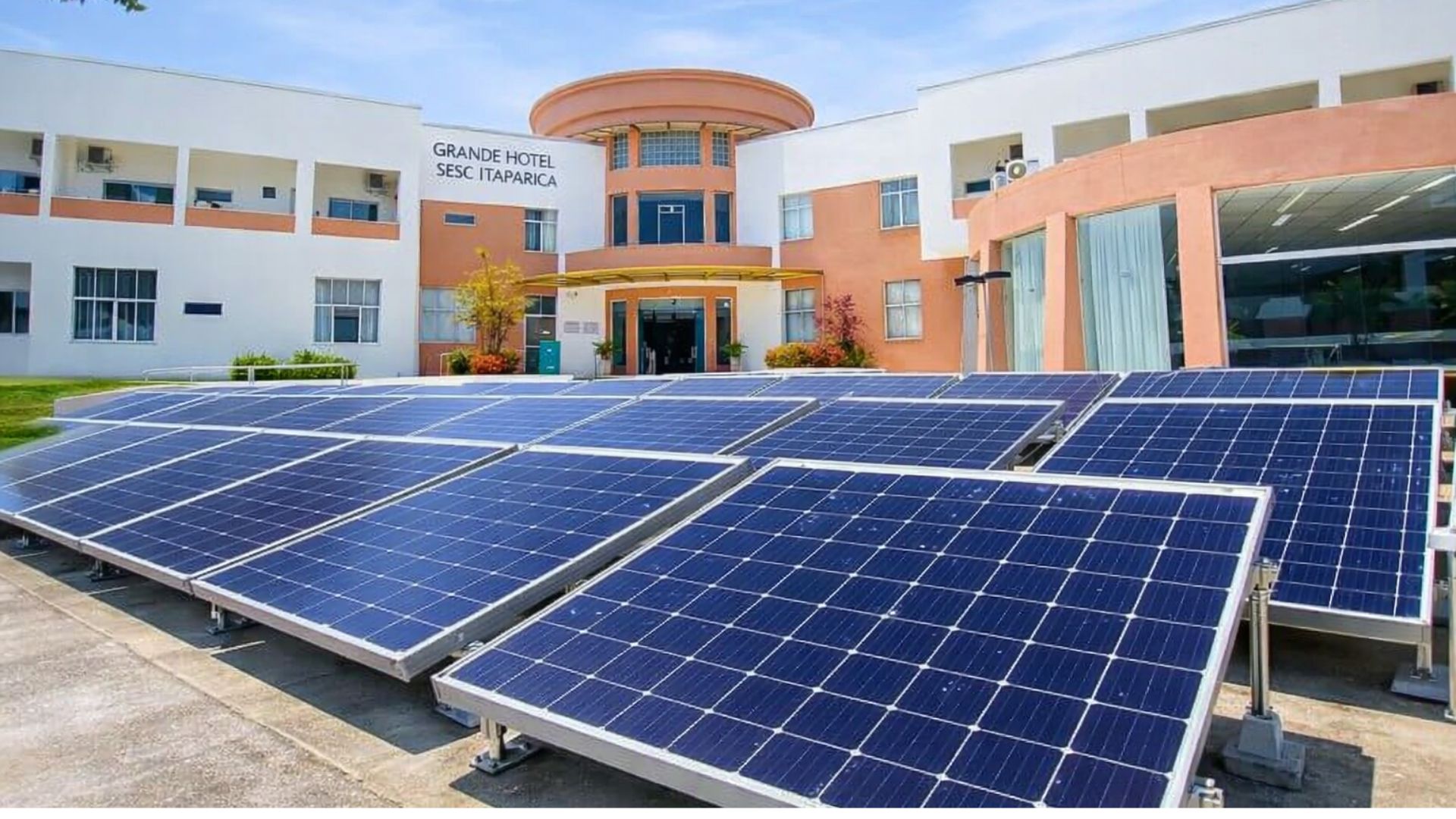
Sesc-BA bets on renewable energy with the support of EDP and drives the energy transition with a direct impact on cost reduction and the sustainability of its operations in Bahia.
-
Technology giant breaks global sustainability records: How Amazon’s leadership in renewable energy procurement transformed the global energy market in the past year.


Thus, with the new discovery by the scientists at York, it is possible to envision a new perspective that, in the near future, it will be possible to manufacture high-performance self-regenerating solar panels that can further expand the efficiency and viability of photovoltaic solar energy systems.
According to Professor Keith McKenna, leader of the team of scientists, the capability of self-regenerating solar panels, due to antimony selenide, is similar to that of a starfish or reptile that can recover its limbs after an accident.
Scientists Make New Discoveries in Solar Energy
According to Keith, the process by which the semiconductor material self-heals is quite similar to how a salamander can regenerate limbs when one is cut off. Antimony selenide repairs the broken bonds created, forming new ones.
This ability is as unusual in the world of materials as in the animal kingdom and has significant implications for the applications of these materials in optoelectronics and photochemistry. In addition to the self-regenerating solar panels discovered by the scientists of the Chinese Academy of Sciences, who developed a new type of solar energy cell made from perovskite, which can regenerate through a functional combination of polyvinylpyrrolidone, a water-soluble polymer made up of various polyvinylpyrrolidone chains.
In the end, all of these scientists’ studies on solar energy technologies aim to expand the use of what is the largest and safest source of clean energy available in the world, capable of contributing to the climate goals of countries and helping to combat global warming.
Bifacial Solar Panels Gain Attention
Bifacial photovoltaic solar panels are bringing several attributes, such as a unique aesthetic, compared to conventional panels, making them also a decorative solution, in addition to being sustainable. Conventional solar energy panels are white on the bottom.
Bifacial solar panels, on the other hand, are inverted, as their modules and filaments are exposed. According to designer Vinicius Latoch, this makes the panels not only functional but also adds a decorative touch to the enterprise, demonstrating the individual’s concern and attention towards the environment.
The installation of solar panels is performed similarly to conventional panels, with the components being mounted on metal structures or roofs, following a product tilt standard. All the sizing of the panels is done according to the consumption demands of the property, and only after this calculation are the costs for installation determined.
Source: The Green Post









Seja o primeiro a reagir!