Portuguese
  Spanish


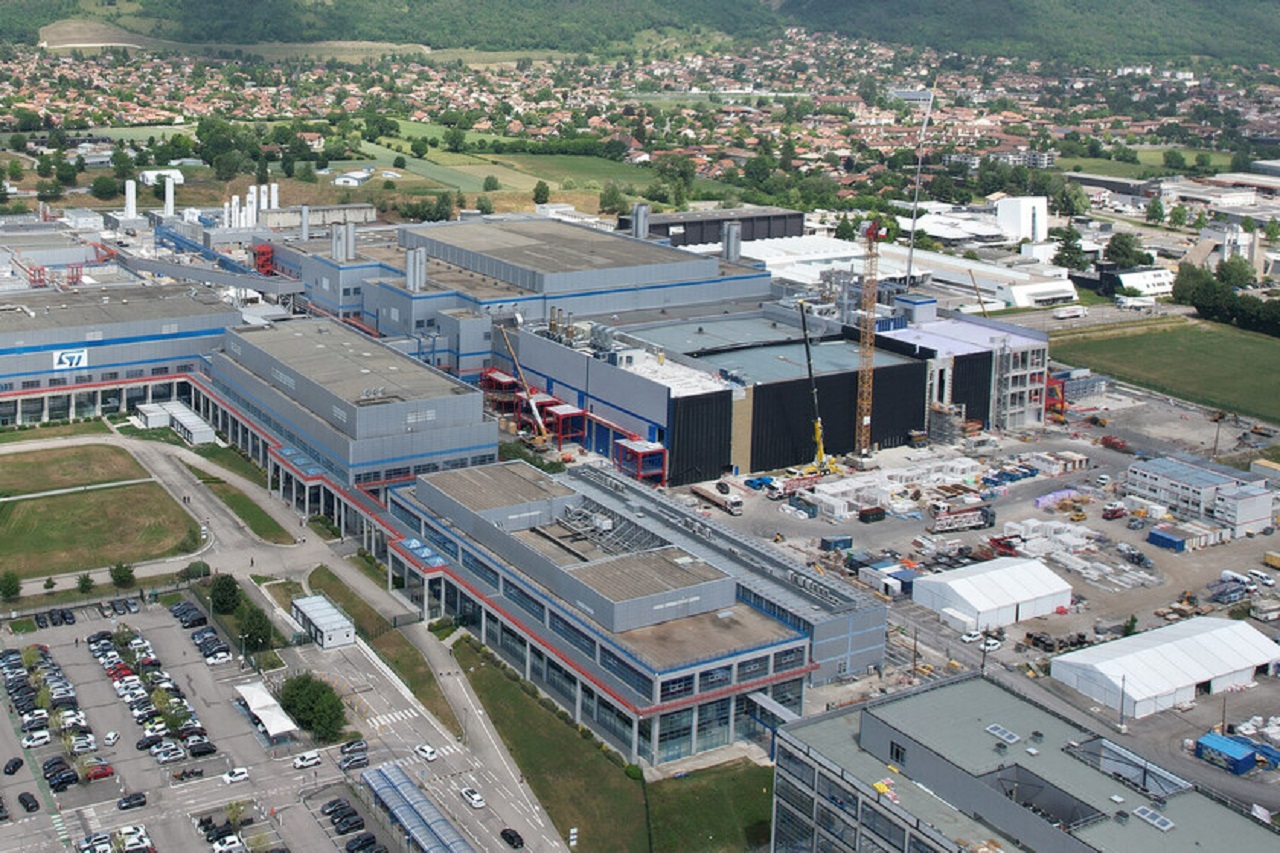

Multinationals Are Coming Together to Establish a New Chip Factory in France to Address the Semiconductor Shortage Impacting Thousands of Companies
The multinational GlobalFoundries and the Franco-Italian STMicroelectronics, one of the largest semiconductor companies in the world, are joining forces to build a new factory in France. With interest in the project and the aim of addressing the semiconductor shortage, the French government will provide subsidies for this undertaking.
New Semiconductor Factory by Multinationals Promises to Create Over 1,000 Jobs
Based in Crolles, in the southeast of the country, the facility is expected to be operated jointly by the two companies, while also receiving essential public financial support from France.
The investment from the multinationals and the government to address the semiconductor shortage is estimated to exceed US$ 5.7 billion, which in direct conversion is equivalent to R$ 30 billion. There are no details on how the investment amounts will be divided among the parties involved.
-
End of an era in Brazil: beloved sedan by Brazilians is discontinued despite having a 2.0 engine with 151 hp, CVT transmission, 466-liter trunk, and up to 650 km of range.

-
New Law Proposal in Brazil Could Heavily Penalize Drivers: Dangerous Overtaking May Become a Serious Offense with Fines Increased Tenfold and a 12-Month License Suspension; Update on 2026 Progress

-
Electric Revolution: Watts W125 Motorcycle Offers 160 km Range, 90 km/h Speed, and Affordable Price Starting at $3,000
-
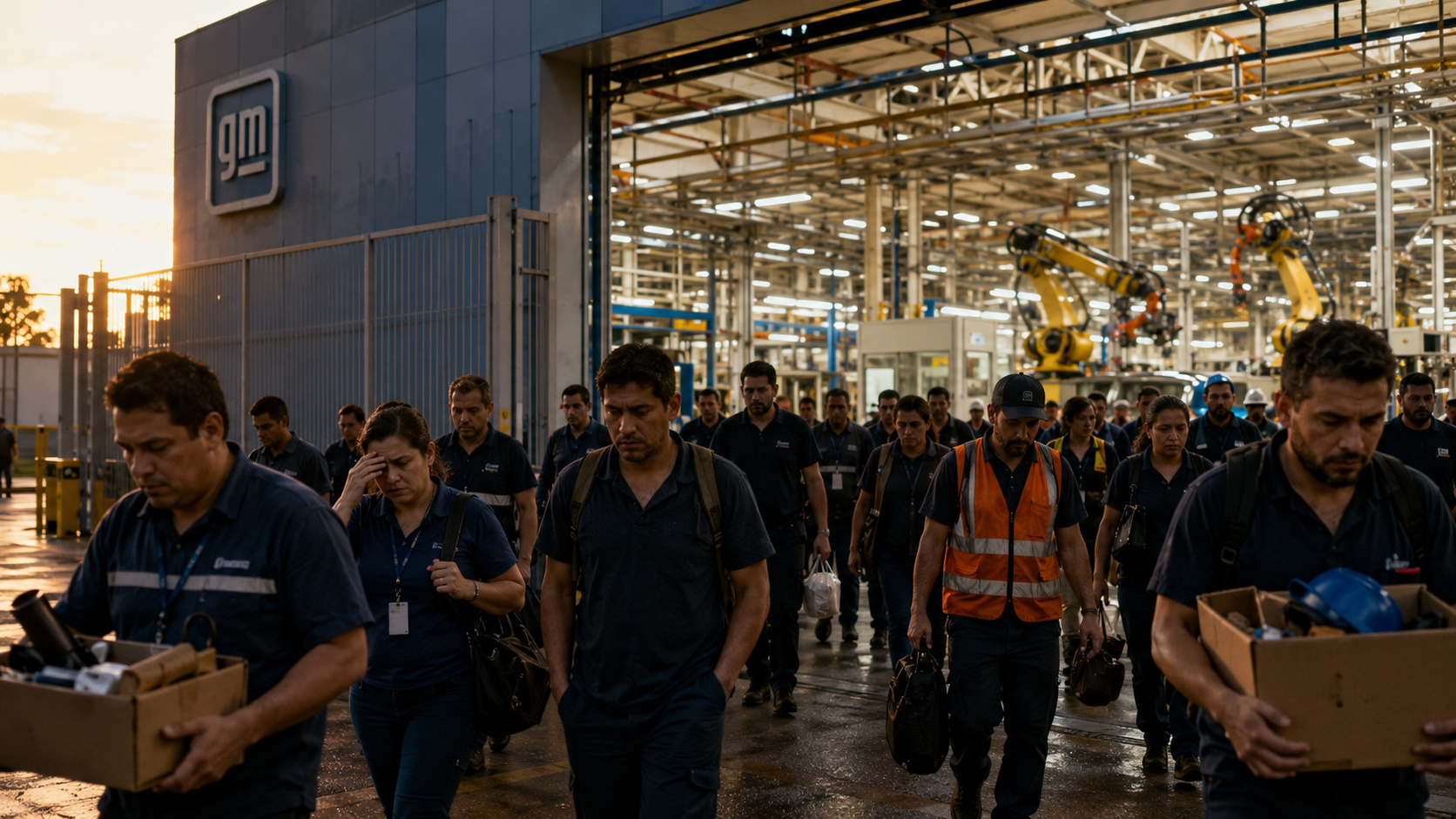
General Motors Replaces Over a Thousand Workers with 50 Cobots at Electric Vehicle Plant, UAW Union Criticizes Move Amid Industry’s Automation Push


The estimate is that the new semiconductor factory will be inaugurated by 2026, generating over 1,000 jobs, focusing its operations in the automotive, industrial, and communications sectors. The multinational unit also supports a European Union movement to become less dependent on other markets around the world, especially regarding technologies.
Government Is Seeking an Integrated Supply Chain
According to the CEO of GlobalFoundries, Thomas Caulfield, his company’s involvement in the new factory to alleviate the semiconductor shortage should contribute to the supply chain security for its clients, also making it clear that the support from the French government has been essential. This is in a scenario where several current chip manufacturers are based in East Asia.
The global shortage and the pandemic have also prompted state-level political measures aimed at achieving a more globally integrated supply chain. For example, as happened earlier this year when the European Union announced plans to invest approximately US$ 49 billion with the goal of boosting research and production of European chips.
Already in March, Intel announced its growth plan based on an investment of US$ 88 billion in Europe, focusing on advanced chip production in Germany.
The company is also building a new factory in Ohio, in the United States, stating that the pace and scope of these plans depend on how quickly Congress allocates around US$ 52 billion in funding to enhance chip production in the country, including in R&D.
Tesla Plans to Invest in a New Semiconductor Factory
The semiconductor chip crisis has impacted various multinationals, to the extent that even the multibillionaire Elon Musk, CEO of Tesla, has not escaped this problem.
Made of silicon or germanium, the use of semiconductors in factories is very important due to their electrical conductivity between insulators and conductors, which is essential for the operation of vehicles, phones, computers, and mobile devices.
In a meeting with the Minister of Communications, Fábio Faria, in November of last year, Elon Musk stated that to escape the ongoing microchip crisis worldwide, there may be no choice but to invest in a new semiconductor factory. Brazil would be one of the likely countries to receive Elon Musk’s investment.
The topic arose after the minister proposed the construction of a new Tesla factory in Brazil and also mentioned that he wishes to transform the country into an important chip producer, as it was up until the 1980s.