Portuguese
  Spanish


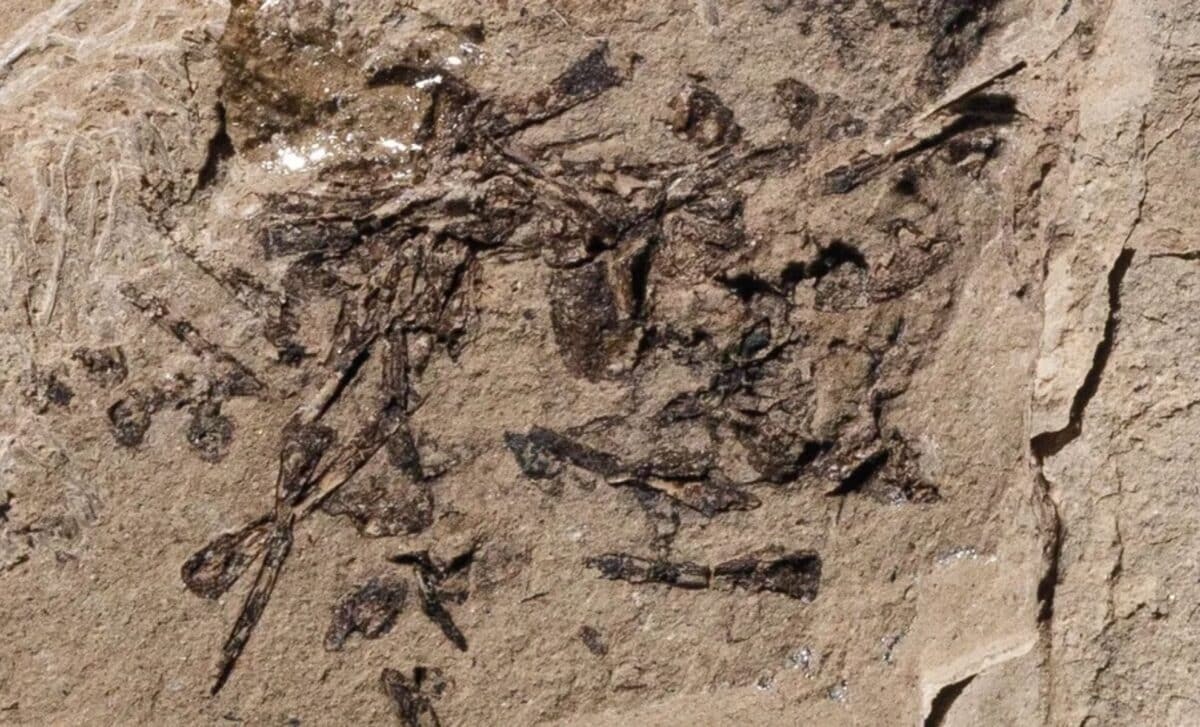

Fossilized Vomit With 50 Million Years Found In The Morrison Formation In Utah Contains Frog And Salamander Bones And Records Direct Interaction Between Predators And Prey In An Exceptionally Preserved Ancient Ecosystem
Paleontologists have identified in Utah a fossilized vomit with about 50 million years, containing amphibian bones, a rare find in the Morrison Formation that expands direct evidence of ancient food chains and preserved defensive behaviors.
Paleontologists working in the state of Utah announced the identification of a pile of fossilized vomit that is 50 million years old, preserved in the Morrison Formation, an area globally known for fossils associated with the Jurassic period.
The analyzed material contains remains of prehistoric amphibians, such as frogs and salamanders, indicating that these species inhabited freshwater environments in the region in the geological past recorded by the deposit.
-
She spent 73 years breathing inside an iron lung, survived the aftereffects of polio, and became the last woman in the United States dependent on the equipment before dying at 78 years old.

-
Brazilian students created a $1 filter using pine bark, cotton, and 3D-printed parts to clean cassava wastewater, reduce the toxicity of a hazardous waste, and transform contaminated water into biofertilizer.

-
Astronaut from Artemis II steps down after mission to the Moon and decision surprises after a record of 406,771 km, a historic 10-day journey, and an unprecedented achievement for Canada.

-
A fossil kept for years in a small museum in Montreal concealed 450-million-year-old soft tissue, a discovery that has only happened once before in history.


According to the researchers, the fossilized vomit provides direct evidence of ancient dietary relationships, allowing for uncommon observations of interactions between predators and prey in the traditional fossil record, which is usually limited to scattered bones.
Rare Find In A Site Known For Plants And Dinosaurs
The Morrison Formation extends across areas of the western United States and is historically associated with dinosaur and plant fossils, making the concentrated presence of small vertebrate bones an exceptional event.
James Kirkland, a paleontologist and co-author of the study, stated that he was particularly excited about the find, highlighting the rarity of sites with Upper Jurassic plants preserved alongside direct evidence of associated fauna.
According to Kirkland, the team now plans to carefully dissect the site, looking to identify other smaller traces preserved among the fossilized foliage, which may enhance the environmental understanding of the site.
John Foster, another co-author of the study, explained that animal remains are typically not found at this specific point in the Morrison Formation, only plants, making the observed bone concentration unprecedented for the area.
Foster emphasized that the bones were not scattered among the rocks but gathered in a single point, representing the first records of this type ever documented in that sector of the geological deposit.
Indications Of Defensive Behavior In Ancient Fish
The study, published in the journal Palaios, indicates that the vomit was likely expelled by a boar fish, a species known to regurgitate food as a defensive strategy against predators.
The regurgitated content includes remains of frogs and salamanders, suggesting that these amphibians served as regular prey, forming a food chain similar to those observed in current ecosystems.
Foster, who also runs the natural history museum of Utah State Park, stated that three animals involved in this interaction still exist today, demonstrating continuity in ecological patterns over geological time.
The predator-prey dynamics recorded in this fossilized vomit concludes the find by providing a rare preserved portrait of ancient biological interactions, complementing data obtained from isolated fossils and sedimentary layers.