





 Portuguese
  English
  Spanish
  3 min of reading
  0 comments


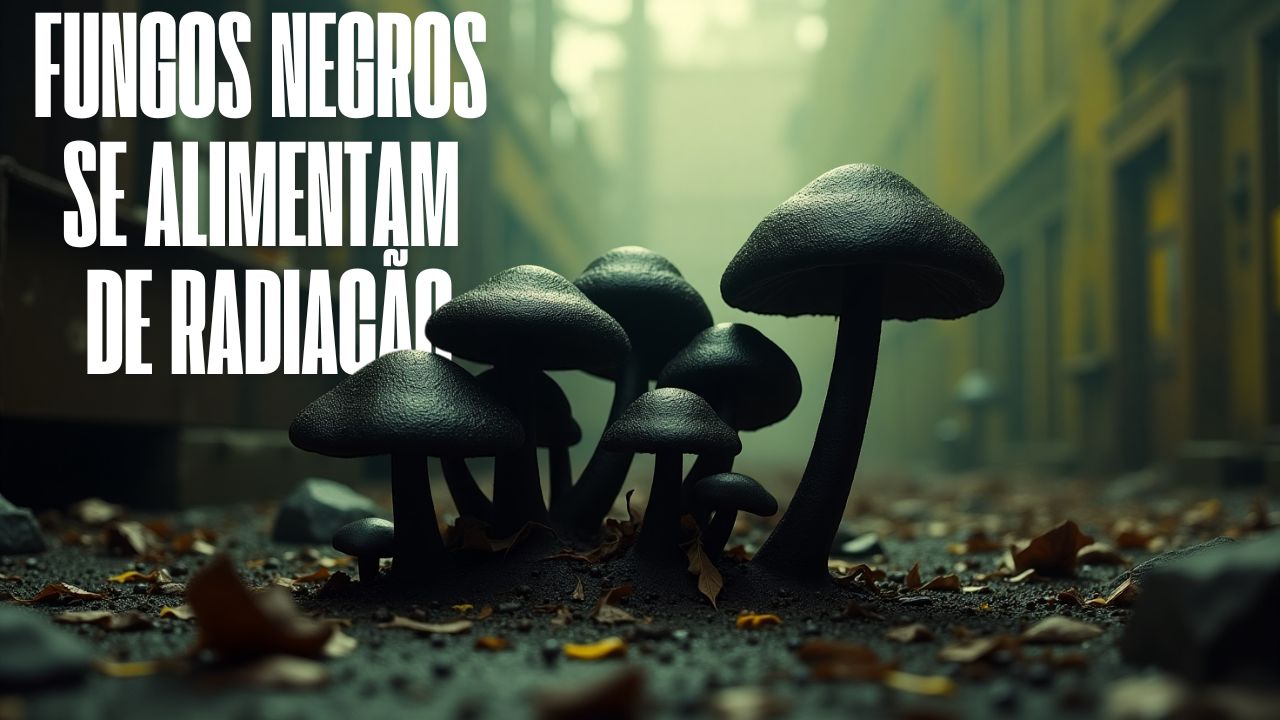
At The End Of The 80s, Ukrainian Scientists Made An Intriguing Discovery In The Wreckage Of Reactor 4 Of The Chernobyl Nuclear Power Plant: A Black Fungus Similar To Mold Was Growing In The Location, Even With The Extremely High Levels Of Radiation. More Surprisingly, It Not Only Survived, But Seemed To Grow And Thrive In This Extreme Environment.
After Analyses, The Researchers Realized That These Black Fungi Were Not Just Resisting Radiation — They Were Absorbing And Feeding On It, In A Process Called Radiotropism.
This Discovery Opened New Perspectives For Science, Raising Questions About How Certain Organisms Can Adapt To Hostile Environments And Even Transform Radiation Into Energy To Grow.
The Discovery Of Black Fungi In Chernobyl
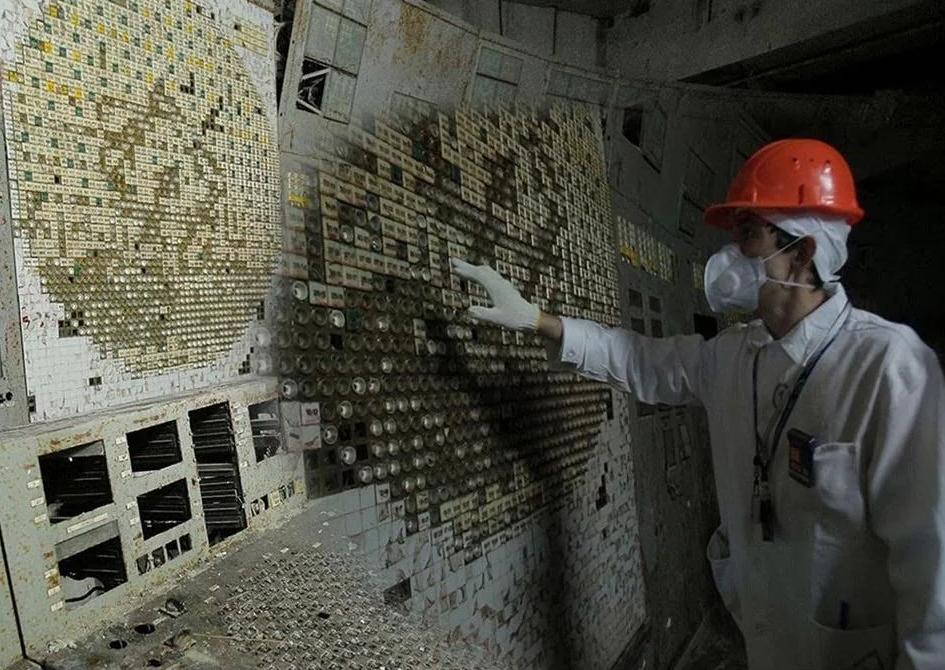
The Explosion Of Reactor Number 4 Of The Chernobyl Nuclear Power Plant, In Ukraine, On April 26, 1986, Was The Worst Nuclear Disaster In Human History. The Tragedy Resulted In The Release Of Enormous Quantities Of Radiation, Creating A 30-Kilometer Exclusion Zone Around The Plant.
-
Expedition 501: Scientists drill into the ocean floor and discover a giant reserve of fresh water hidden beneath the sea, extracting nearly 50,000 liters and revealing an invisible system that could reshape the map of water scarcity.

-
Archaeologists find an intact tomb over 2,500 years old, with more than 100 preserved objects, weapons, jewelry, and human remains never touched.
-
Volcanic lava transforms into threads as fine as human hair that travel over 30 kilometers by wind and fall like cutting rain on roofs and backyards in Hawaii and Iceland.

-
NASA issues a warning for the feared Godzilla El Niño that could change the planet’s climate in 2026 with extreme warming of the Pacific capable of causing devastating droughts in some regions and historic floods in others simultaneously.


Decades After The Accident, Radiation Levels Are Still Extremely High, Making The Location Uninhabitable For Most Forms Of Life. Vegetation, Animals, And Humans Have Been Essentially Banned From The Region, But Some Forms Of Life Have Managed To Endure — Among Them, The Black Fungi.
How The Scientists Found These Fungi
Ukrainian Scientists Noted The Presence Of Black Fungi For The First Time While Investigating The Wreckage Of Reactor 4. They Observed That This Dark Mold Was Growing In Areas Highly Contaminated By Radiation, Which Seemed To Contradict Everything Known About Fungal Biology.
After Detailed Studies, It Was Found That These Microorganisms Were Not Only Tolerating Radiation, But Seemed To Be Attracted To It. This Led To The Discovery Of A Rare And Fascinating Biological Mechanism: The Ability Of Black Fungi To Use Radiation As An Energy Source.
What Makes Black Fungi Special
The Black Fungi Of Chernobyl Are Known As Radiotrophic, Which Means They Actively Seek Out Areas With High Radiation To Develop. This Behavior Is Similar To That Of Plants That Grow Towards Sunlight To Perform Photosynthesis.
The Scientists Noticed That These Black Fungi Not Only Survived Extreme Radiation, But Also Grew Faster When Exposed To It. This Suggested That They Were, In Some Way, Harnessing This Energy To Power Their Metabolism.
The Role Of Melanin In Radiation Absorption
The Key To This Unique Ability Is Melanin, The Same Pigment That Darkens Human Skin And Helps Protect It From Ultraviolet Radiation. In Black Fungi, Melanin Functions In An Even More Impressive Way: It Acts As A Shield Against Radiation And At The Same Time Converts This Energy Into Something Useful For The Organism.
This Energy Conversion Process Is Similar To Plant Photosynthesis, Except That Instead Of Sunlight, The Black Fungi Use Radiation. This Rare Phenomenon Opens Doors For Studies On Possible Applications Of This Mechanism In Various Areas Of Science.
The Relationship Between Black Fungi And Photosynthesis
Studies Indicate That Melanin In Black Fungi Acts As An Energy Transducer, Capturing And Transforming Ionizing Radiation Into A Type Of Chemical Energy That Aids Cell Growth. This Process Is Not Yet Fully Understood, But It Is Believed That It Has A Role Similar To That Of Chlorophyll In Plants.
If This Energy Conversion Is Better Understood, It Could Open New Possibilities For Research In Biotechnology, Including Ways To Utilize Black Fungi To Absorb Radiation In Contaminated Environments.









-

-

4 pessoas reagiram a isso.