





 Portuguese
  English
  Spanish
  3 min of reading


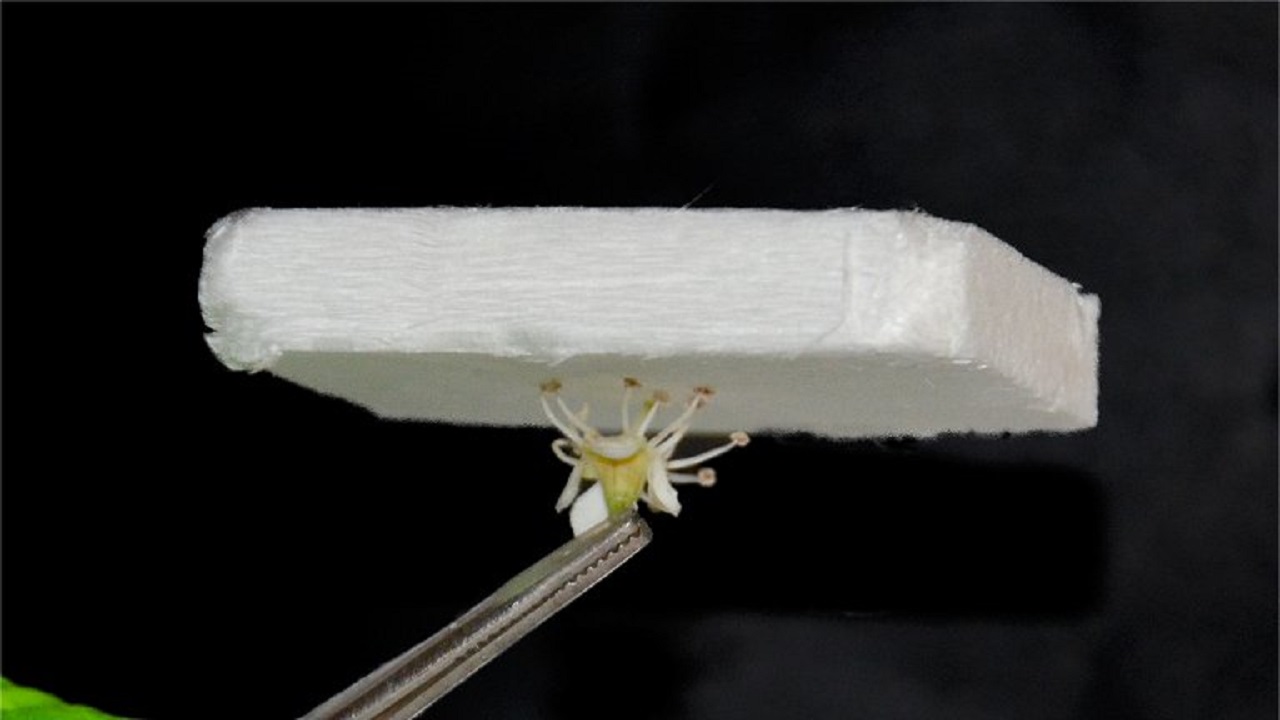
Promising To Be A Possible And Ideal Substitute For Petrochemical-Based Materials, New Thermal Insulation Made From Wood May Be A Solution For Civil Construction In The Effort To Develop More Sustainable Buildings.
The civil construction sector can already prepare to build much more energy-efficient buildings and also environmentally more sustainable. Scientists are using a thermally insulating material developed from wood, free from petroleum derivatives.
New Thermal Insulation Made From Wood, Developed By Scientists, Can Help Civil Construction In The Development Of More Sustainable Buildings
Developed by scientists in Sweden, the new thermal insulation surprised with its performance, being as good as or much better than common thermal insulation materials made from petroleum, such as expanded polystyrene.
The thermal insulation developed by Swedish scientists is made with wood integrated into an aerogel. However, despite seeming new, the wood cellulose aerogel is not actually a novelty, as scientists have been advancing in research and the development of new gels and other compounds, conducting various tests with several applications, including transparent wood, which has already become famous.
-
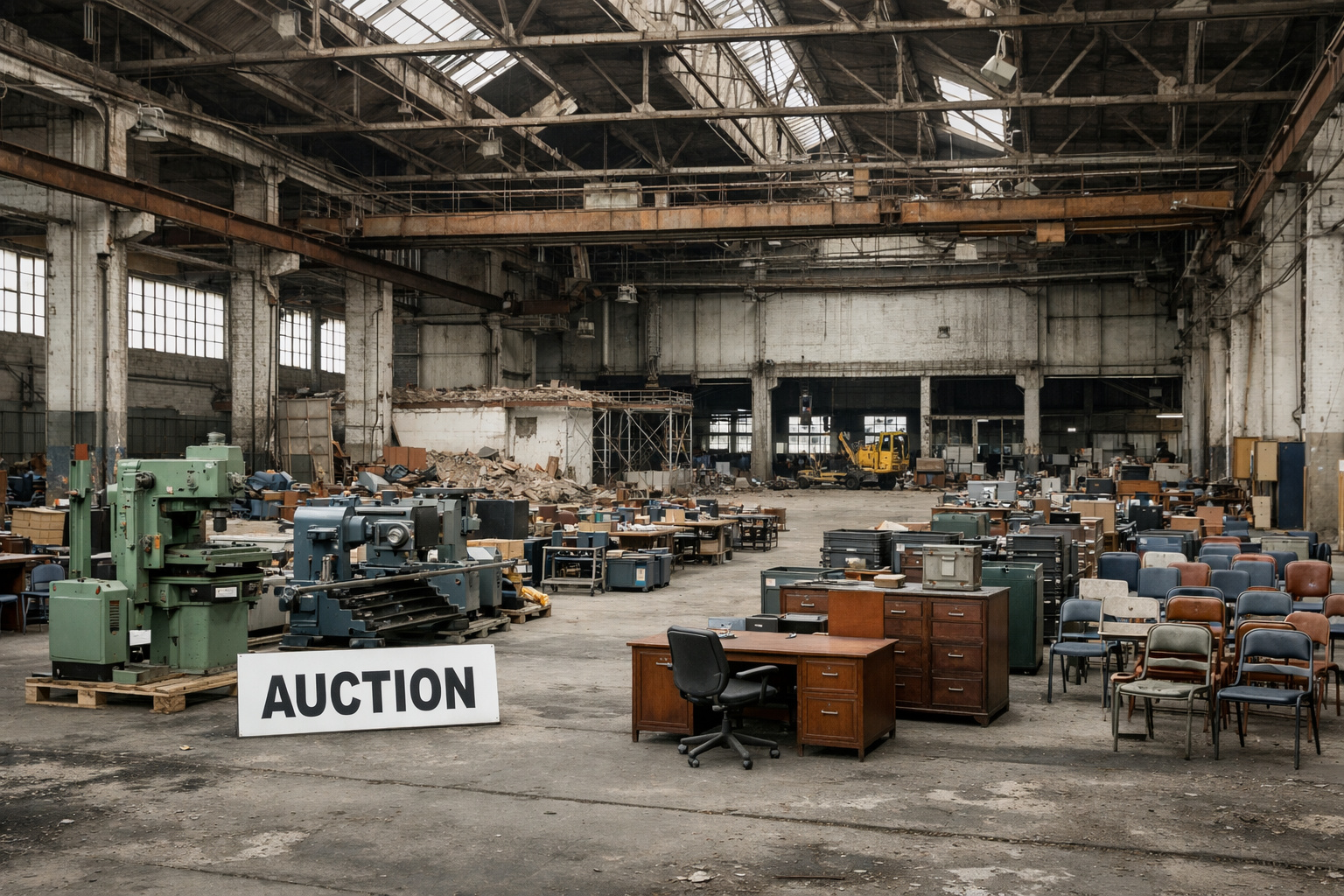
Historic bankruptcy of Centauro shocks the market, and the century-old company puts more than 500,000 products, machines, and complete infrastructure up for online auction.
-
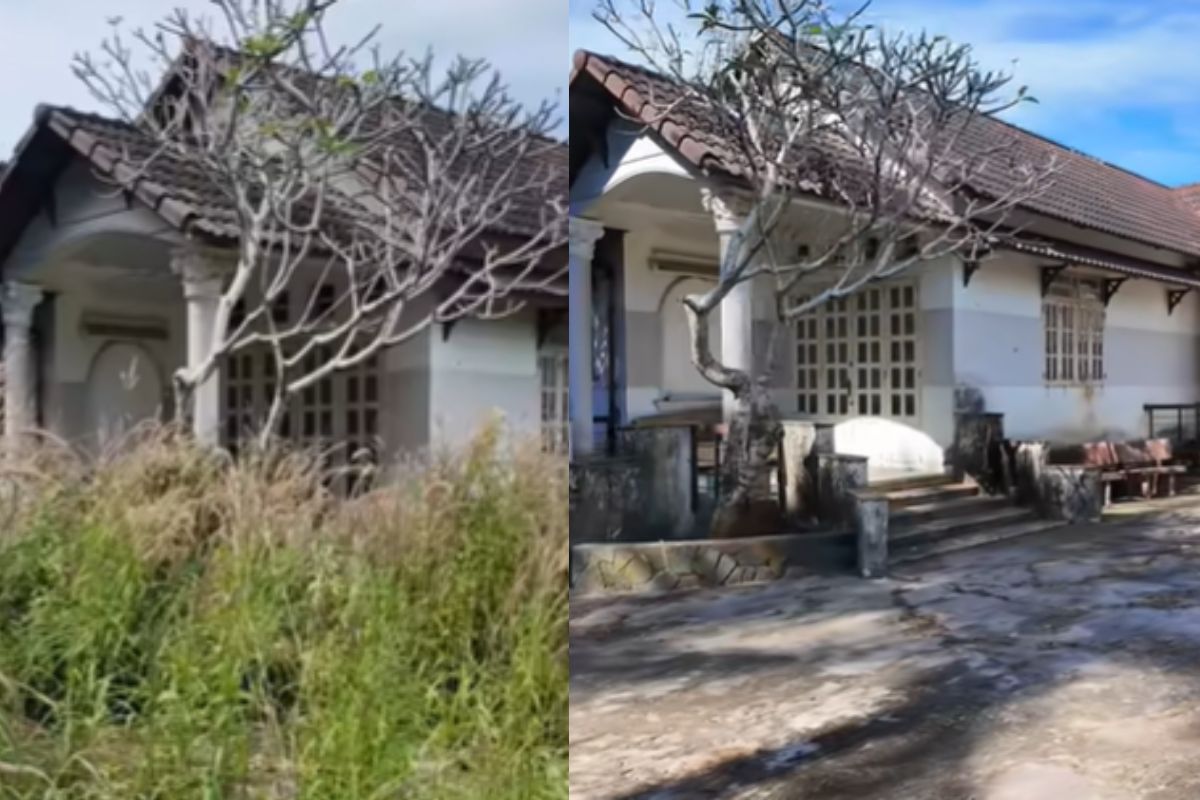
Abandoned house for 15 years disappears in the woods, shocks owner with unrecognizable scenery and is reborn in an intense transformation after almost 90 hours of work in just 10 days.
-
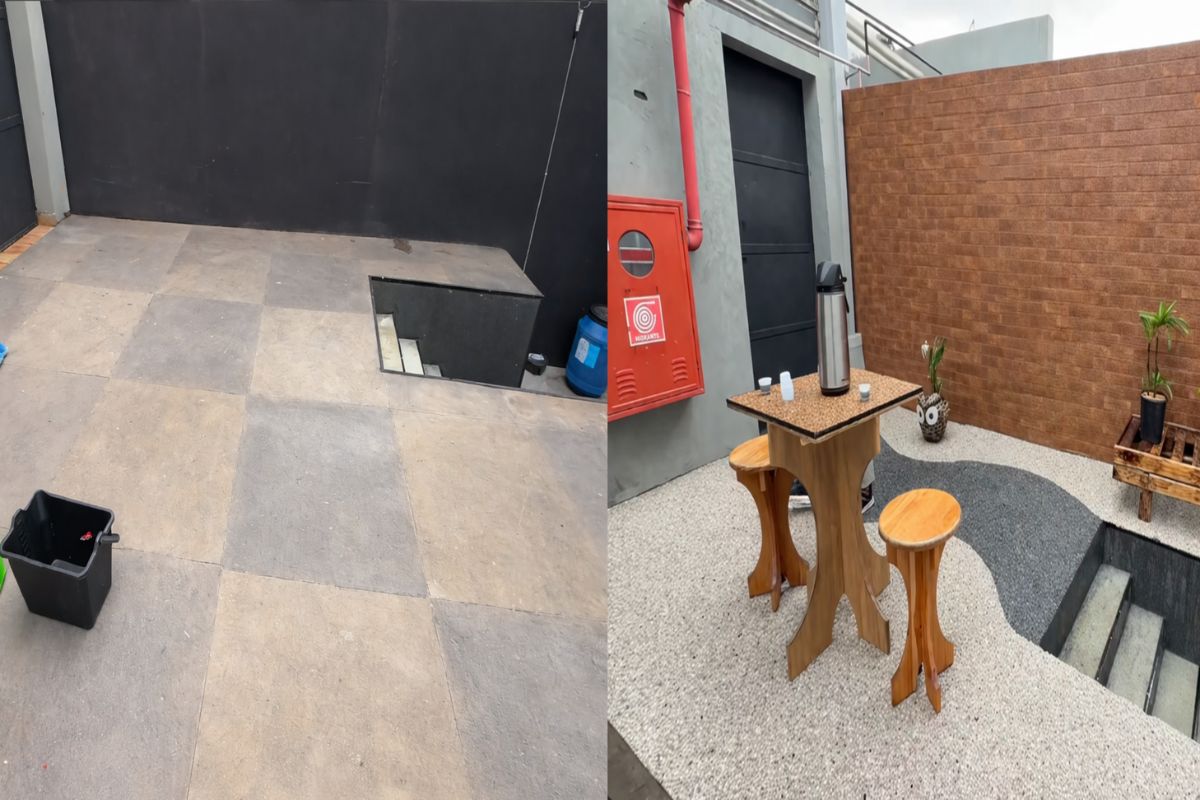
In just three hours, a natural stone floor transforms the entrance of the house with an organic effect, immediate drainage, and a sophisticated non-slip finish that doesn’t puddle water, dries quickly, and impresses with the final result.
-
‘Interlocking brick’ made of earth arrives in the construction industry with cost reductions of up to 40% on the project.

However, the team of scientists does not yet guarantee that their new method can indeed represent an advancement in the controlled creation process of thermally insulating nanostructures in the wood pores, for now, doing so without the need to add other substances.
Surpassing Other Petrochemical-Based Materials, Thermal Insulation Made From Wood And Aerogel Can Replace Other Less Sustainable Types Of Insulation
According to Professor Yuanyuan Li from the Royal Institute of Technology, strong biological-based aerogels could be used to replace current fossil-based aerogels for super thermal insulation, something that could contribute to energy efficiency, bioeconomy, and primarily for the sustainable development of society as a whole.
Indeed, civil construction may invest in these thermal insulators in the future as a way to assist in forming a sustainable society. The thermal insulation of buildings, due to energy savings with air conditioning, is not the only potential use for wood aerogel, as its unique structure allows for new, more advanced materials to be created for energy storage, conversion, and even tissue engineering.
Professor Yuanyuan Li also gave the example of packaging, where plastic foam, like polystyrene, helps to prevent heat transfer between items and the surrounding environment, as a way to keep goods fresh during transport/storage. However, the in situ formation of nanofibril networks in the internal spaces of the wood could result in wood with high thermal insulation.
Manufacturing Process Of The Thermal Insulation
The process begins with the delignification of the wood, meaning the removal of lignin, which is the component that gives color and strength to the wood, leaving only the pores or the empty cavities. The next step is to reduce the thermal conductivity of the material by invading the large empty pores to generate more nanopores within them.
These nanoporous structures are only created when there is a partial dissolution of the cell walls, followed by controlled precipitation. To do this, an ionic liquid mixture is made to partially dissolve the cell wall moments before adding water, generating networks of nanofibrils, turning the cavity nanoporous.
Professor Li also states that her team of scientists has achieved a high and significant level of control over the precipitation process, meaning they can create the precise level of nanoporousness for the insulator to reach the ideal thermal conductivity.










Seja o primeiro a reagir!