





 Portuguese
  English
  Spanish
  3 min of reading


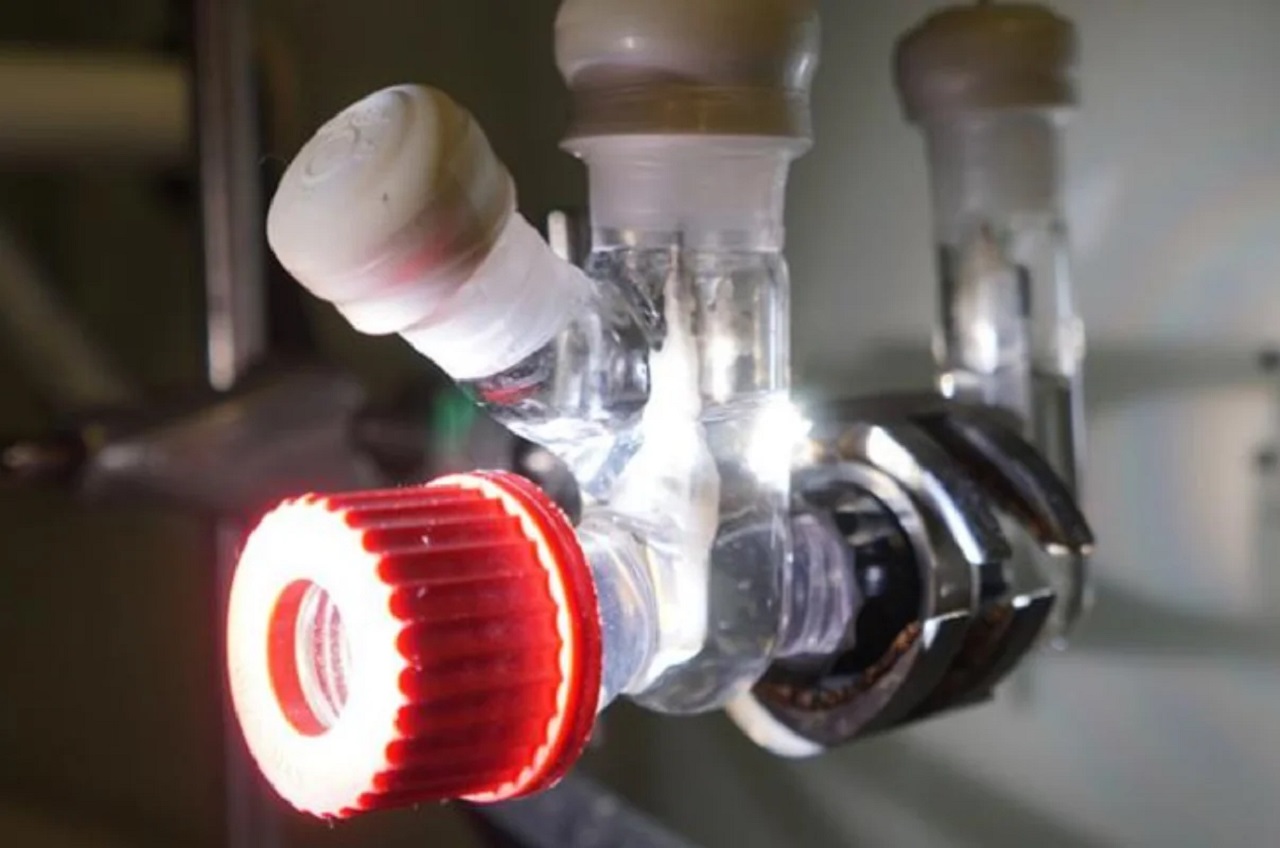
Cambridge University Scientists Develop Reactor That Uses Solar Energy to Recycle CO₂ and Plastic Waste. The New Solar Reactor Has the Capacity to Generate 100 Times More Than Other Models, as It Uses Perovskite.
Human-made productions that create the most problems for the environment are greenhouse gases and plastic waste. However, scientists have developed a method capable of recycling both using solar energy. In a study recently published in the scientific journal Nature Synthesis, researchers from Cambridge University in the United Kingdom report that they have developed a solar reactor that transforms these materials into various useful chemical products.
Solar Energy Reactor Produces Up to 100 Times More Than Other Reactors
Scientists have already created machines that transform materials into fuels, oils, and other chemical products. However, the new research has successfully developed the first reactor that can perform the simultaneous transformation of CO2 and plastic waste.
The scientists use materials in different compartments that, through a copper-palladium catalyst, transform these materials into something more useful. To activate the catalyst of the solar reactor, energy captured by sunlight was used, which transformed PET bottles into glycolic acid and CO2 into carbon monoxide, components highly utilized in various industries.
-
Scientists use artificial intelligence to create nearly indestructible steel that does not rust and could change the way industrial energy and oil parts are produced.
-
Instead of buying new electric trucks, India is removing the diesel engines from old vehicles and installing electric propulsion for 40% of the price, and this simple idea could be the solution that polluted megacities around the world have been waiting for.

-
Circles in the Sahara plantations: ISS reveals Sharq El Owainat, in Egypt, irrigated by a center pivot with water from the Nubian Sandstone Aquifer, growing between 1998 and 2019, 290 km from the nearest city.

-
40% still call it a fraud: Soviets monitored Apollo, mirrors on the Moon still return lasers today and rocks confirm it; in 2026, 4 astronauts will return to lunar orbit and the race restarts against China.

The solar energy reactor is highly efficient and has the capacity to produce up to 100 times more than other solar energy-based reactors. According to one of the study’s authors, Motiar Rahaman, typically the transformation of CO2 requires a lot of energy. However, with the system developed by the scientists, basically, it only requires turning on a light and the reactor begins to convert all harmful products into something useful and sustainable. Before this system, there was nothing that could do it so efficiently.
Reactor Was Developed with Perovskite Solar Cells
Subhajit Bhattacharjee, another author of the study, states that the system is special due to its versatility and ability to adapt. He mentions that the idea of the project was to create a device that could be used in the future, making it possible to change the catalyst to generate other more complex products.
According to Erwin Reisner, senior author of the study and professor in the chemistry department at Cambridge University, transforming waste into something useful using solar energy is one of the main missions of the scientists’ research. Reisner adds that plastic pollution is a major problem worldwide and, many times, various plastics that humans throw in the trash are incinerated or end up in landfills.
The reactor was produced with solar cells that use perovskite, which has proven to be one of the best alternatives for the solar energy sector.
Brazil Begins Construction of Plant That Transforms Waste into Electricity
Brazil is moving towards sustainability, and proof of this is that in September of last year, São Paulo started construction of the first plant that transforms waste into electricity, with an estimated inauguration at the end of next year.
The project, which will bring the country closer to sustainability, will be installed in the city of Palmital, approximately 400 km from the capital, and will integrate 13 other municipalities in the region. Waste will be collected from 150,000 households, resulting in the generation of 144 MW per day, enough to meet the energy needs of nearly 30,000 homes annually.
Undoubtedly, the main advantage of the project is the reduction of waste and a lower electricity bill for consumers in the municipalities. According to the Intermunicipal Consortium of the Paranapanema Valley (CIVAP), responsible for the project, the construction of the facility will prevent the disposal of nearly 94,000 tons of waste per year in landfills.









Seja o primeiro a reagir!