






 Portuguese
  Spanish


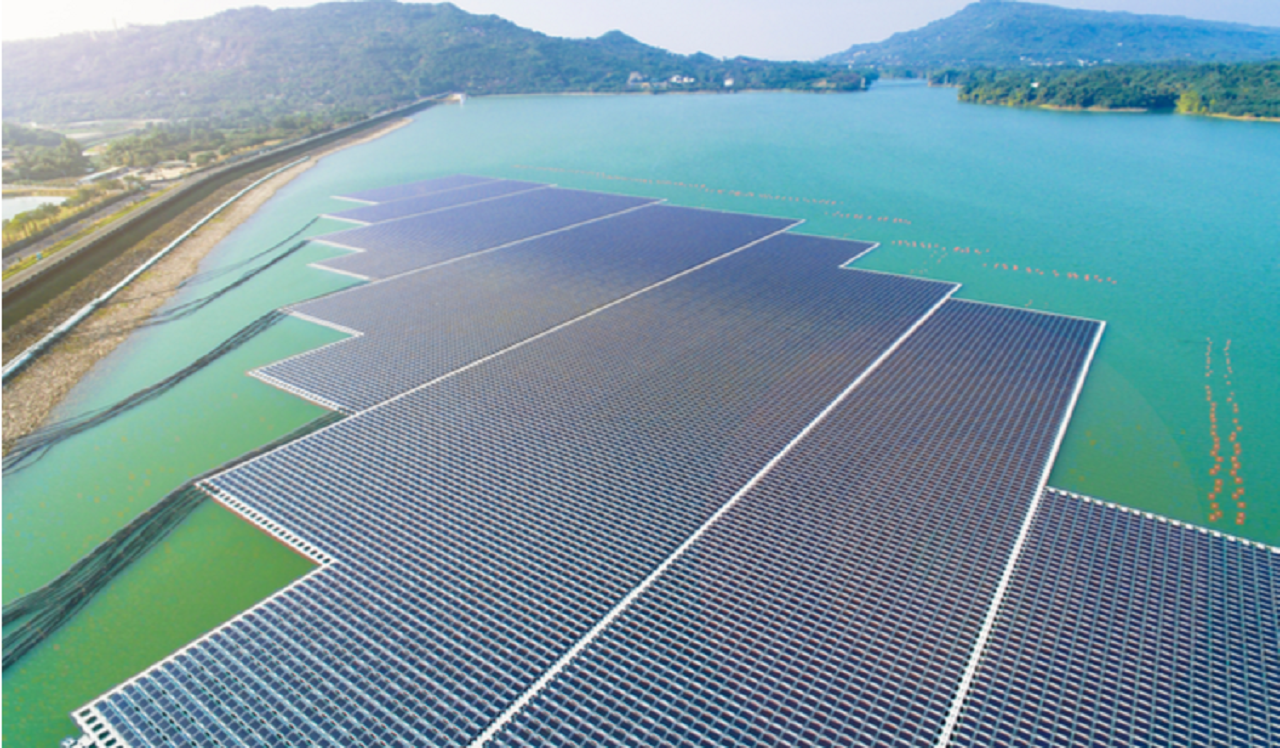

Iberdrola Plans To Install Its First Floating Solar Power Plant In Brazil. The Unit Will Be In Fernando de Noronha And Will Receive Investments Of 2 Million Euros.
The Iberdrola announced on Thursday (5) that Brazil is the chosen country to install its first offshore solar power plant, a relatively new technology that still accounts for a small percentage of the energy generated by this renewable source. The project from the Spanish energy company will be installed at Açude Xaréu, in Fernando de Noronha.
Iberdrola Invests 2 Million Euros In The Floating Solar Plant
The venture will have a capacity of 0.63 MW and is expected to generate about 1,240 megawatt-hours (MWh) per year, with investments of 2 million euros from Iberdrola. This amount would be sufficient to cover more than half of the energy consumed by Compesa in Fernando de Noronha.
The first floating solar plant in the country was installed at the Sobradinho hydroelectric plant in Bahia about 4 years ago. The initiative is part of a research and development project by the Companhia Hidrelétrica do Rio São Francisco (Chesf), a subsidiary of Eletrobrás.
-
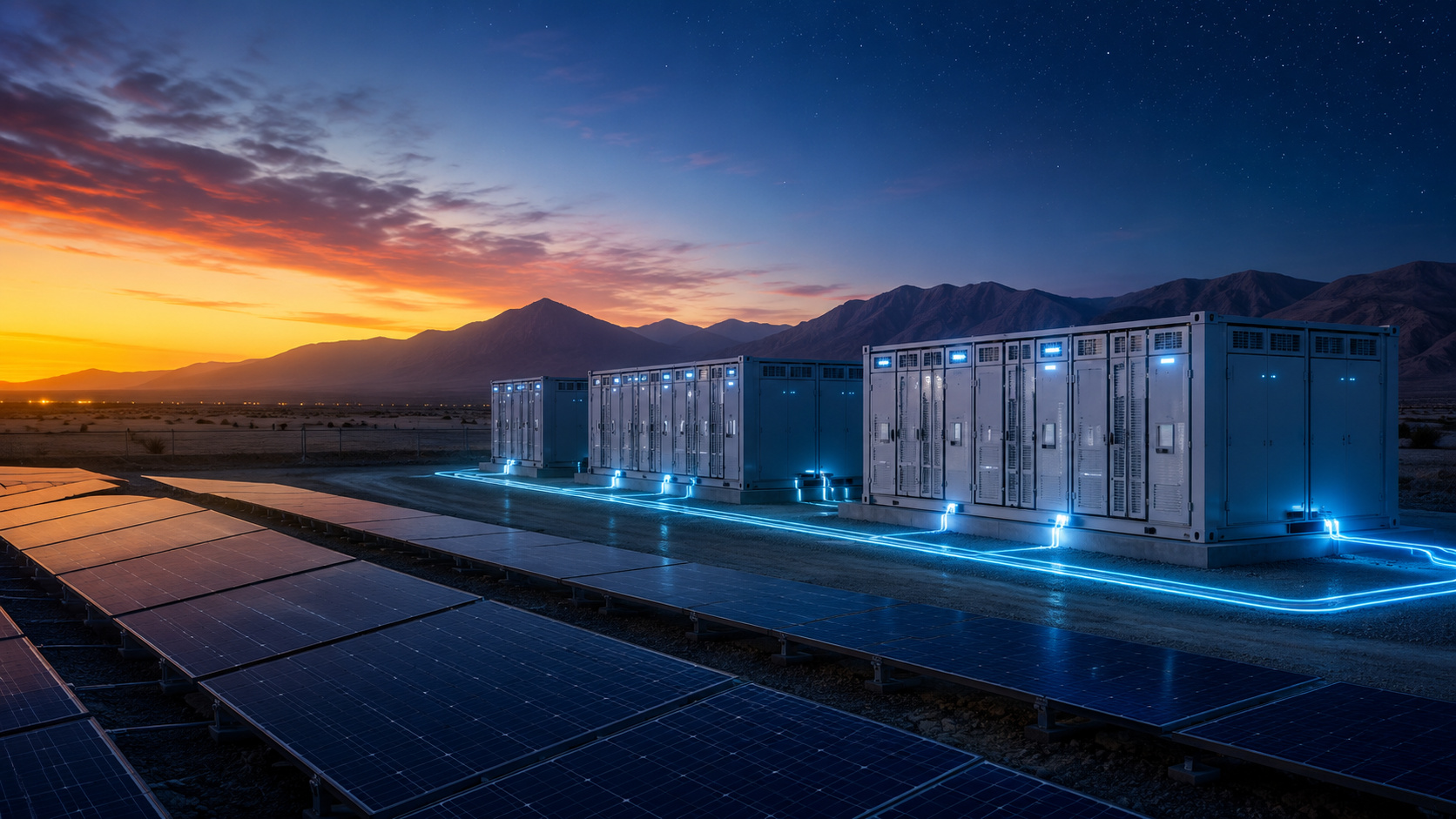
Giant Batteries Take Center Stage in Chile Auction as Company Offers 960 GWh of Solar Energy for Nighttime Use, Aiming to Stabilize Solar Power Supply

-
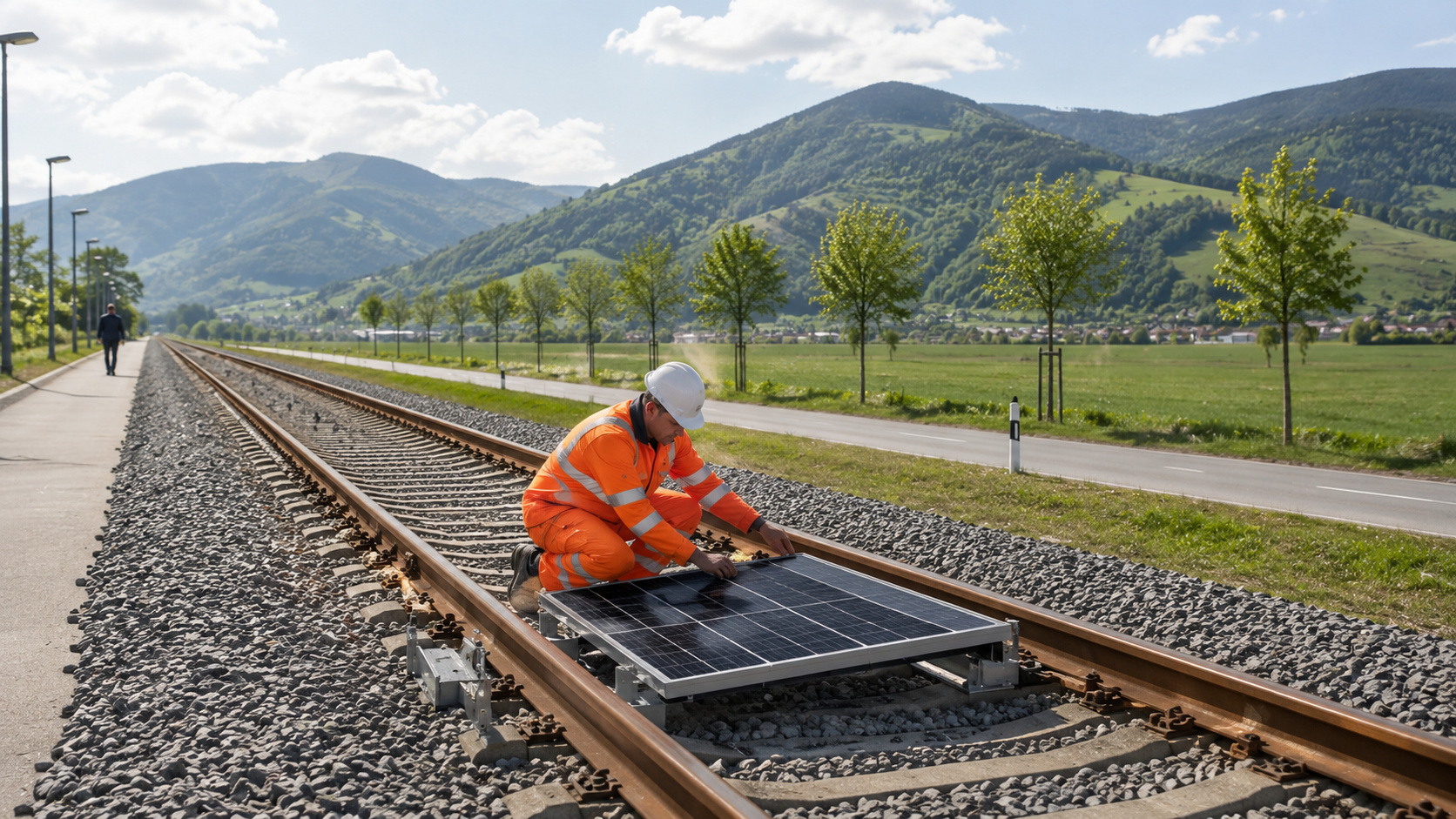
After a Year of Success in Switzerland, Solar Railway Attracts Italy’s Interest for Clean Energy Transformation
-
Robots Clean Solar Panels in Desert Power Plants Without Water, Preventing Energy Losses
-
Brazil’s Offshore Wind Energy Potential Worth $1 Trillion Stalled by Long-Delayed Agreement



The same company also has projects in Boa Esperança (PI). The Empresa Metropolitana de Águas e Energia (EMAE) is working on a pilot project at Billings Reservoir in the metropolitan area of São Paulo.
The World Bank estimates that there is a potential of 400 GW for floating solar power plants, which would allow for a doubling of solar installations compared to the levels of 2018. The technology, however, still lacks a history of successful land installations. In addition to the higher initial cost, the maintenance of these plants is also more complex, and there are some impacts on water quality and biodiversity.
Advantages Of Iberdrola’s Floating Solar Plant
It is important to mention that the company’s project will have the partnership of the Companhia Pernambucana de Saneamento (Compesa), which operates the water and sewage distribution network throughout the island. One of the advantages of having solar energy panels installed on water is the availability of land for other uses, as photovoltaic solar panel farms tend to occupy large areas.
The archipelago has only 26 square kilometers, with 70% of this area associated with a national park, which is protected. It is also possible for electricity production to occur closer to where it will be consumed: in the case of the project in Fernando de Noronha, the customer will be Compesa itself. Floating Solar Plants can be installed in lakes, reservoirs, or offshore. The estimate is that the cost of these projects is 20% higher than that of a land-based plant, according to the Energy Research Company (EPE).
The technology can offer enormous compensation, as water helps naturally cool the solar panels, minimizing the efficiency loss caused by high temperatures. Worldwide, the production of this technology surged from 61 MW in mid-2015 to over 3,000 MW last year, according to information from Iberdrola.
Fernando de Noronha Focused On Sustainability
Fernando de Noronha is becoming a research center for electric cars, and the first initiative in this segment came from the government of Pernambuco, the state where the archipelago is located, with the development of the Noronha Carbon Zero Project, which started there in 2013. Among other goals, it aims to ensure that conventional cars do not circulate on the island from 2030 onward and that electric models are powered by a solar plant and energy storage systems.
Currently, around 70 electric vehicles are operating in Fernando de Noronha, including 18 newcomers. To make battery recharging easier, the Trilha Verde project aims to install 12 charging stations on the main island.







