





 Portuguese
  English
  Spanish
  2 min of reading
  0 comments


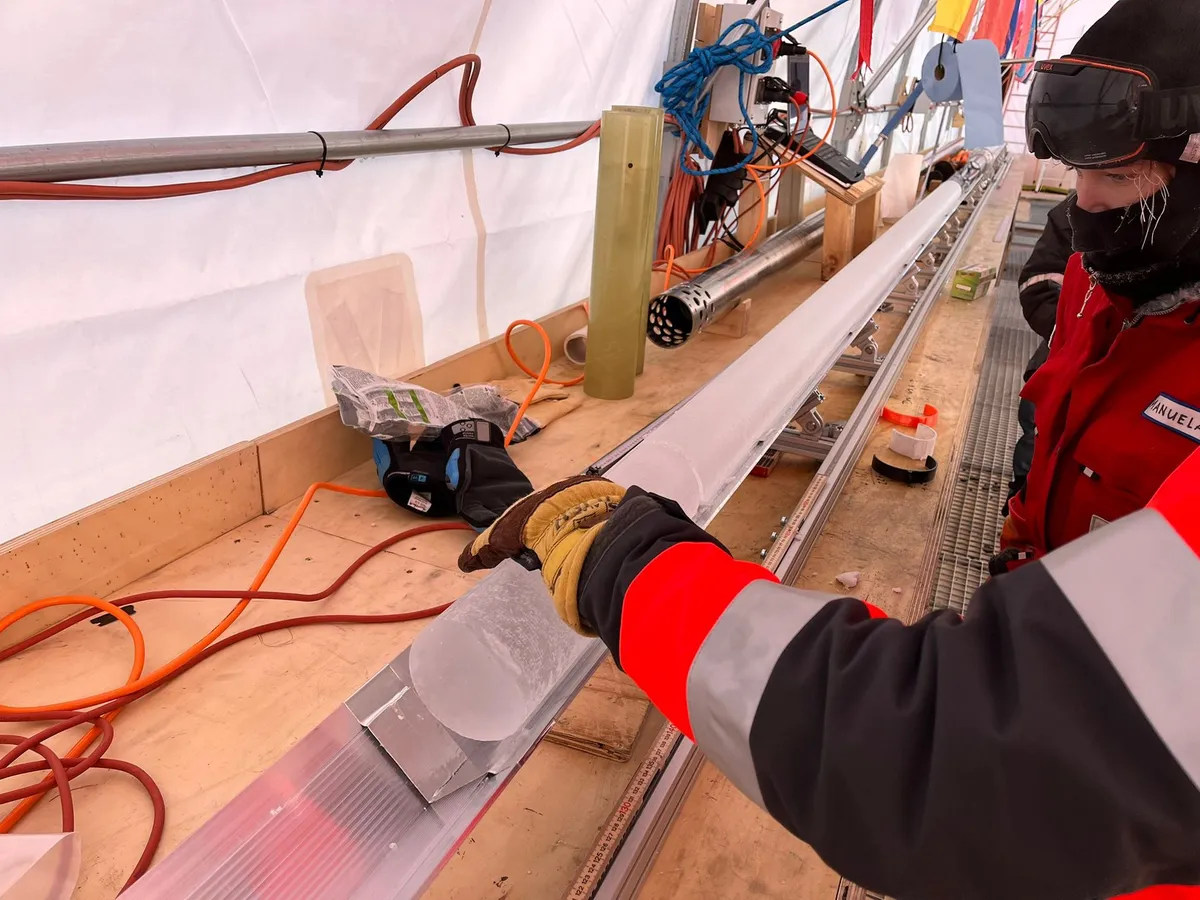
Researchers Discovered 1.2 Million-Year-Old Ice in the Depths of Antarctica, Providing a Unique Insight into Earth’s Ancient Climate and Giving Critical Clues to Understand Climate Changes Throughout the Planet’s History
Scientists from the Beyond EPICA – Oldest Ice project achieved an extraordinary feat by drilling 2,800 meters into the ice of Antarctica, obtaining a core that records Earth’s climate from up to 1.2 million years ago.
This unprecedented discovery was made at Little Dome C, a remote area on the frozen continent. This significantly advances our knowledge of the planet’s climatic history.
The obtained data promises to deepen our understanding of climate changes over millions of years.
-
An aquatic seed consumed for centuries in Asia is going viral in the West after studies highlighted its antioxidant compounds and potential anti-inflammatory properties. It pops like popcorn, has low fat content, and is already being called the new functional snack.

-
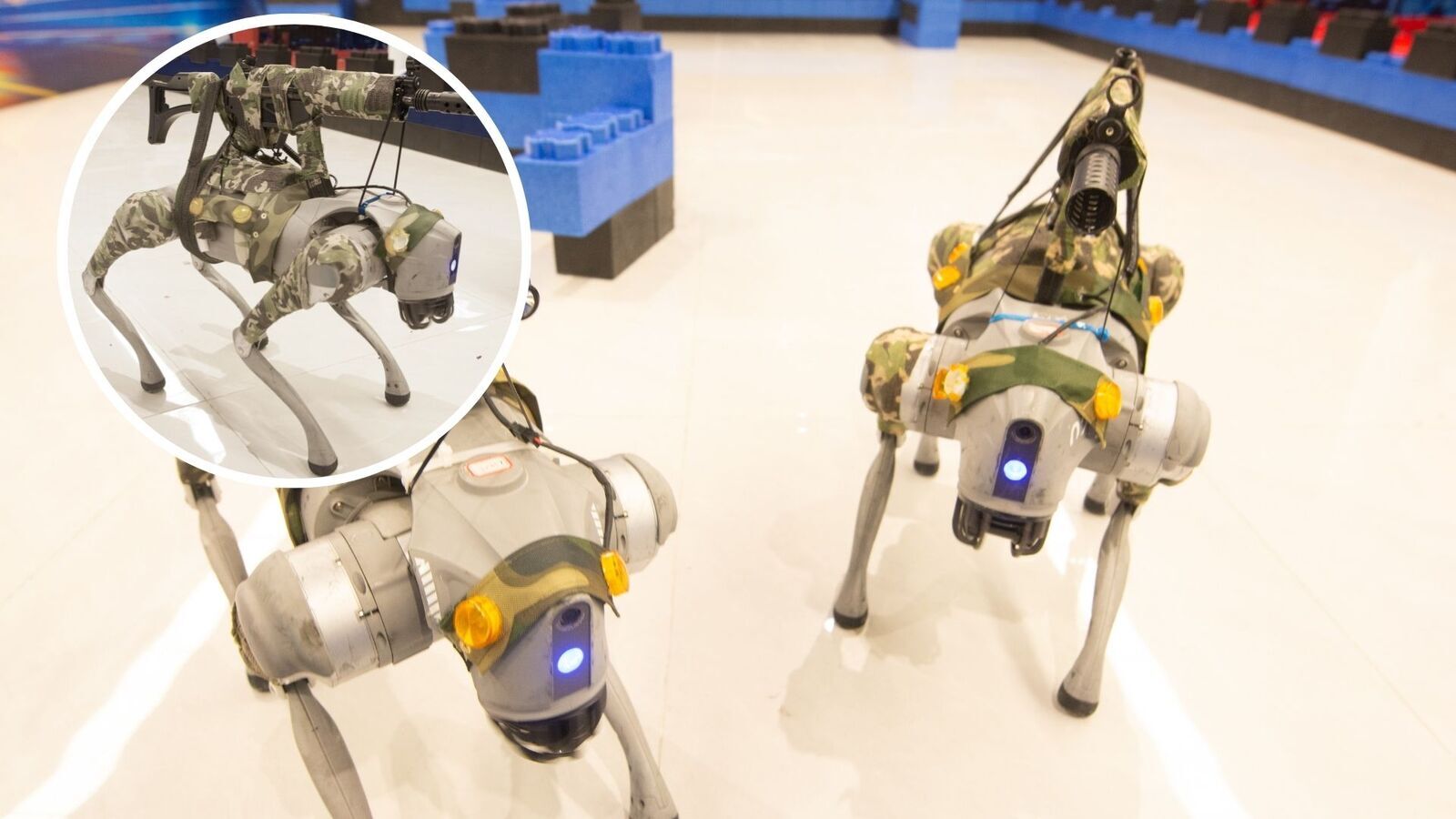
China showcases robot dogs that act in groups like a coordinated pack, make decisions together, and could change the way modern wars operate.
-
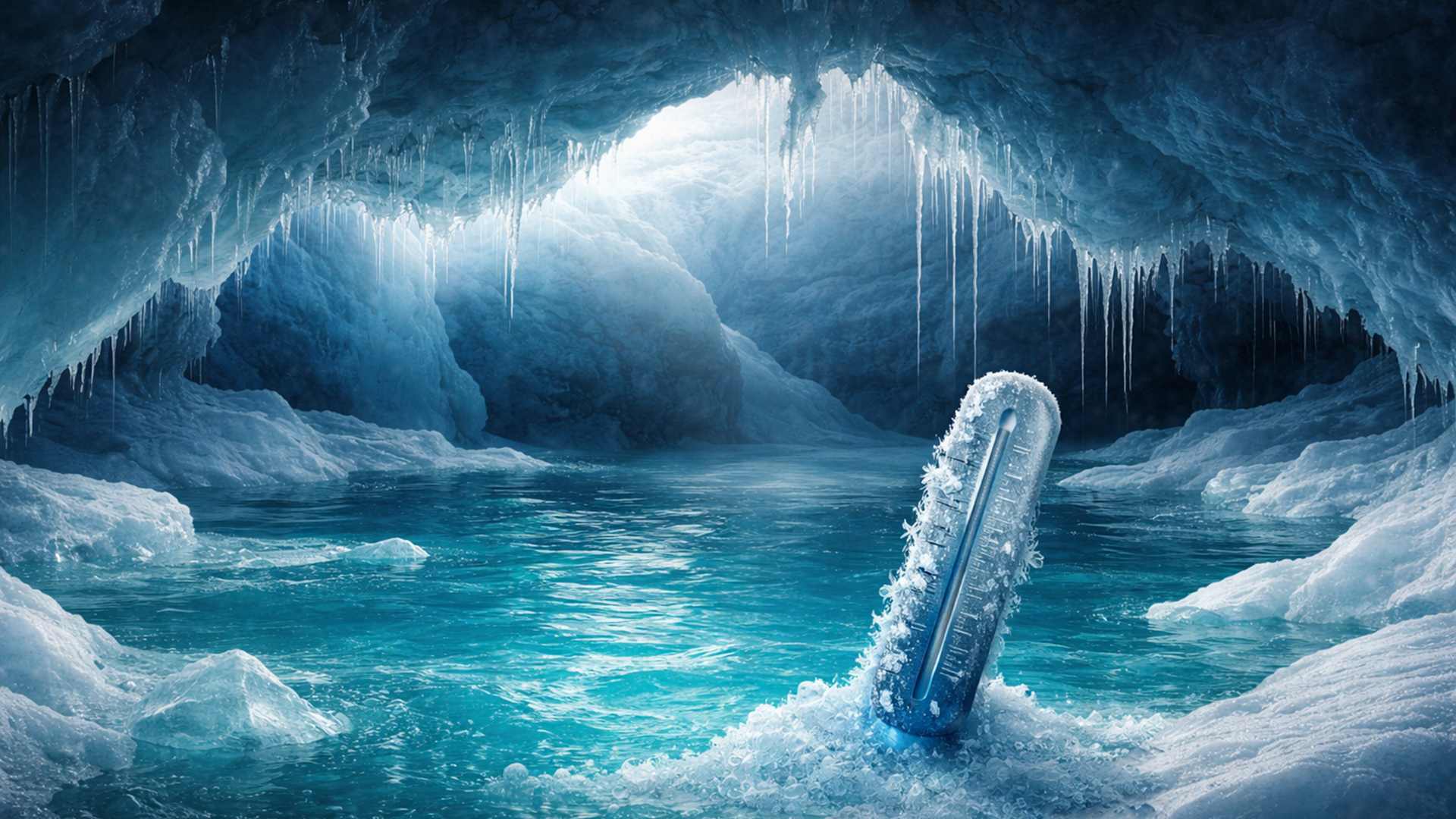
The coldest seawater ever recorded in Earth’s history was hidden under extreme ice 717 million years ago and reached an impressive -15°C.
-
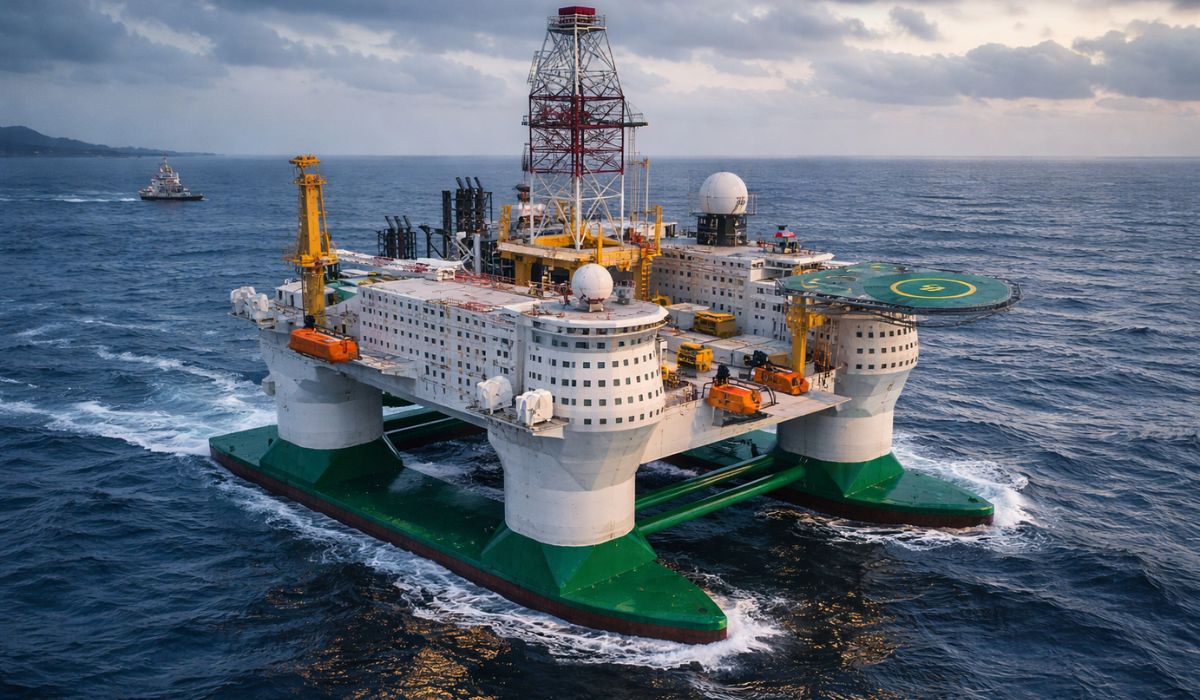
China has launched the world’s first floating artificial island, a scientific structure designed to face open seas, test equipment weighing hundreds of tons, and reach depths of 10,000 meters.

“We found a record that goes from 0.8 to 1.2 million years ago, exactly as predicted. This extends the ice core obtained 20 years ago by the EPICA project,” explained Frank Wilhelms, lead researcher and assistant professor at the University of Göttingen and the Alfred Wegener Institute.
Why Are Ice Cores Valuable?
Each layer of ice in Antarctica is like a time capsule, preserving atmospheric particles, gases, and isotopic compositions from when it formed.
These samples provide clues about temperatures, carbon dioxide levels, and past climate events.
The team found up to 13,000 years compressed into just one meter of ice, creating an extremely detailed record.
“This ice core contains a high-resolution climate record dating back 1.2 million years,” explained Julien Westhoff, the chief scientist in the field and postdoc at the University of Copenhagen.
The Drilling Challenge
The work required more than 200 days of continuous effort in extreme conditions on the Antarctic plateau.
The area where the drilling took place is located 3,200 meters above sea level, with average summer temperatures of -35°C.
The location and hostile climate conditions made the project complex, both technically and logistically.
The choice of site was crucial. Cutting-edge equipment, such as radar echo sondes and advanced ice flow models, helped the team identify the ideal point for drilling.
Challenging Logistics
Transporting the samples is a critical phase of the project. The extracted ice must be kept at a temperature of -50 °C to preserve its characteristics. For this, the samples will be taken to Europe aboard the icebreaker Laura Bassi.
According to Gianluca Bianchi Fasani, head of logistics at ENEA for the project, maintaining the cold chain is an extremely challenging operation.






Seja o primeiro a reagir!