





 Portuguese
  English
  Spanish
  3 min of reading


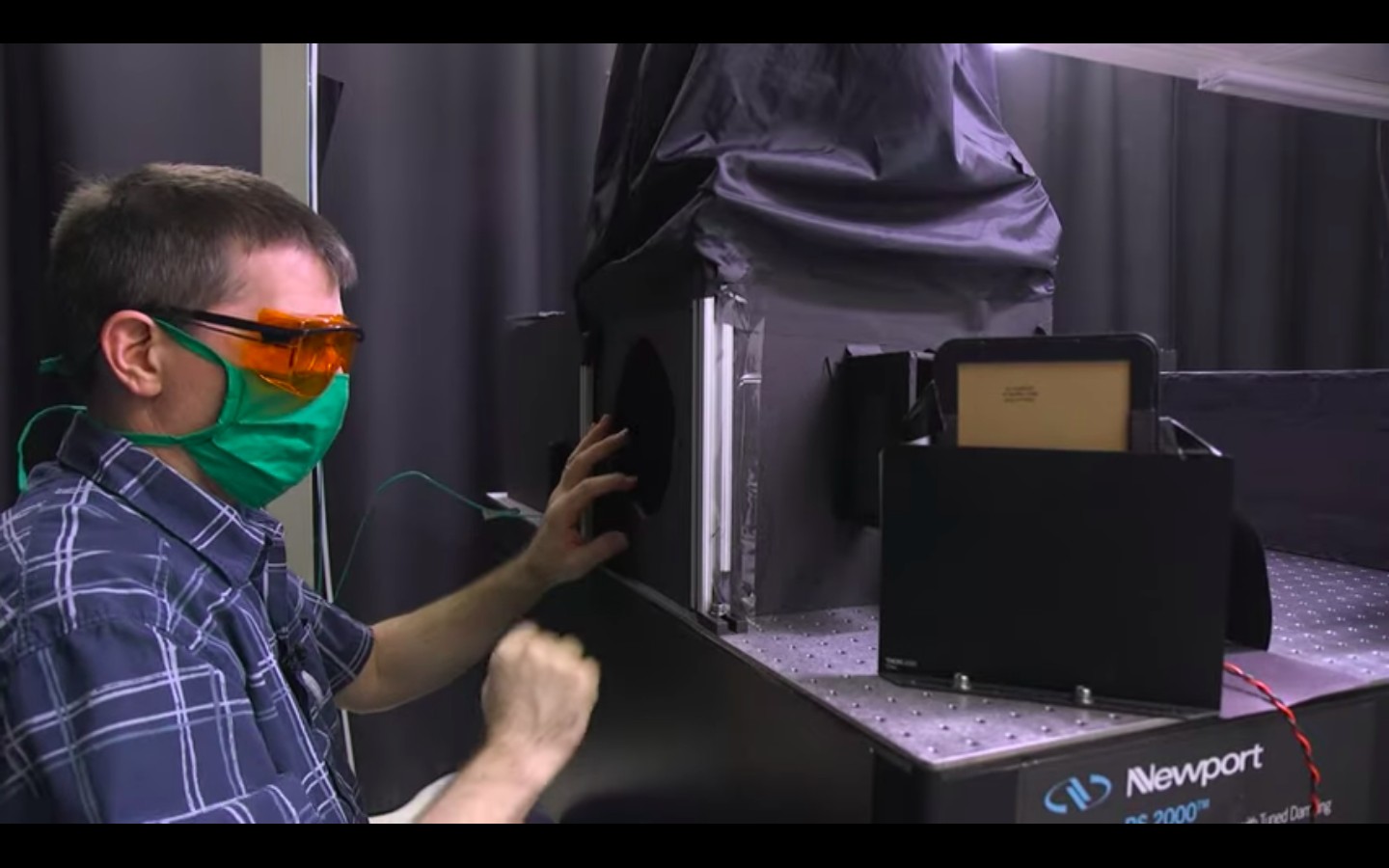
Scientists at the National University of Science and Technology (NUST MISIS) in Russia Claim to Have Developed a Technology That Can Convert Medical Waste (Including Disposable Masks) Into Flexible and Cost-Effective Batteries Using Graphene Technology.
The global population has been using over 130 billion masks each month during the COVID-19 pandemic. When these masks are discarded, they create hundreds of tons of polymer waste. This waste is difficult to recycle and emits toxic chemicals if burned. To address the problem, a team of researchers at the National University of Science and Technology ‘MISIS’ (NUST MISIS) developed a new technology to convert discarded masks into batteries for use in household devices. Drug packaging waste is also used as casing for the battery, and graphene is the only new material that needs to be acquired for the process. The batteries store energy well and are cheaper to produce than their conventional metal-coated counterparts.
See Also
Transforming Old Masks into Efficient Batteries with the Help of Graphene
To recycle the masks, the team disinfected them using ultrasound and dipped them in graphene-based paint. The masks were then compressed and heated to 284°F (140°C) to form pellets that would serve as the battery electrodes. These pellets are separated by an insulating layer also made from used masks.
The final step is to soak the whole thing in an electrolyte and wrap it in casings made from waste packaging. In this way, medical waste creates the foundation for the batteries, with only the graphene needed to finish it off.
-
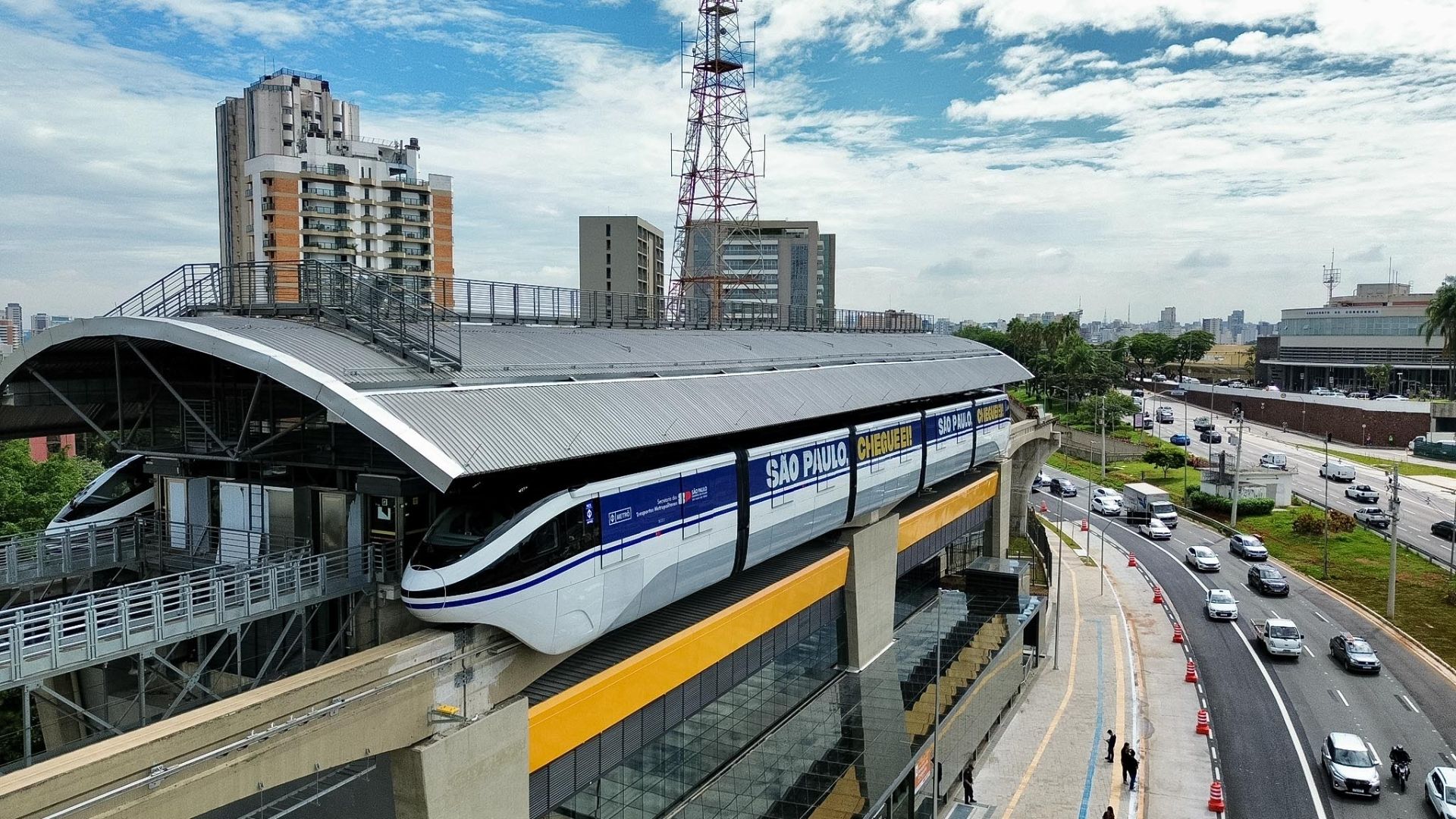
Congonhas receives the monorail promised for the 2014 World Cup after more than a decade of delays and becomes the first airport in Brazil with integrated subway.
-
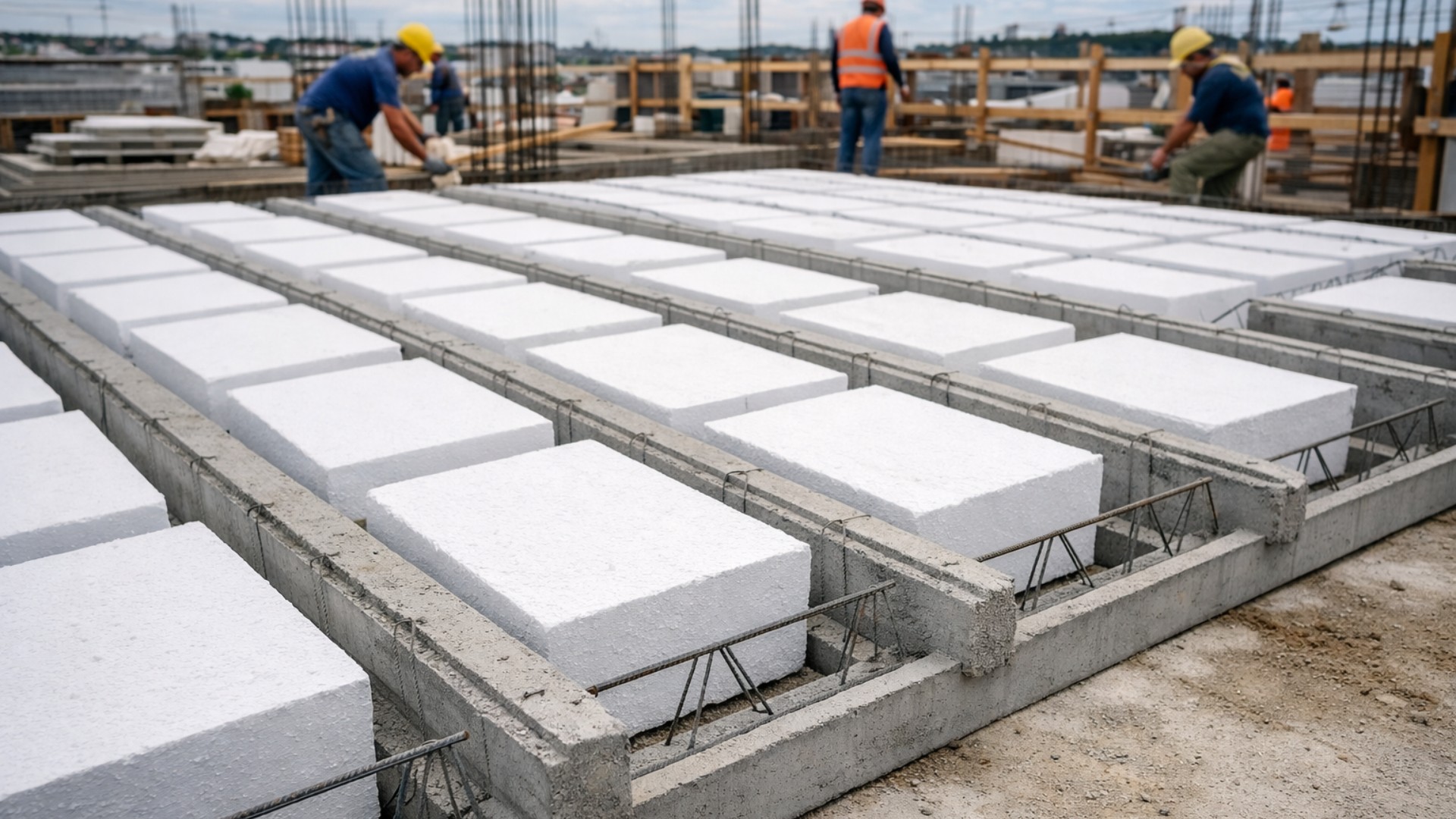
Goodbye, concrete: a new trend in civil construction reduces the weight of the structure by up to 30%, accelerates projects by up to 40%, cuts costs on steel and labor, and improves thermal insulation with EPS.
-
Russian engineers create an innovative propeller blade for aircraft that could completely change the way airplanes and helicopters operate.

-
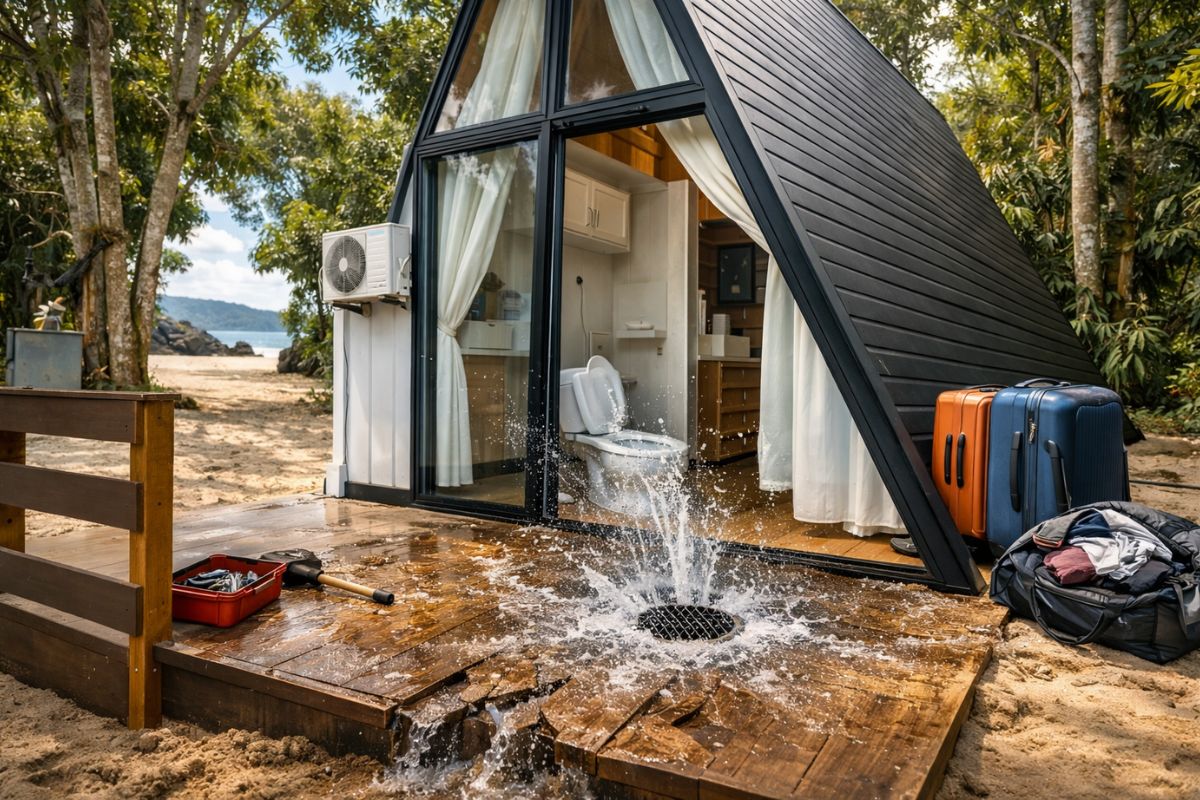
Couple finishes building PVC chalet on the beach on the last day, with air conditioning and curtains, but discovers the bathroom drain is inverted: water escapes from the drain, risking breaking the floor, and the rush continues before the trip.

Expert Explains the Production Process of Batteries with Disposable Masks
To explain the process, Professor Anvar Zakhidov, the scientific director of the NUST MISiS infrastructure project “High-Performance, Flexible Photovoltaic Devices Based on Hybrid Perovskites”, said: “To create a supercapacitor-type battery, the following algorithm is used: first, the masks are disinfected with ultrasound, then immersed in ‘ink’ made of graphene, which saturates the mask, at a temperature of 1000-1300°C, while the new technology reduces energy consumption by a factor of 10. A separator (also made of mask material) with insulating properties is then placed between the two electrodes made from the new material. It is saturated with a special electrolyte, and then a protective shell is created from the material of medical blisters (like paracetamol).”
Efficient Batteries Recycle Disposable Masks and Make Good Use of Graphene
While the process is inspiring in itself, the team found that batteries using graphene and discarded masks are quite effective. Researchers claim to have achieved an energy density of 99.7 watt-hours per kilogram (Wh/kg). This value approaches the energy density of lithium-ion batteries, which ranges from 100 to 265 Wh/kg.
According to the article, researchers improved the battery by adding nanoparticles of a calcium-cobalt oxide perovskite to the electrodes. This increased the energy density by over 100%, raising it to 208 Wh/kg. The best-performing version of the battery retains 82% of its capacity after 1,500 cycles and can provide power for over 10 hours at a voltage of up to 0.54 V.
The new method could pave the way for the production of superior batteries in various ways compared to conventional, heavier, metal-coated batteries, which require higher manufacturing costs. The thin, flexible, low-cost batteries are also disposable and could be used in appliances, from watches to light bulbs, in the future.









Seja o primeiro a reagir!